Geopolitics in the age of scrolling
There was a time when geopolitics moved through formal rooms. A state issued a statement. A spokesperson read from a prepared text.
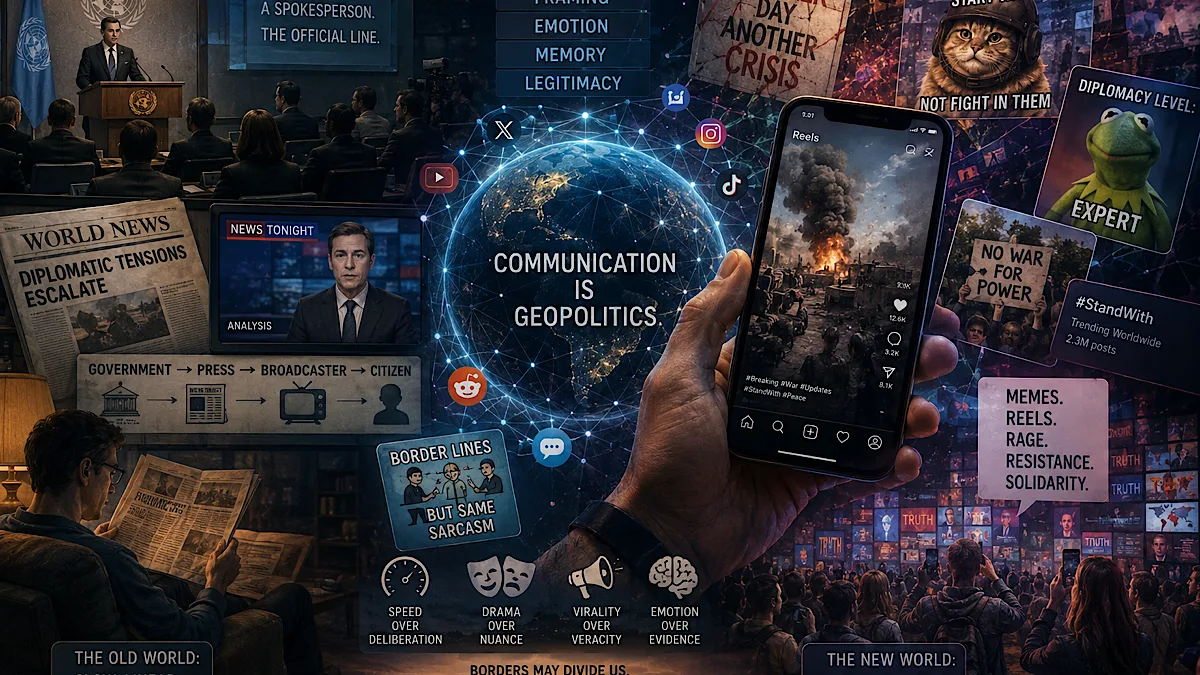
There was a time when geopolitics moved through formal rooms. A state issued a statement. A spokesperson read from a prepared text.

There Are moments in history when a nation’s progress stops being incremental and becomes directional.

The announcement of a framework agreement between the United States and Iran has understandably been greeted with relief.

Modern society has an unhealthy relationship with medical progress. We crave miracles, celebrate breakthroughs and search for definitive cures.
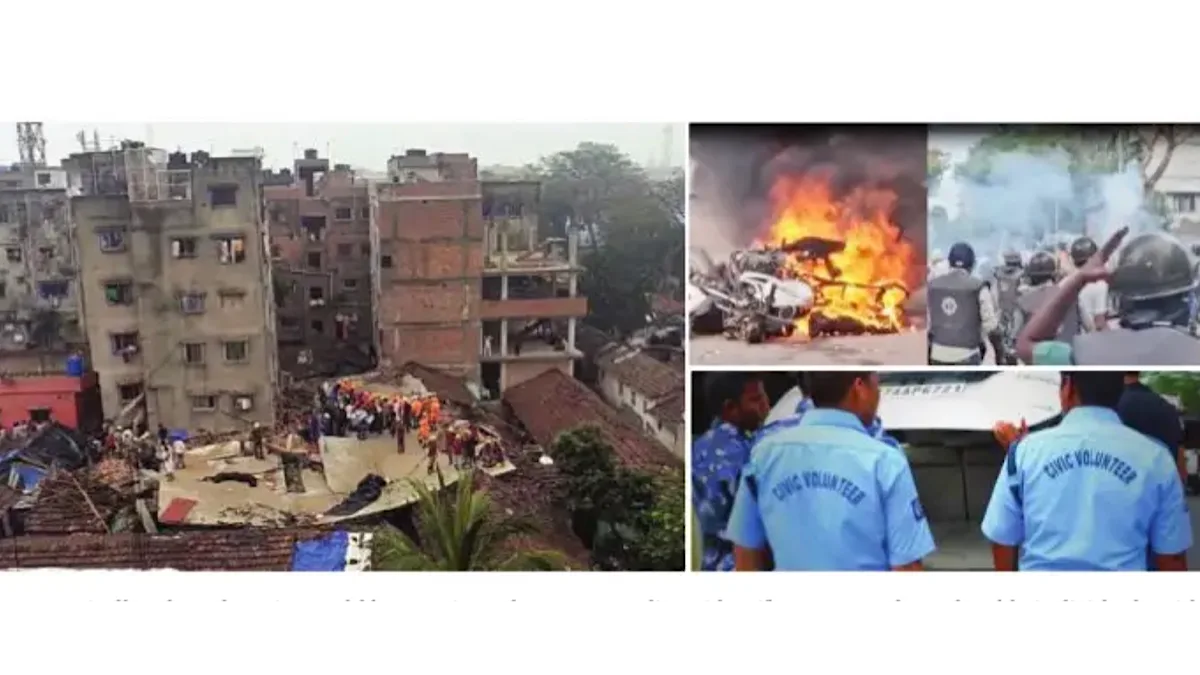
Light follows darkness. After the 15-year long TMC era ~ most certainly a dark period in the socio-economic and political history of Bengal, people are now hoping for rejuvenation of a state that has fallen beyond the depth of anarchy and despair.

When US President Donald Trump ordered strikes on Iran’s nuclear facilities some days ago, the world braced for the worst.

The recent declaration by India that the Indus Waters Treaty (IWT) will “never be restored” in its original form marks a watershed moment in South Asia’s fraught geopolitical landscape.

In his much-celebrated book This land is our land, Indian-American writer Suketu Mehta offers advice to the immigrants in Europe and America.

Challenges, experiences, opportunities, and imagination have shaped the India story in the soft power terrain over the 11 years of the Modi government since 2014.

The United States’ recalibration of its Africa strategy signals a stark departure from decades of broad based engagement towards a narrower, cost-driven approach focused largely on security.