Geopolitics in the age of scrolling
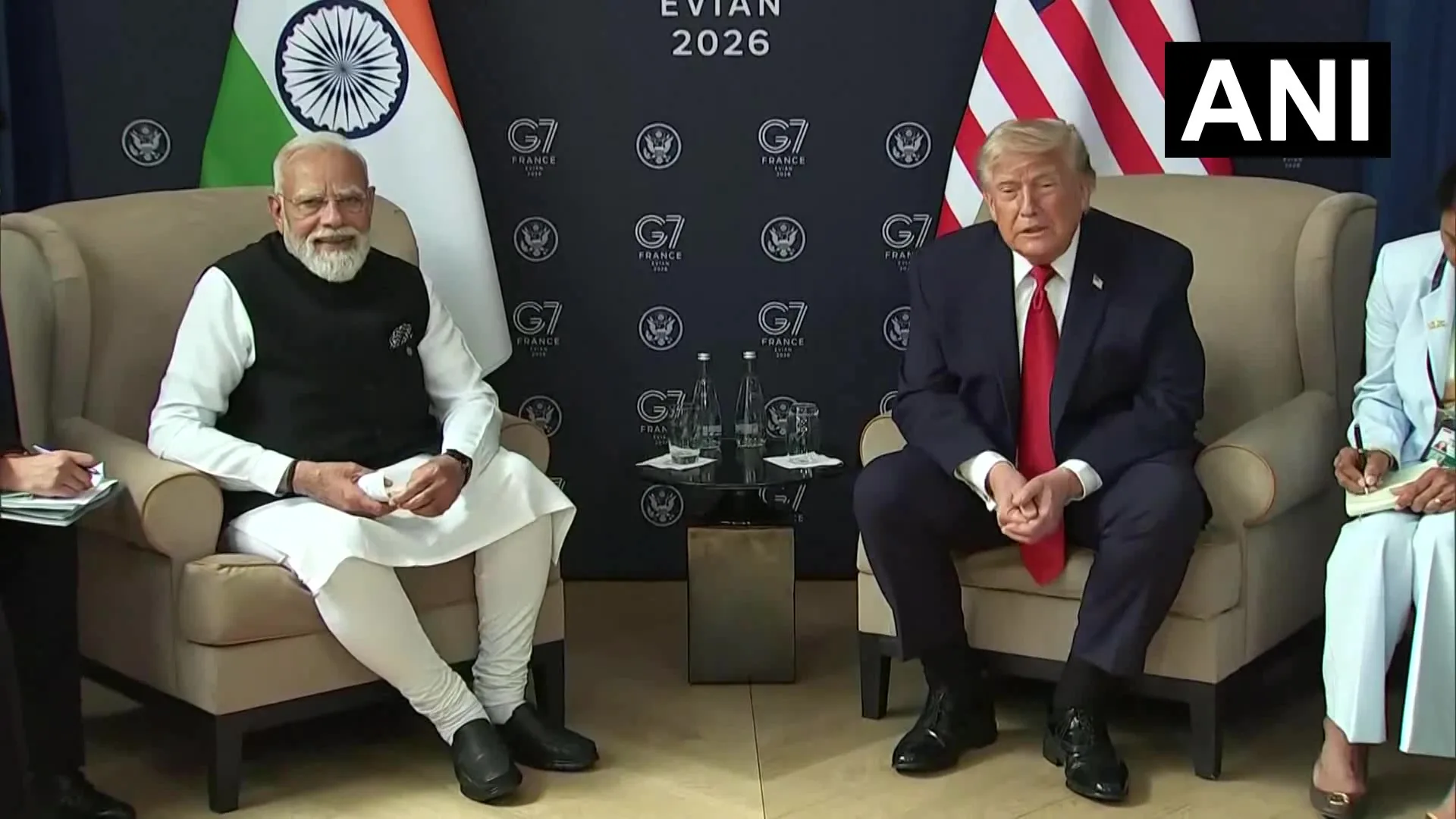
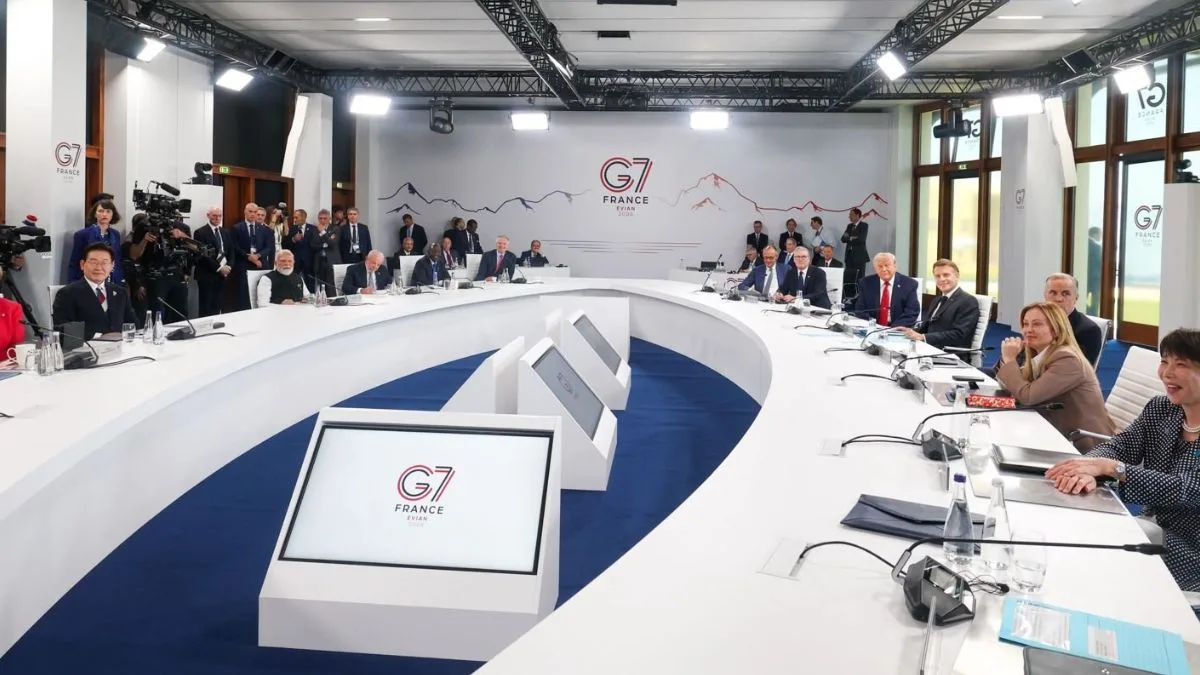
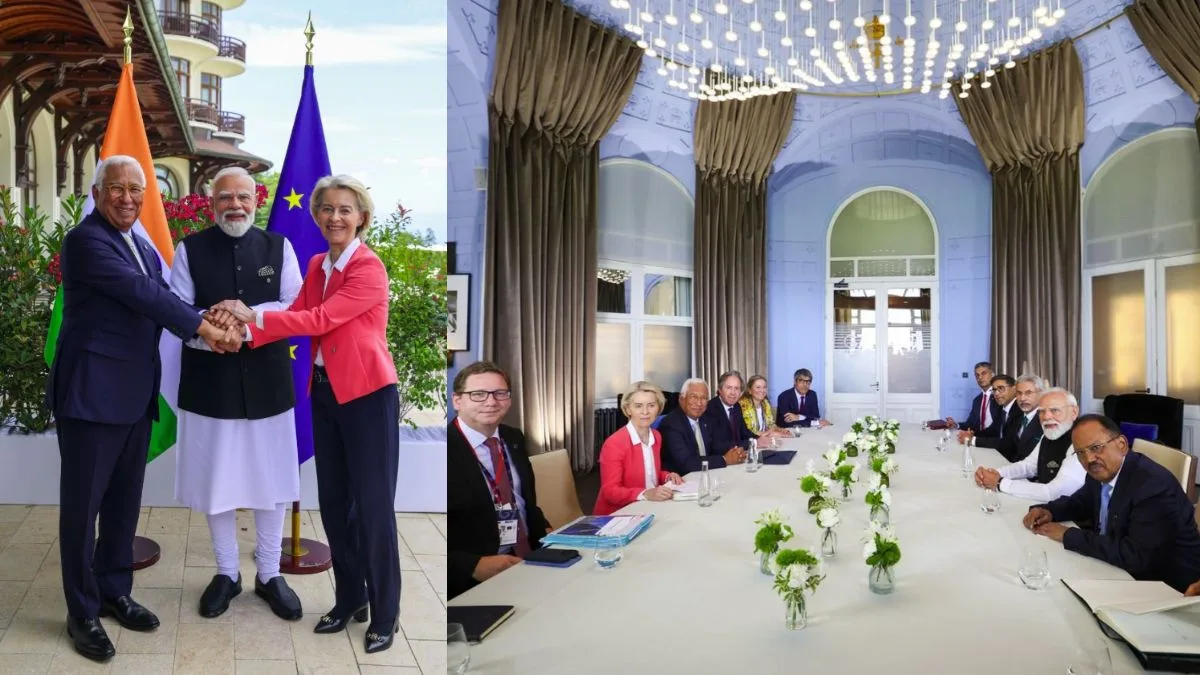
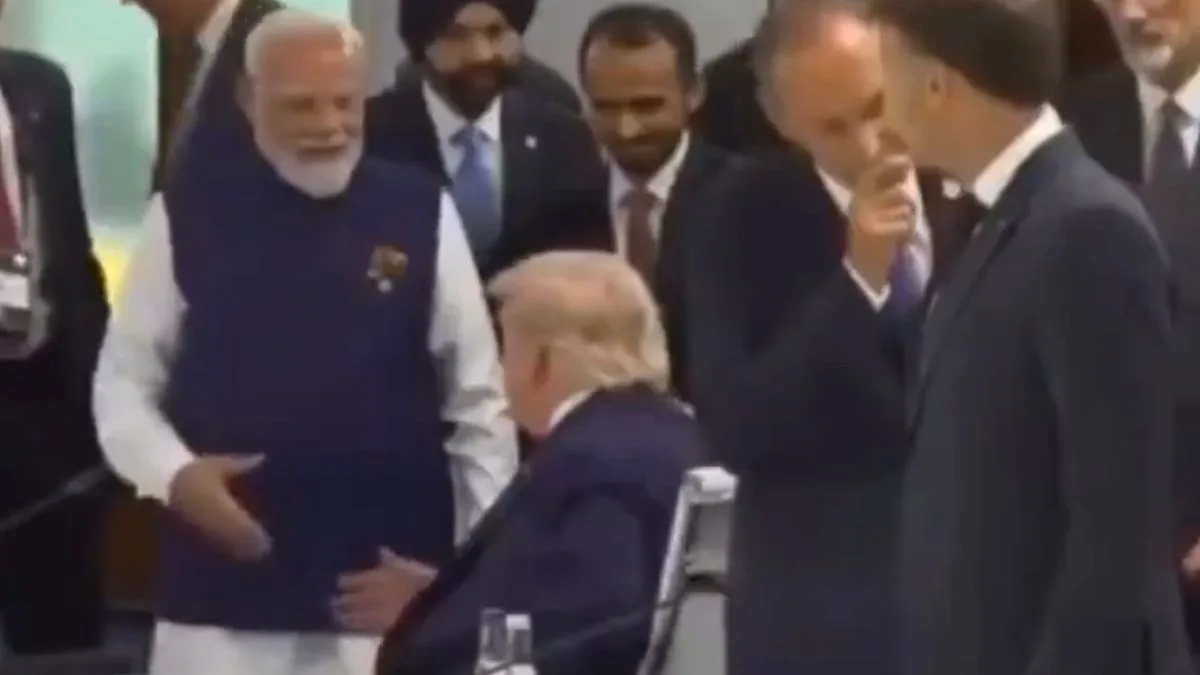
There was a time when geopolitics moved through formal rooms. A state issued a statement. A spokesperson read from a prepared text.
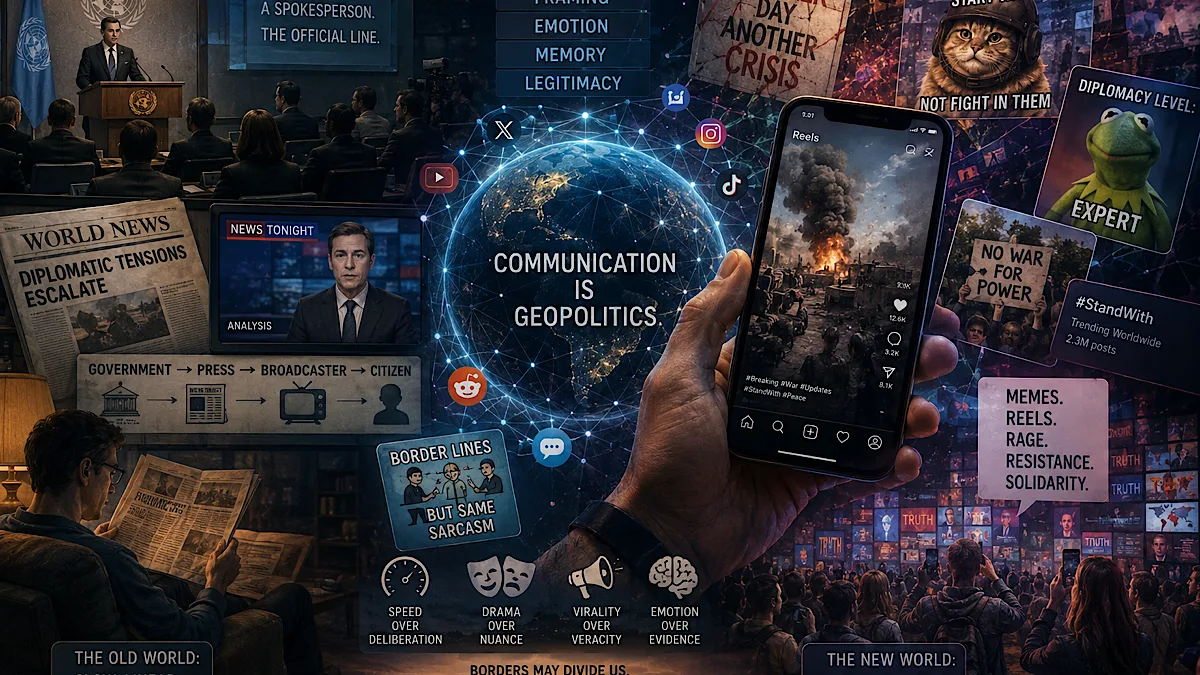
There was a time when geopolitics moved through formal rooms. A state issued a statement. A spokesperson read from a prepared text.
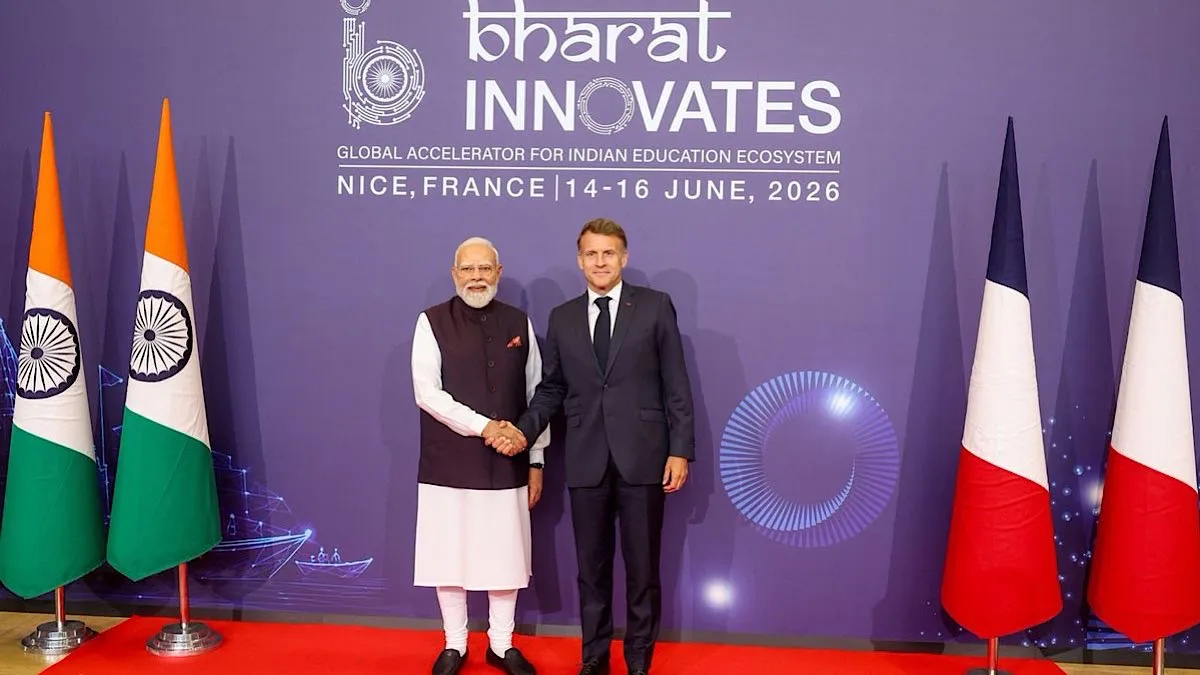
There Are moments in history when a nation’s progress stops being incremental and becomes directional.

The announcement of a framework agreement between the United States and Iran has understandably been greeted with relief.

Modern society has an unhealthy relationship with medical progress. We crave miracles, celebrate breakthroughs and search for definitive cures.
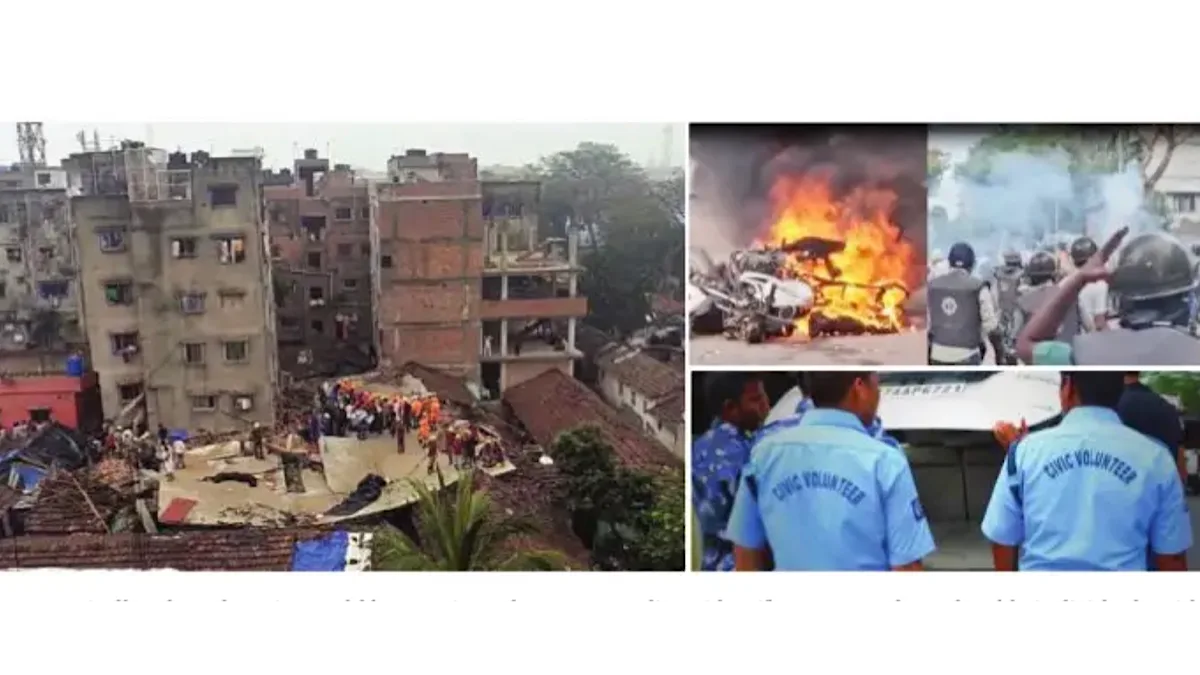
Light follows darkness. After the 15-year long TMC era ~ most certainly a dark period in the socio-economic and political history of Bengal, people are now hoping for rejuvenation of a state that has fallen beyond the depth of anarchy and despair.

India’s industrial growth, long considered a key gauge of the country’s economic vitality, has begun to show signs of a worrying deceleration.

A searing heat-wave has descended upon Europe with a vengeance ~ and well before its usual time. Wildfires in Turkey have forced over 50,000 people to flee their homes, while France, Spain, Italy, Germany, and even the typically temperate Netherlands are under weather warnings.

The Arabic word “Ummah” could be translated as “nation”, though it broadly represents a grouping of people who are united by Islamic faith, values, and purpose.

Five years have passed since the National Education Policy (NEP) 2020 was unveiled, a document that intends to reshape India’s education system over a 15-20 year horizon.

India’s monsoon has arrived early ~ and for once, the country may finally catch a break. The southwest monsoon, which typically blankets the sub-continent by July 8, has covered the entire country nine days ahead of schedule this year.