Geopolitics in the age of scrolling
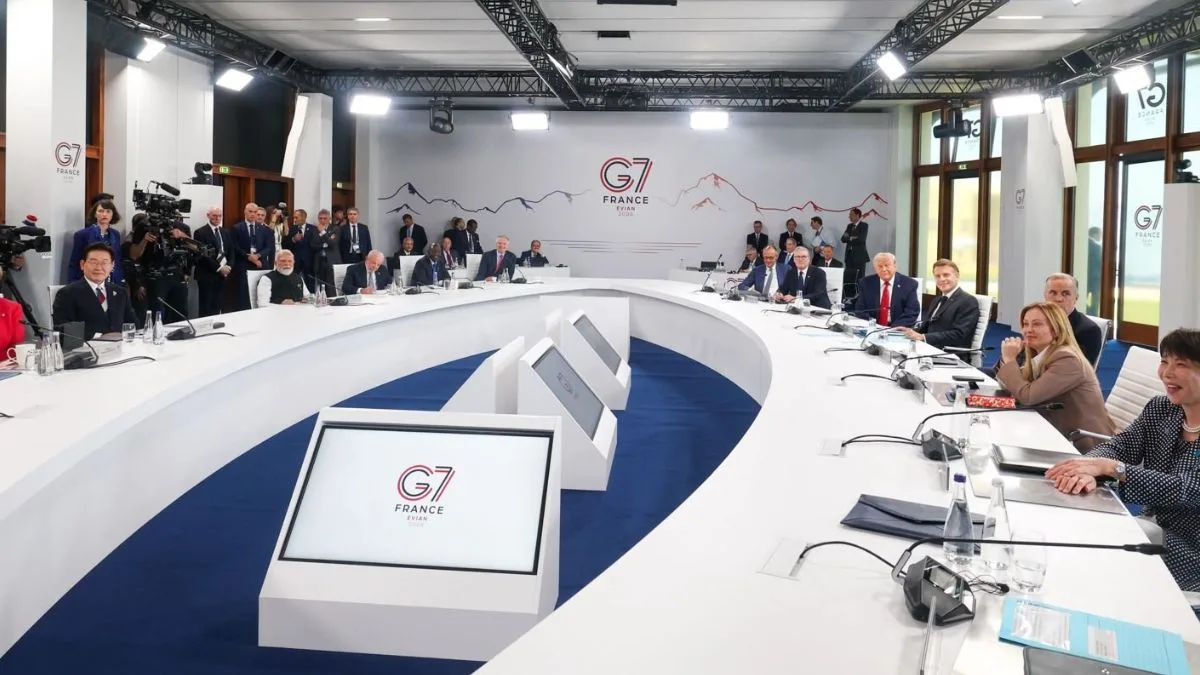
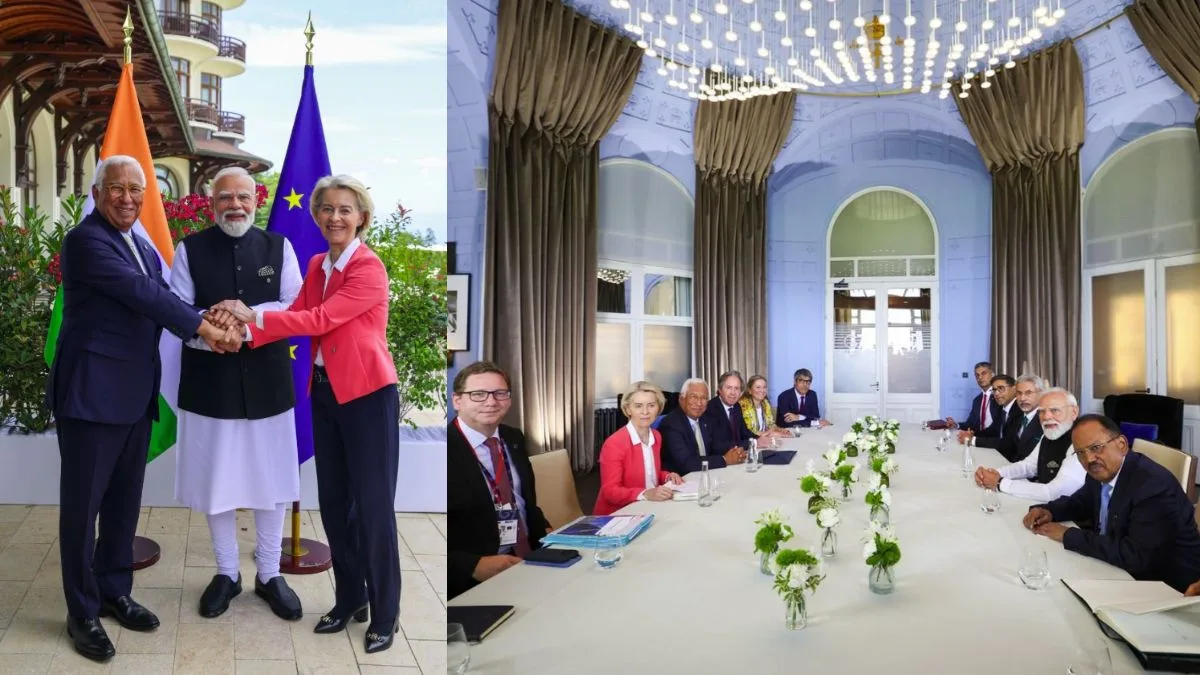
There was a time when geopolitics moved through formal rooms. A state issued a statement. A spokesperson read from a prepared text.

There was a time when geopolitics moved through formal rooms. A state issued a statement. A spokesperson read from a prepared text.
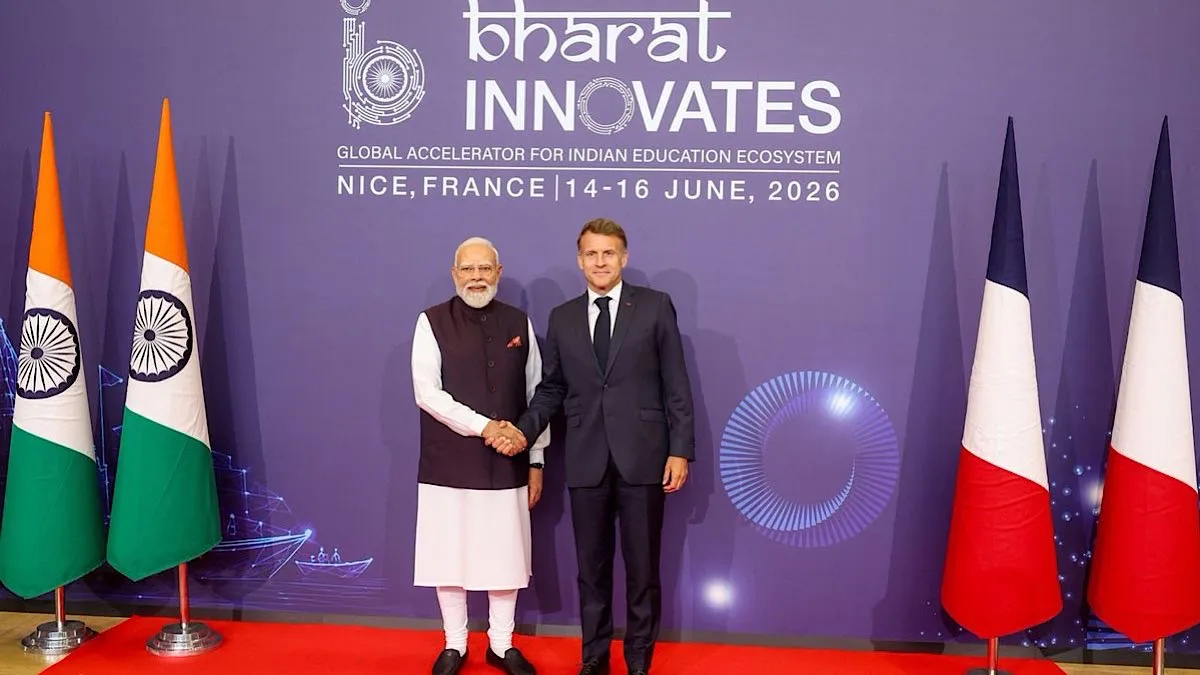
There Are moments in history when a nation’s progress stops being incremental and becomes directional.

The announcement of a framework agreement between the United States and Iran has understandably been greeted with relief.

Modern society has an unhealthy relationship with medical progress. We crave miracles, celebrate breakthroughs and search for definitive cures.
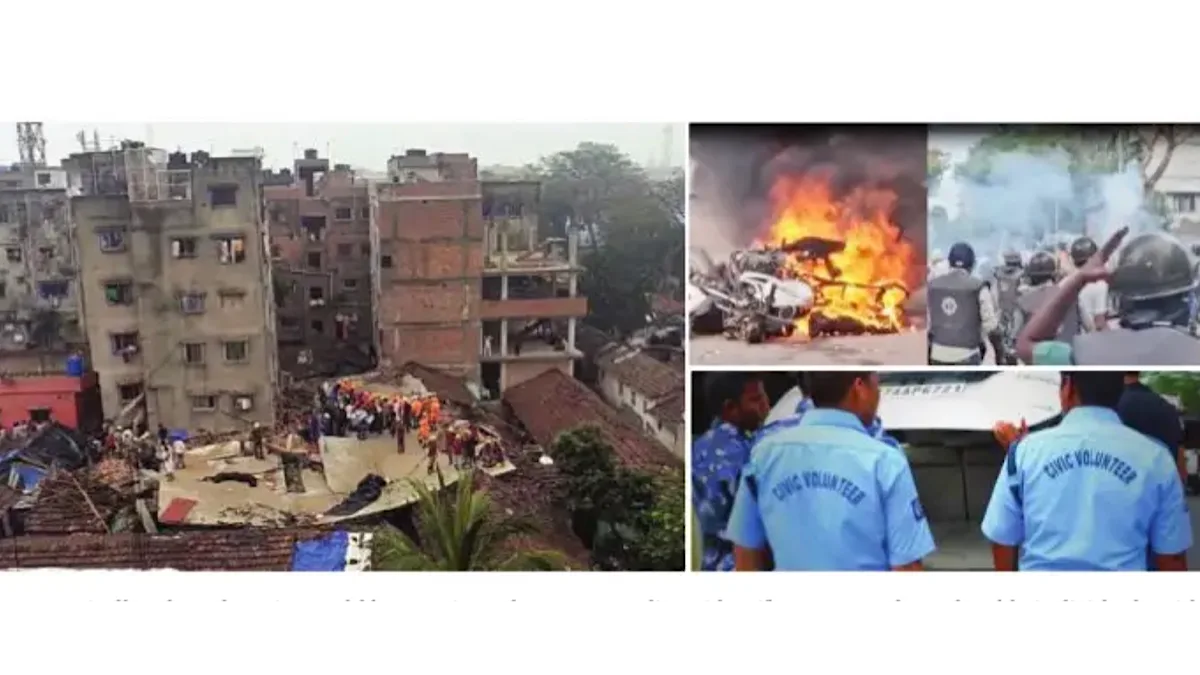
Light follows darkness. After the 15-year long TMC era ~ most certainly a dark period in the socio-economic and political history of Bengal, people are now hoping for rejuvenation of a state that has fallen beyond the depth of anarchy and despair.

India's economic and financial pundits and policy makers will have much to cheer about the affirmation made by NITI Ayog that based on IMF data, India has surpassed Japan, albeit marginally, to become the fourth largest economy in the world.

The Congress party in Karnataka is struggling to keep its house in order. Despite public proclamations of unity and reassurances from senior leadership, the party is being buffeted by growing undercurrents of dissent, factional rivalry, and the slow unravelling of a leadership pact that now appears to be more political myth than a roadmap.

In a moment that briefly pierced the steely façade of British parliamentary politics, Chancellor Rachel Reeves was seen wiping away tears during a tense Prime Minister’s Questions (PMQs) session in the House of Commons.

Pope Leo XIV has heavy responsibilities ~ not just because the Catholic Church has reached global proportions, but because it has many problems ~ both internal and external.

Traditional wisdom on environmental governance, captured through the Environment Kuznets curve, posits that countries grow first and clean up later. This empirical insight is informed by the experience of now developed countries which exploited the natural environment, at home and abroad, to feed the resource requirements of the growth process.