Geopolitics in the age of scrolling
There was a time when geopolitics moved through formal rooms. A state issued a statement. A spokesperson read from a prepared text.
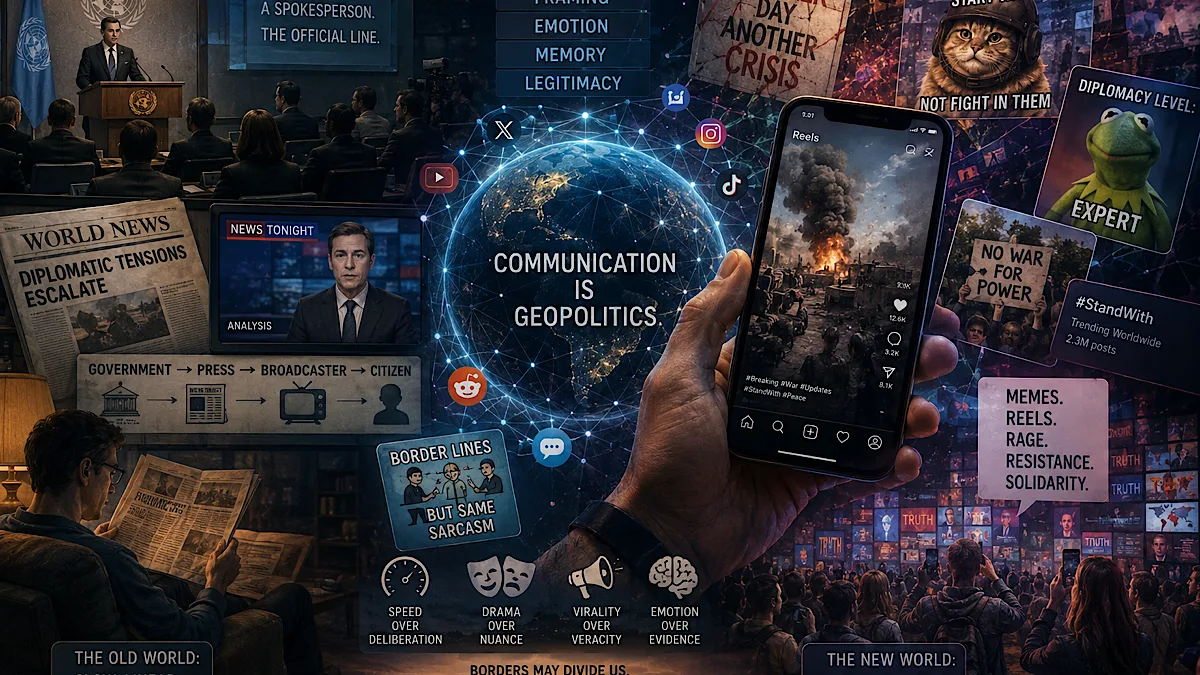
There was a time when geopolitics moved through formal rooms. A state issued a statement. A spokesperson read from a prepared text.

There Are moments in history when a nation’s progress stops being incremental and becomes directional.

The announcement of a framework agreement between the United States and Iran has understandably been greeted with relief.

Modern society has an unhealthy relationship with medical progress. We crave miracles, celebrate breakthroughs and search for definitive cures.

Light follows darkness. After the 15-year long TMC era ~ most certainly a dark period in the socio-economic and political history of Bengal, people are now hoping for rejuvenation of a state that has fallen beyond the depth of anarchy and despair.

At a time of political theatrics and economic brinkmanship, the American labour market continues to deliver an understated message: resilience. The June job numbers are a case in point.

A comparison of the two sets of figures published yesterday reveals interesting features. While the USA is ahead of China in Nominal GDP, in terms of PPP, China has already outstripped the USA by a comfortable margin to become the number one economy of the world.

There was a time when travel was all about checking boxes of how many places you could squeeze into an itinerary, or how many pictures you could take in front of famous monuments.

India’s explicit endorsement of the Dalai Lama’s announcement on the naming of his own successor marks a turning point ~ not just in the spiritual saga of Tibetan Buddhism, but in the geopolitics of Asia.

US President Donald Trump’s latest legislative triumph ~ a massive tax cut and spending bill ~ may appear on the surface as a defining moment of policy success, but beneath its celebratory veneer lies a deep fault line in American politics and priorities.