Geopolitics in the age of scrolling
There was a time when geopolitics moved through formal rooms. A state issued a statement. A spokesperson read from a prepared text.
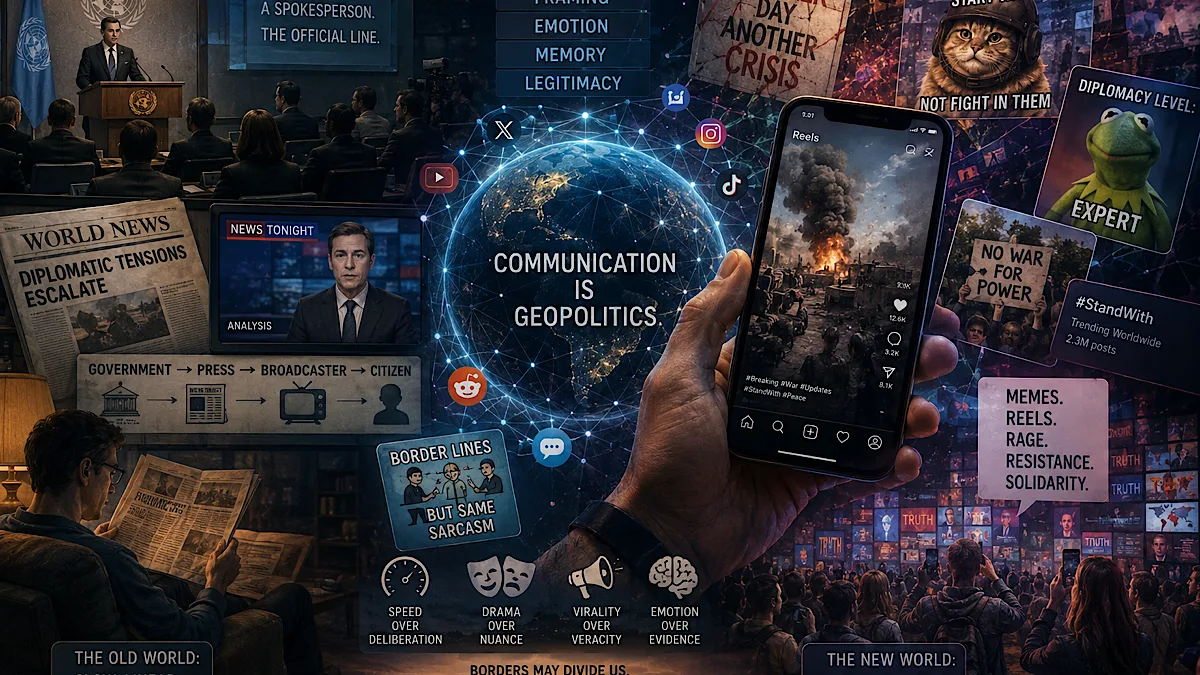
There was a time when geopolitics moved through formal rooms. A state issued a statement. A spokesperson read from a prepared text.
There Are moments in history when a nation’s progress stops being incremental and becomes directional.

The announcement of a framework agreement between the United States and Iran has understandably been greeted with relief.

Modern society has an unhealthy relationship with medical progress. We crave miracles, celebrate breakthroughs and search for definitive cures.
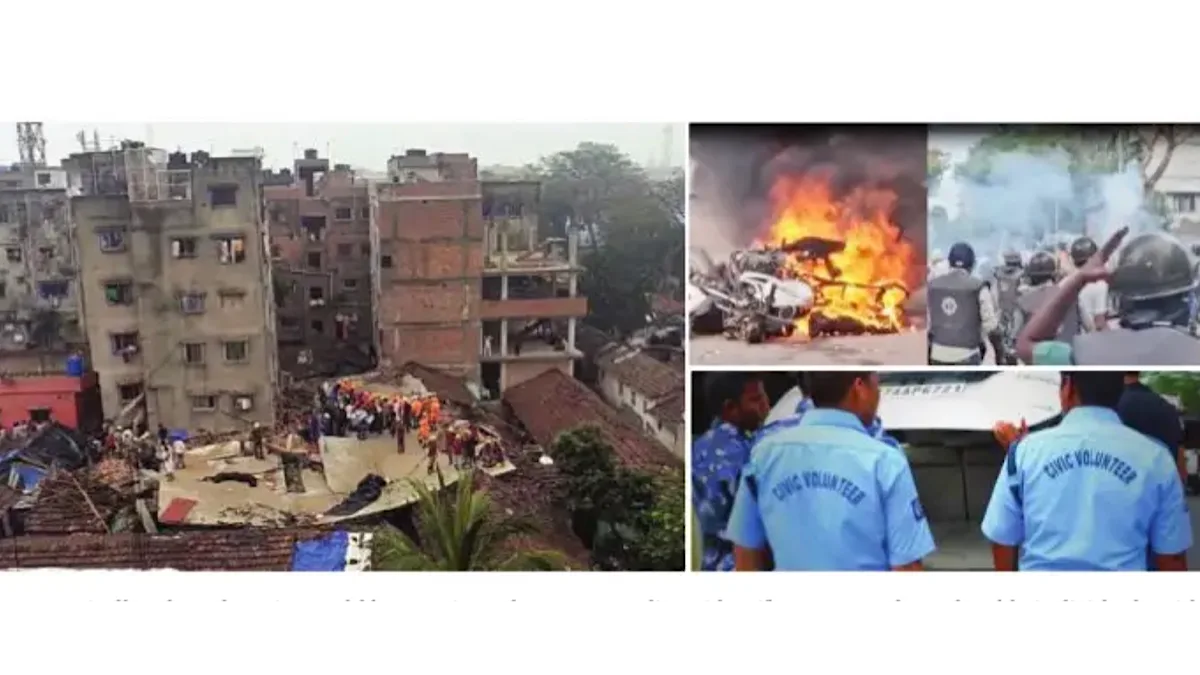
Light follows darkness. After the 15-year long TMC era ~ most certainly a dark period in the socio-economic and political history of Bengal, people are now hoping for rejuvenation of a state that has fallen beyond the depth of anarchy and despair.

India’s FASTag system was designed to make our highways faster, not harder. Introduced as a seamless solution for digital tolling, FASTags promised shorter queues, smoother rides, and less fuel wasted in traffic.

India’s coal dilemma is no longer about whether to move away from thermal power ~ it is about how to make it cleaner without compromising the country’s growing energy needs.

When late US President Richard Nixon launched his “War on Cancer” in 1971, the ambition was audacious: find a cure within a decade.

The aging workforce is becoming an increasingly prominent feature of the global labour market, with older workers projected to represent a significant proportion of the workforce in coming years.

Trump recently stated, “They should give me the Nobel Prize for Rwanda and if you look, the Congo, or you could say Serbia, Kosovo, you could say a lot of them. The big one is India and Pakistan. I should have gotten it four or five times.”