Recently, some voices have claimed that India is a “dead economy,” a statement both puzzling and detached from the facts. To label a nation sprinting ahead with such vigour as fallen is to misunderstand the race it is running. Let us look closer at the reality behind the rhetoric.
“Dead economy”? The numbers say otherwise. India is the world’s fourth-largest economy and is on track to become the third-largest by 2028. We are clocking towards a growth rate of 6.8 per cent, with the IMF revising next year’s forecast up wards 6.4 per cent. India is the fastest-growing major economy, far outpacing the US and other developed nations. Foreign capital continues to surge in, with India rising to 15th in global FDI rankings and drawing investment from over 110 countries. Inflation remains contained at around 3 per cent.
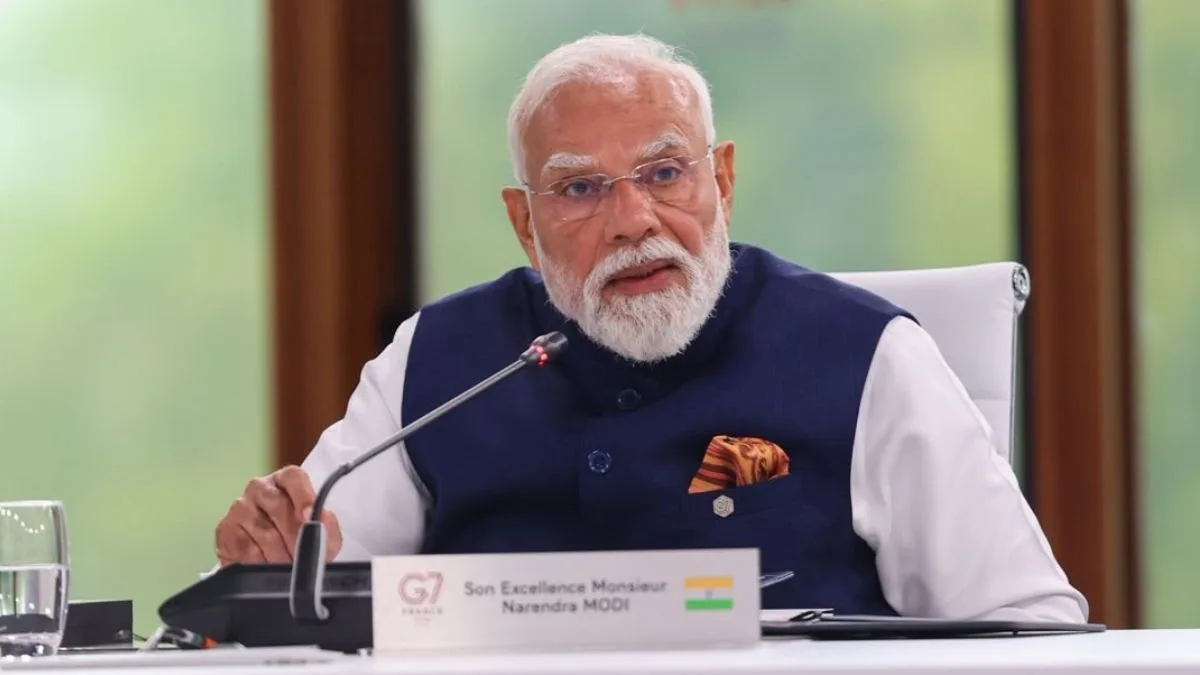
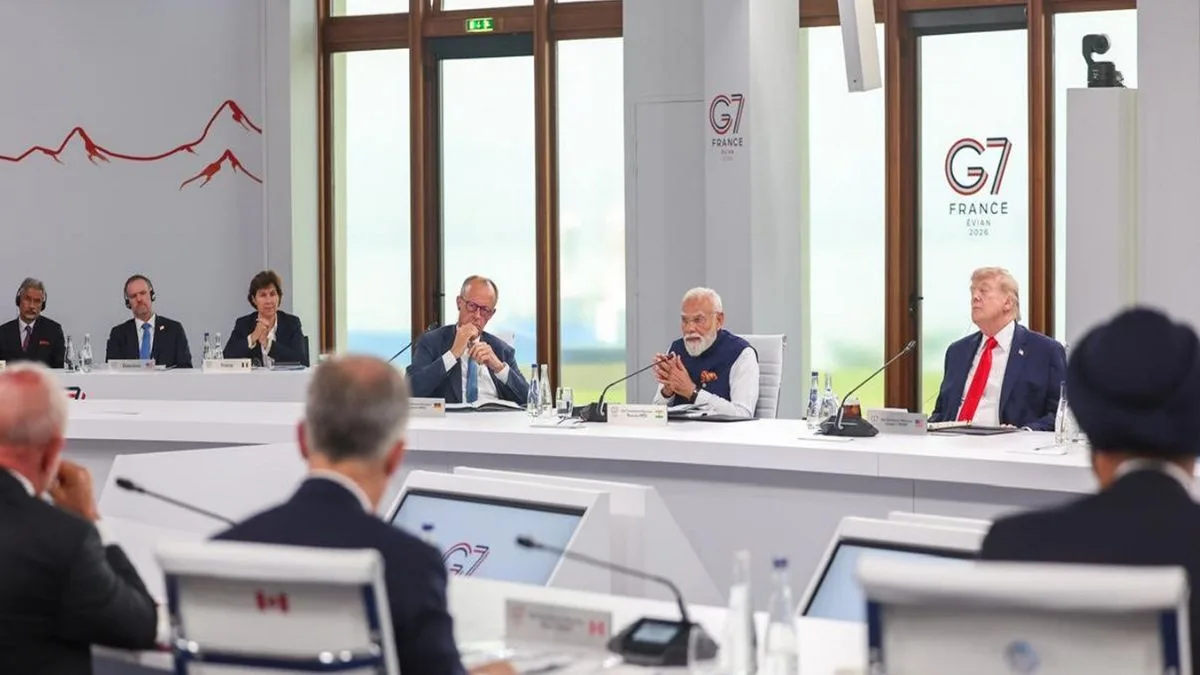
The real pulse of India’s transformation, as Prime Minister Narendra Modi has often asserted, is the collective ambition and work ethic of its people. Indians often understate their achievements, yet they are building the dreams of 1.4 billion people ~ more than four times the US population. India maintains the world’s second-largest road network, expanding highways by 60 per cent in last ten years. The railway system is now the fourth-largest globally and has doubled its capacity. Our logistics outperform even advanced economies ~ container dwell time is just three days compared to seven in the US, and port turnaround time is a minuscule 0.9 days, beating Singapore and Australia.
Metro rail systems have expanded from five cities to over twenty-two. Central infrastructure spending has soared from Rs 2.5 lakh crore in 2014 to Rs 11.1 lakh crore in 2024–25, reflecting a nation-building commitment of extraordinary scale. This momentum is rooted in a hard-won shift from a colonial legacy that left India economically hollowed out. Today, India is no longer fragile. Annual service exports exceed $340 billion, while manufacturing’s share of GDP rises steadily, driven by advanced engineering and electronics.
India makes iPhones for the world, is renowned as “the Pharmacy of the World” supplying 20 per cent of global generic drugs, and has developed a world-class indigenous defence sector. With over 1.5 lakh startups ~ including 110+ unicorns ~ India is the third-largest startup ecosystem globally and is home to the second-highest number of R&D centres among Fortune 500 companies. These are signs of ascent, not decline.
Progress is firmly anchored in the rural heartland. Agriculture, the backbone of the economy for centuries, is seeing record output and technological transformation. India leads globally in milk, pulses, and jute, and is the largest rice exporter. This strength is matched by a leap in government support, with the agribudget rising from Rs 11,915 crore in 2008-09 to Rs 1.2 lakh crore in 2024-25. Legal and regulatory reforms have further fuelled India’s rise.
Since 2014, the Ease of Doing Business ranking has climbed by 79 places, reflecting improved governance. Over 180 business offences have been decriminalised, and 29 labour laws merged into four streamlined codes. Skill India has trained over 1.4 crore youth and reskilled 54 lakh, generating 17.1 crore new jobs from 2014 to 2024. The unemployment rate has dropped from 6 per cent to 3.2 per cent, and youth employability has soared from 34 per cent to 55 per cent. More than 4.7 crore young Indians have found formal employment as per the Employees’ Provident Fund Organisation numbers since 2017.
The transformation extends into the digital realm. India leads the world in per-user mobile data usage, averaging 32 GB per month almost 50 per cent higher than North America, at the world’s lowest rates. The IMF recognises India as the leader in rapid digital payments, with the Unified Payments Interface handling over 18 billion transactions monthly, now expanding internationally. The Aadhaar biometric ID system has enabled over 154 billion authentications and underpins efficient service delivery. India already commands a 10.2 per cent share of global IT and telecom exports.
On sustainability, India’s clean energy revolution is in full swing. Solar capacity has expanded 30-fold to over 100 GW in 2025. Electric vehicle sales rose from 95,000 in 2018 to over 1.6 million in 2024, with signature programmes like the National Green Hydrogen Mission and E20 fuel blending. As the Prime Minister repeatedly emphasises, clean and inclusive growth is at the heart of his government’s vision. India’s growth is also lifting others.
With forex reserves topping $680 billion, India has shifted from being an aid recipient to a donor nation. Since 2000, it has provided over $48 billion in assistance to more than 65 countries, building infrastructure and partnerships. During the pandemic, India distributed over 240 million vaccine doses to nearly 100 countries. When Sri Lanka faced economic collapse, India was the first to respond with $4 billion in urgent aid. India quietly supports neighbours during disasters and crises, contrasting a so called “dead economy” with the footprint of a trusted, rising power. To any true Indian swayed by criticism, remember: you are part of a thriving, determined, and rising nation not a dying one.
( The writer is Professor of Finance and part-time member of the Prime Minister’s Economic Advisory Council)
Advertisement