If the click goes, so will the Web
The modern internet was built on a simple bargain. Websites created content. Search engines sent users to those websites.
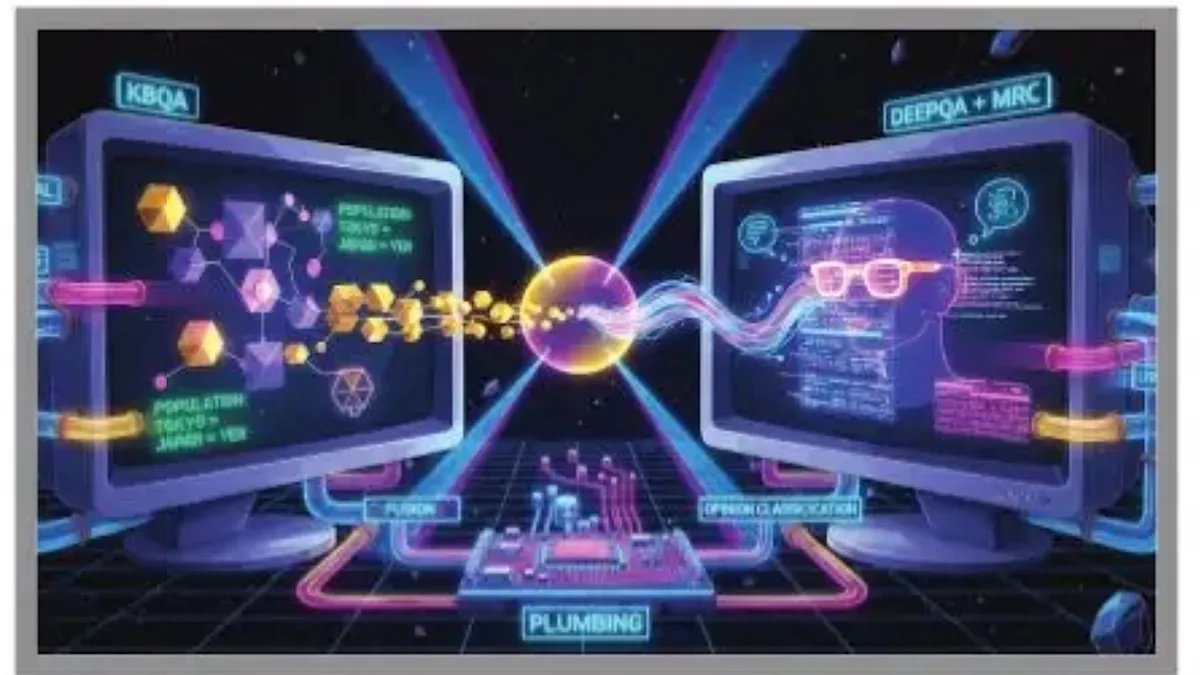
The modern internet was built on a simple bargain. Websites created content. Search engines sent users to those websites.

One year after one of the worst aviation disasters in Indian history, the most unsettling reality is not that the final answer remains elusive. It is that, in the absence of definitive findings, competing certainties have rushed in to fill the void.
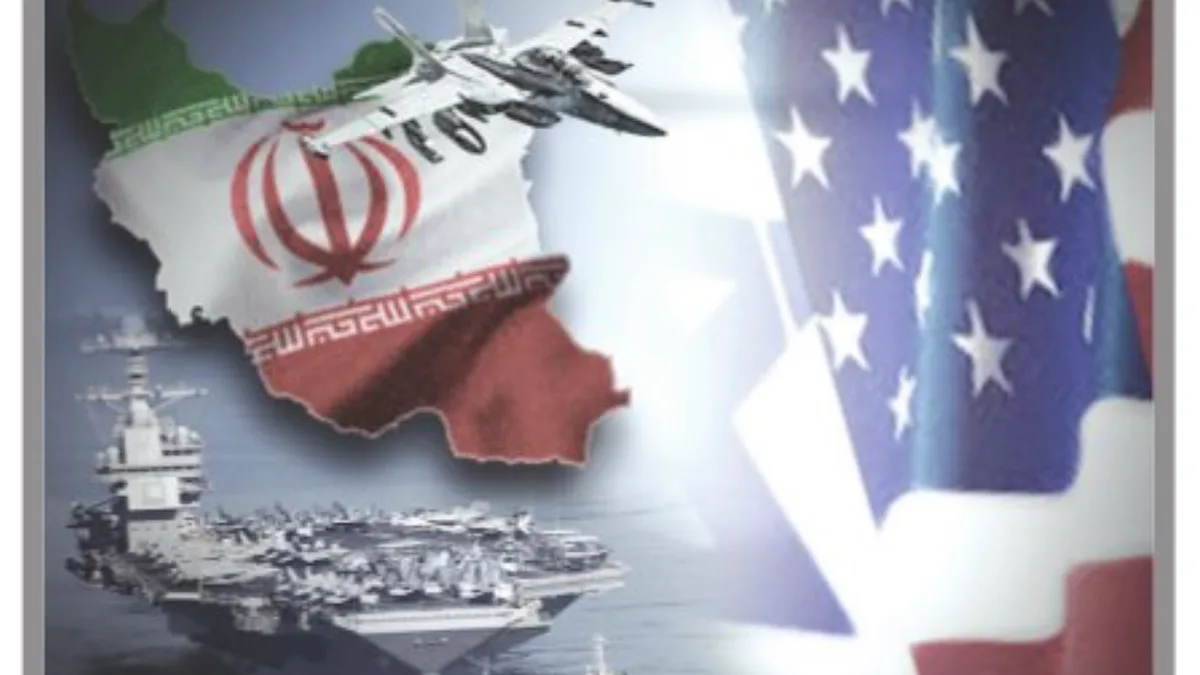
It is after more than 100 days that both President Donald Trump and Iran have announced a peace deal, much to the world’s relief.
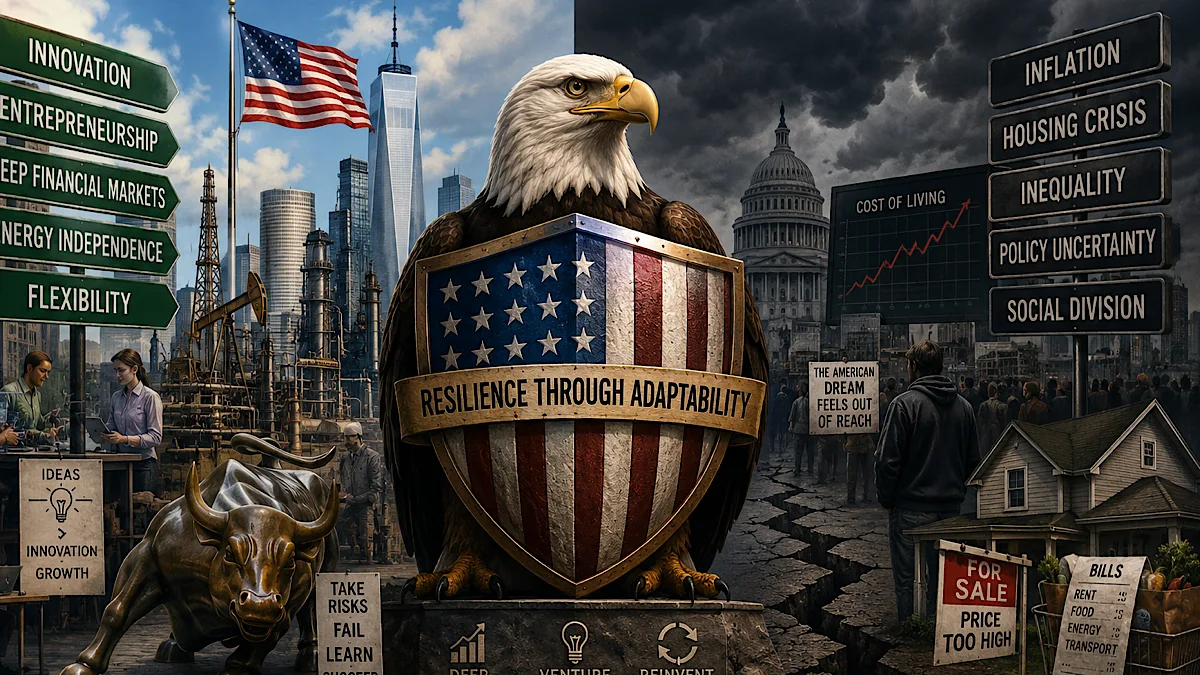
For much of the past year, economists have been waiting for the American economy to stumble. It has been hit by tariffs, labour disruptions, geopolitical tensions and renewed inflationary pressures.
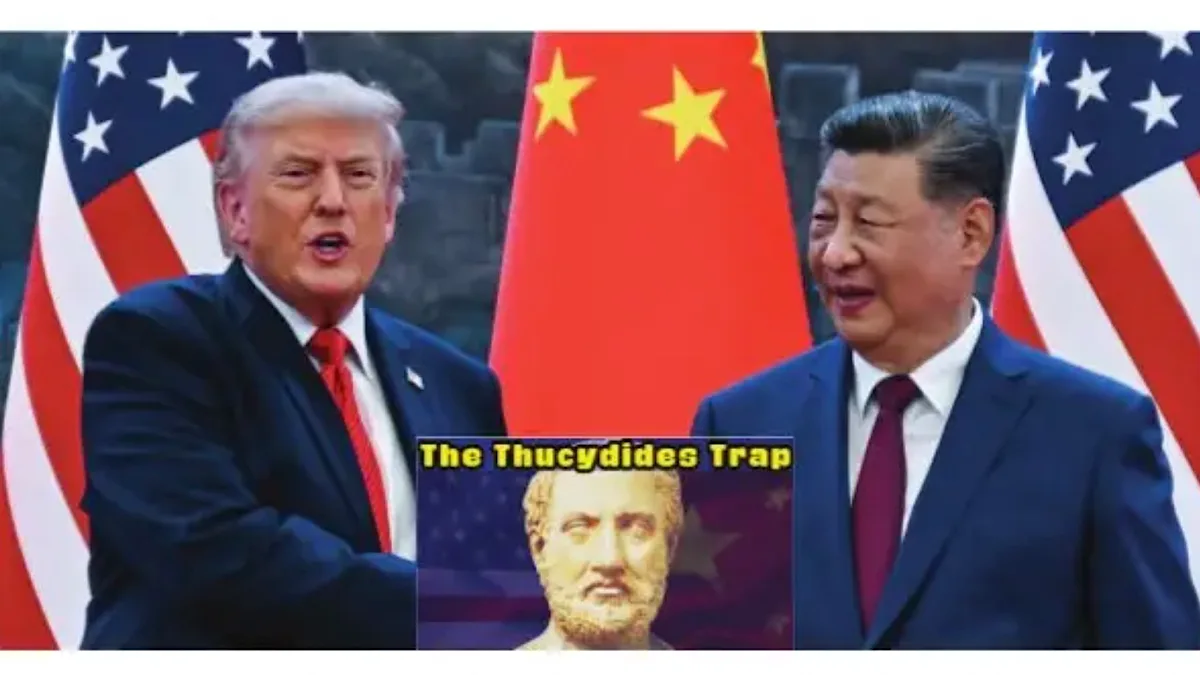
Xi Jinping at his meeting with Donald Trump on 14-15 May 2026 in Beijing referred to the Thucydides Trap, a metaphor that refers to the inherent tensions and perils when an established power is challenged by a rising power.
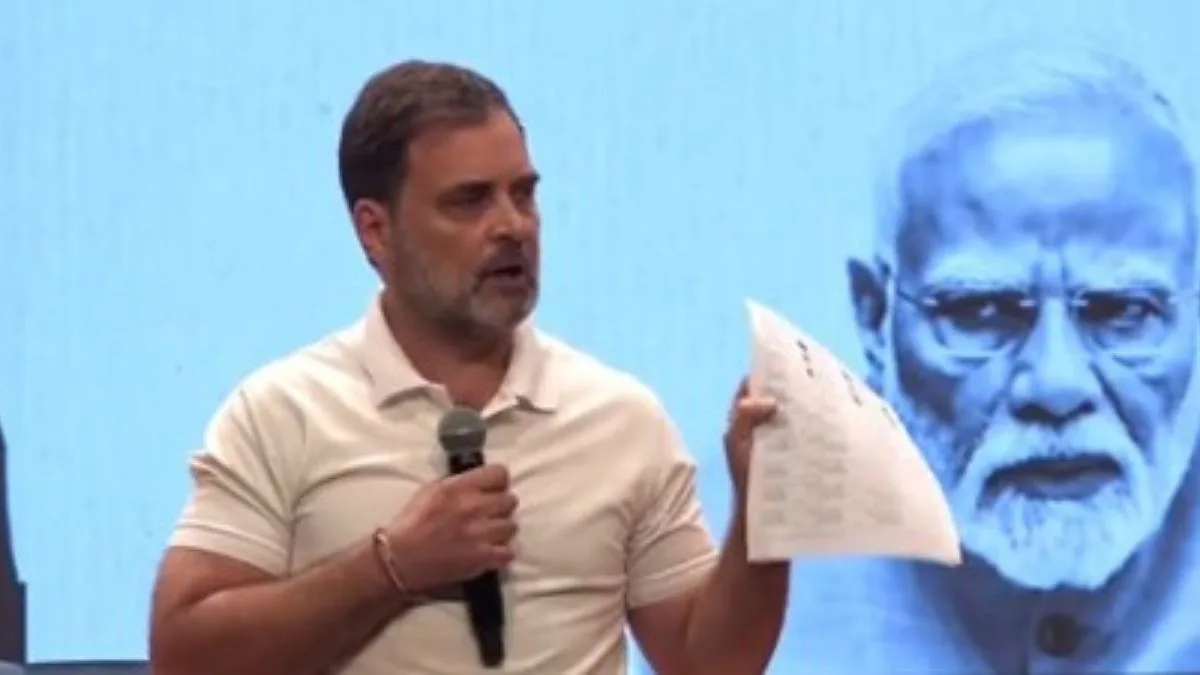
The confrontation between Congress leader Rahul Gandhi and the Election Commission of India has opened a troubling new chapter in the political discourse of the country.
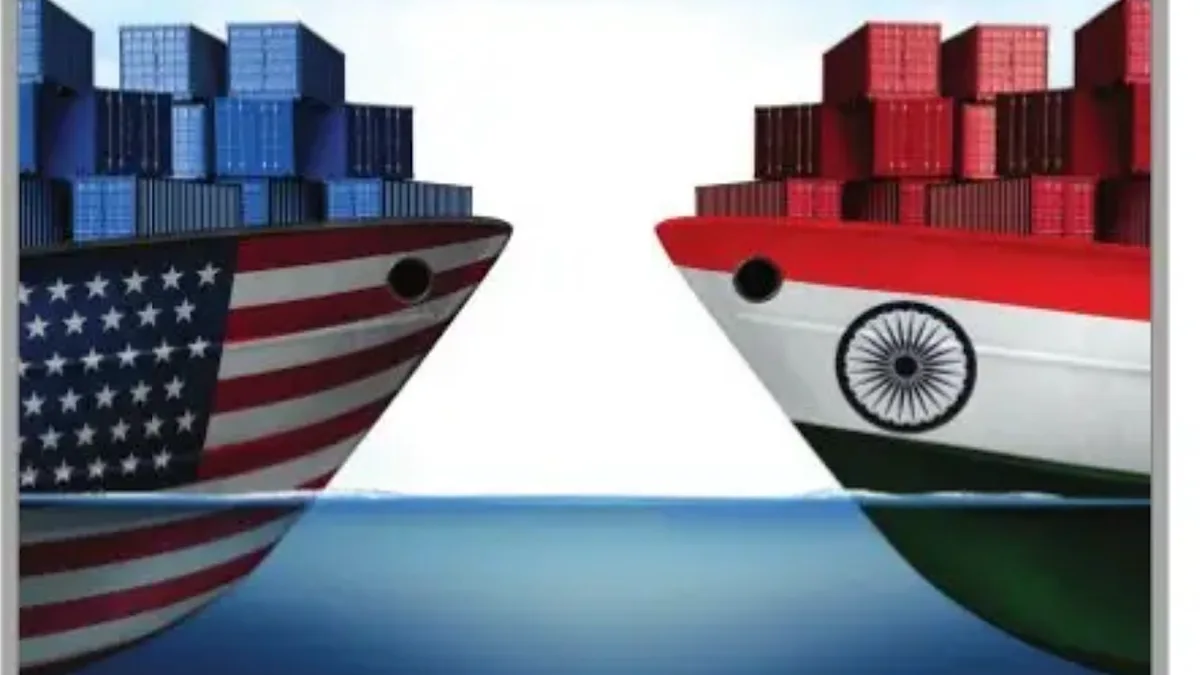
The US has suddenly woken up to the fact that India is unwilling to bend and grovel before it as most other nations.
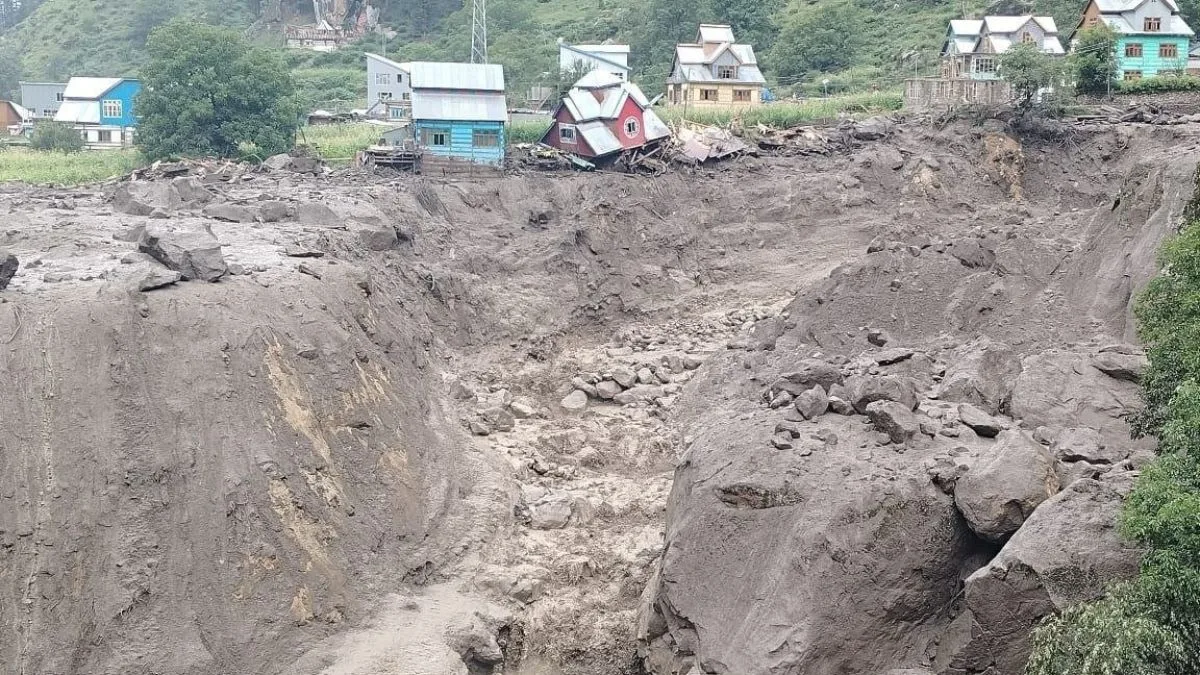
The tragedy in Kishtwar last week is a grim reminder that the Himalayan landscape, for all its beauty, is an increasingly fragile theatre for human life.
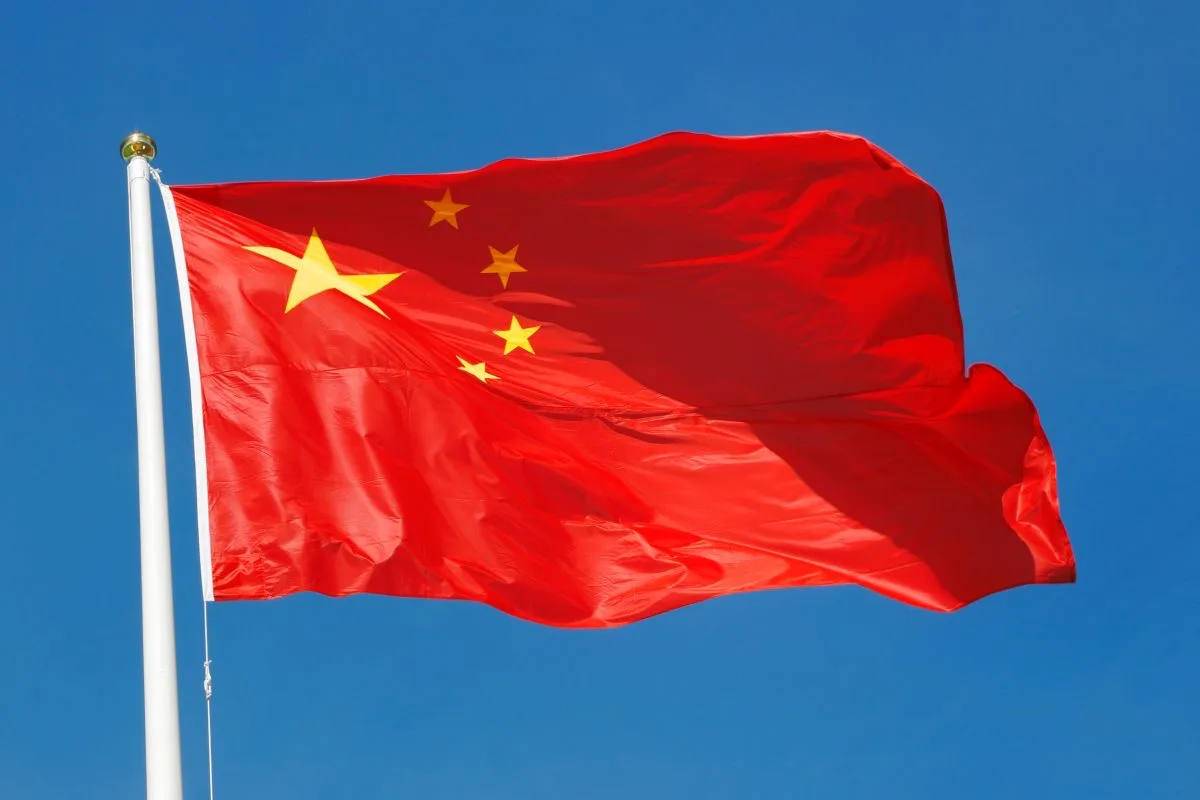
When China abruptly tightened exports of rare-earth elements earlier this year, the reverberations were immediate.

Why is Trump targeting BRICS? Trump believes BRICS is challenging the existing world order which made America the hegemon. No one now believes that BRICS is merely a bigger talk shop or a meaningless acronym. Its vision of the new world order has rattled the West. Many Western analysts now argue that BRICS is visualising a world without the West