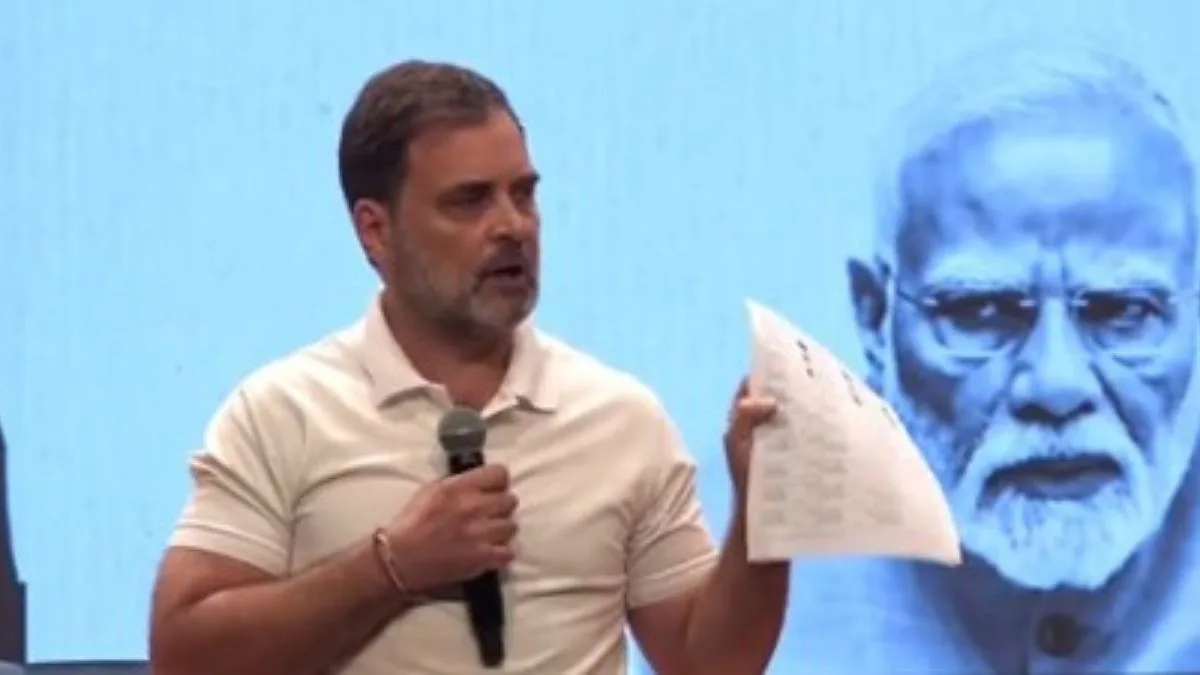
The confrontation between Congress leader Rahul Gandhi and the Election Commission of India has opened a troubling new chapter in the political discourse of the country. By accusing the Commission of colluding with the ruling party to “steal” votes, Mr Gandhi has hurled one of the gravest charges imaginable in a democracy. The Commission, in turn, has responded with unusual sharpness, demanding either an affidavit or an apology. What should have been a sober debate over the integrity of the electoral roll has now snowballed into a test of credibility between a constitutional body and the Leader of the Opposition. Mr Gandhi’s allegations are not without context. Concerns about inflated or manipulated voter lists have been part of Indian elections for decades.
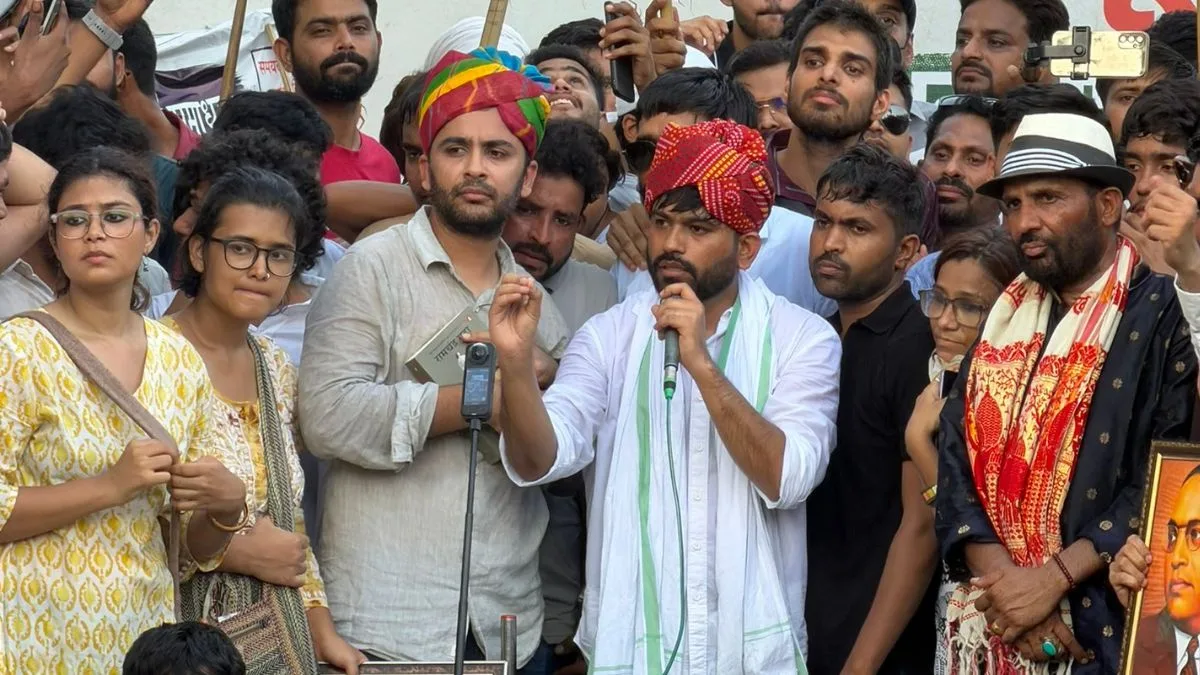
The problem lies in the manner of his campaign. Instead of placing evidence on record through the mechanisms available ~ such as election petitions or formal objections to the rolls ~ he has chosen to bypass due process and escalate his claims through mass rallies and social media. This strategy creates suspicion but offers little in terms of legal remedy. The Election Commission, for its part, has sought to project strength by issuing a stark ultimatum. The insistence on an oath or apology, however, risks sending out the impression that the institution is more interested in protecting its reputation than in calmly addressing legitimate queries.
Advertisement
A constitutional body that has long enjoyed public trust must remember that credibility is reinforced by openness, not by defensiveness. Electoral rolls, by their very nature, are prone to clerical errors, duplication, and manipulation at the margins. Political parties of every hue have historically tried to exploit this. To pretend otherwise is to overlook the lived history of Indian democracy. What is needed is not a shouting match between institutions and opposition leaders, but a transparent mechanism that addresses doubts with facts, timelines, and accountability. The danger of the present standoff is that it reduces a systemic issue into a personal duel. The Congress has taken a maximalist stance by painting the entire democratic edifice as compromised.
The Commission, instead of engaging with the data calmly, has allowed itself to appear combative. In the process, the electorate ~ the constituency whose faith both sides claim to defend ~ has been left confused and polarised. Ultimately, Mr Gandhi’s campaign may succeed in energising his supporters, but unless backed by verifiable evidence it will remain a political slogan rather than a democratic corrective. The Commission, meanwhile, must recognise that every allegation, however ill-framed, is also an opportunity to reaffirm its transparency. Indian democracy has endured seven decades of turbulence precisely because its institutions were able to command trust despite imperfections. That trust must not be squandered in the heat of political battle.