Sea Change
India’s maritime ambitions cannot be measured by a ceremonial warship commissioning or ambitious infrastructure announcements alone.
When China abruptly tightened exports of rare-earth elements earlier this year, the reverberations were immediate.




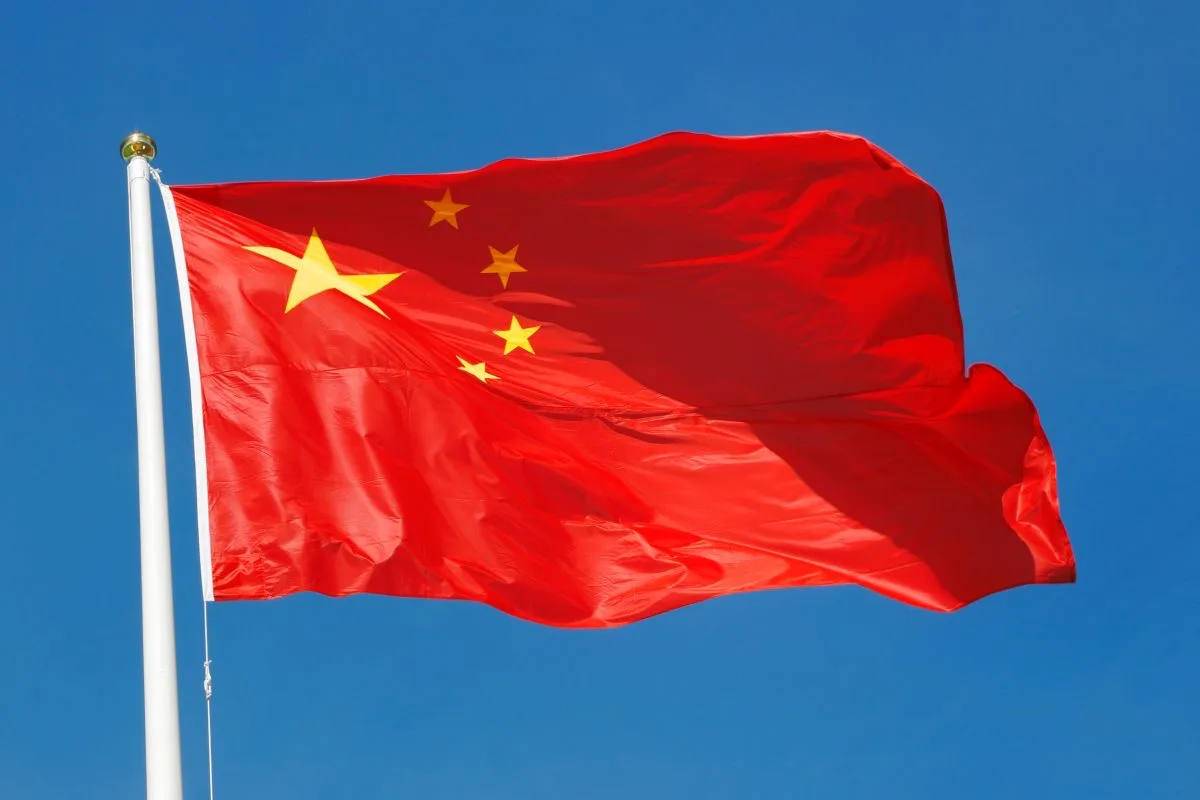
The national flag of the People's Republic of China
When China abruptly tightened exports of rare-earth elements earlier this year, the reverberations were immediate. Automakers announced curtailed production, electronics manufacturers scrambled for supplies, and policymakers denounced what they saw as coercive economic tactics. With more than 90 per cent of the world’s rare-earth refining capacity located in China, the initial panic was understandable.
Rare earths are embedded in almost every facet of modern technology ~ from the high-powered magnets in electric vehicles and wind turbines to the sophisticated systems inside missiles and fighter jets. Yet what looks like overwhelming leverage at first glance is also a trap. Every time Beijing brandishes its grip on rare earths, it sends shock waves that accelerate efforts to diversify supply chains. The last time China restricted shipments in 2010, Japan and several other countries poured resources into alternative mining, recycling, and substitution technologies.
Advertisement
That moment planted the seeds of today’s diversification drive. The current squeeze is likely to push the world even further down that path. India, in particular, has a rare chance to step forward. With large monazite reserves along its eastern coast and a state-owned firm already engaged in extraction, the country has the geological base to matter. What it has lacked is downstream muscle. That is now changing: New Delhi is courting Japanese and South Korean partners for advanced processing and exploring policy incentives for magnet manufacturing. For India’s own defence sector, which needs reliable supplies for missiles, radar and electronic warfare systems, reduced reliance on Chinese goods is a strategic imperative. If these moves align, India could emerge not only as a supplier for global markets but also as a more self-reliant security power. The short-term costs of this transition will be real. Rare-earth separation facilities are complex, capital-intensive, and environmentally fraught.
Advertisement
Heavy elements such as dysprosium and terbium remain difficult to source outside China, and prices are likely to remain volatile for some time. For defence contractors and electric vehicle manufacturers, the adjustment will mean higher costs and supply jitters in the next two to three years. But the long-term trajectory is clear: China’s dominance is strongest when the rest of the world remains complacent. By weaponising its advantage, it forces others to invest, innovate, and collaborate. What was once taken for granted is now a strategic priority from Washington to Brussels to New Delhi. Recycling initiatives are scaling up, stockpiling strategies are being refined, and substitution research is accelerating.
China may still enjoy an edge in geology, infrastructure, and industrial know-how. But its own actions risk eroding that edge. Instead of binding the world to its supply chains, Beijing has given competitors a compelling reason to decouple. As new projects come online and technological dependence diminishes, the grip of coercion will inevitably weaken. The lesson is as old as geopolitics: a weapon that is brandished too often eventually loses its power. By turning rare earths into a tool of economic pressure, China may be hastening the day when they cease to be a tool at all.
Advertisement