Three reforms that can change India
As Prime Minister Narendra Modi completes 4,399 days in office, India stands at a defining moment in its modern history.
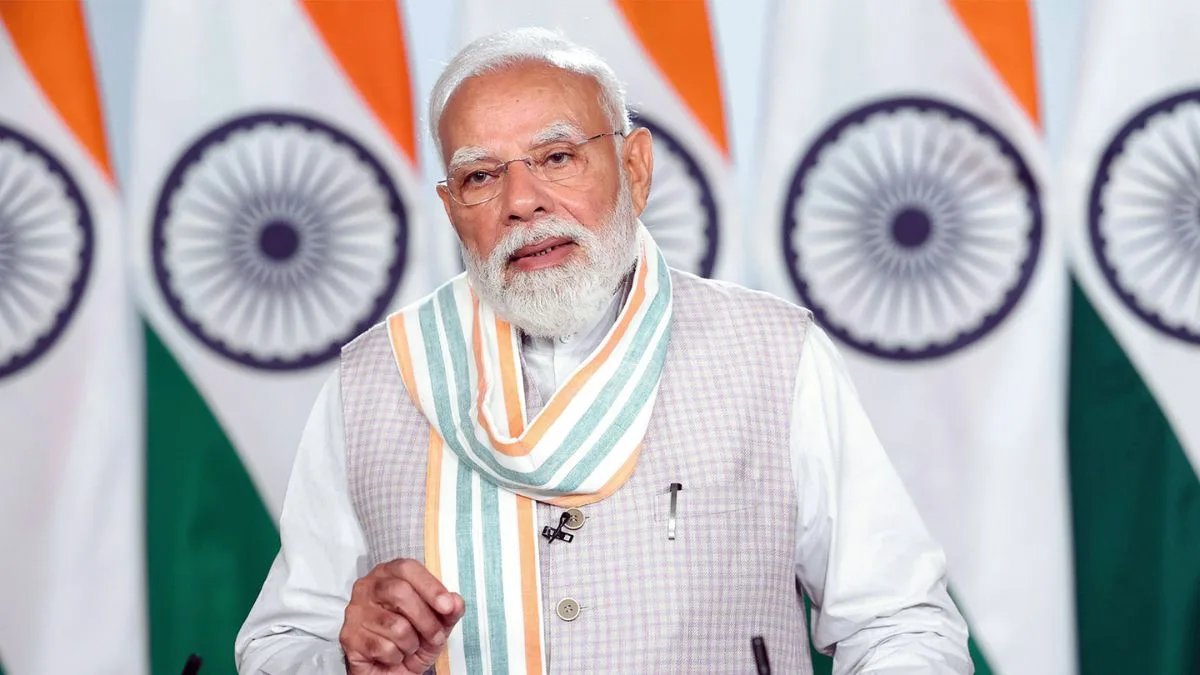
As Prime Minister Narendra Modi completes 4,399 days in office, India stands at a defining moment in its modern history.
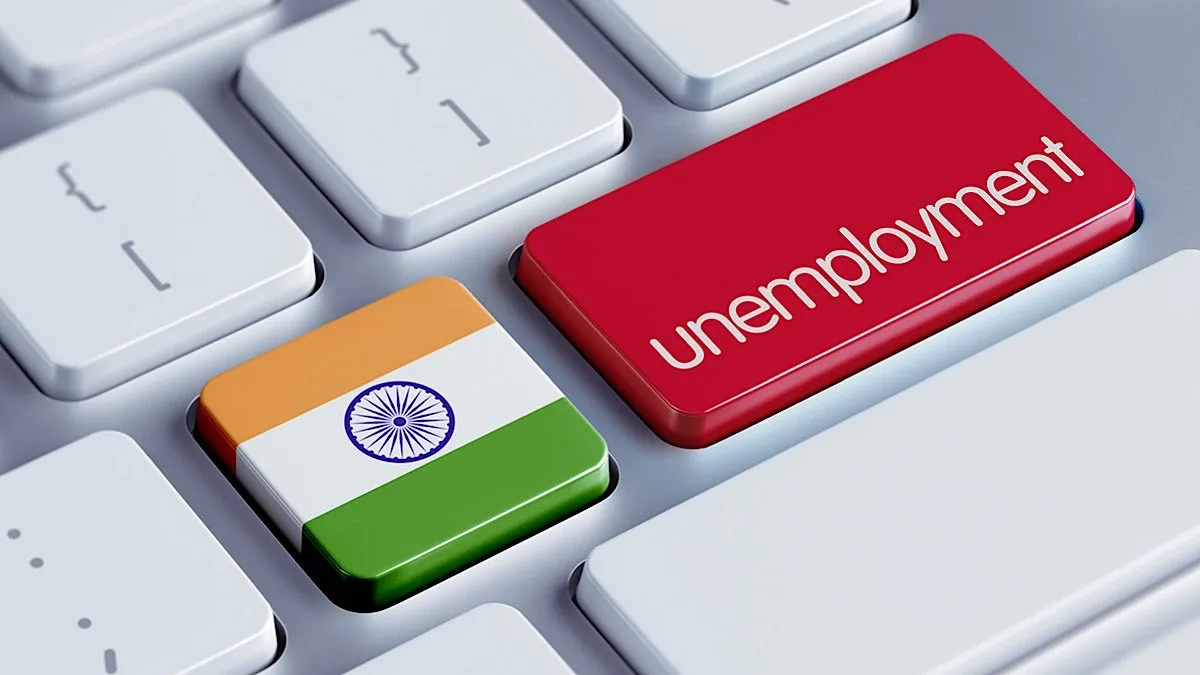
India’s demographic profile has long been presented as an economic advantage.

For much of the past two years, investors appeared willing to suspend disbelief.

Between light and shadow lies our reality, a land where triumph and fragility walk side by side.
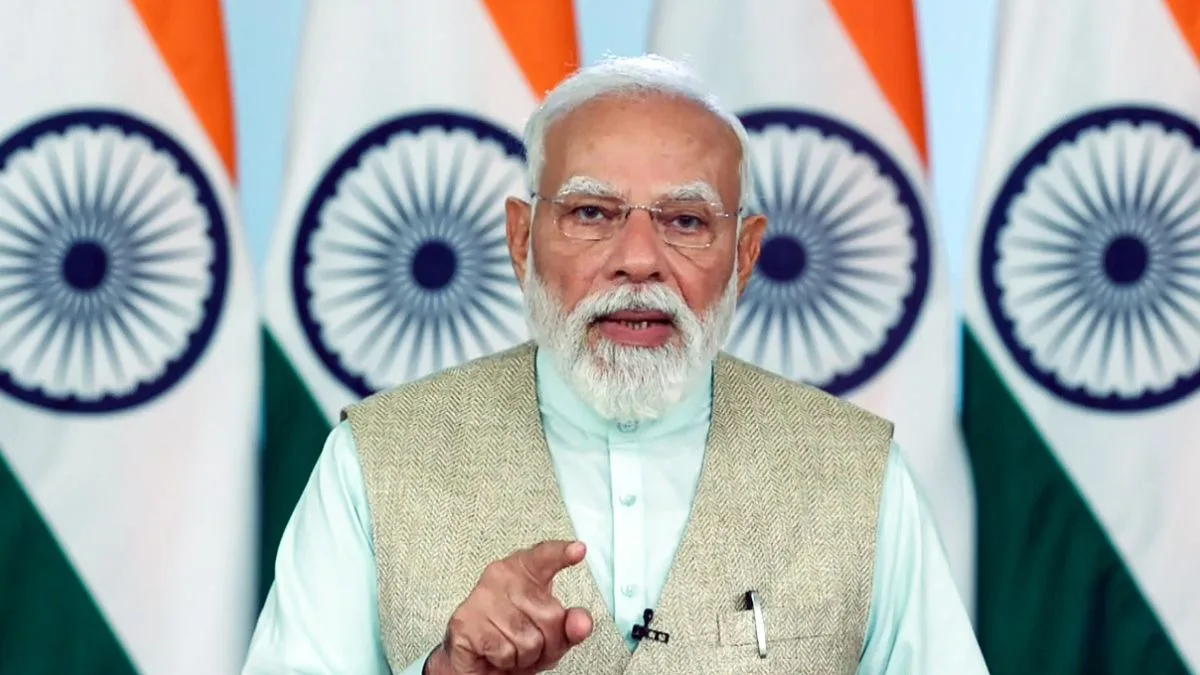
Many congratulations to Prime Minister Narendra Modi for reaching a historic milestone - the longest- serving elected Prime Minister in Indian history, with 4,399 consecutive days in office since first taking the oath of office on 26 May 2014.
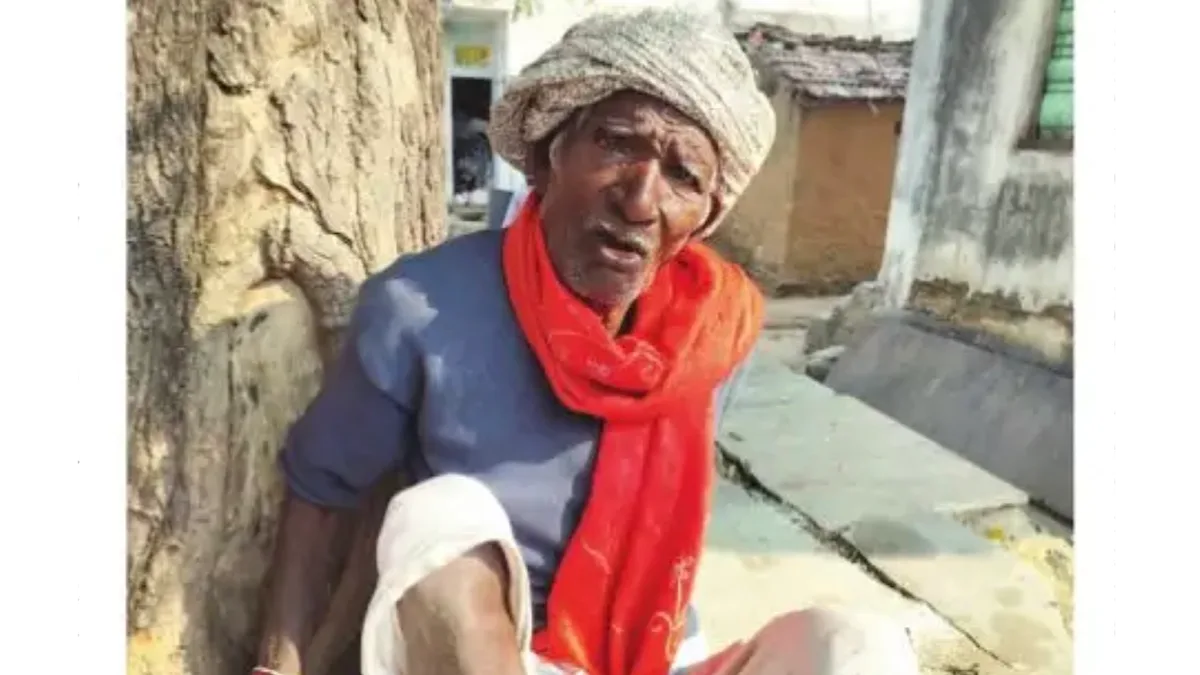
A neglected aspect of health and development initiatives in rural areas is that the needs of elderly people, particularly those from weaker sections, do not get adequate attention.

Russian President Vladimir Putin’s visit to New Delhi was choreographed to convey a message that went far beyond ceremonial optics.

The rupee drifting beyond the 90-per-dollar mark is not merely another data point in the market’s daily churn.

There is no institutional mechanism that facilitates closely coordinated actions between the states and the Centre. Many times, there are varying and sometimes conflicting perspectives, understanding and positions on important water issues between states and the Centre, or across various states.

Indian democracy is a reflection of the world's largest public will. Here, elections are not just confined to change of power, but a sacred national ritual – where every vote serves as the pulsation of a healthy democratic system.