Three reforms that can change India
As Prime Minister Narendra Modi completes 4,399 days in office, India stands at a defining moment in its modern history.
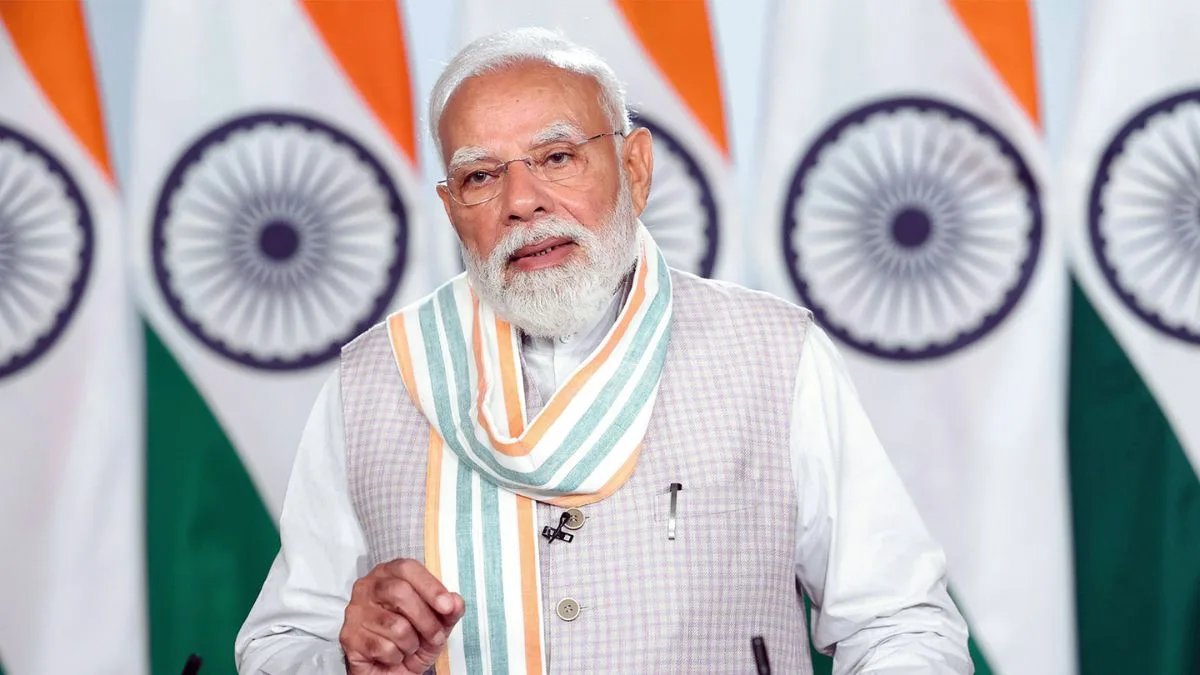
As Prime Minister Narendra Modi completes 4,399 days in office, India stands at a defining moment in its modern history.
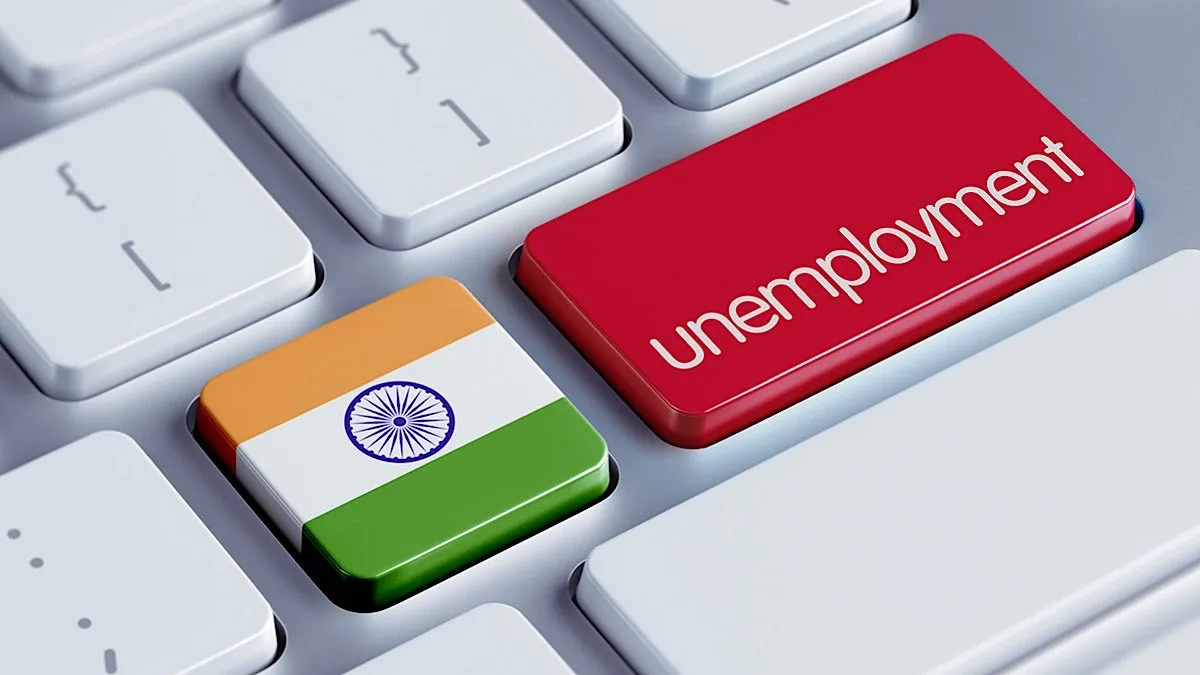
India’s demographic profile has long been presented as an economic advantage.

For much of the past two years, investors appeared willing to suspend disbelief.

Between light and shadow lies our reality, a land where triumph and fragility walk side by side.
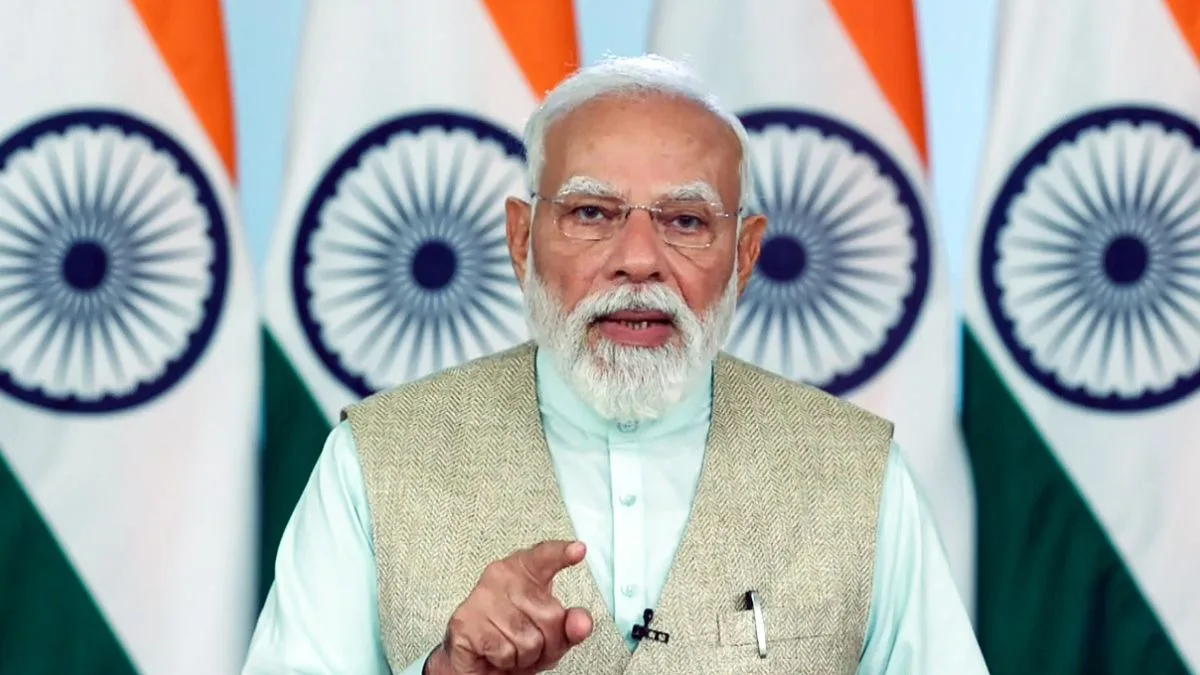
Many congratulations to Prime Minister Narendra Modi for reaching a historic milestone - the longest- serving elected Prime Minister in Indian history, with 4,399 consecutive days in office since first taking the oath of office on 26 May 2014.

In a country with more than a billion mobile connections and a flourishing market for cloned or illegally resold phones, tools that strengthen device verification and curb cyber fraud can be genuinely useful.

Israel’s announcement that the Rafah crossing will soon reopen for Palestinians seeking to leave Gaza has been framed as a gesture of support for the ongoing ceasefire.
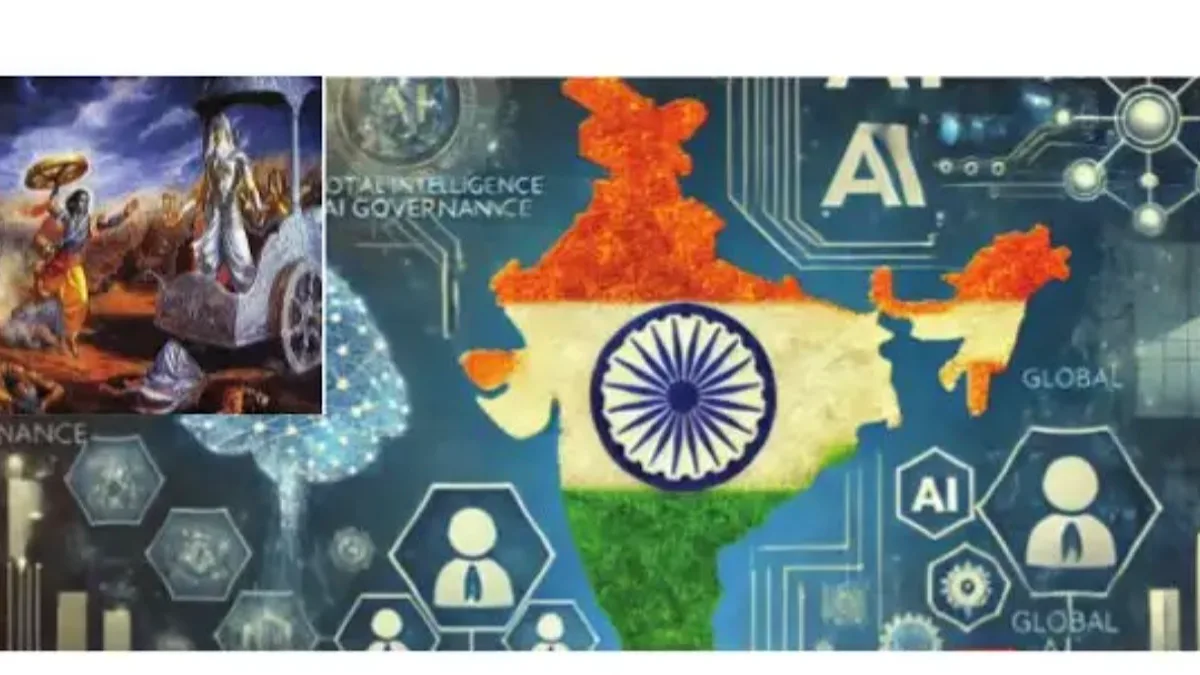
The effects of misinformation are explicit in the epic Mahabharata; when Dharmaraj Yudhisthira said stoically, “Ashwatthama Hatah Naro va Kunjaro va” amidst the war drums as orchestrated by Lord Krishna, which led to the overpowering and killing of the weaponless, otherwise invincible guru Dronacharya.
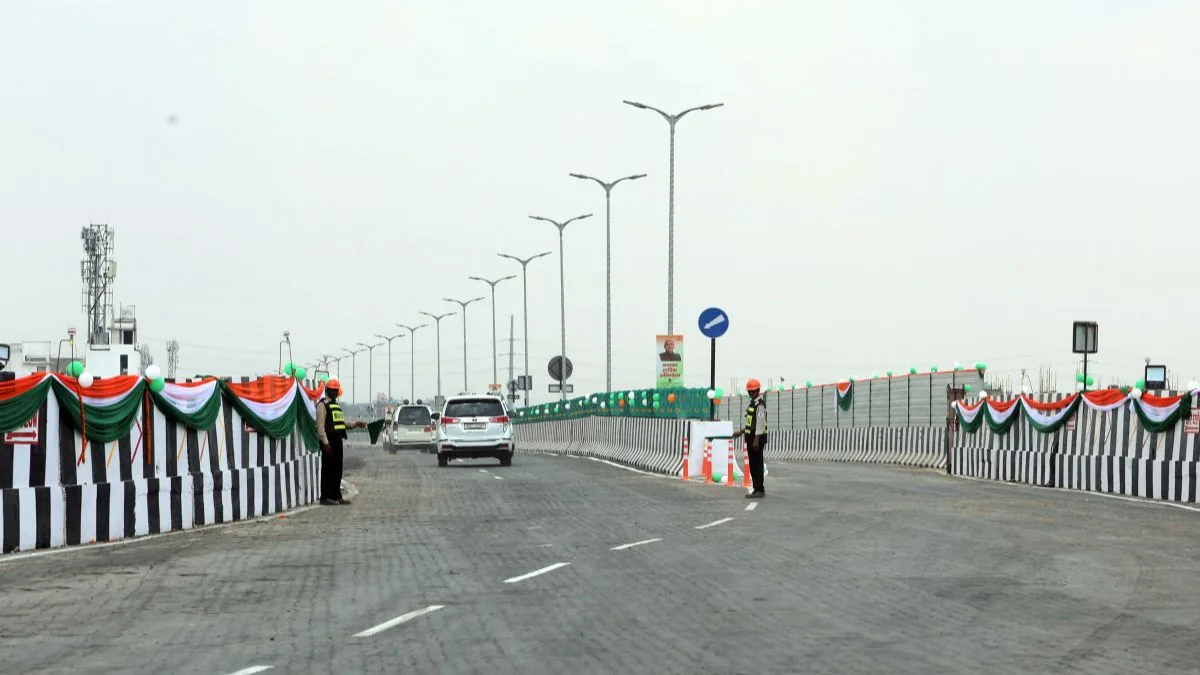
Despite major advancements in the road infratech sector, road congestion, safety concerns, climate resilience, and technological integration remain key challenges.

A new study examining 75 years of constitutional bench verdicts has opened an uncomfortable but necessary conversation: India’s highest court, even while expanding constitutional protections for Dalits, has often spoken in ways that perpetuate the very hierarchies it seeks to dismantle.