Striving for the Gandhian ideal
Generally, it is taken for granted that the journey on the path of development is accompanied by increasing urbanization.
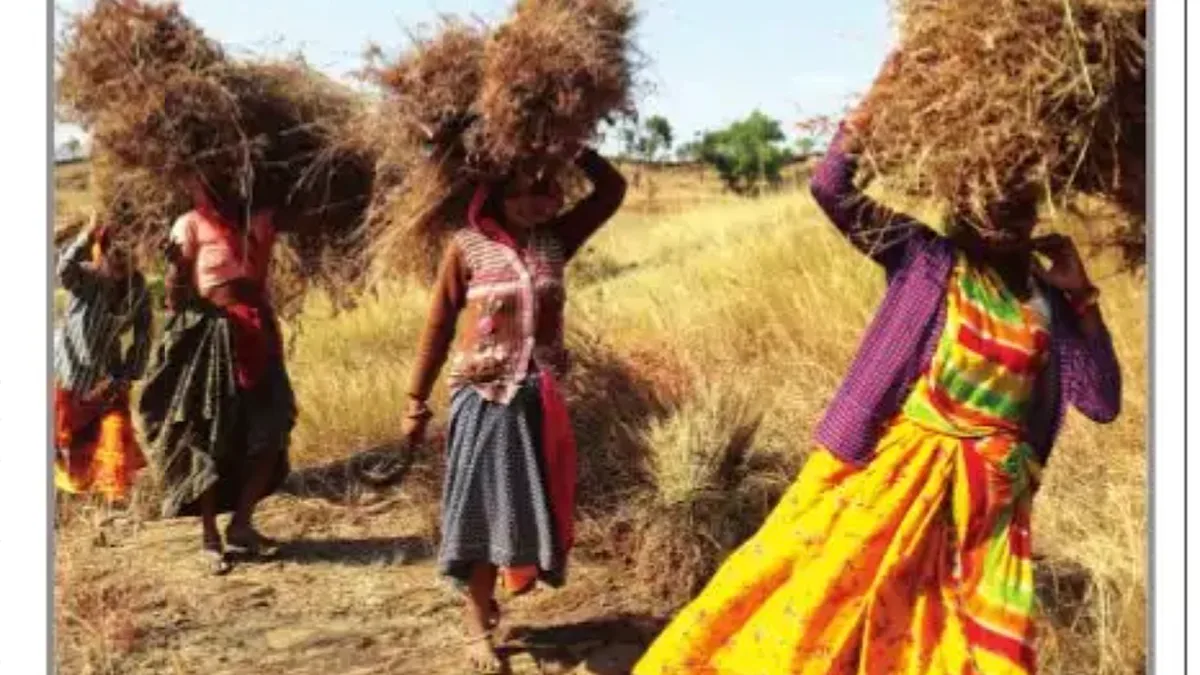
Generally, it is taken for granted that the journey on the path of development is accompanied by increasing urbanization.

A doctor and nursing staff at a Maharashtra hospital were allegedly assaulted by a local corporator, exposing a disturbing irony.

The barricading of the Shambhu border in Haryana to prevent farmers from travelling to Delhi raises a question larger than the protest itself.
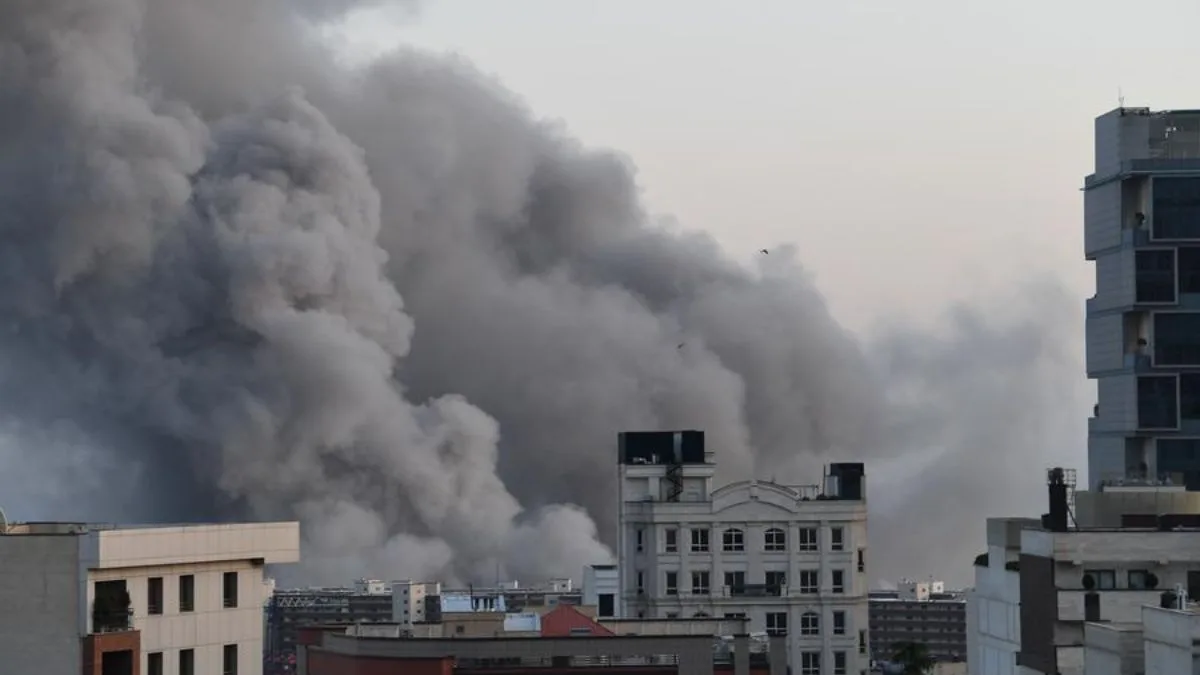
The renewed war between the United States and Iran has again placed American and Israeli military interests on apparently common ground.
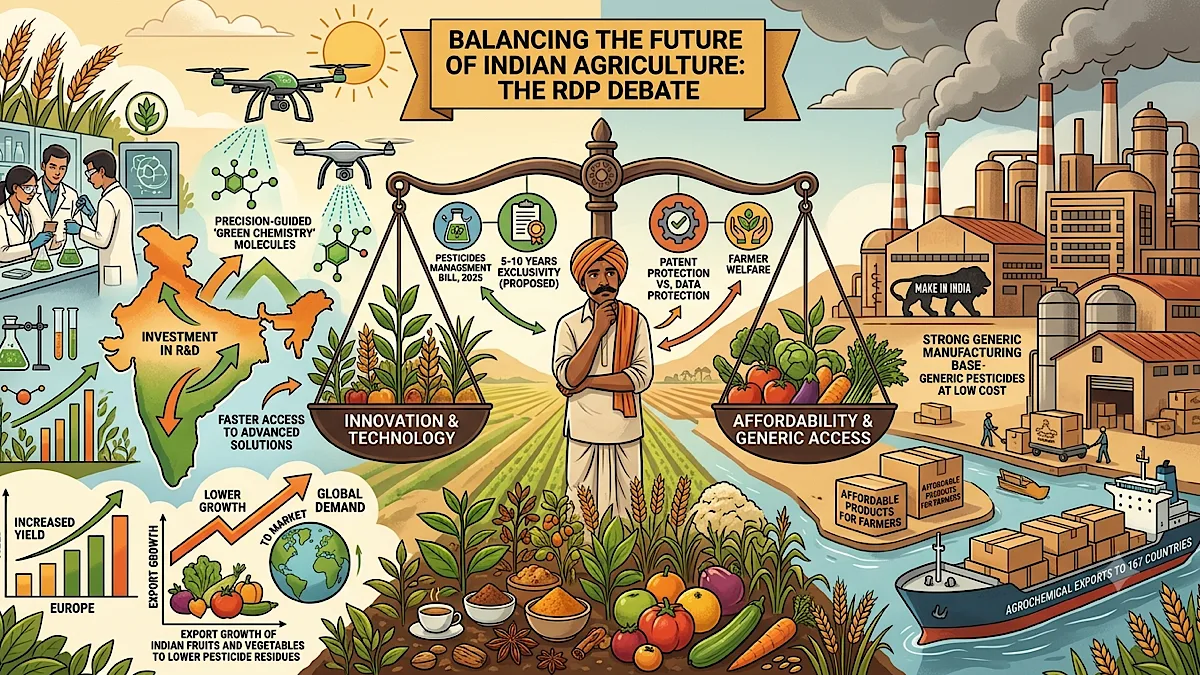
India’s agrochemical industry, a major global hub for crop protection product manufacturing, is at the heart of a significant policy discussion that could shape the future of agricultural innovation, domestic production, exports, and farmer welfare.

Across the world, governments are confronting a defining challenge of our time: how to foster sustainable economic growth, social resilience, and innovation in an era of rapid technological change, demographic shifts, and global uncertainty.
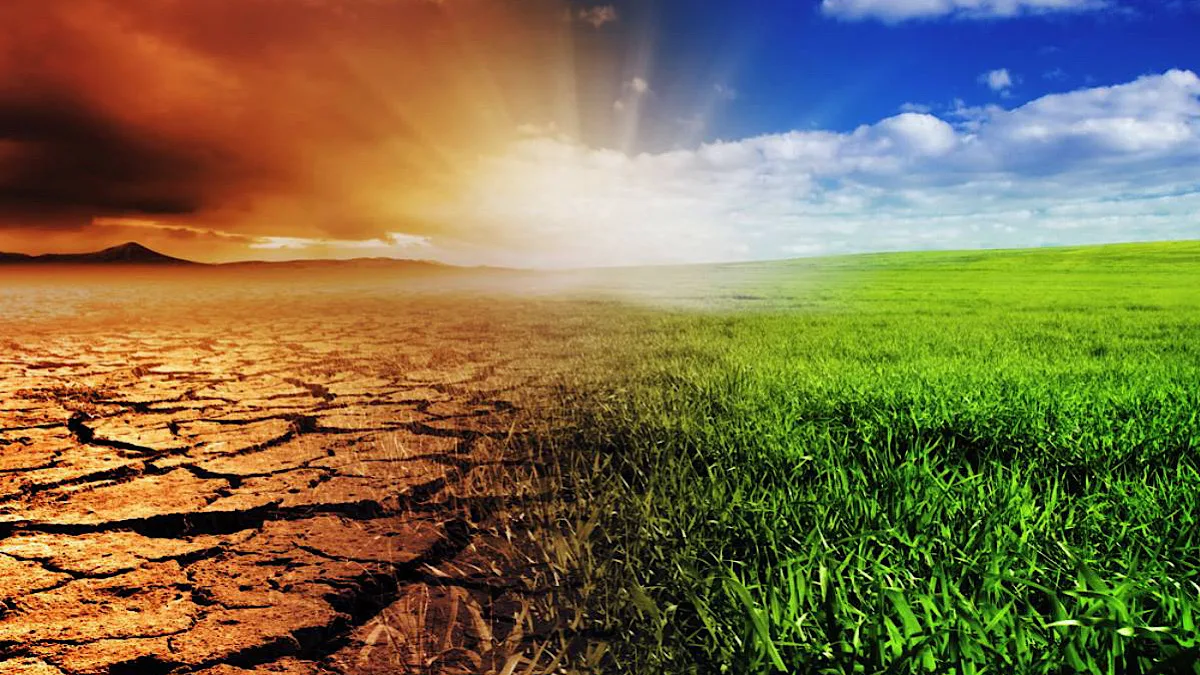
The most telling measure of today’s climate crisis is not the headline temperature spike or the spectacle of a heatwave, but a quieter, more consequential shift: the Earth is now consistently absorbing more energy than it releases.
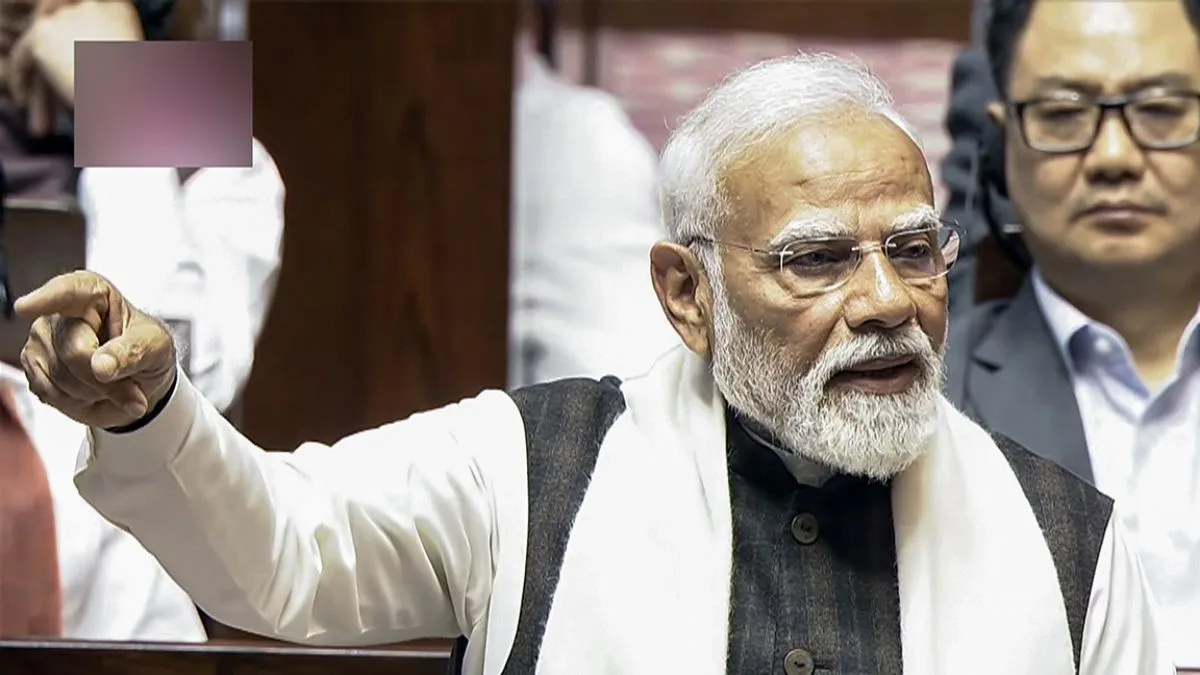
When Prime Minister Narendra Modi addressed Parliament on the unfolding crisis in West Asia, the emphasis was not on rhetoric but on calibration.
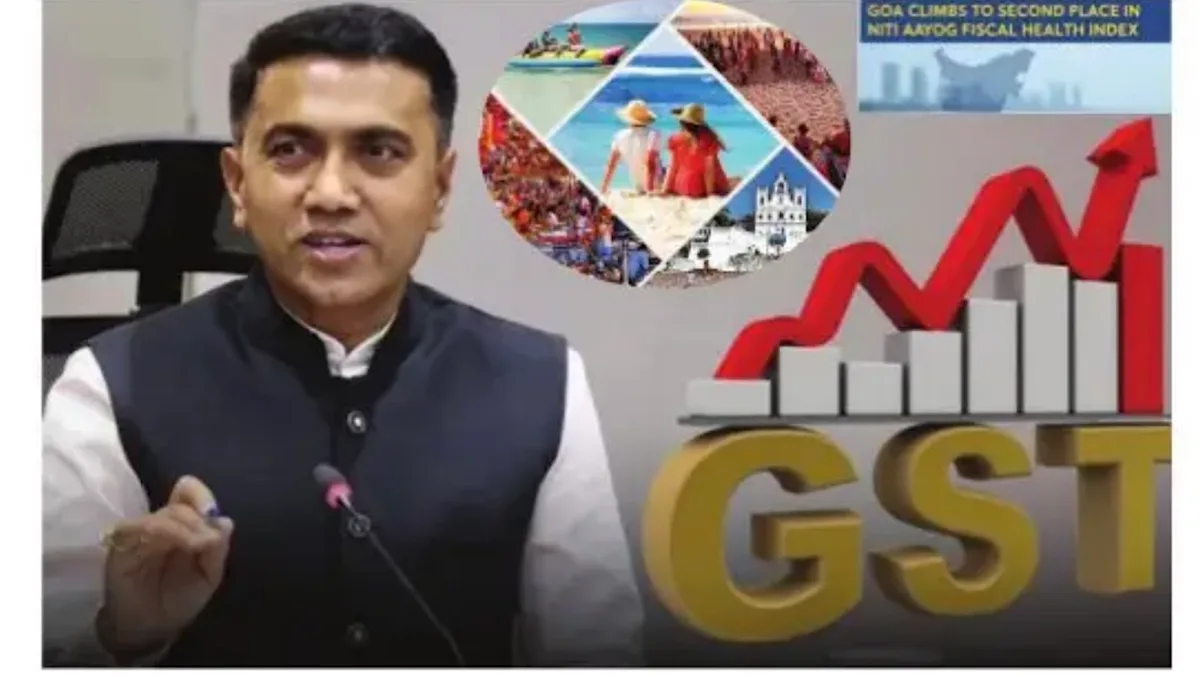
Goa’s rise to the upper echelons of NITI Aayog’s Fiscal Health Index ~ a 54.7 composite score that places it second nationally ~ is not a matter of luck or transient windfalls.

2 6 March 1973. During the 60th birthday celebration of Paul Erdős, Israeli mathematicians were denied entry into Hungary.