Striving for the Gandhian ideal
Generally, it is taken for granted that the journey on the path of development is accompanied by increasing urbanization.

Generally, it is taken for granted that the journey on the path of development is accompanied by increasing urbanization.

A doctor and nursing staff at a Maharashtra hospital were allegedly assaulted by a local corporator, exposing a disturbing irony.

The barricading of the Shambhu border in Haryana to prevent farmers from travelling to Delhi raises a question larger than the protest itself.
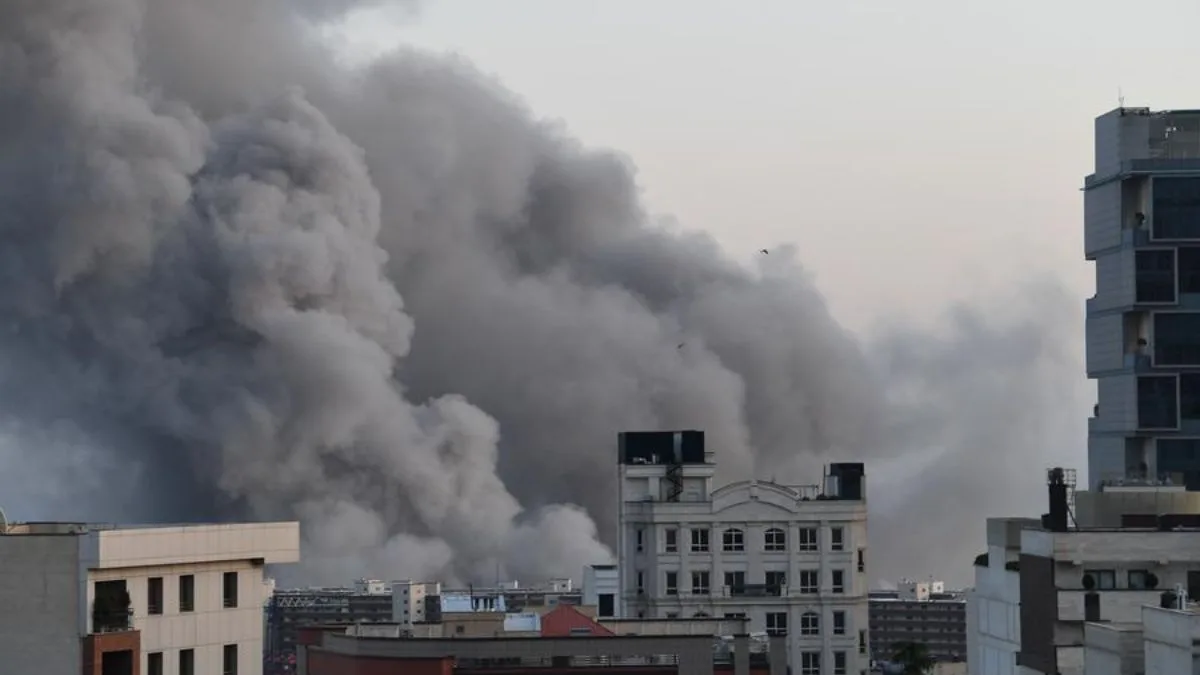
The renewed war between the United States and Iran has again placed American and Israeli military interests on apparently common ground.
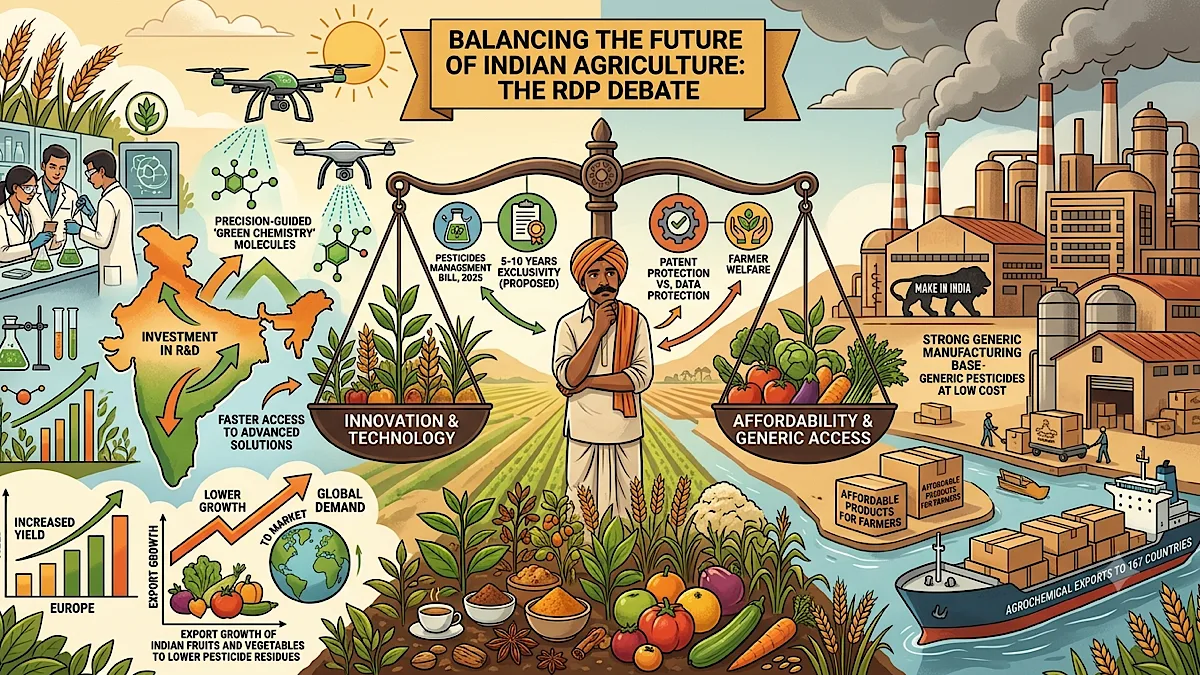
India’s agrochemical industry, a major global hub for crop protection product manufacturing, is at the heart of a significant policy discussion that could shape the future of agricultural innovation, domestic production, exports, and farmer welfare.
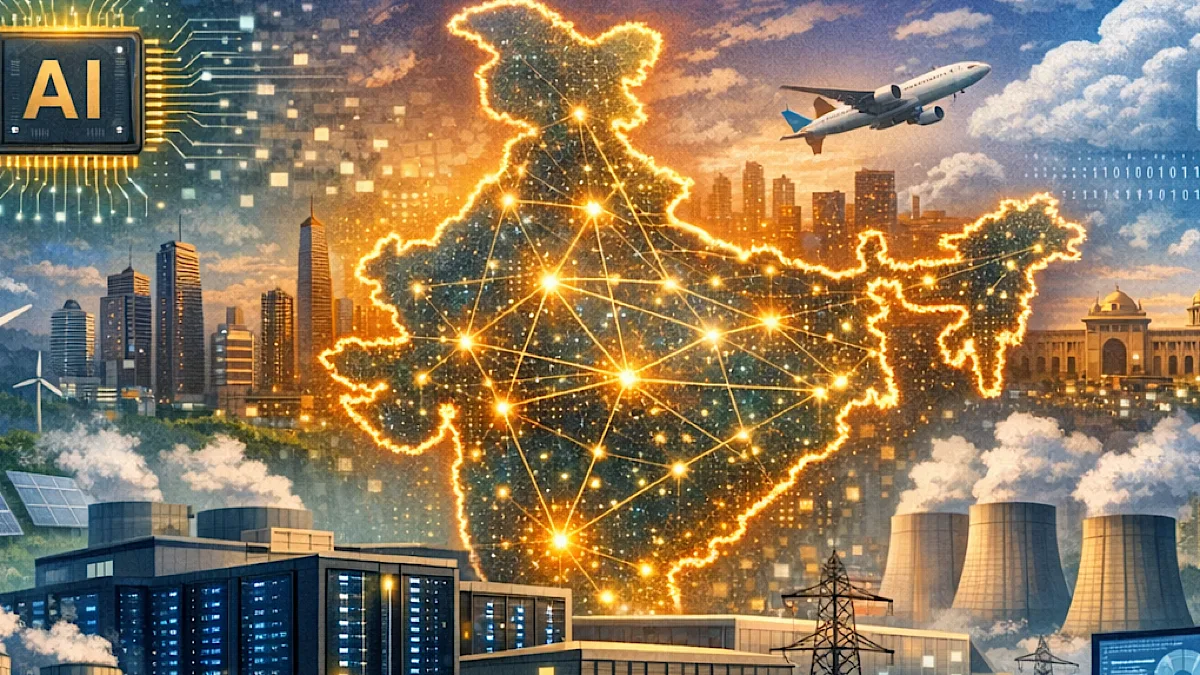
Walk into any modern city, and the markers of development are easy to spot: flyovers, metro lines, power grids, and airports.

In a constitutional democracy, citizenship is meant to be the most stable fact about a person’s political existence.

India’s latest attempt to reform corporate law marks a decisive shift in philosophy: from criminal prosecution to civil penalties.

The arrival of British universities on Indian soil is being framed as a natural evolution of global education.

The Gulf War has once again reminded the world of how fragile global supply chains and energy security can be.