Striving for the Gandhian ideal
Generally, it is taken for granted that the journey on the path of development is accompanied by increasing urbanization.
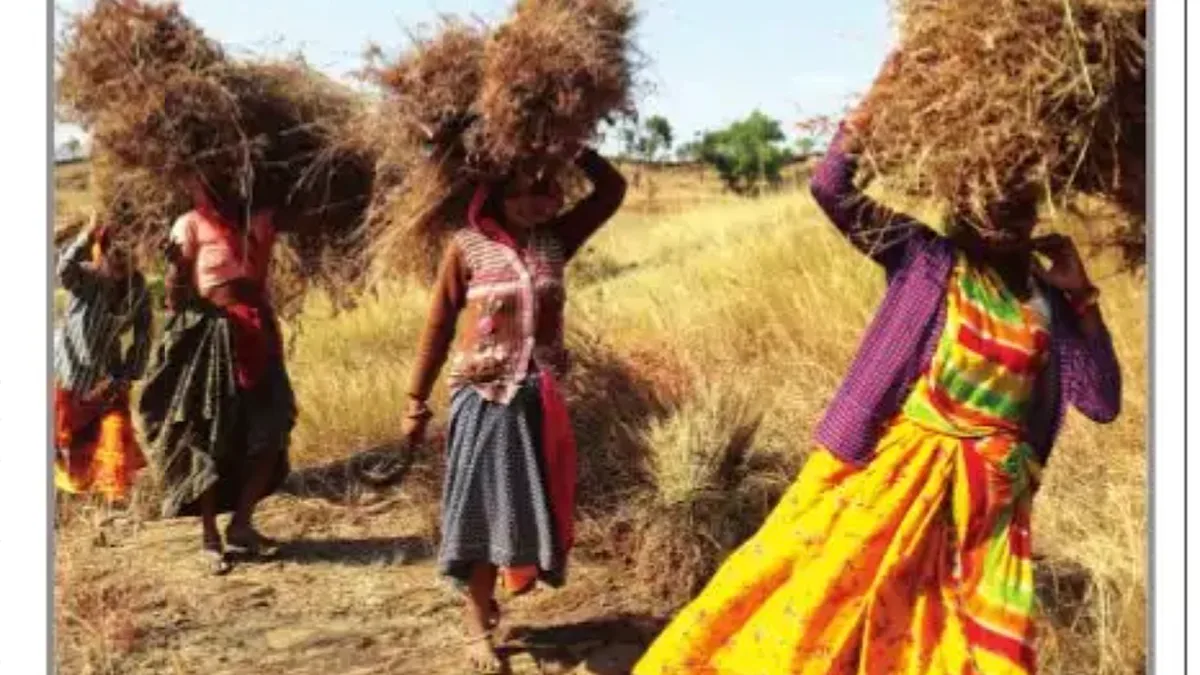
Generally, it is taken for granted that the journey on the path of development is accompanied by increasing urbanization.

A doctor and nursing staff at a Maharashtra hospital were allegedly assaulted by a local corporator, exposing a disturbing irony.
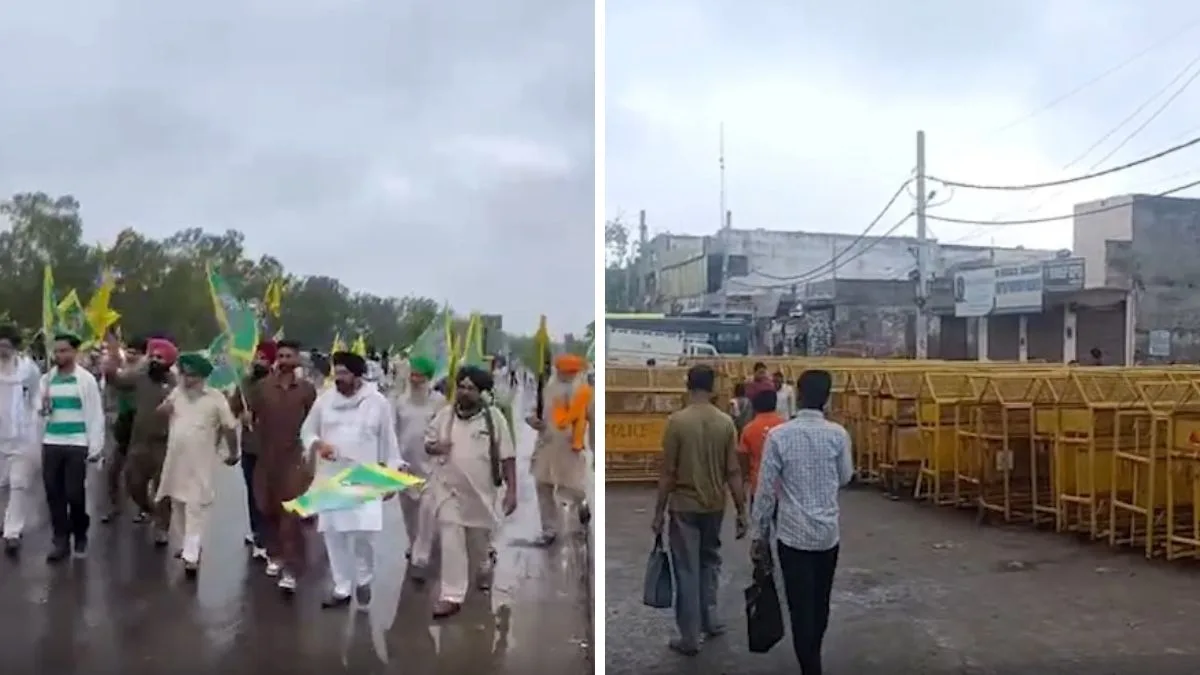
The barricading of the Shambhu border in Haryana to prevent farmers from travelling to Delhi raises a question larger than the protest itself.
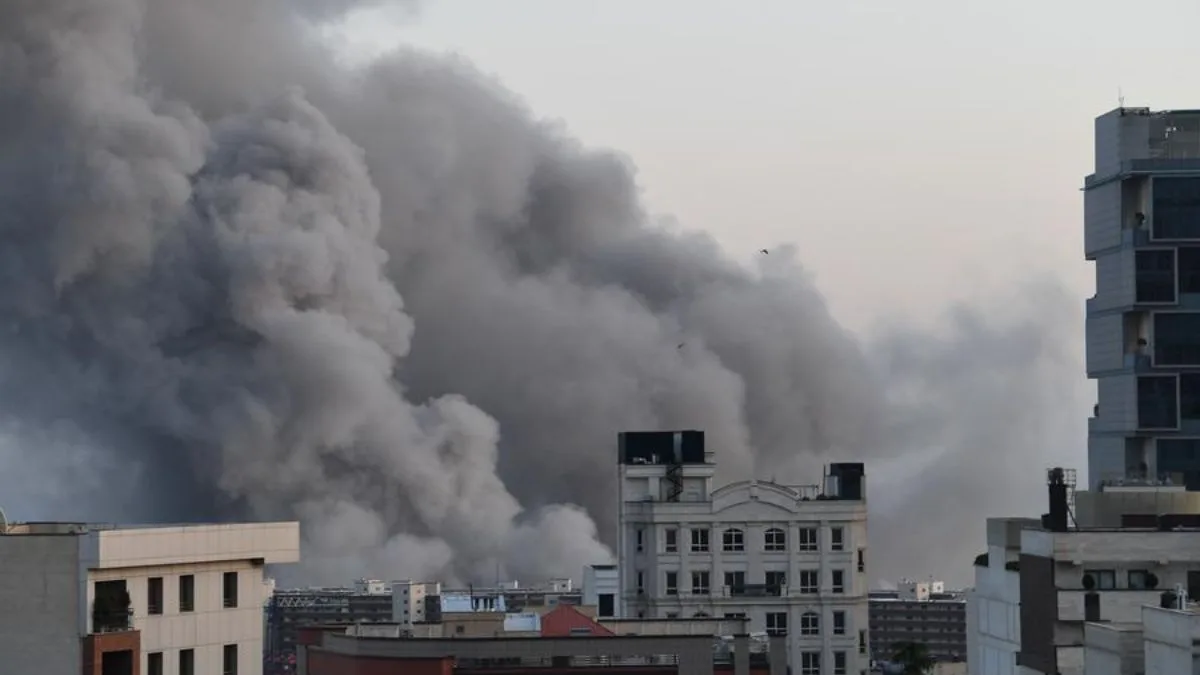
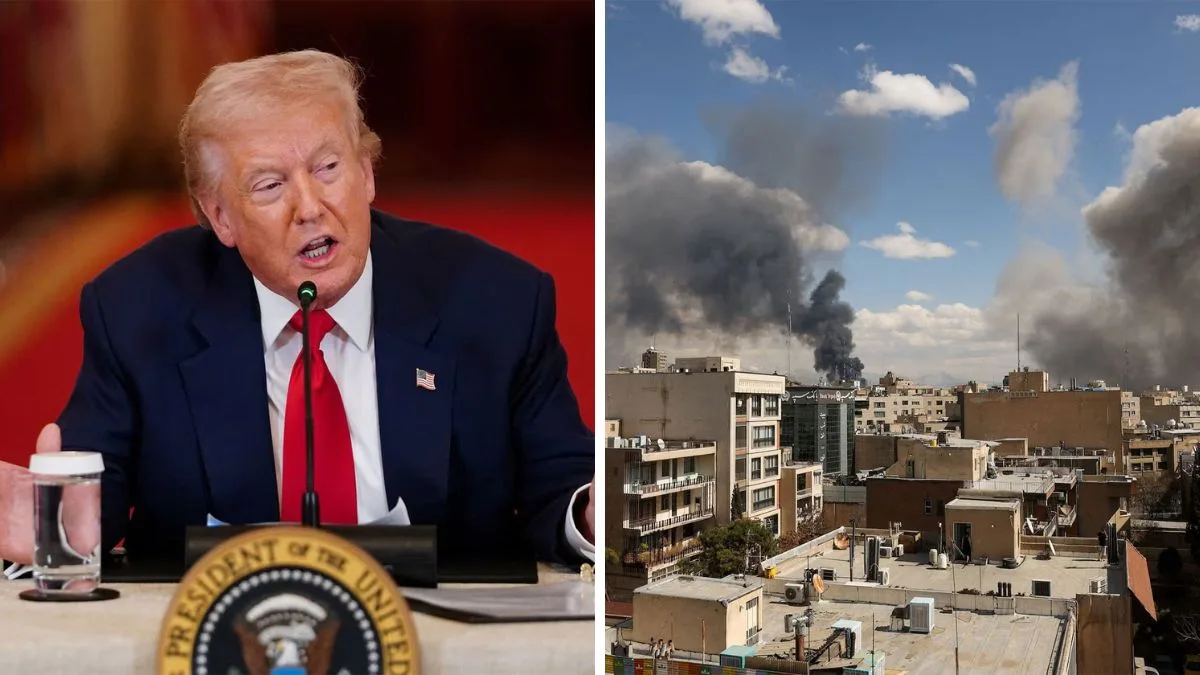
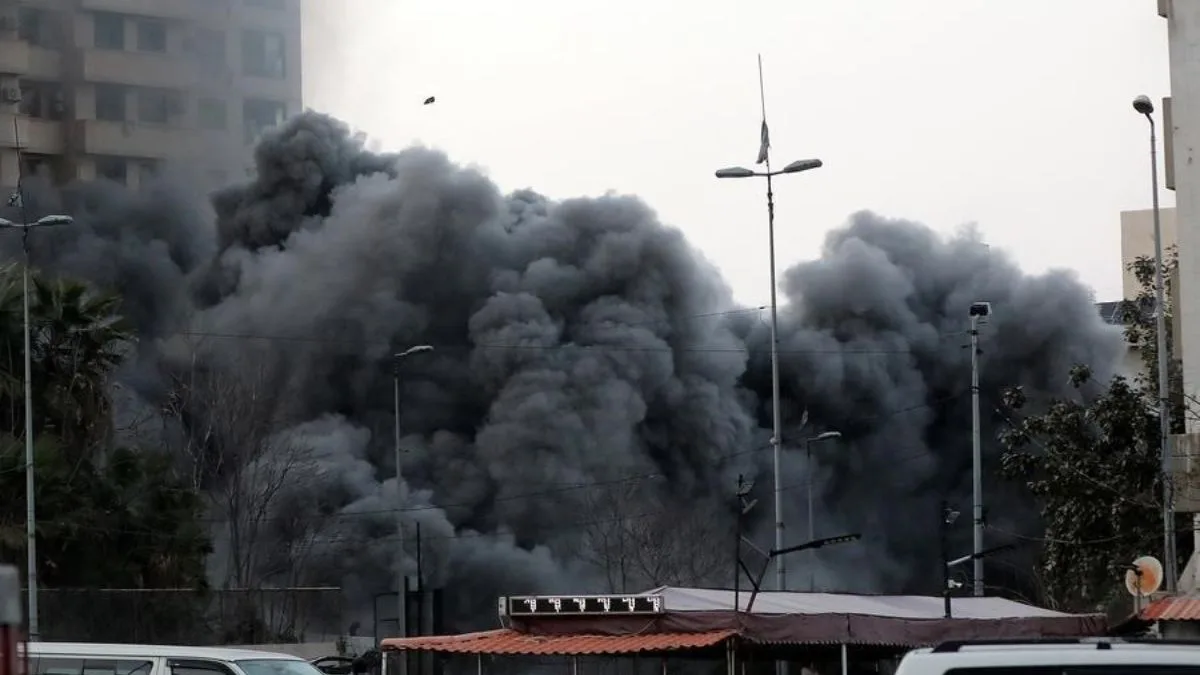
The renewed war between the United States and Iran has again placed American and Israeli military interests on apparently common ground.
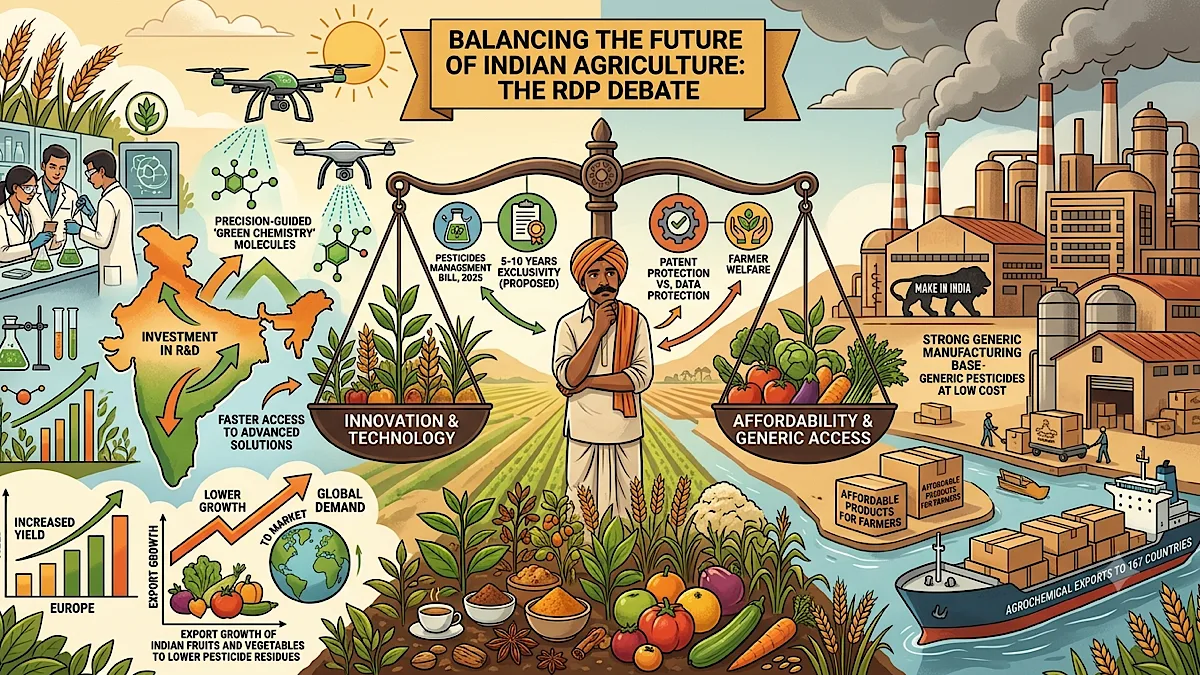
India’s agrochemical industry, a major global hub for crop protection product manufacturing, is at the heart of a significant policy discussion that could shape the future of agricultural innovation, domestic production, exports, and farmer welfare.

Resignation of the non-executive, independent Chairman of HDFC Bank Ltd. sent its share prices in a tailspin ~ declining by 5 per cent immediately, and reaching a sixteen year low within a fortnight.
When a downed fighter pilot is recovered from hostile terrain, it is tempting to see only a story of military competence and individual survival.

Most people don’t think of their chats or cloud storage as something tax authorities might access.

In his address to America last week, President Donald Trump stated that his ‘objectives are nearing completion’ in the war against Iran and that it could end in another couple of weeks.
India’s energy policy is often described in the language of “security”. That framing is comforting ~ and misleading.