Striving for the Gandhian ideal
Generally, it is taken for granted that the journey on the path of development is accompanied by increasing urbanization.
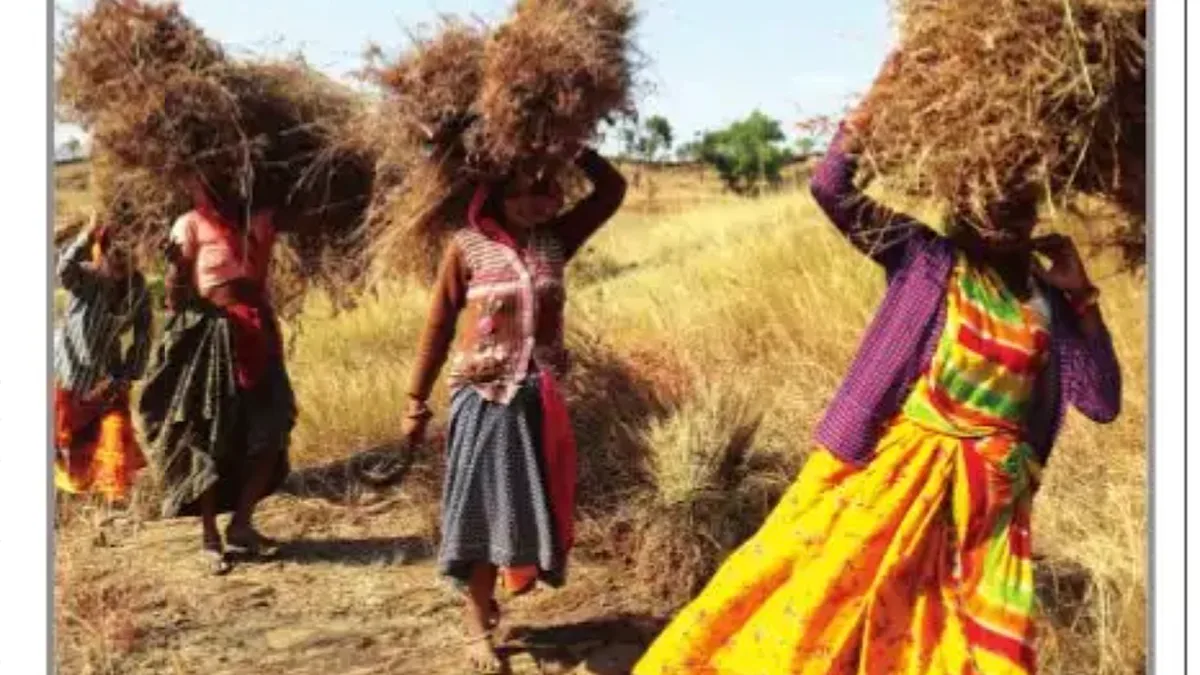
Generally, it is taken for granted that the journey on the path of development is accompanied by increasing urbanization.

A doctor and nursing staff at a Maharashtra hospital were allegedly assaulted by a local corporator, exposing a disturbing irony.

The barricading of the Shambhu border in Haryana to prevent farmers from travelling to Delhi raises a question larger than the protest itself.
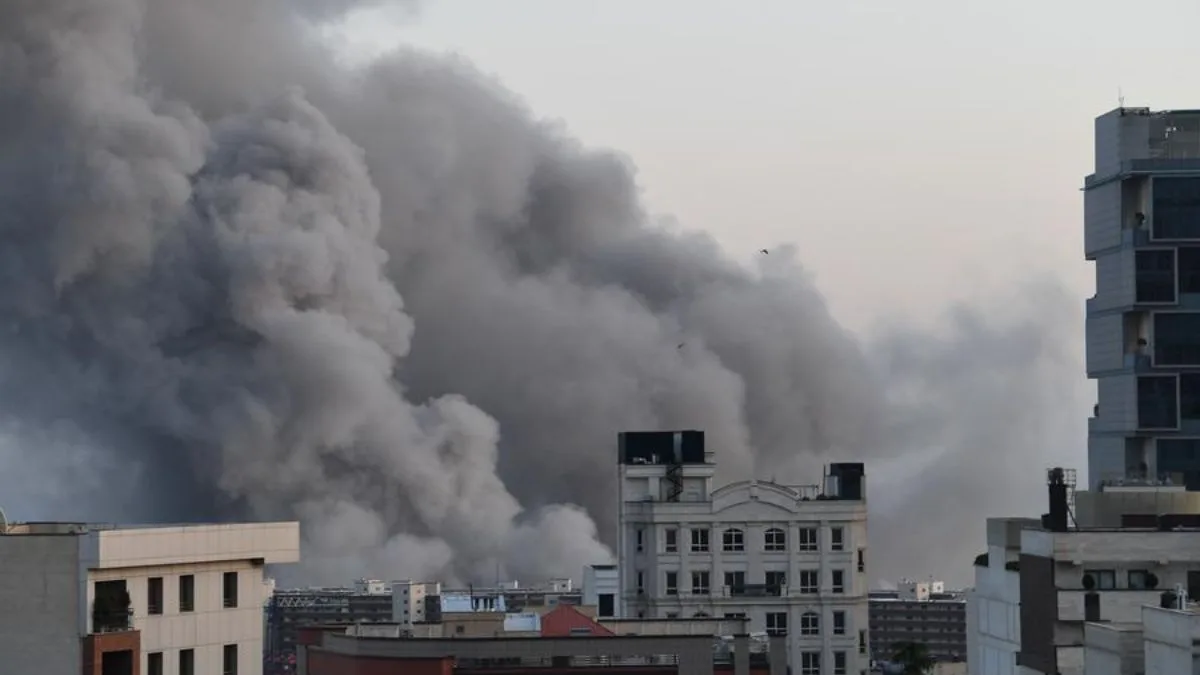
The renewed war between the United States and Iran has again placed American and Israeli military interests on apparently common ground.
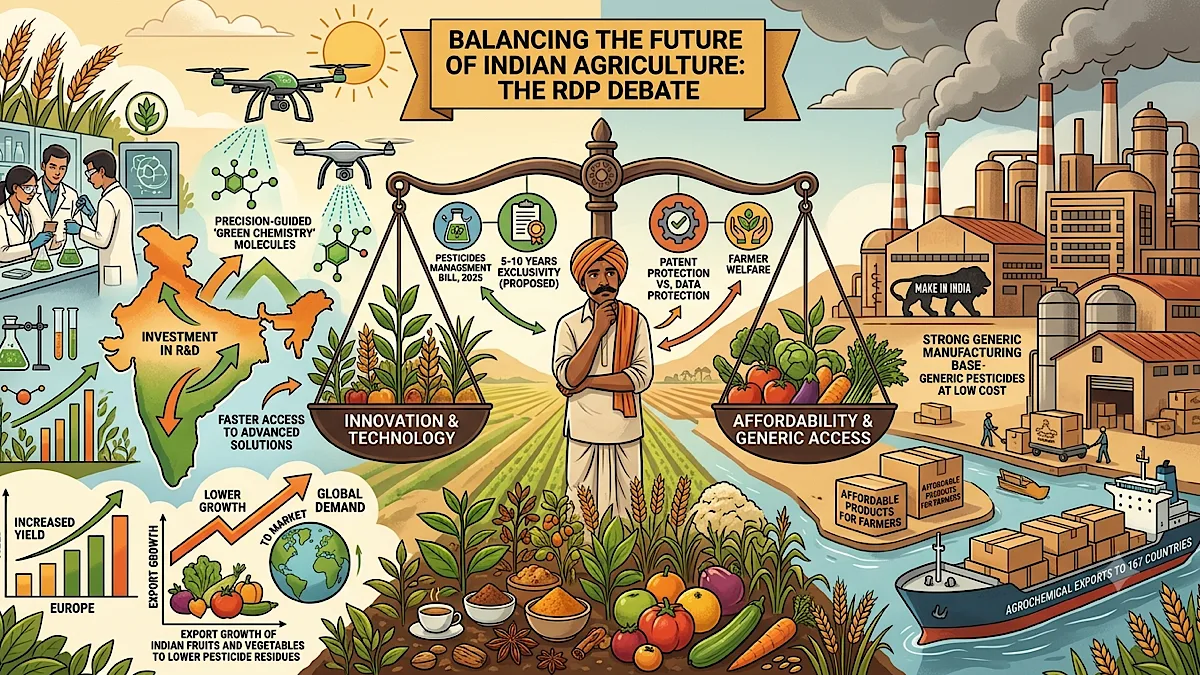
India’s agrochemical industry, a major global hub for crop protection product manufacturing, is at the heart of a significant policy discussion that could shape the future of agricultural innovation, domestic production, exports, and farmer welfare.

The two-week pause in hostilities announced by US President Donald Trump is being sold as a breakthrough.
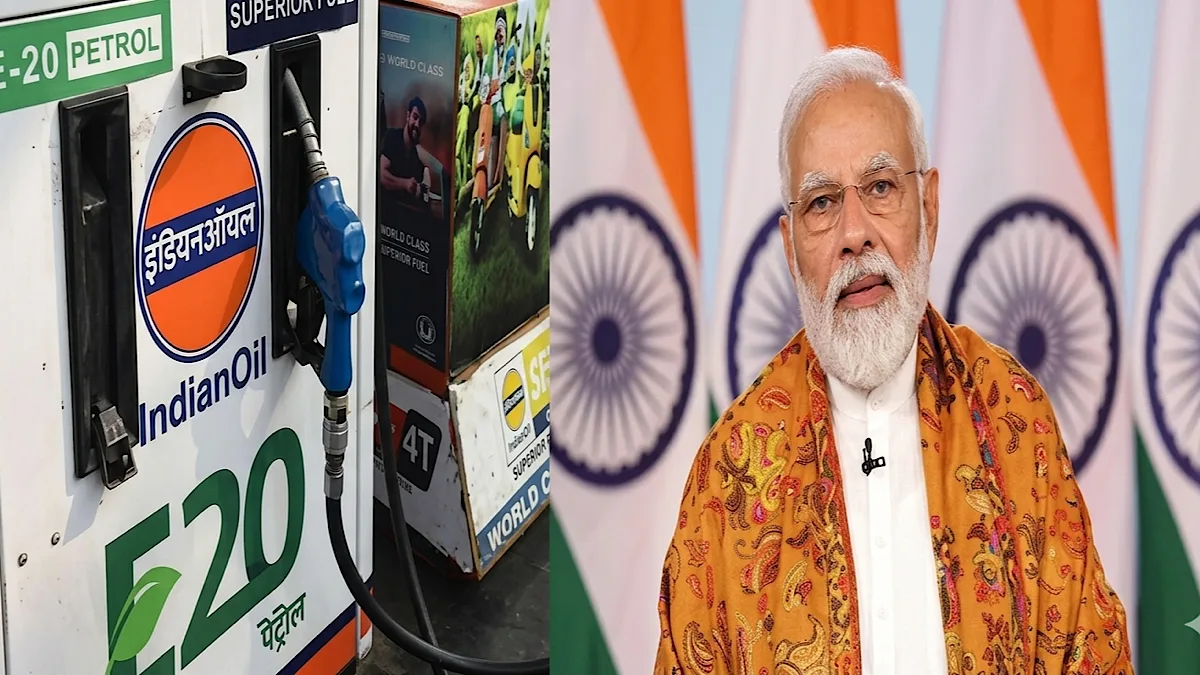
Prime Minister Narendra Modi highlighted ethanol blending as a key strategy to reduce India’s dependence on imported crude oil.
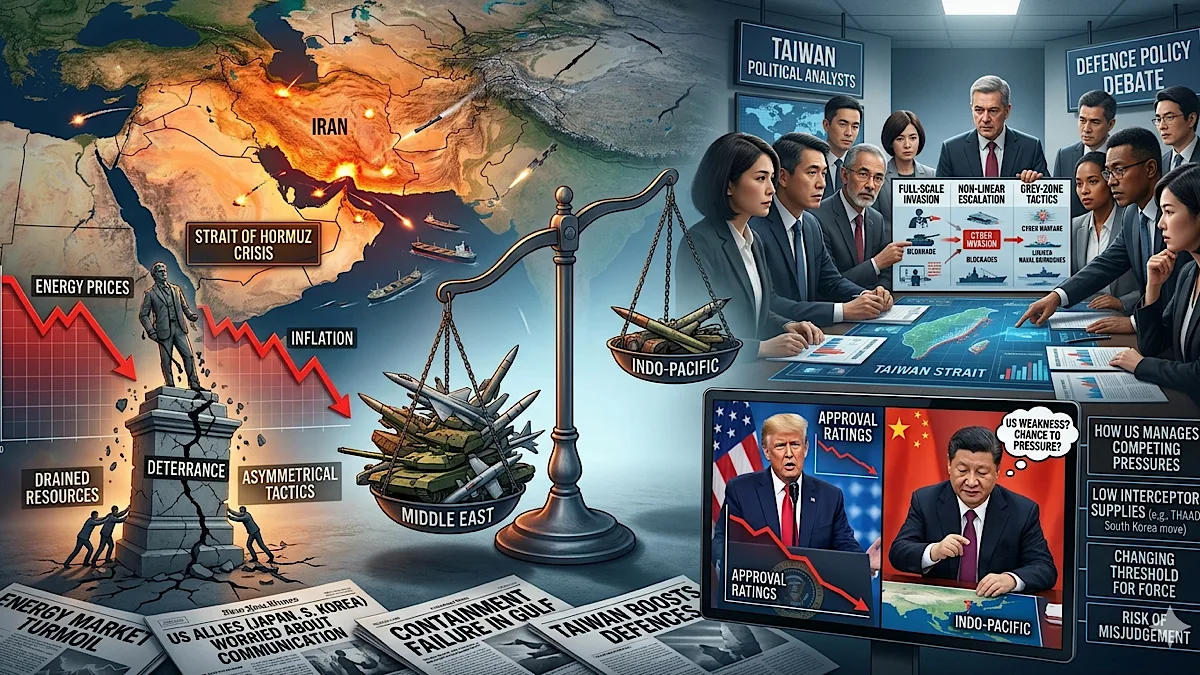
The United States and Israeli strikes on Iran have become increasingly concerning for the world due to the risks of further escalation and the impact on energy markets.

The structural transformation of the Indian economy over the past decade has been anchored by a fundamental shift in the credit architecture, moving away from a historically top-heavy banking model toward a decentralized, inclusion-driven framework.

In an era when gender identity is debated in courts, campuses, and cultural spaces across India, it is easy to assume that fluid expressions of gender are a recent arrival.