From Kolkata to the Cosmos: Science City’s Immersive Voyage to Mars
The occasion marked not merely the unveiling of a film but an invitation to reflect on humanity’s timeless fascination with the cosmos and its next great frontier.

The occasion marked not merely the unveiling of a film but an invitation to reflect on humanity’s timeless fascination with the cosmos and its next great frontier.

After a record-breaking journey beyond the Moon, Artemis II’s safe return strengthens NASA’s deep space roadmap and puts fresh focus on future Mars ambitions.

As NASA’s Artemis II mission prepares for its high-speed re-entry and scheduled splashdown in the Pacific off San Diego, it marks more than the end of a test flight.

Far from Earth, nearly 250,000 miles into space, the Artemis II crew shared a deeply personal moment, proposing to name a Moon crater after Commander Reid Wiseman’s late wife.
The launch of Artemis II is being celebrated as a technological milestone, but its deeper significance lies elsewhere.
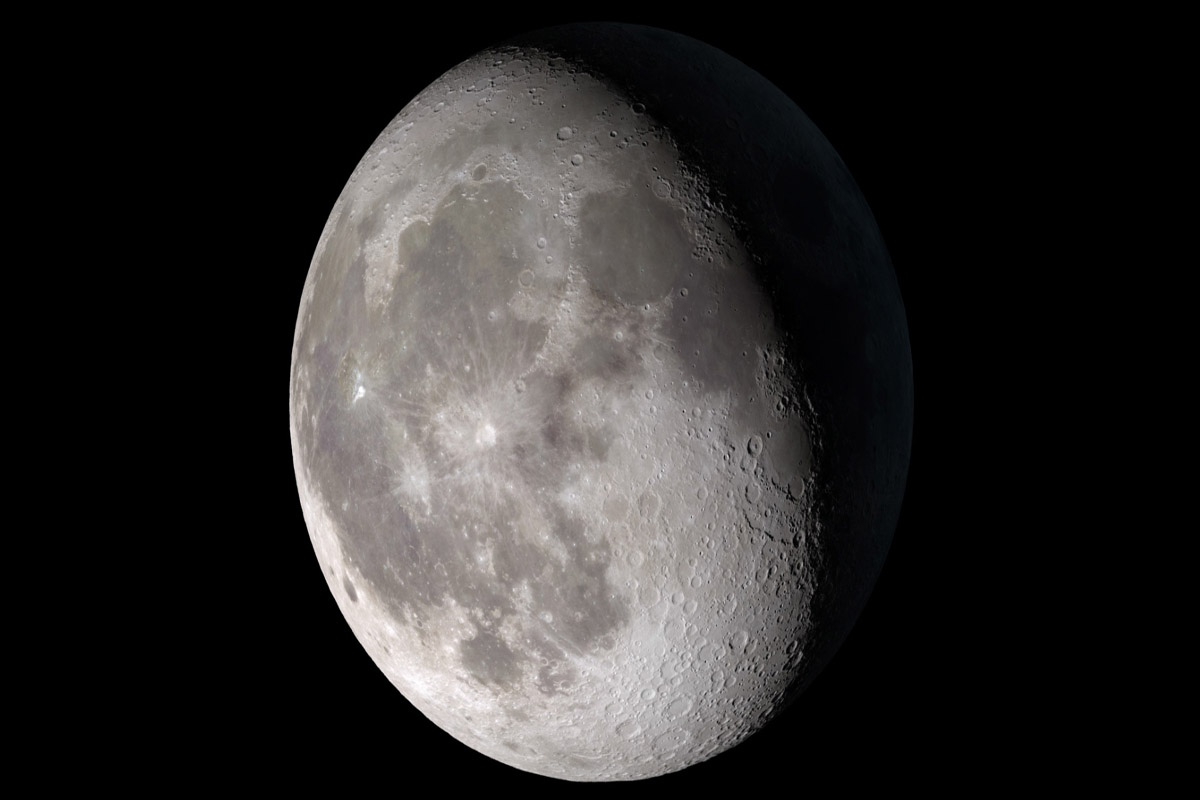
The full Moon of March will reach its peak on Friday, just two days before the arrival of spring in the Northern Hemisphere, Space.com reported.
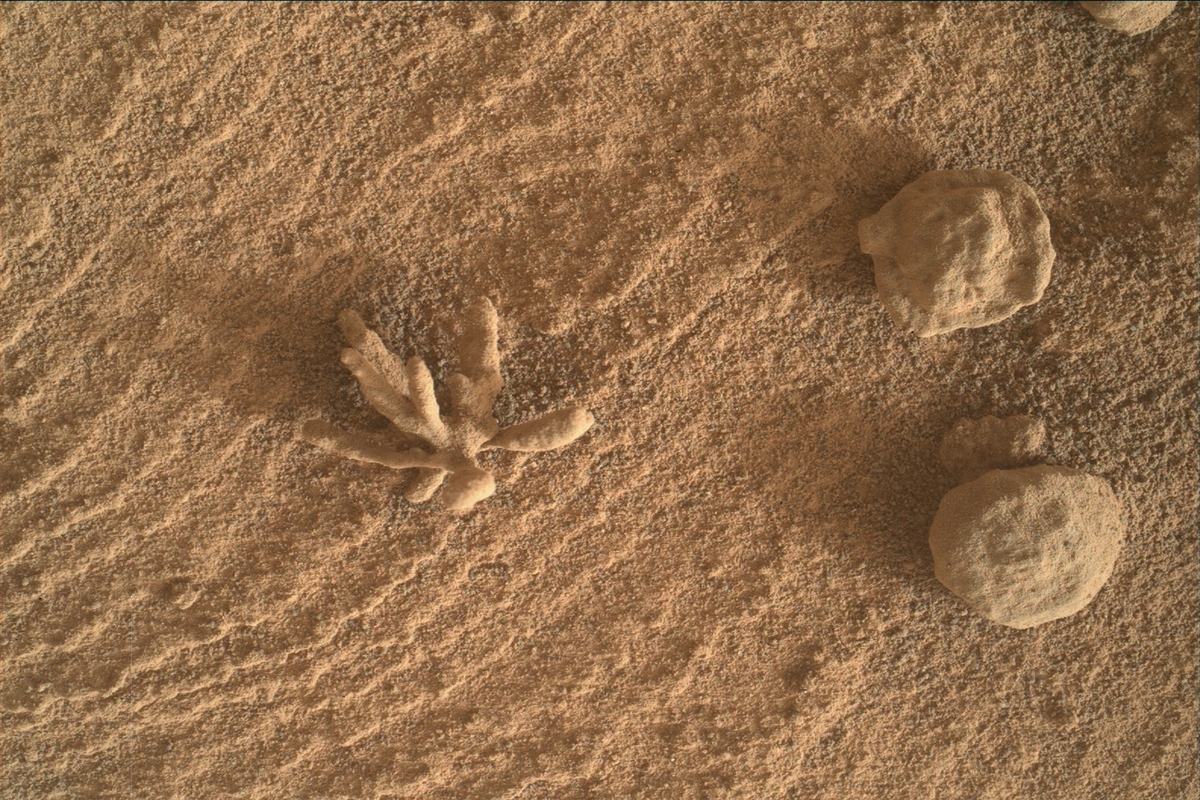
Continuing to document new diagenetic features like the Blackthorn Salt is important because it could help researchers figure out when liquid water disappeared from Mars.
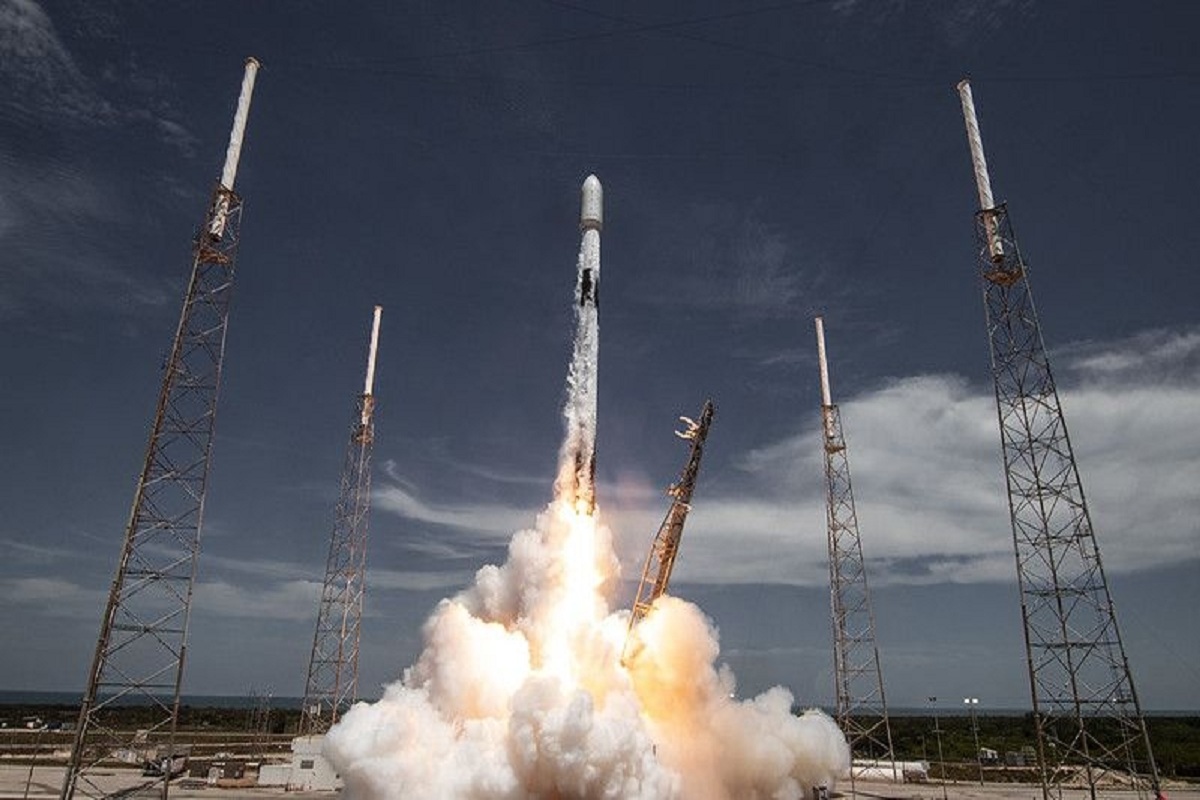
According to CNBC, during a meeting of a key NASA agency oversight committee panel member Sandra Magnus said that the private company is targeting "an ambitious 52 launch manifest" for 2022.
"Pushing the boundaries of food technology will keep future explorers healthy and could even help feed people here at home," he said in a statement.

The Jupiter-size planet is special for astronomers because its 261-day year is long compared to many known gas giants outside our solar system.