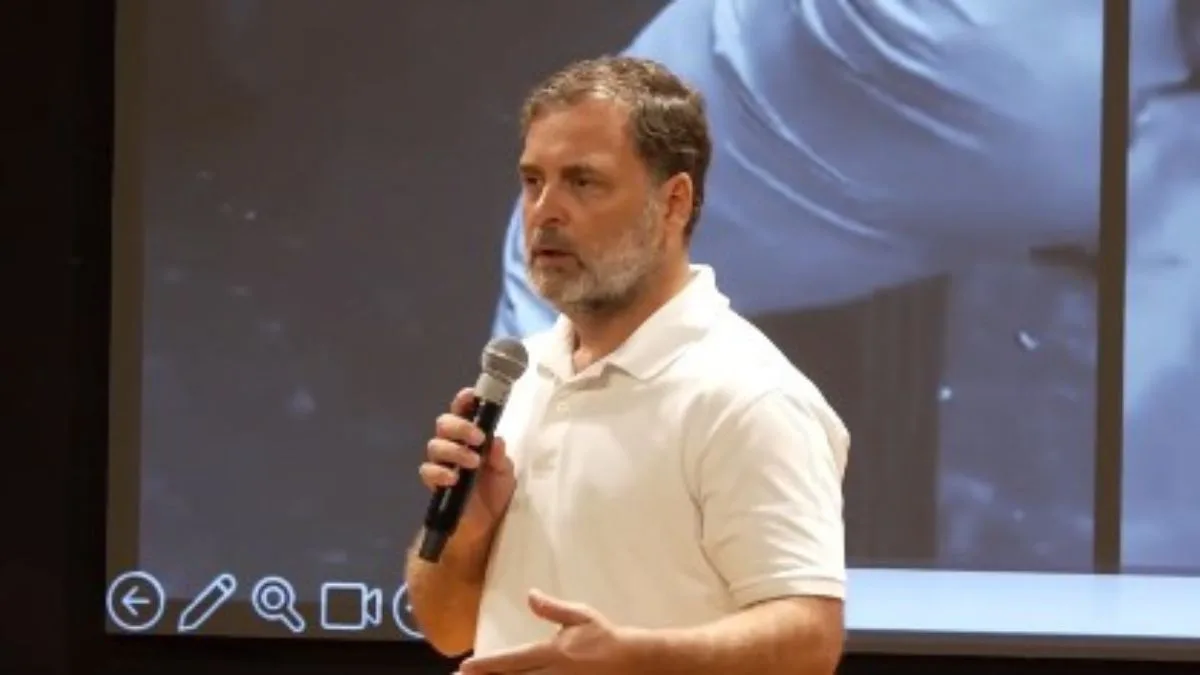
From Kolkata to the Cosmos: Science City’s Immersive Voyage to Mars
The occasion marked not merely the unveiling of a film but an invitation to reflect on humanity’s timeless fascination with the cosmos and its next great frontier.

The occasion marked not merely the unveiling of a film but an invitation to reflect on humanity’s timeless fascination with the cosmos and its next great frontier.
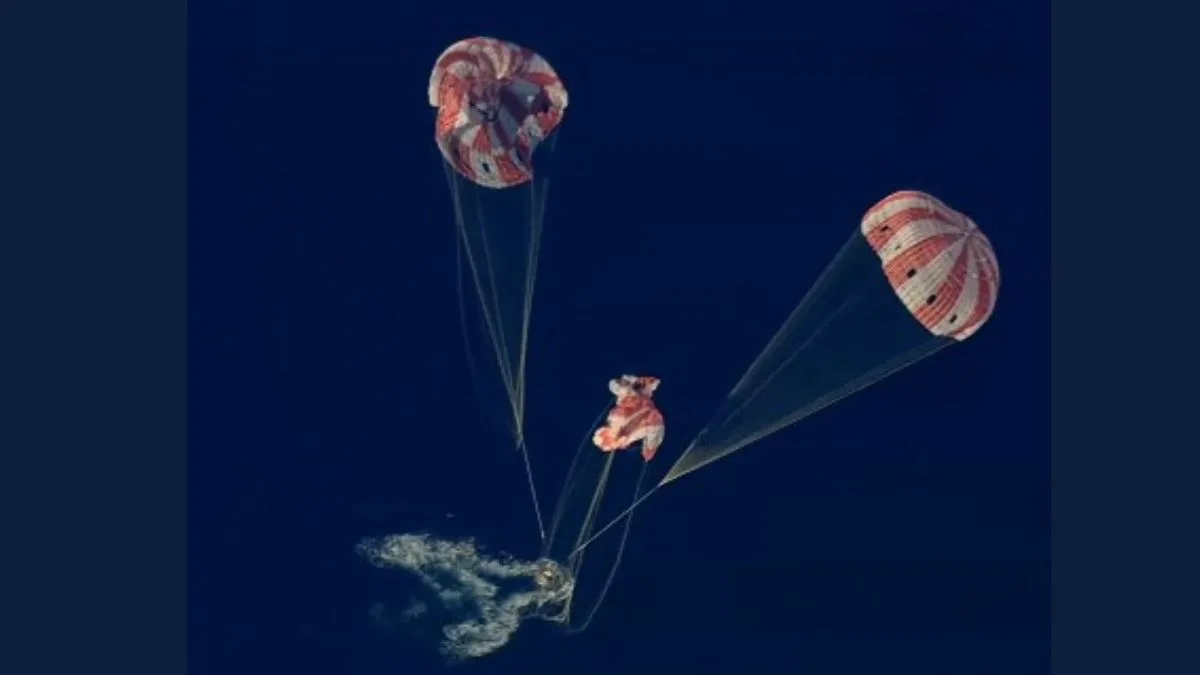
After a record-breaking journey beyond the Moon, Artemis II’s safe return strengthens NASA’s deep space roadmap and puts fresh focus on future Mars ambitions.

As NASA’s Artemis II mission prepares for its high-speed re-entry and scheduled splashdown in the Pacific off San Diego, it marks more than the end of a test flight.

Far from Earth, nearly 250,000 miles into space, the Artemis II crew shared a deeply personal moment, proposing to name a Moon crater after Commander Reid Wiseman’s late wife.
The launch of Artemis II is being celebrated as a technological milestone, but its deeper significance lies elsewhere.

Hubble's data, combined with other observations of the doomed star from space- and ground-based telescopes, may give astronomers an early warning.
Originally, NASA envisioned the SLS flying for the first time back in 2017, but its debut has been consistently pushed back again and again.
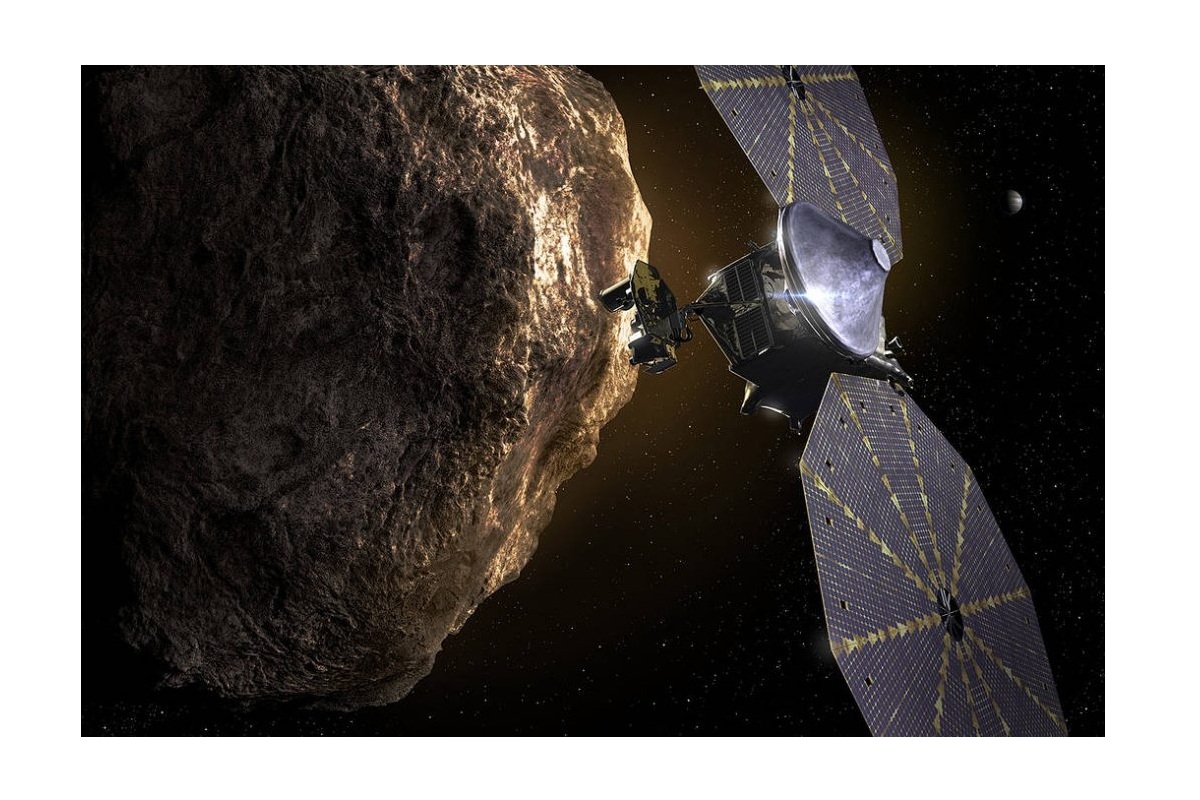
"Lucy spacecraft systems show the spacecraft is operating well and is stable," NASA added in a blog post.
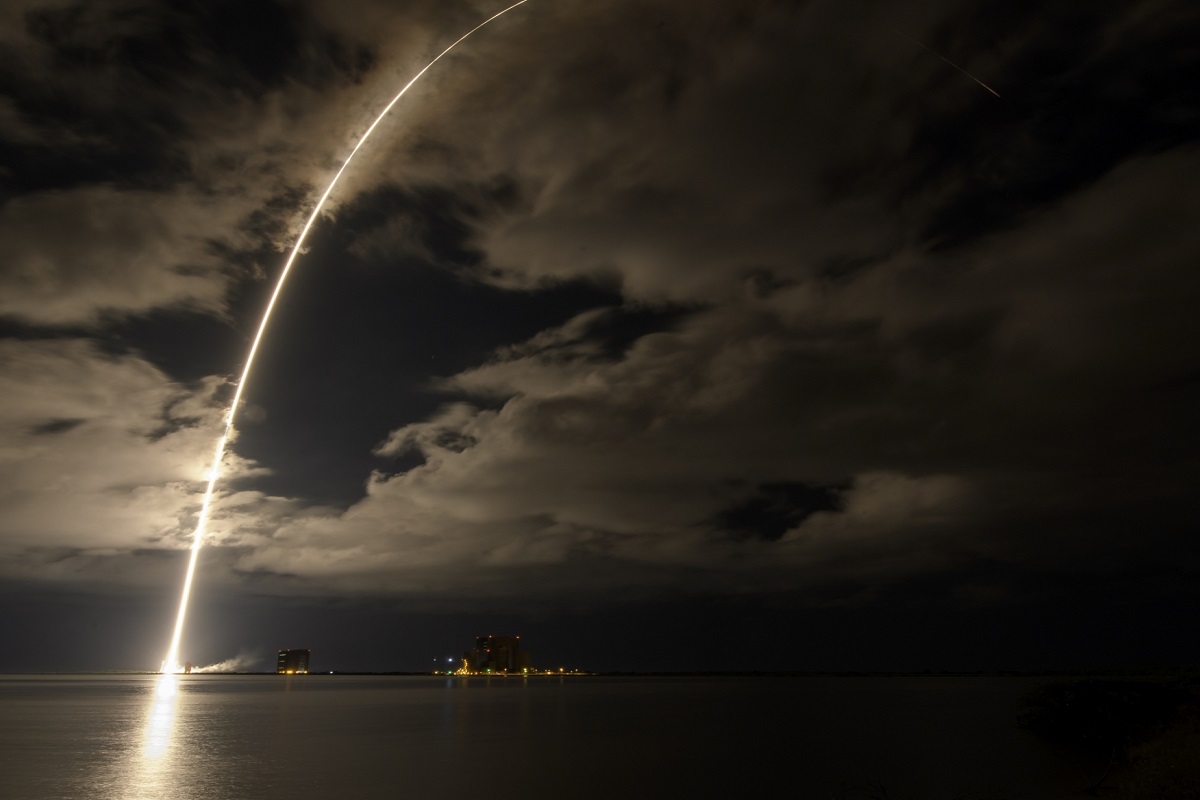
Lucy will explore the Trojan asteroids with a suite of remote sensing instruments. Additionally, the navigation cameras will be used to determine the shapes of the Trojan asteroids.
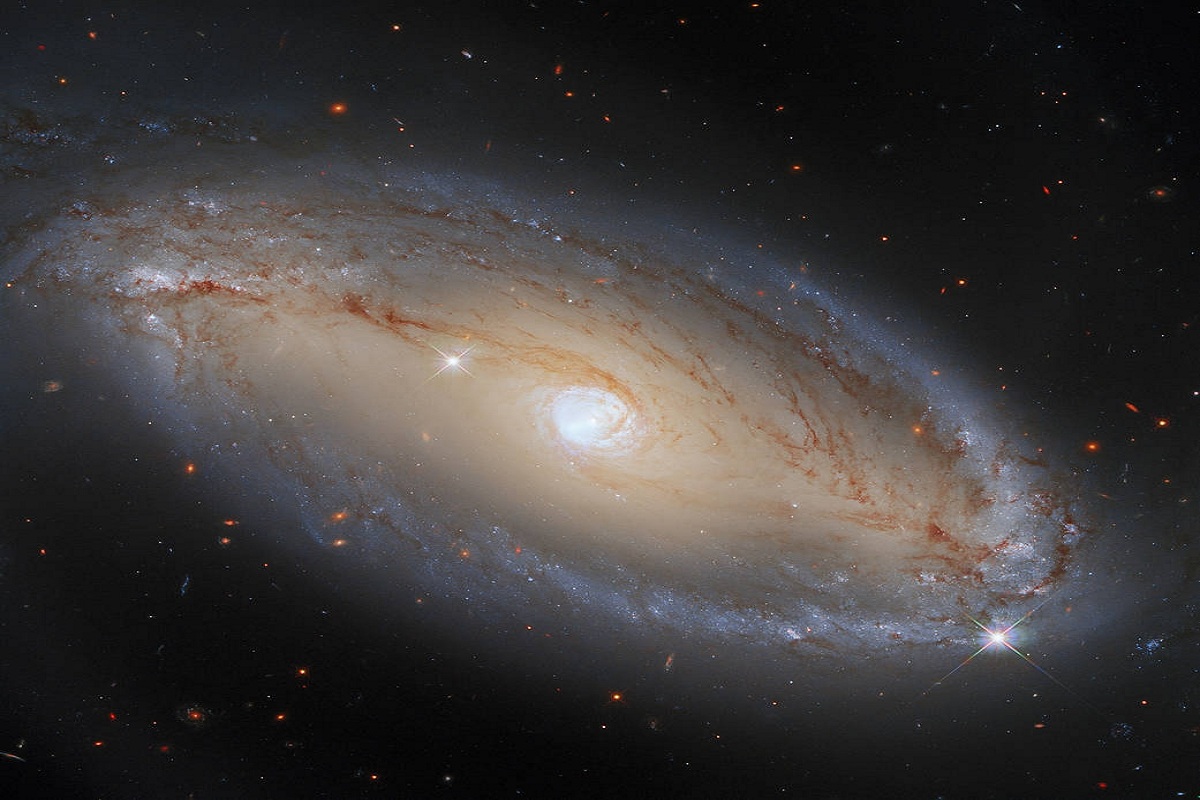
Hubble's Wide Field Camera 3 (WFC3) captured the galaxy -- NCG 5728 -- which appears to be elegant and luminous, an ESA statement said.