Ambiguity over LWE-aided growth of insurgency
On the night of 28 May 2010, India witnessed one of the darkest acts of Maoist violence in its modern history.

On the night of 28 May 2010, India witnessed one of the darkest acts of Maoist violence in its modern history.

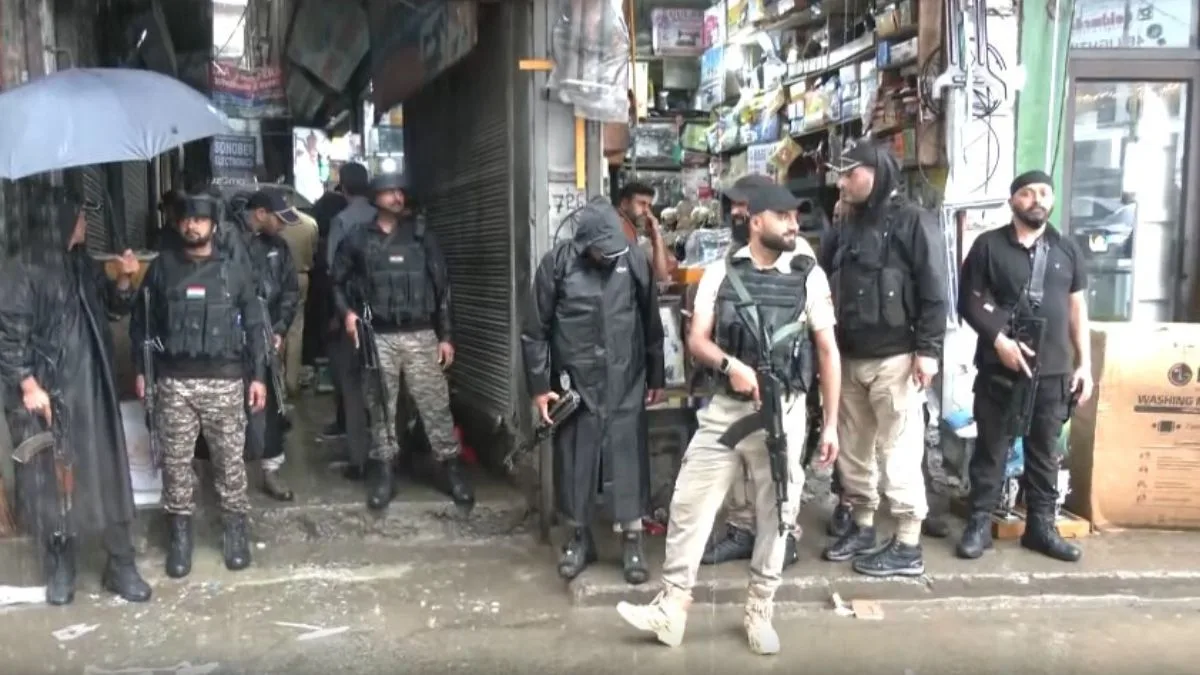
The Ranibandh Assembly constituency continues to grapple with the legacy of Maoist violence even as it remains divided over the impact of homestay tourism on local culture and livelihoods.
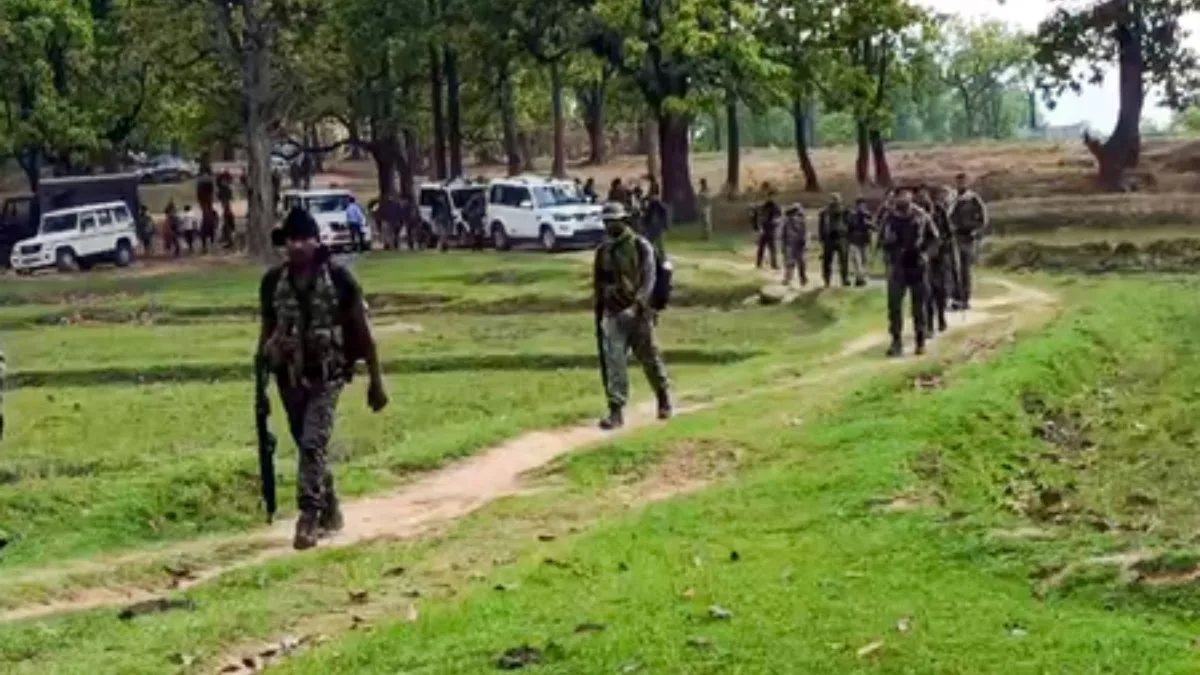
Maoist violence struck again in Chhattisgarh’s Bastar region, with the fatal shooting of a former village sarpanch in Bijapur district, reigniting fear across remote tribal settlements already on edge amid continuing insurgent activity.
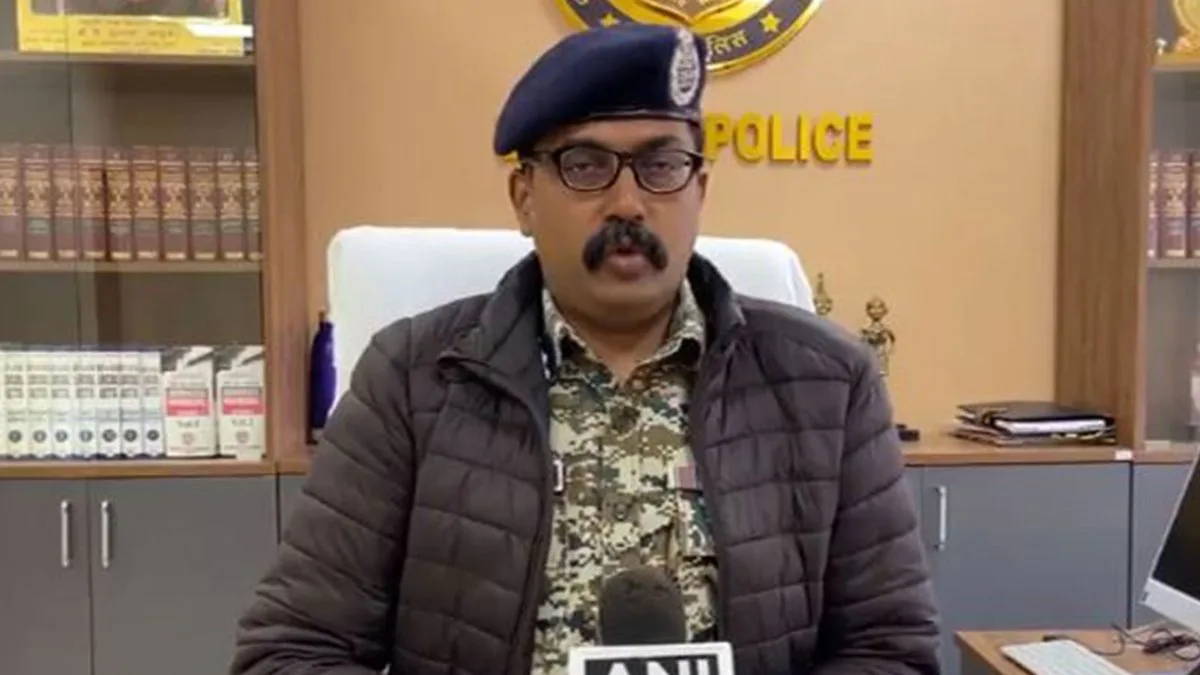
Police officials said that following an encounter on January 17-18, the bodies of six Naxals were recovered.

Union Home and Cooperation Minister Amit Shah on Saturday asserted that Maoist violence would be eliminated from Bastar and the rest of the country by March 31, 2026, declaring that India is now “standing at the threshold” of becoming free from Left Wing Extremism.
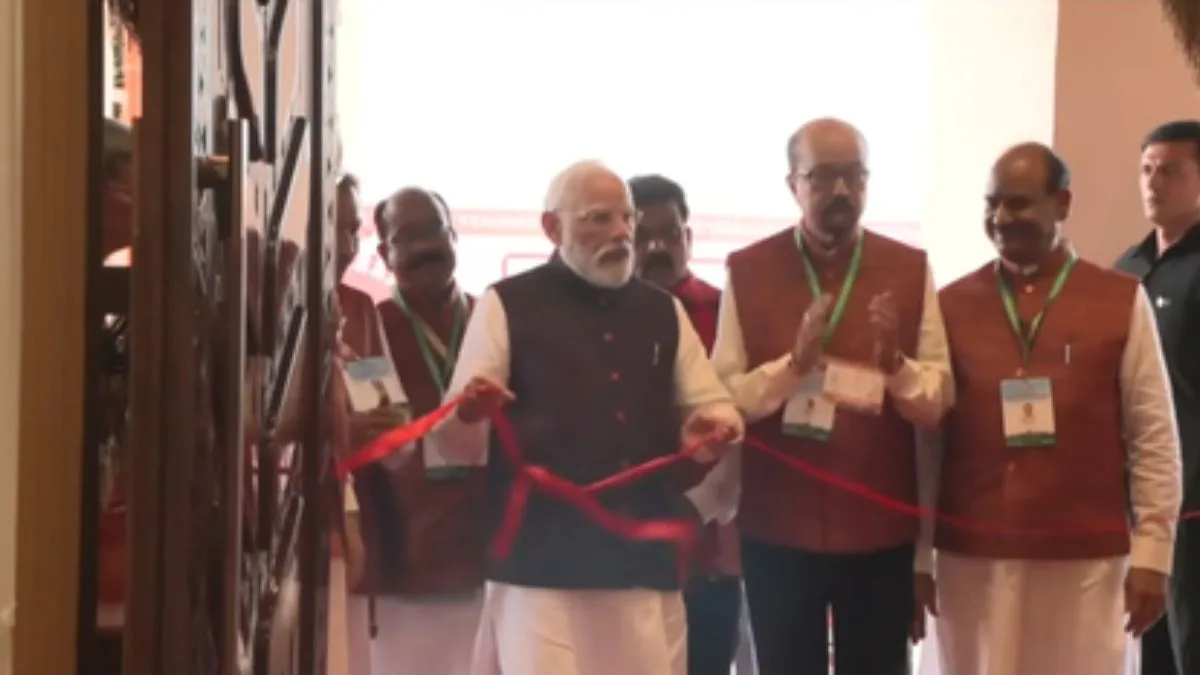
Addressing a massive gathering at Nava Raipur, the Prime Minister said the State had “travelled a long way from its early struggles” and was “now moving rapidly on the path of progress”. He congratulated the people of Chhattisgarh for completing 25 years since statehood, calling the milestone “a symbol of hope, hard work, and transformation

For decades, India’s heartland was scarred by the spectre of Maoist violence, entrenched in the mineral-rich but underdeveloped tribal belts of central and eastern India.
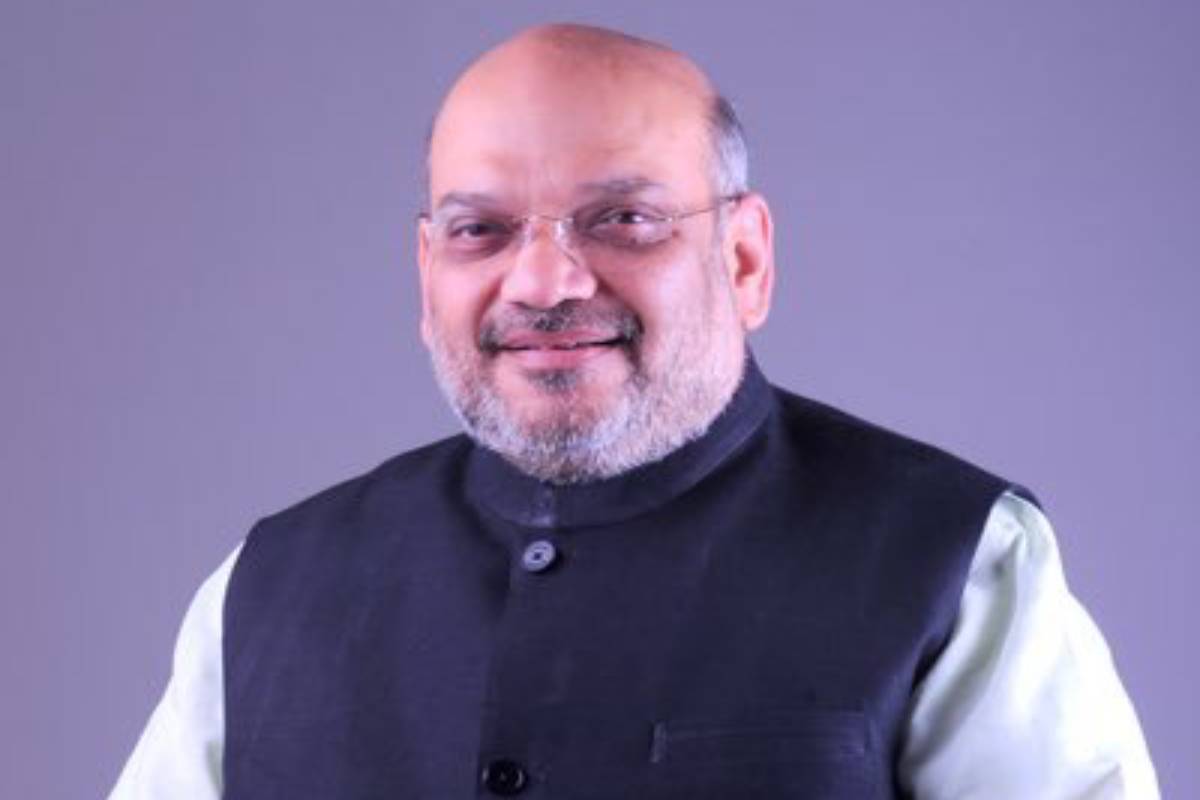
The Union home minister was speaking at the 84th Raising Day celebrations of the Central Reserve Police Force (CRPFat Jagdalpur in Chhattisgarh.
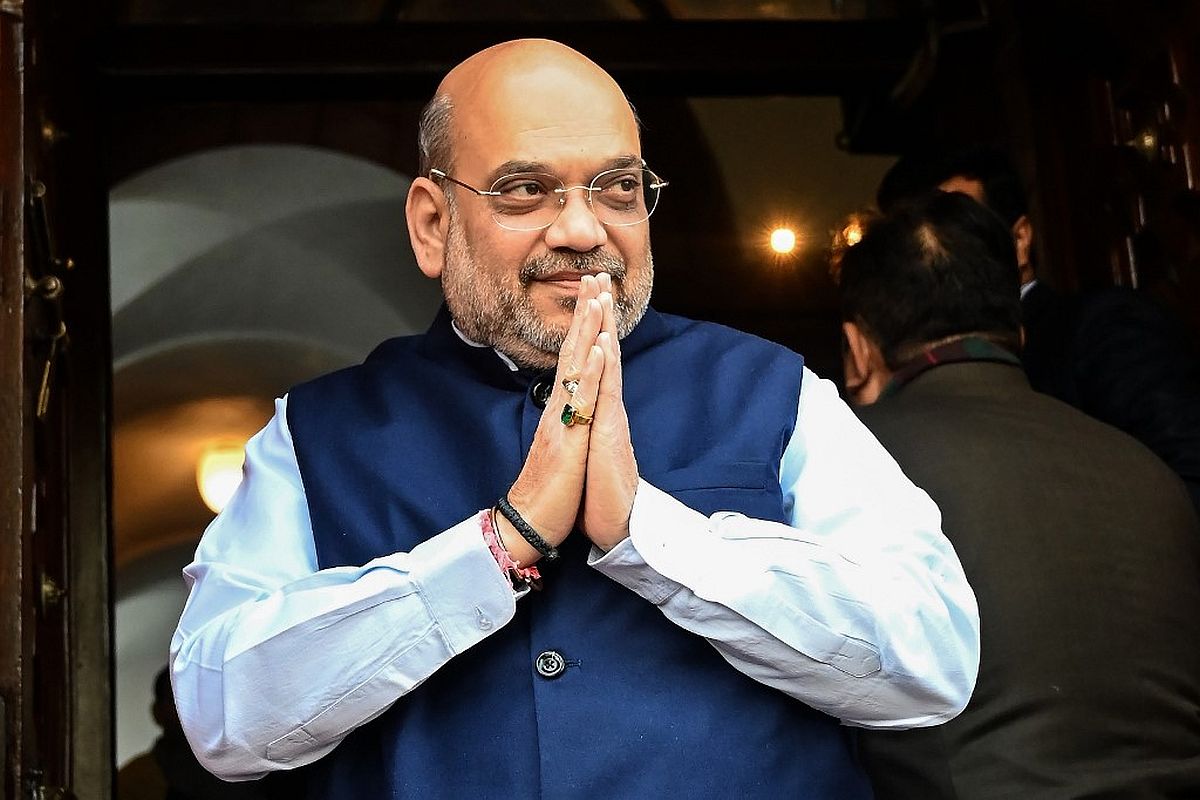
Shah is expected to review development works like construction of roads, bridges, schools, health centres being carried out in the Naxal-hit areas.
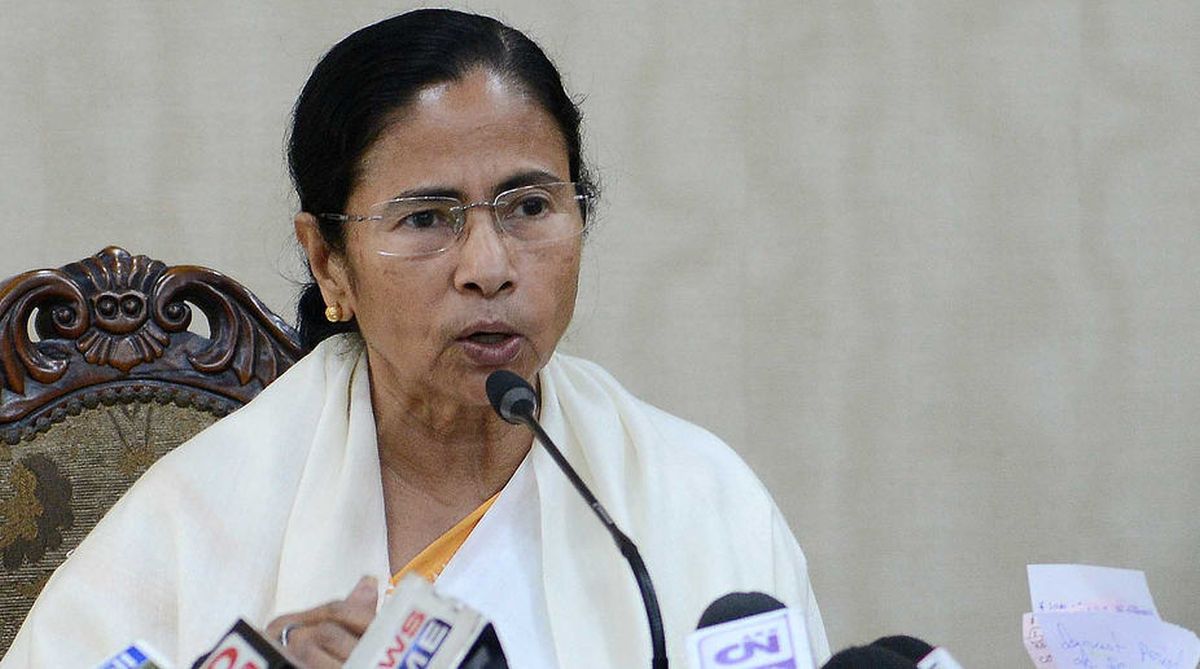
The CM said her party follows the tenets of ‘Sarva Dharma’ ~accommodating all religions and not differentiating people on the basis of faith.