Strategic Distance
The renewed war between the United States and Iran has again placed American and Israeli military interests on apparently common ground.
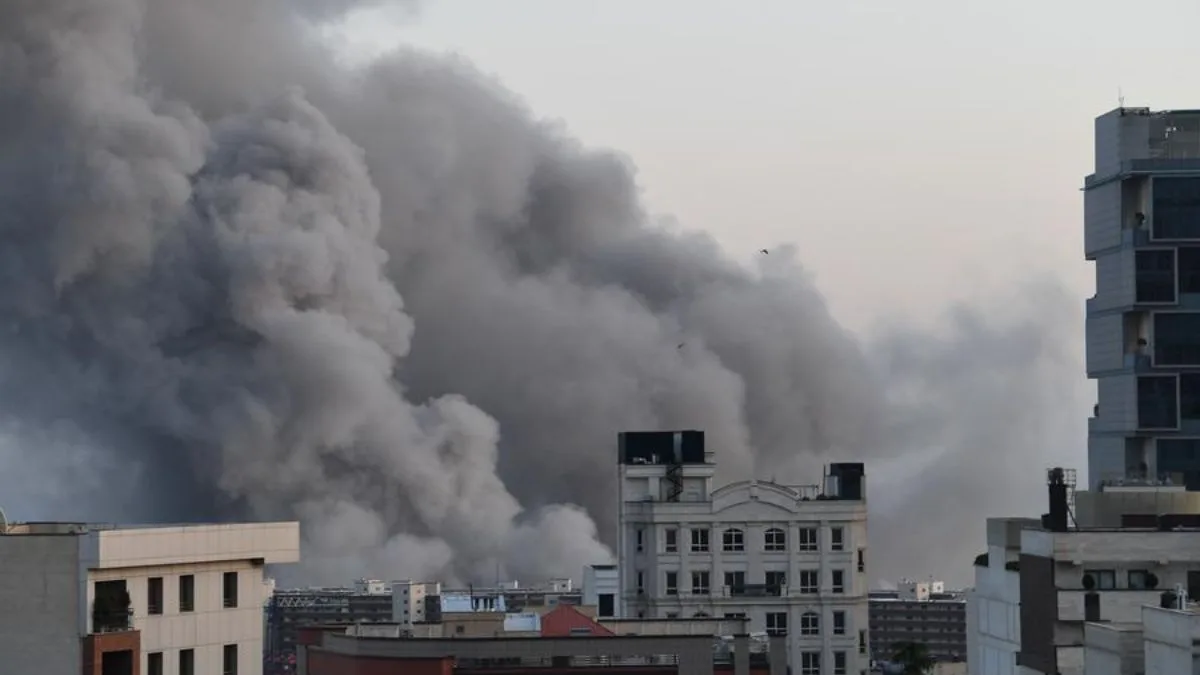
The renewed war between the United States and Iran has again placed American and Israeli military interests on apparently common ground.
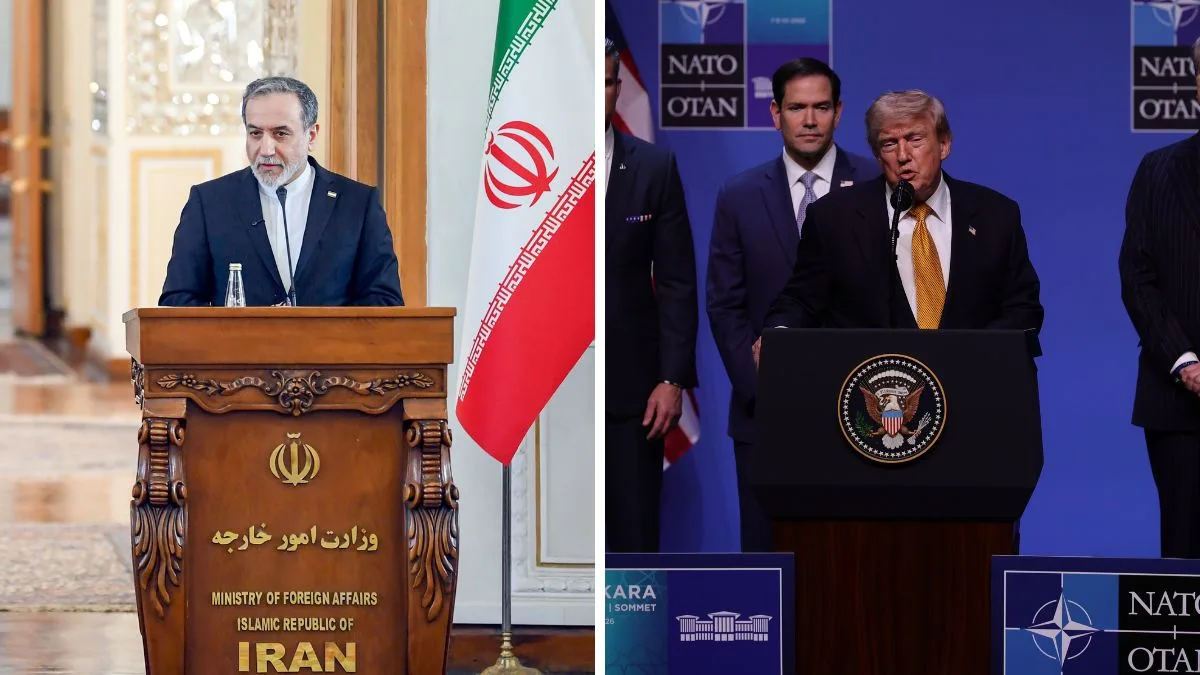
Fresh statements from Tehran and Washington point to deepening confrontation, with both sides hardening their public positions even as the US says it remains open to diplomacy.
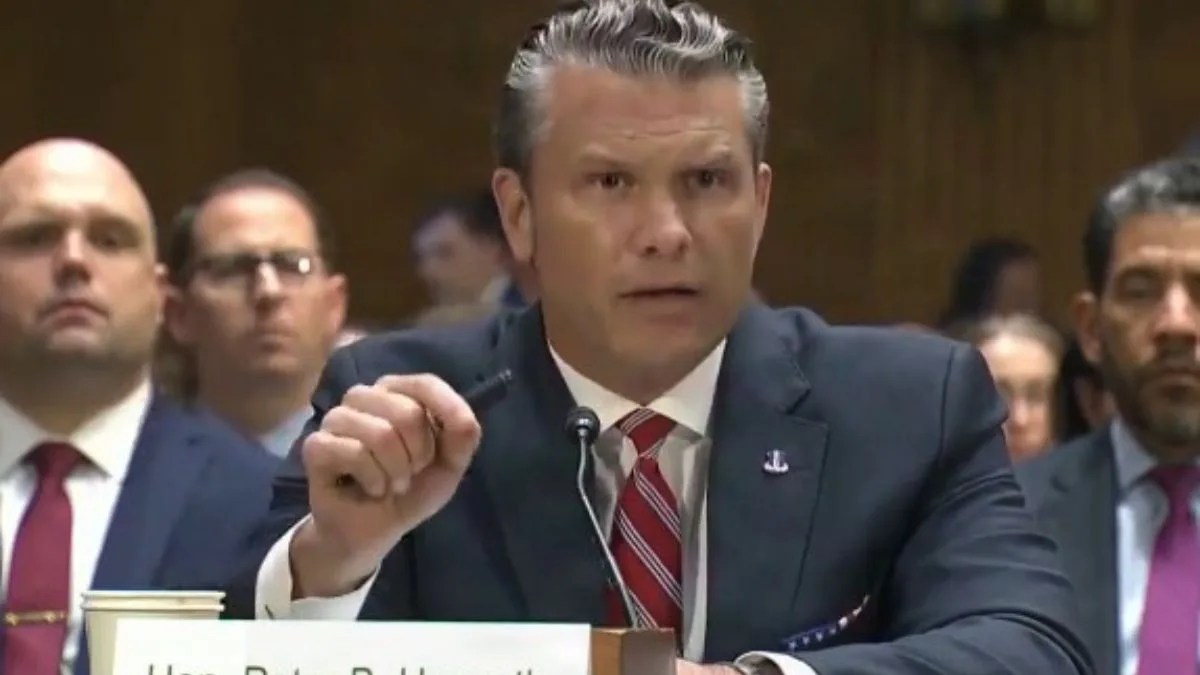
The Pentagon told lawmakers the conflict has already cost $37.5 billion and warned of readiness shortfalls without additional funding, while also alleging Russia and China are enabling Iran's military operations.
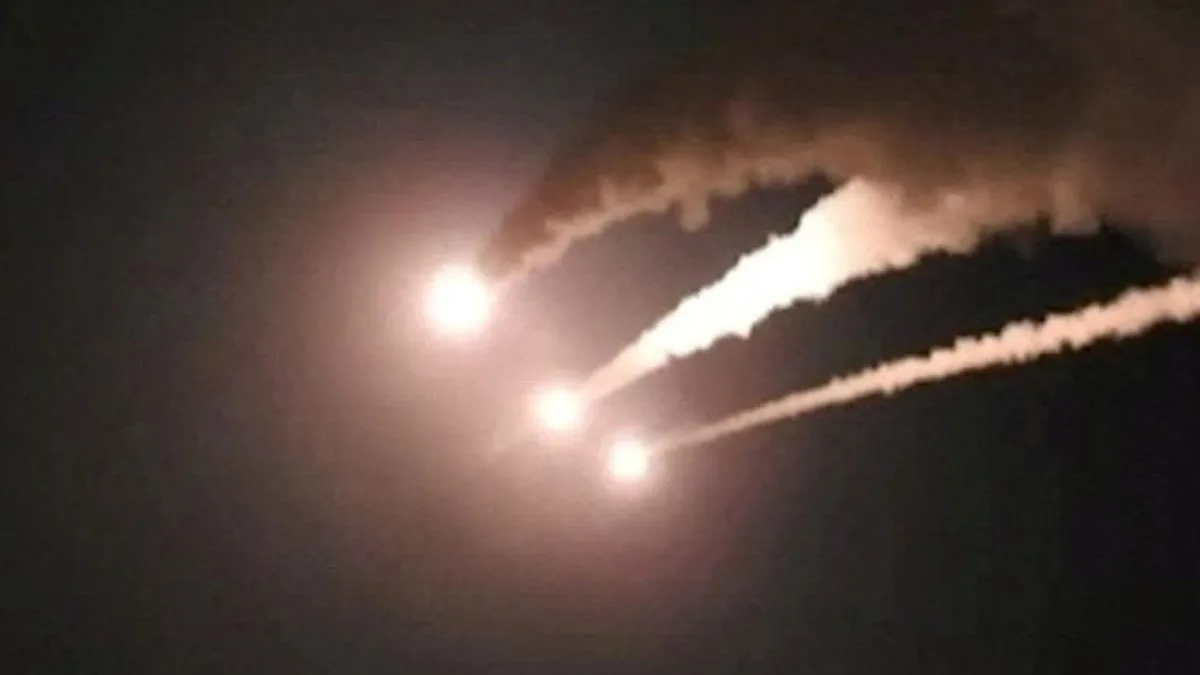
Explosions were reported across southern and central Iran after the US announced a new military offensive, while Kuwait activated air defences and regional tensions continued to spread.

Iran's Revolutionary Guard claimed it received intelligence from individuals in Jordan to strike US military targets, as Washington continued air strikes and regional tensions spread across the Gulf.
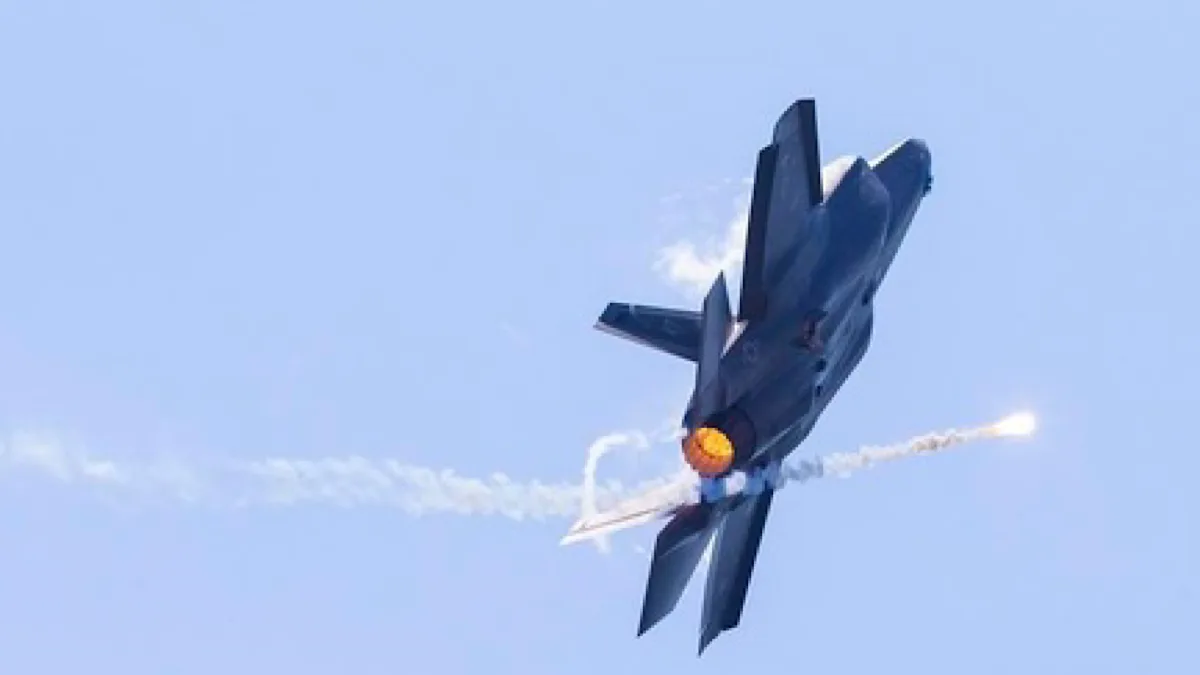
A US Air Force F-15E Strike Eagle was shot down over Iran, triggering a combat search-and-rescue operation, with one crew member rescued and another still missing.

A new Israeli survey reveals shifting public mood on the Iran war, with declining support, lower expectations of military impact, and rising concern over prolonged conflict.

The nearly-complete Tehran-Karaj Bridge, expected to cut travel time between the two cities to 10 minutes, was struck before it could open, killing eight civilians.
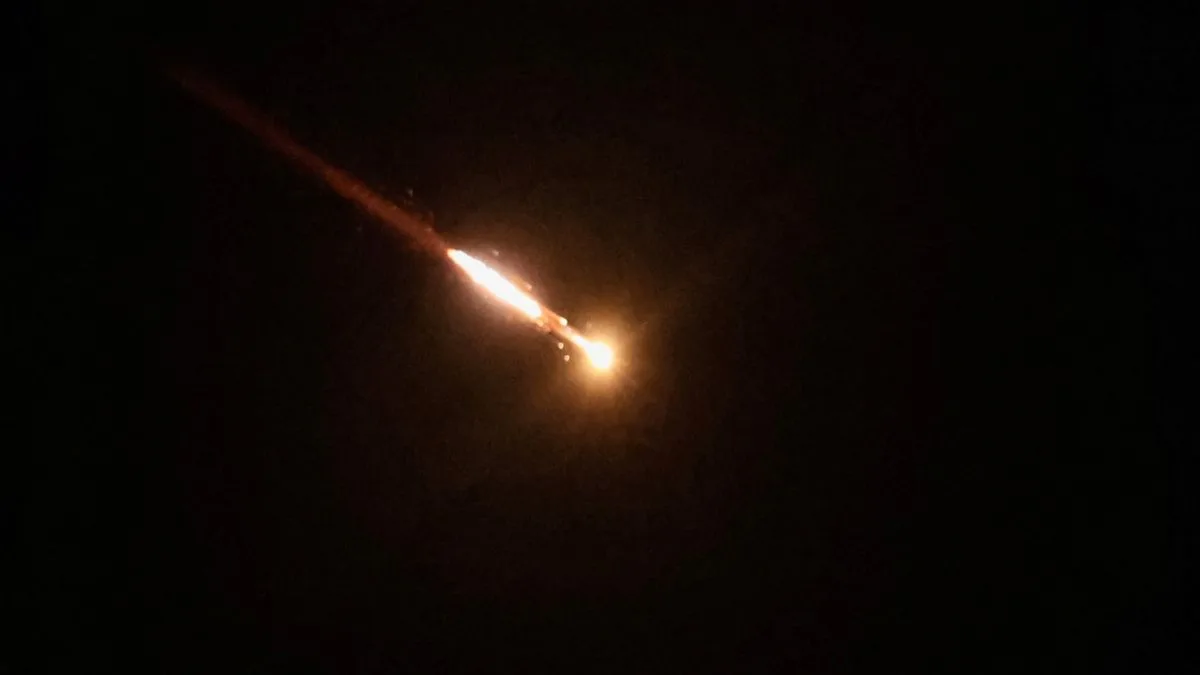
US assessments suggest Iran still has operational launchers, drones and coastal missile systems, pointing to continued threat in the region despite weeks of sustained military action.

Strike on a key Iran bridge raises concerns over infrastructure targeting, while Tehran signals retaliation and global leaders call for de-escalation amid rising regional tensions.