Strategic Distance
The renewed war between the United States and Iran has again placed American and Israeli military interests on apparently common ground.
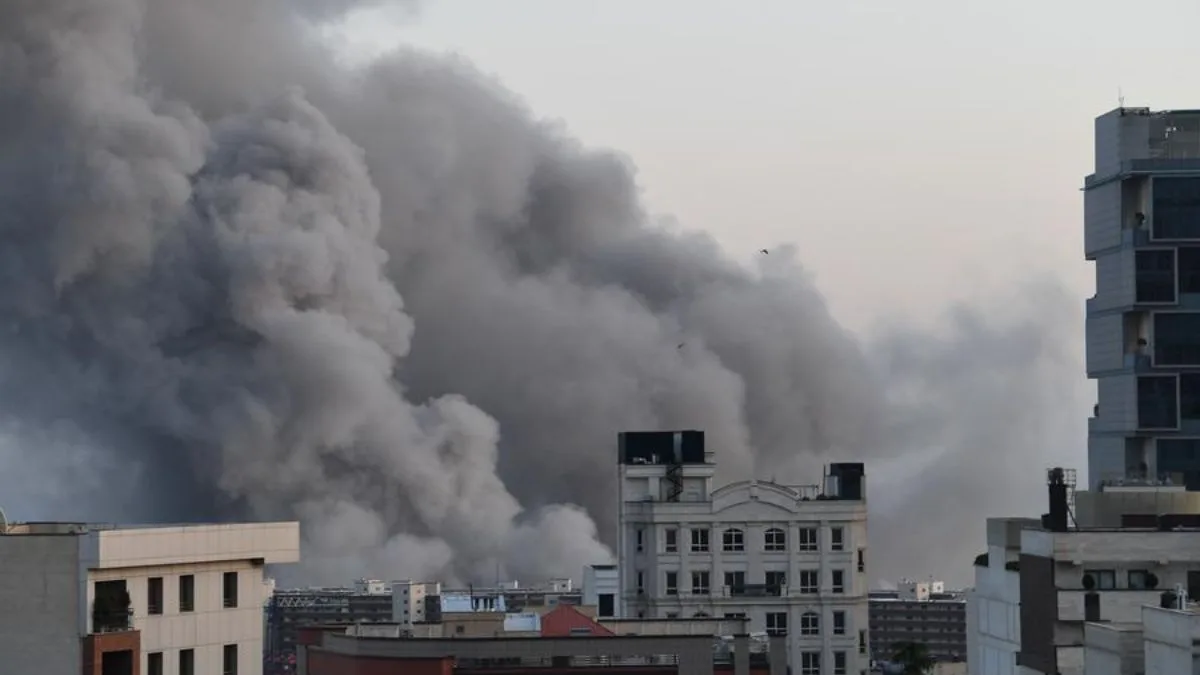
The renewed war between the United States and Iran has again placed American and Israeli military interests on apparently common ground.
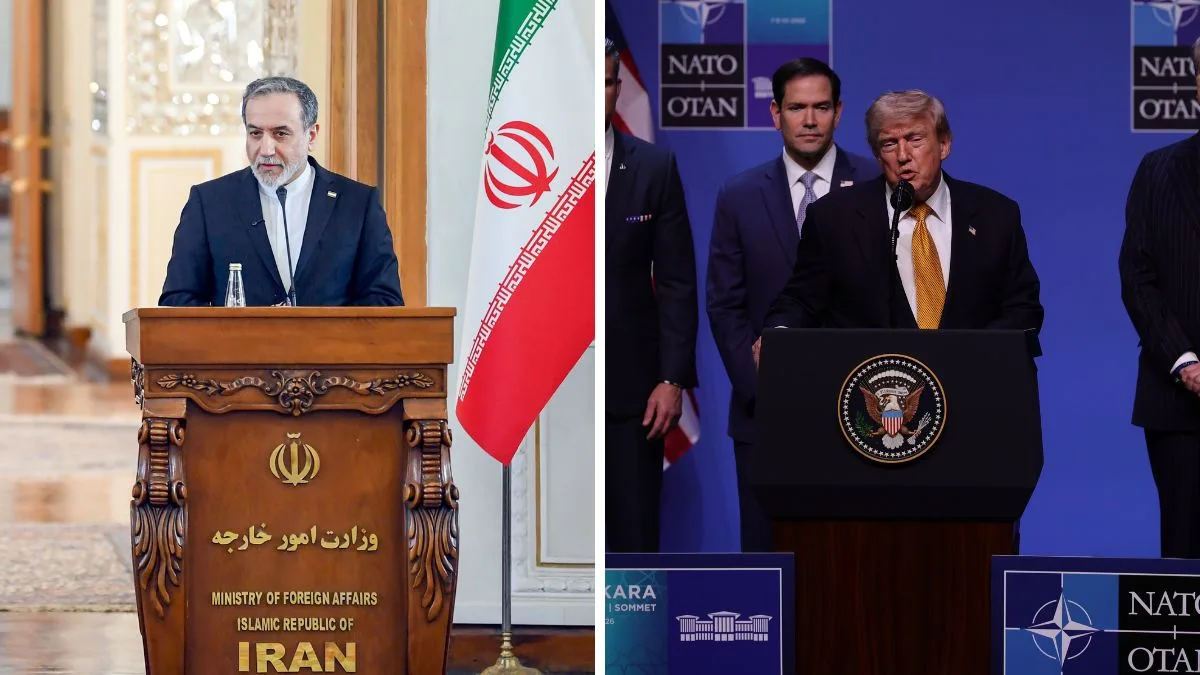
Fresh statements from Tehran and Washington point to deepening confrontation, with both sides hardening their public positions even as the US says it remains open to diplomacy.
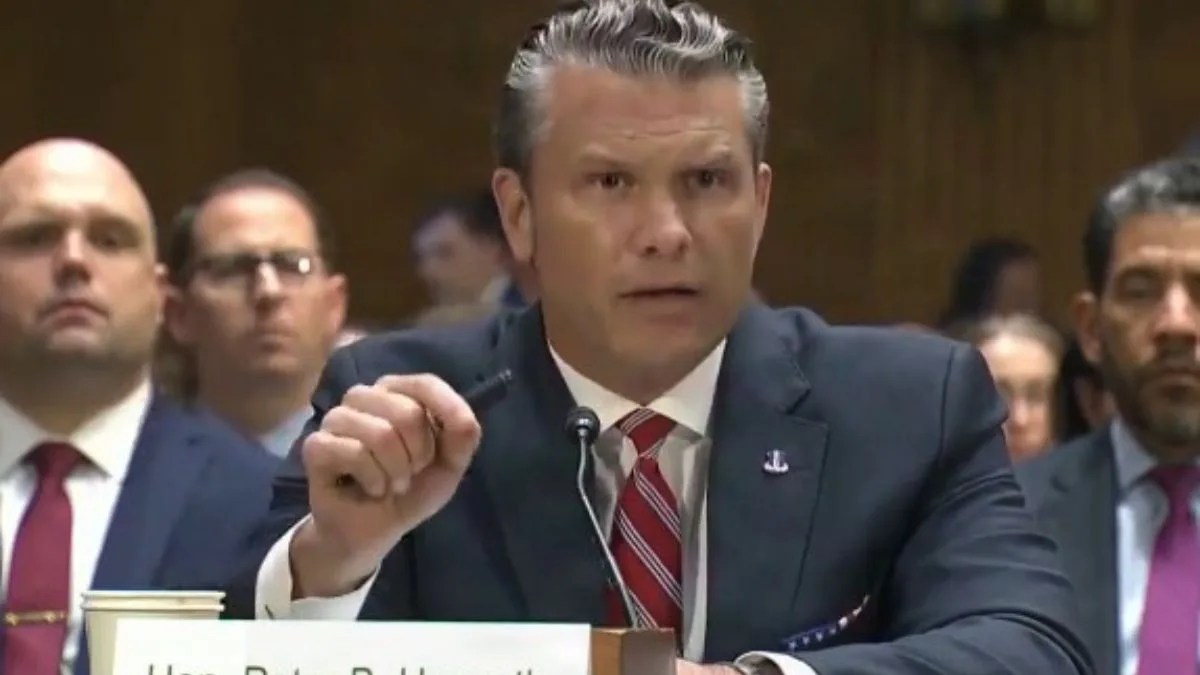
The Pentagon told lawmakers the conflict has already cost $37.5 billion and warned of readiness shortfalls without additional funding, while also alleging Russia and China are enabling Iran's military operations.
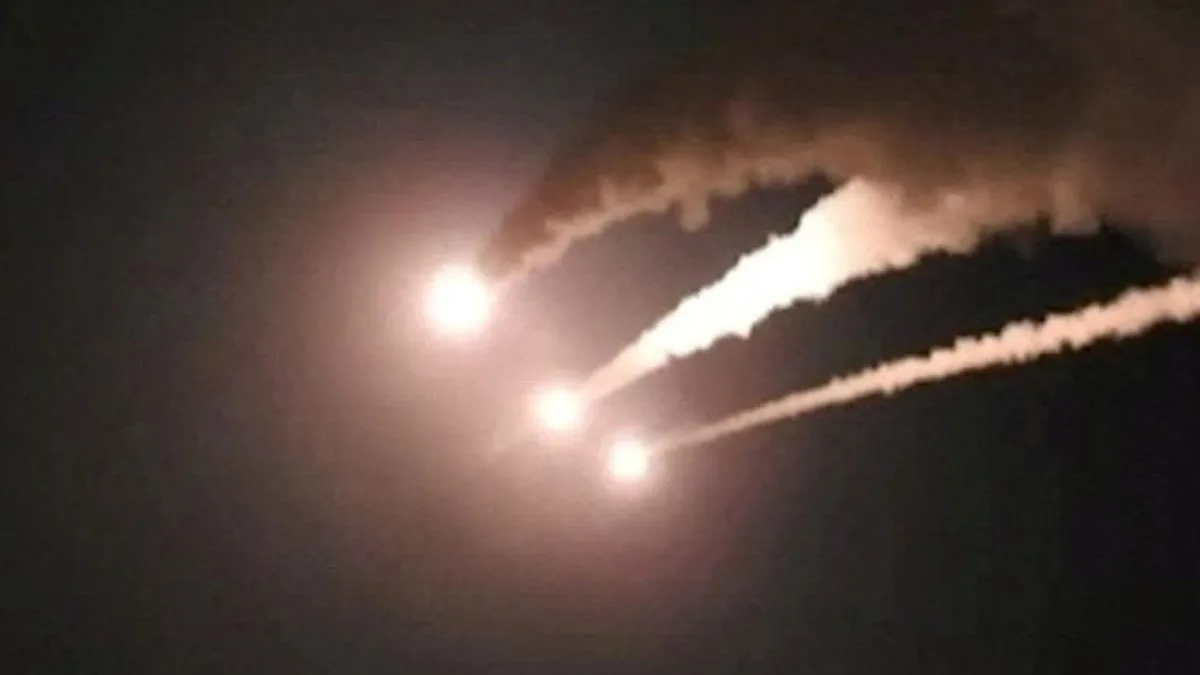
Explosions were reported across southern and central Iran after the US announced a new military offensive, while Kuwait activated air defences and regional tensions continued to spread.

Iran's Revolutionary Guard claimed it received intelligence from individuals in Jordan to strike US military targets, as Washington continued air strikes and regional tensions spread across the Gulf.

The US military reportedly intercepted Iranian drones targeting vessels in the Strait of Hormuz as intelligence assessments warned Tehran can still disrupt the strategic waterway despite progress towards a new agreement.

A CNN report citing sources familiar with a US intelligence assessment says Iran may now possess the ability to shut the Strait of Hormuz at will, raising fresh concerns over the security of one of the world's most important energy corridors.

The announcement of a framework agreement between the United States and Iran has understandably been greeted with relief.
It is after more than 100 days that both President Donald Trump and Iran have announced a peace deal, much to the world’s relief.
The Centre on Monday said India remains well-prepared to deal with any fallout from the evolving situation in West Asia, asserting that fertiliser availability, petroleum supplies and maritime operations continue to remain stable, while authorities are maintaining close surveillance over developments in the region.
![‘Beginning of accountability’: Sonam Wangchuk reveals 3 written assurances from Centre before ending fast [VIDEO]](https://www.thestatesman.com/wp-content/uploads/2026/07/Sonam-Wangchuk-1-1.webp)