Strategic Distance
The renewed war between the United States and Iran has again placed American and Israeli military interests on apparently common ground.
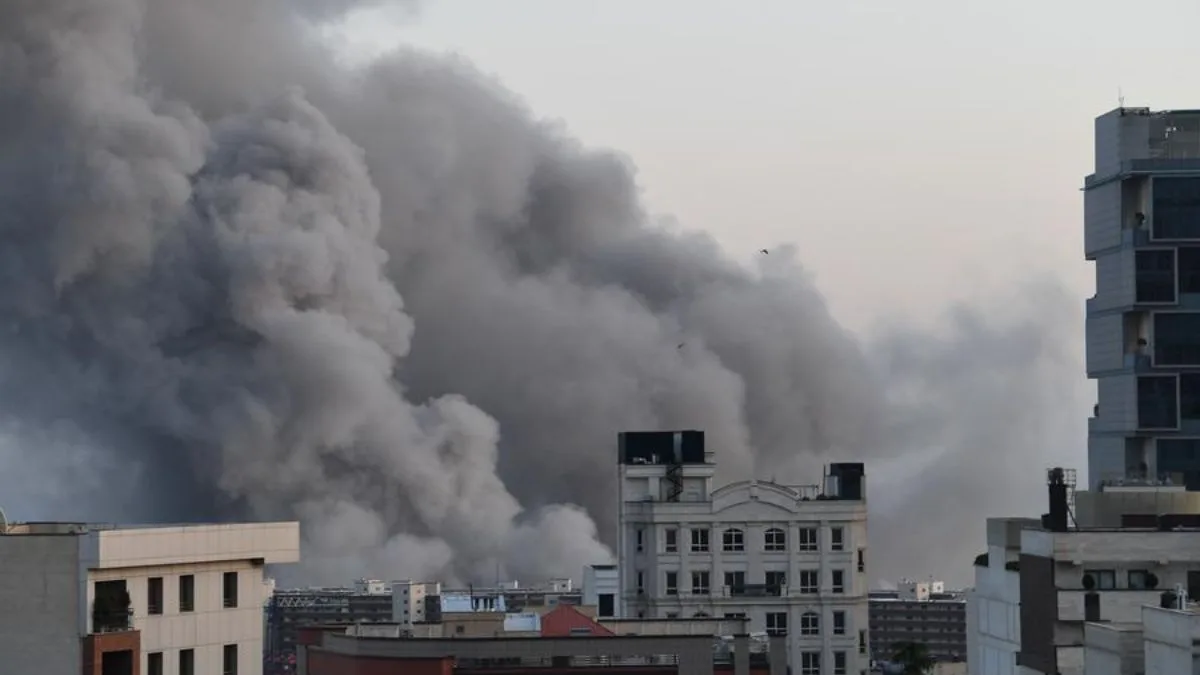
The renewed war between the United States and Iran has again placed American and Israeli military interests on apparently common ground.
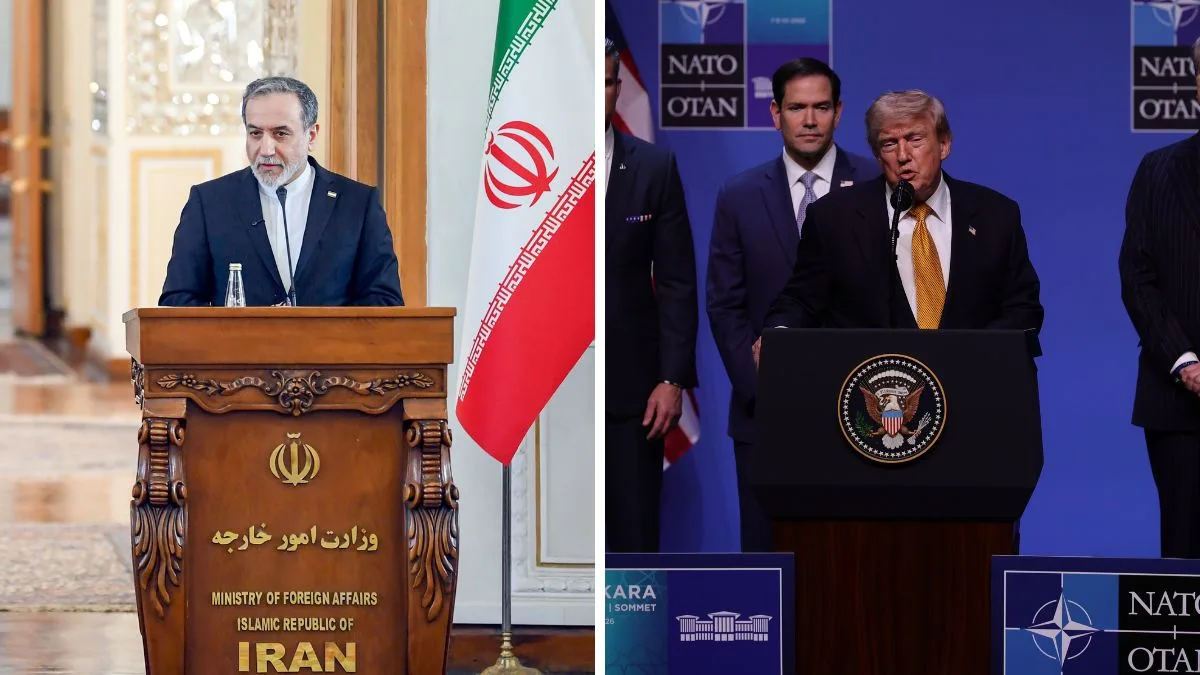
Fresh statements from Tehran and Washington point to deepening confrontation, with both sides hardening their public positions even as the US says it remains open to diplomacy.
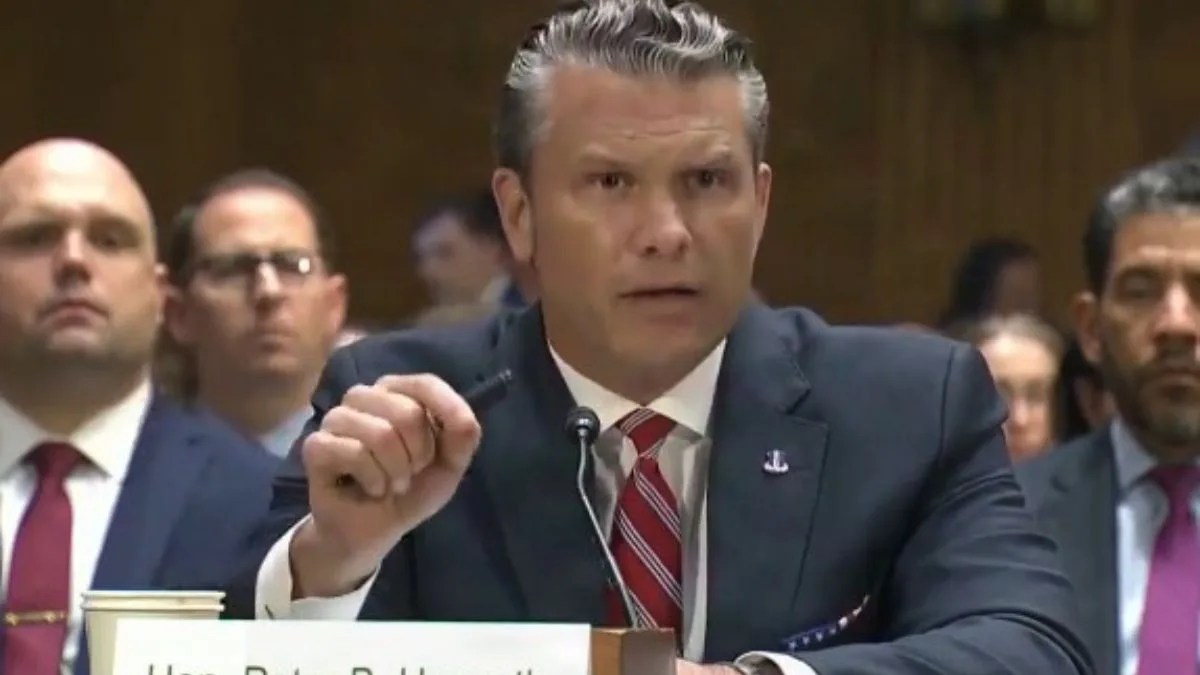
The Pentagon told lawmakers the conflict has already cost $37.5 billion and warned of readiness shortfalls without additional funding, while also alleging Russia and China are enabling Iran's military operations.
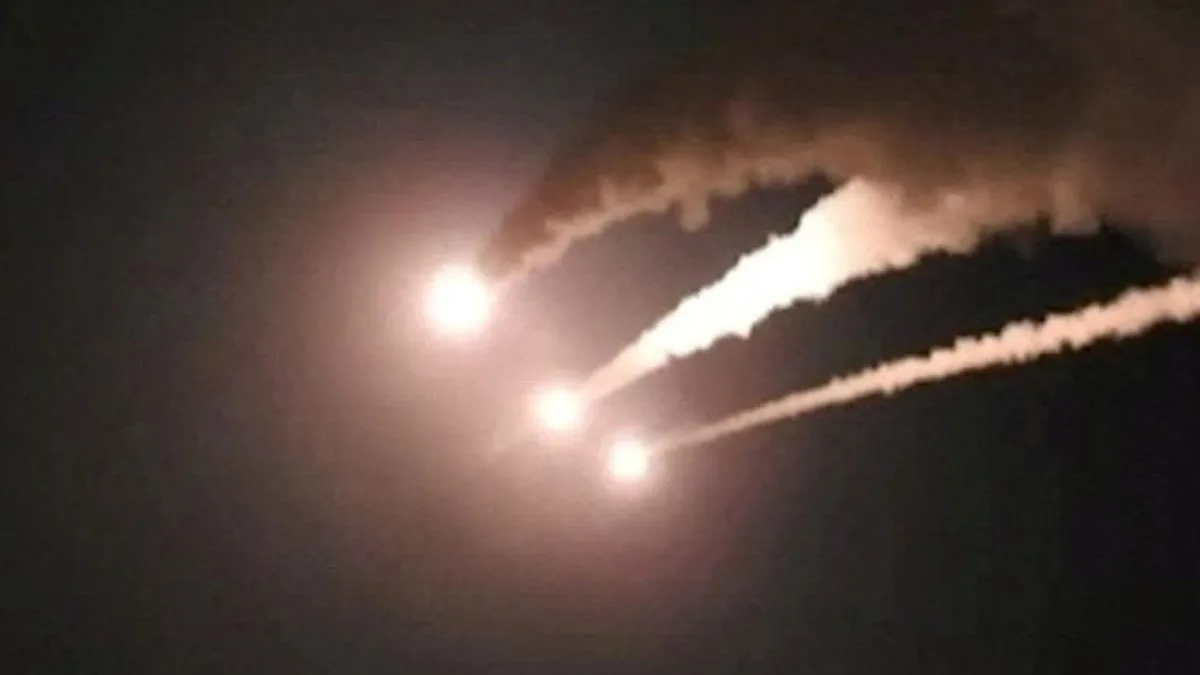
Explosions were reported across southern and central Iran after the US announced a new military offensive, while Kuwait activated air defences and regional tensions continued to spread.

Iran's Revolutionary Guard claimed it received intelligence from individuals in Jordan to strike US military targets, as Washington continued air strikes and regional tensions spread across the Gulf.
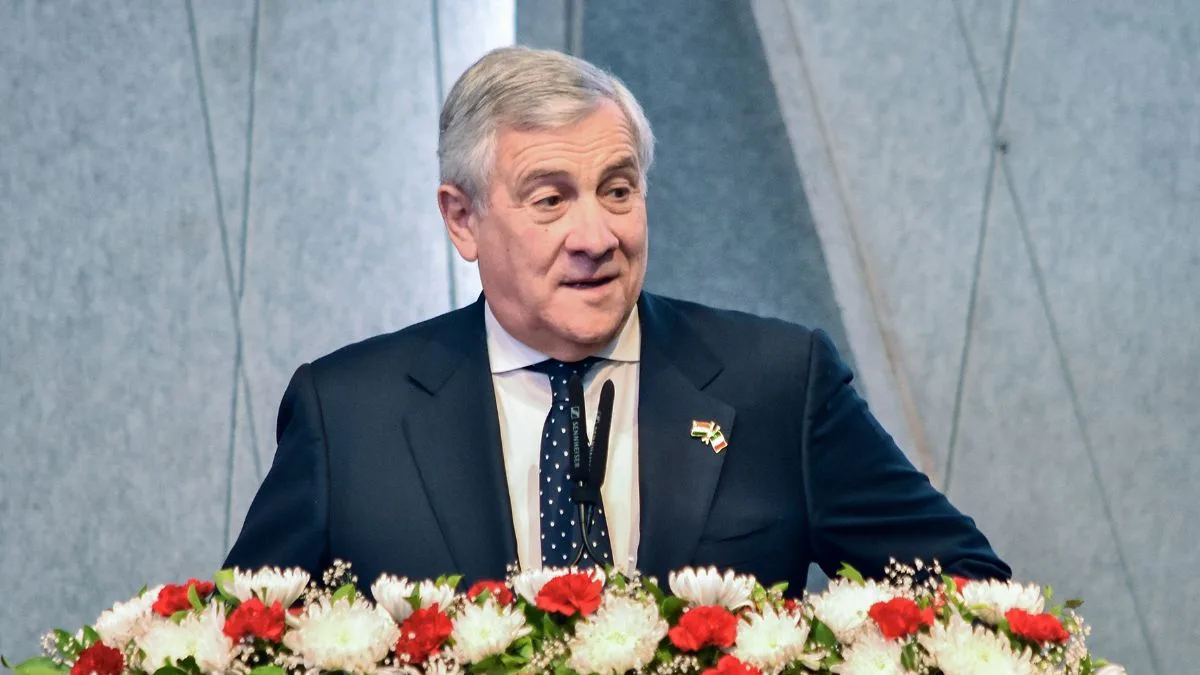
Italy has rejected allegations that it allowed its territory to be used for attacks on Iran, while urging Tehran to reopen the Strait of Hormuz to allow commercial shipping to resume. The diplomatic exchange follows remarks by NATO Secretary-General Mark Rutte that sparked political controversy.

In a rare bipartisan vote, the US Senate approved a resolution seeking to restrict President Donald Trump's authority to engage in military action against Iran without congressional approval, intensifying the debate over presidential war powers.

It was Benjamin Netanyahu who pushed Donald Trump into the Iran conflict promising multiple gains, including regime change, degradation of the IRGC and surrender of Iran with just a short and swift bombing campaign.
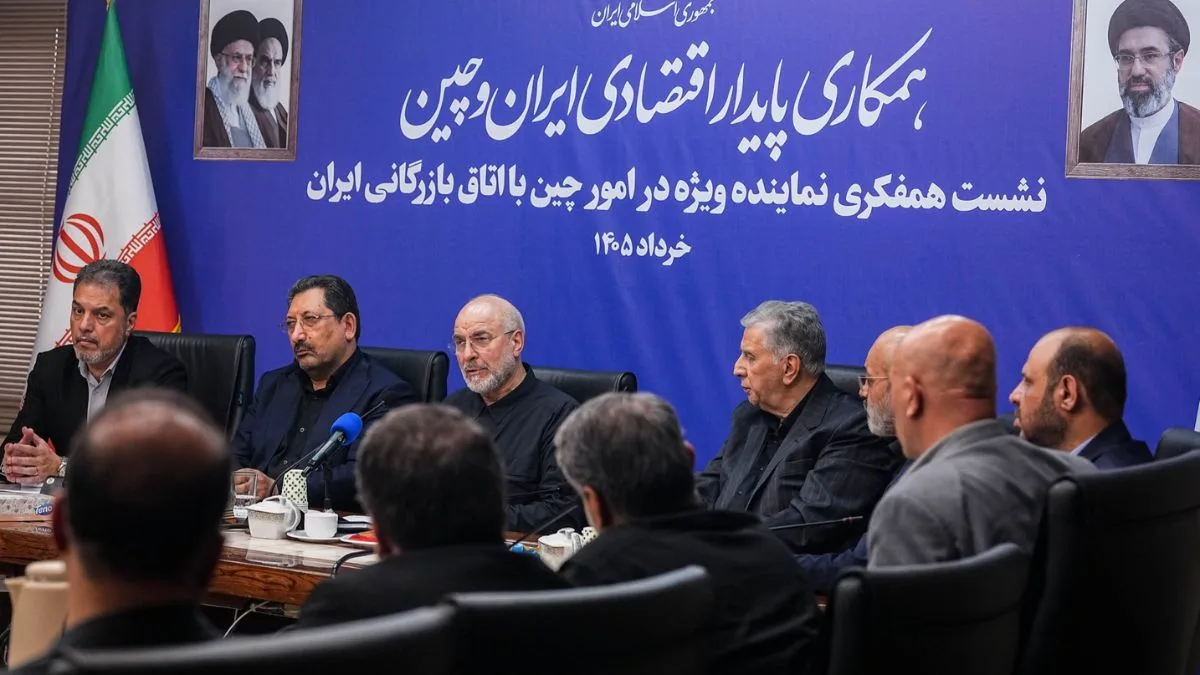
Iran's Parliament Speaker Mohammad Bagher Ghalibaf said the Strait of Hormuz would not return to its pre-war operating framework, while claiming Tehran secured diplomatic gains during recent talks with the United States in Switzerland.

Iranian parliamentary leader Ebrahim Azizi criticised Donald Trump's remarks on the Strait of Hormuz, while the US and Iran opened a direct communication channel aimed at ensuring safe passage for commercial vessels.
![‘Beginning of accountability’: Sonam Wangchuk reveals 3 written assurances from Centre before ending fast [VIDEO]](https://www.thestatesman.com/wp-content/uploads/2026/07/Sonam-Wangchuk-1-1.webp)