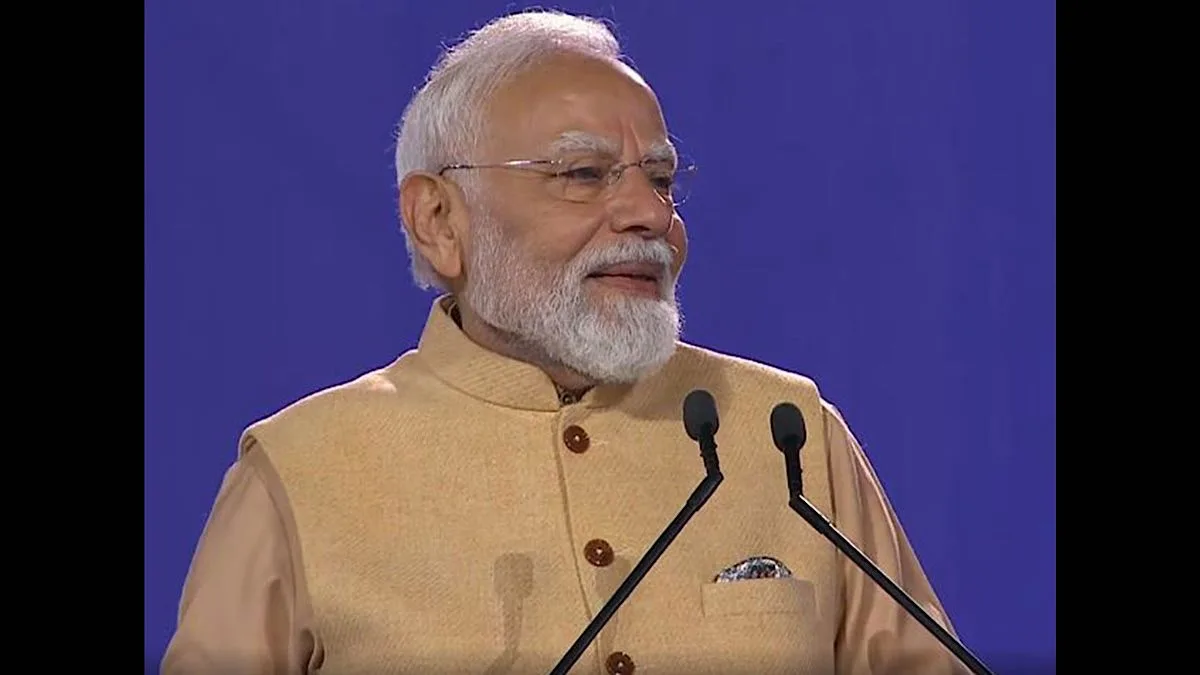
From India’s 7.7% growth to Skyroot’s success: 10 key takeaways from PM Modi’s Monsoon Session address
From India's 7.7% growth to Parliament debates and Skyroot's young team, here are the 10 biggest takeaways from PM Modi's Monsoon Session address.
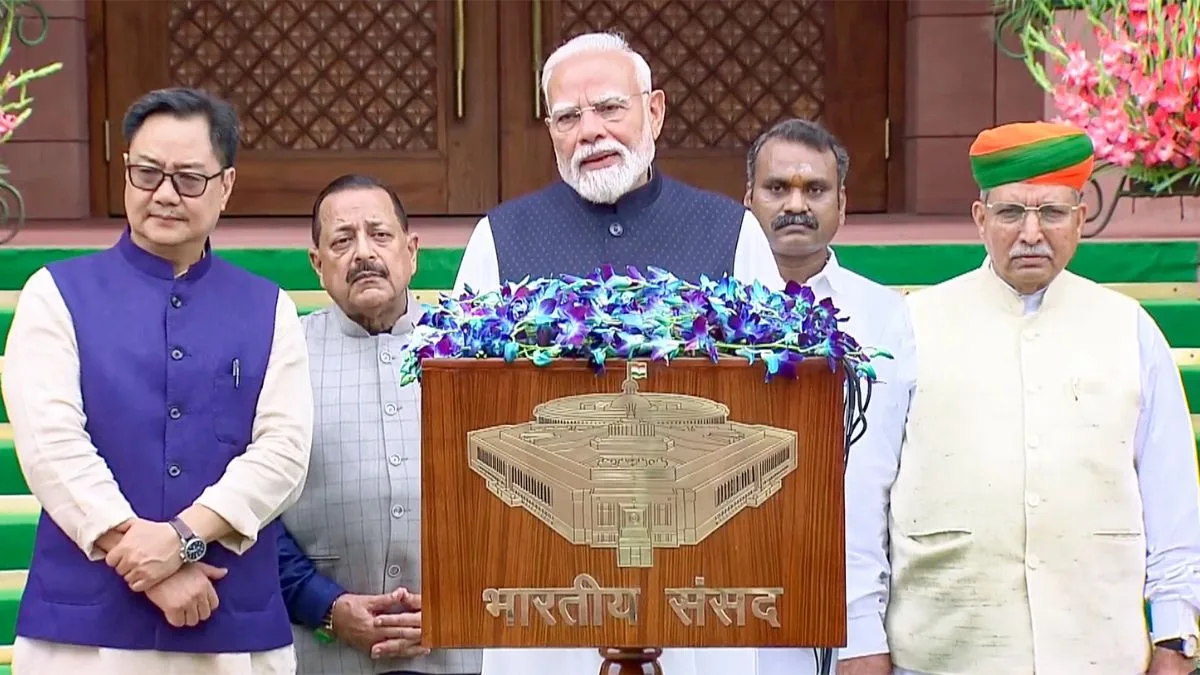
From India's 7.7% growth to Parliament debates and Skyroot's young team, here are the 10 biggest takeaways from PM Modi's Monsoon Session address.

India’s economic story has reached an unusual turning point. For years, policymakers focused on removing the structural bottlenecks that discouraged private investment.
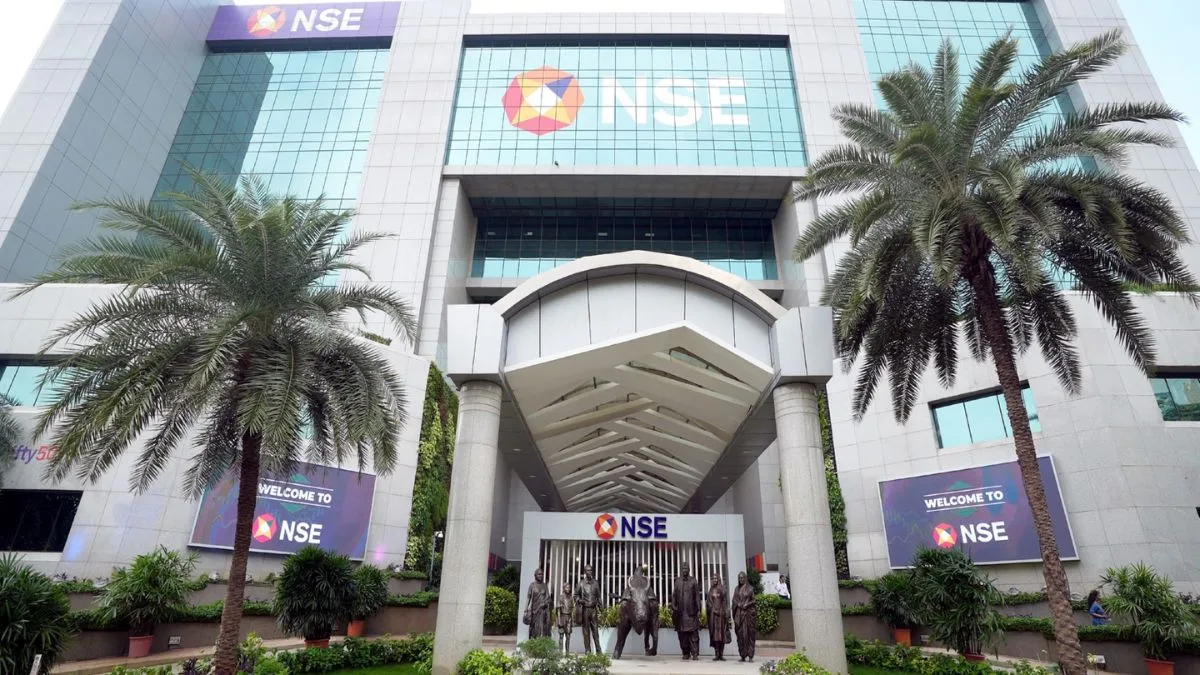
NSE has filed draft IPO documents with SEBI for an offer involving nearly 149 million shares. The issue is expected to be worth around Rs 30,000 crore and could become India's largest-ever public offering.
Neelkanth Mishra noted that the cushion available within the pricing system remains adequate and that earlier fears of significantly larger fuel subsidies have not materialised.
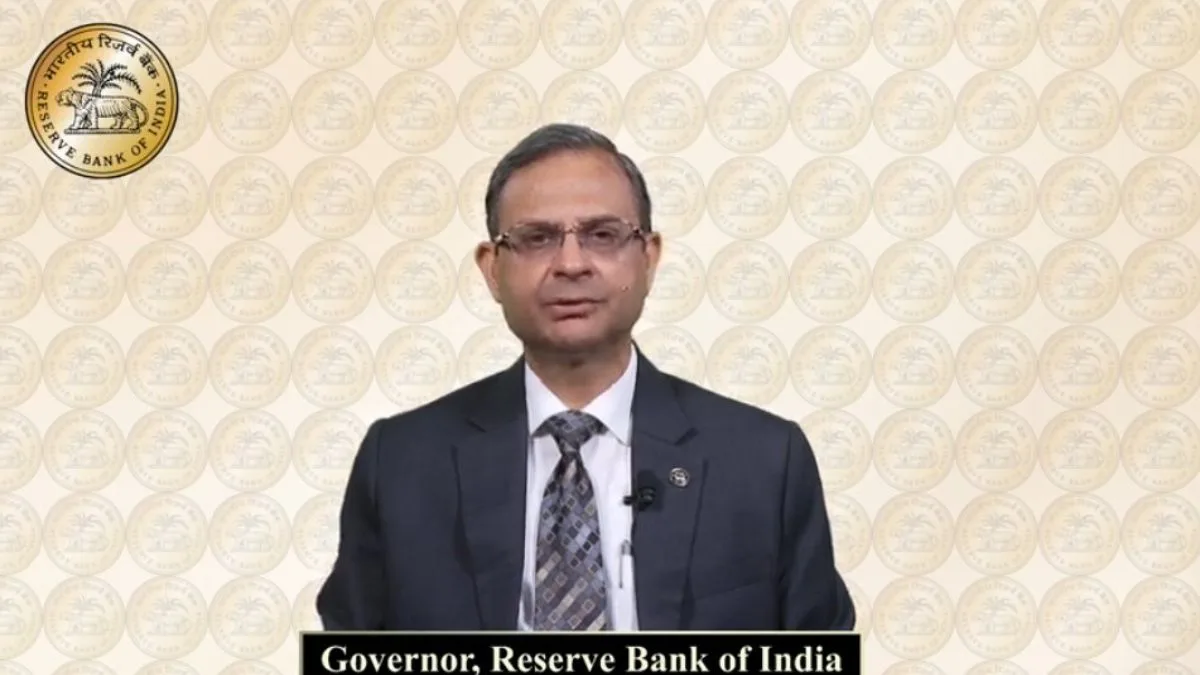
The RBI maintained the status quo on interest rates and signalled confidence in India's ability to navigate global volatility despite geopolitical and market uncertainties.

This growth forecast underscores India’s position as the fastest-growing major economy for the fourth consecutive year.

At the close, the Sensex rose 487.20 points, or 0.60 per cent, to settle at 82,344.68, while the Nifty gained 167.35 points, or 0.66 per cent, to end at 25,342.75.

"I am confident that Union Finance Minister Nirmala Sitharaman will present another transformative Union Budget on February 1," said Sanjay Tandon.
At the close, the Sensex rose 319.78 points, or 0.39%, to 81,857.48, while the Nifty gained 126.75 points, or 0.51%, to 25,175.40.
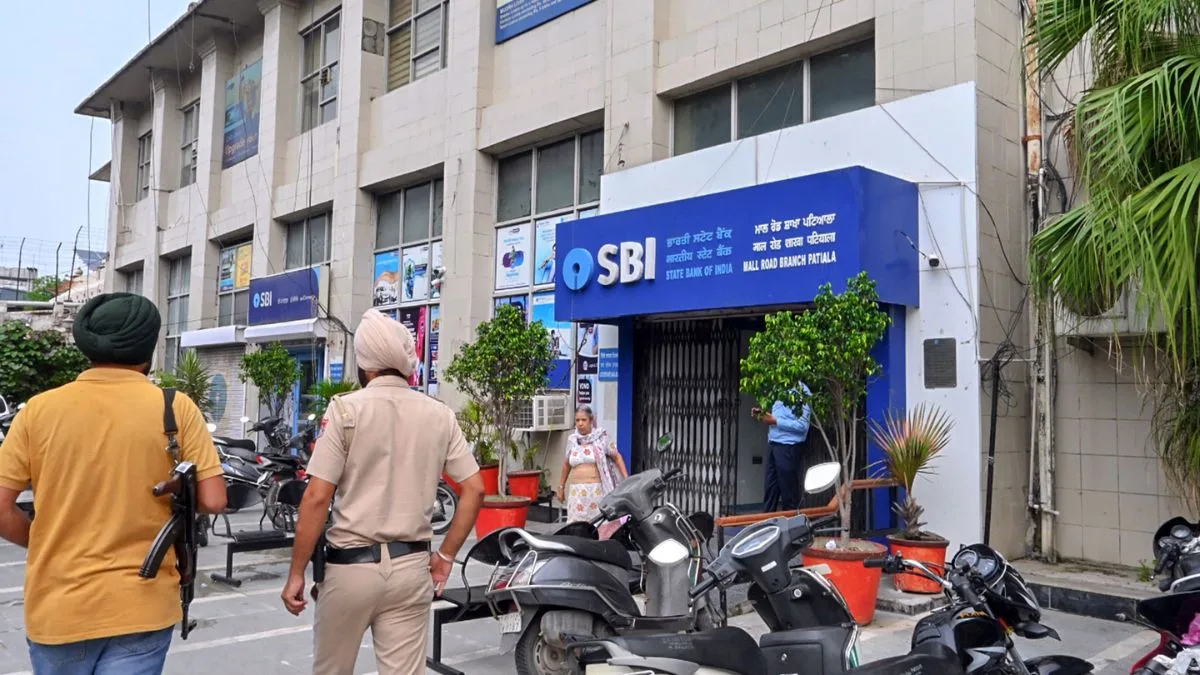
In its “Prelude to Union Budget 2026–27”, SBI Research projects India’s fiscal deficit at around 4.2 per cent of GDP in FY27, supported by nominal GDP growth of 10.5–11 per cent, despite potential inflationary pressures from global commodities.