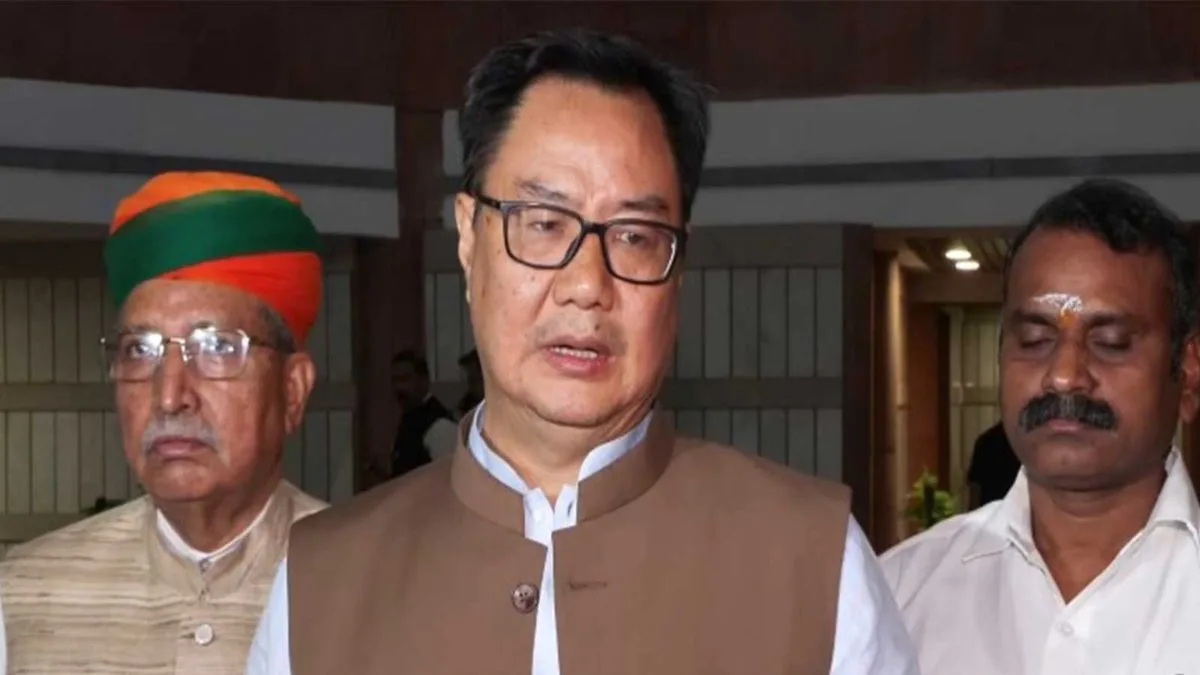
From India’s 7.7% growth to Skyroot’s success: 10 key takeaways from PM Modi’s Monsoon Session address
From India's 7.7% growth to Parliament debates and Skyroot's young team, here are the 10 biggest takeaways from PM Modi's Monsoon Session address.
In its “Prelude to Union Budget 2026–27”, SBI Research projects India’s fiscal deficit at around 4.2 per cent of GDP in FY27, supported by nominal GDP growth of 10.5–11 per cent, despite potential inflationary pressures from global commodities.




File Photo: ANI
The Union Budget for 2026–27 is likely to be framed against heightened global uncertainty, volatile financial markets, and rising commodity prices, even as India remains a relative “island of stability,” according to a pre-Budget report by SBI Research.
In its “Prelude to Union Budget 2026–27”, SBI Research projects India’s fiscal deficit at around 4.2 per cent of GDP in FY27, supported by nominal GDP growth of 10.5–11 per cent, despite potential inflationary pressures from global commodities.
Advertisement
The report cautions that a slower nominal growth could weigh on tax revenues, necessitating tighter expenditure planning, although GST rationalisation and personal income tax measures could offer some cushion.
Advertisement
Net central government borrowing is expected to rise moderately to about Rs 11.7 lakh crore in FY27, while state gross borrowings may touch Rs 12.6 lakh crore, underscoring the need for closer coordination between the Centre, states and the Reserve Bank of India to manage market liquidity through tools such as open market operations.
SBI Research reiterated the government’s medium-term objective of bringing central debt down to around 50 per cent of GDP by FY31, calling for a more institutionalised, scenario-based debt framework at the state level as well.
Government capital expenditure is projected to cross Rs 12 lakh crore in FY27, marking a year-on-year growth of about 10 per cent, as infrastructure spending continues to anchor economic momentum.
Effective capex, including grants for asset creation and CPSE investments, is expected to remain elevated at around 5.5 per cent of GDP.
Direct taxes are estimated to account for 59 per cent of total tax revenue in FY26, the highest share in 15 years, with personal income tax collections continuing to outpace corporate tax receipts.
Non-tax revenues are seen growing modestly, with disinvestment receipts potentially influenced by market volatility. States are projected to receive around 54 per cent of gross tax revenue through tax devolution and grants, though the report flagged the need for greater clarity on the timing and quantum of transfers.
SBI Research also outlined several reform suggestions, including parity in tax treatment of bank deposit interest with capital gains to boost household savings, simplification of GST provisions to reduce litigation, and a stronger policy push to revive insurance and pension penetration. The report highlighted the decline in insurance penetration to 3.7 per cent in FY25 and called for targeted tax incentives, digital distribution and risk-based capital norms to support the sector.
Advertisement