From India’s 7.7% growth to Skyroot’s success: 10 key takeaways from PM Modi’s Monsoon Session address
From India's 7.7% growth to Parliament debates and Skyroot's young team, here are the 10 biggest takeaways from PM Modi's Monsoon Session address.
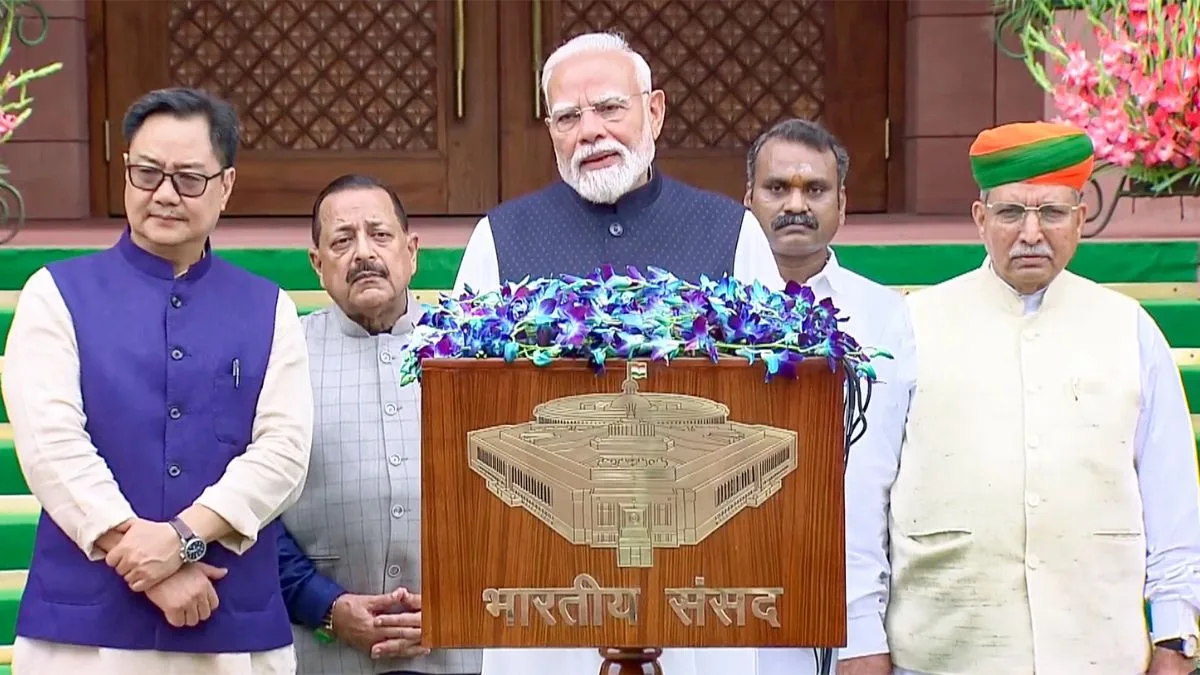
From India's 7.7% growth to Parliament debates and Skyroot's young team, here are the 10 biggest takeaways from PM Modi's Monsoon Session address.

India’s economic story has reached an unusual turning point. For years, policymakers focused on removing the structural bottlenecks that discouraged private investment.
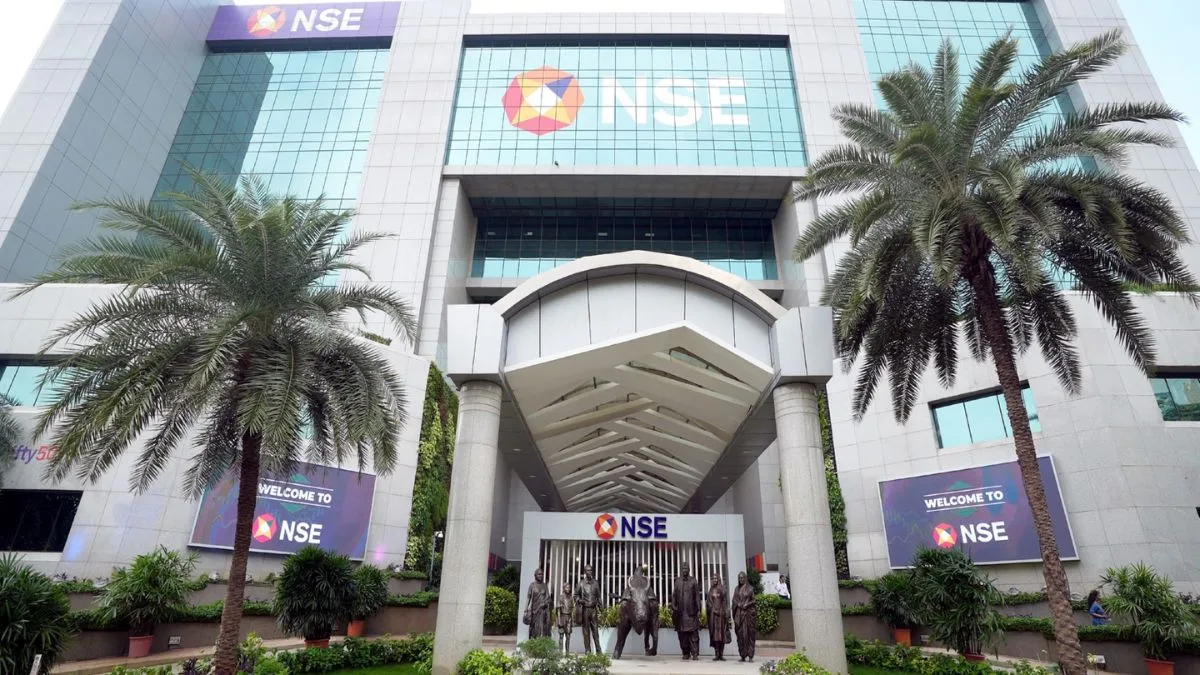
NSE has filed draft IPO documents with SEBI for an offer involving nearly 149 million shares. The issue is expected to be worth around Rs 30,000 crore and could become India's largest-ever public offering.
Neelkanth Mishra noted that the cushion available within the pricing system remains adequate and that earlier fears of significantly larger fuel subsidies have not materialised.
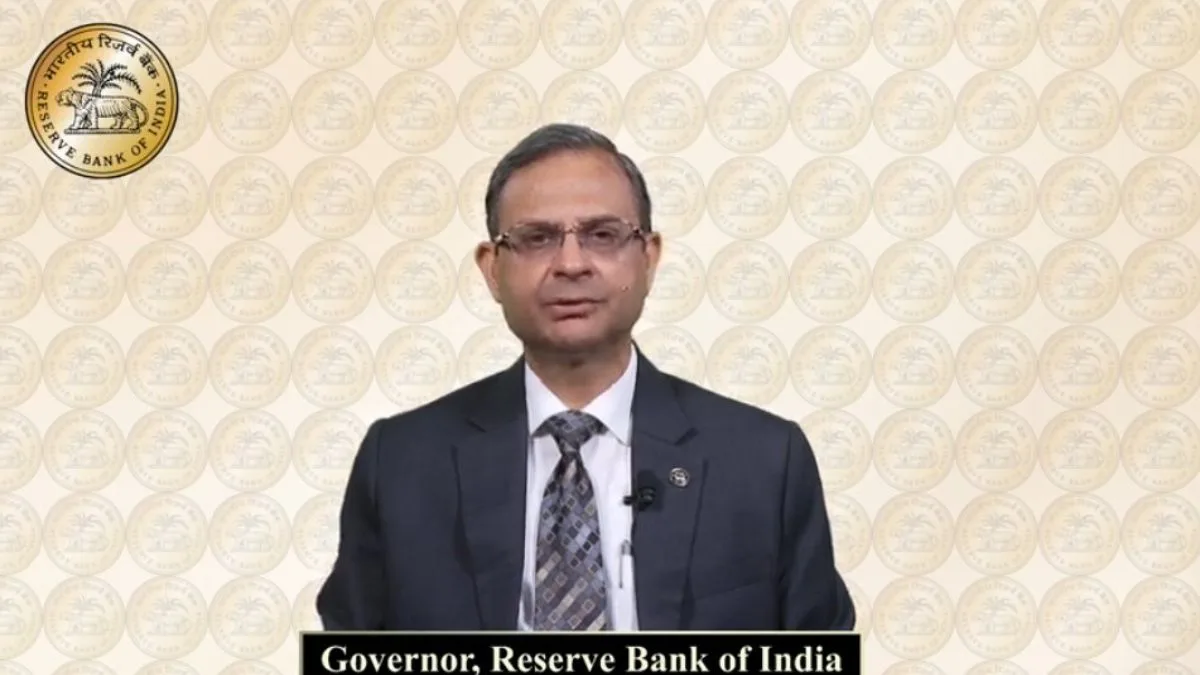
The RBI maintained the status quo on interest rates and signalled confidence in India's ability to navigate global volatility despite geopolitical and market uncertainties.

Talking about the recalibration of the Securities Transaction Tax (STT) mentioned in the budget, BSE's MD and CEO Sundararaman Ramamurthy said that it is designed to discourage speculation and encourage investor focus on long-term equity participation.

A recent Supreme Court judgment on the taxation of a high-profile foreign investment exit has reopened an old and uncomfortable debate in India’s economic journey: how far can sovereign tax authority stretch before it begins to undermine investor confidence.
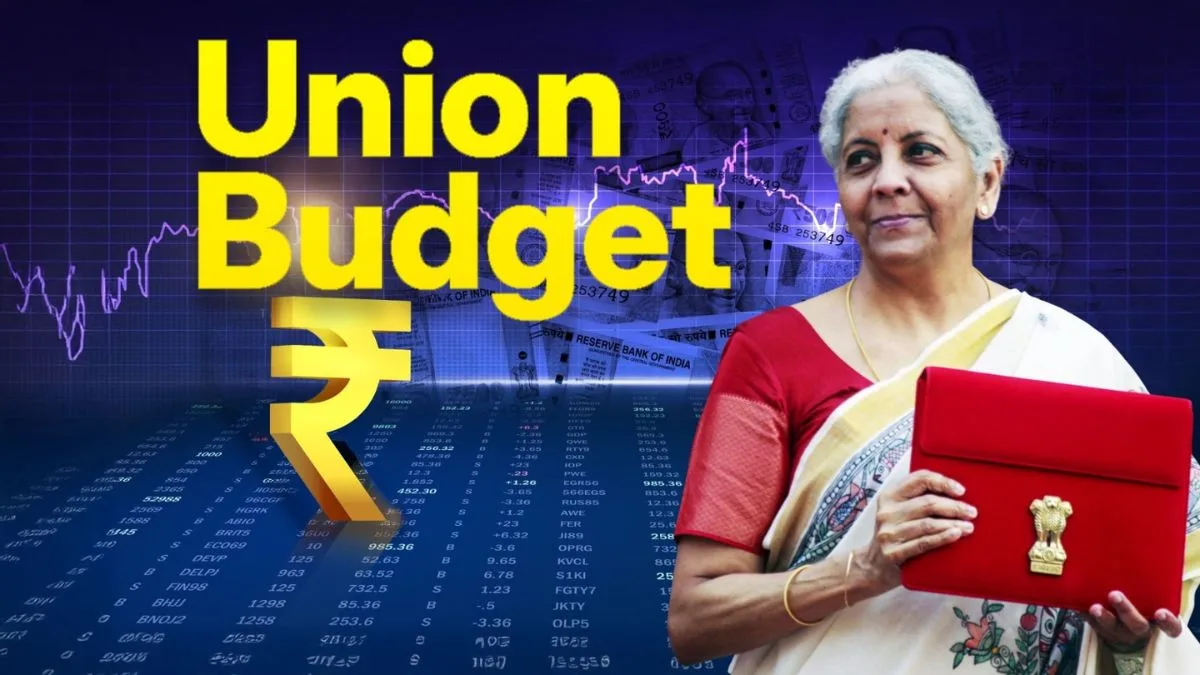
The Budget comes at a time when India remains one of the fastest-growing major economies, even as global growth moderates due to geopolitical uncertainties, tight financial conditions and slowing demand in key markets.

Ramesh raised two major concerns that could undermine the Budget’s credibility

That reform burst is of course also a must, if North Bloc’s Mandarins wish to push the country’s GDP to grow by the projected 6.8 and 7.2 per cent, despite the fact that the larger global economy remains buffeted by protectionist tariffs, and geopolitical friction.