Print or Digital?
Is Generation Z (or Gen Z) really out and out rejecting hardcopies of things, like books, and opting for the digital versions or softcopies? Do they even read the newspaper, far less in print?

Is Generation Z (or Gen Z) really out and out rejecting hardcopies of things, like books, and opting for the digital versions or softcopies? Do they even read the newspaper, far less in print?

For the past few years, we have been fed a pretty polished narrative: young people, who grew up with smartphones glued to their hands and algorithms dictating their feeds, must be absolutely thrilled about generative artificial intelligence.
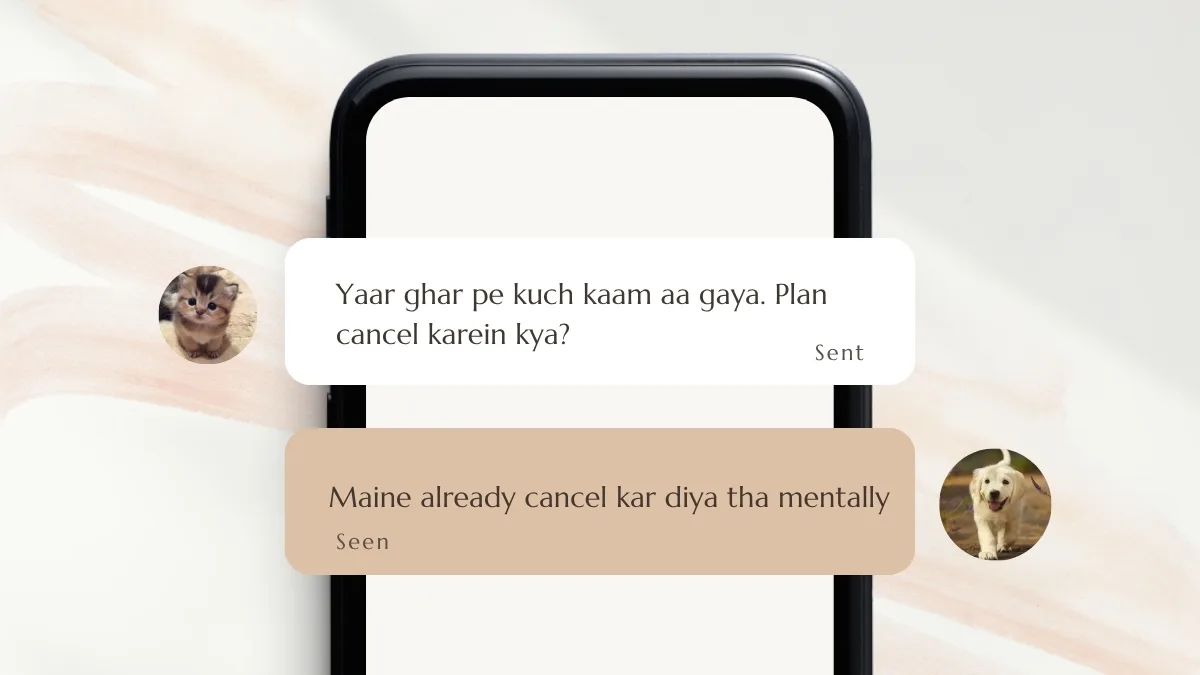
Someone just cancelled on you. You pretended to be sad for exactly four seconds. Then you pulled up Netflix, got under the blanket, and had the best Friday night of your month.

Gen Z does not find movies through trailers on TV. They find content through people they trust on platforms they actually use. Hollywood has not caught up.

Mental health coverage, genuine flexibility, purpose-driven roles, and psychological safety are not perks. For Gen Z, they are the minimum bar for staying.
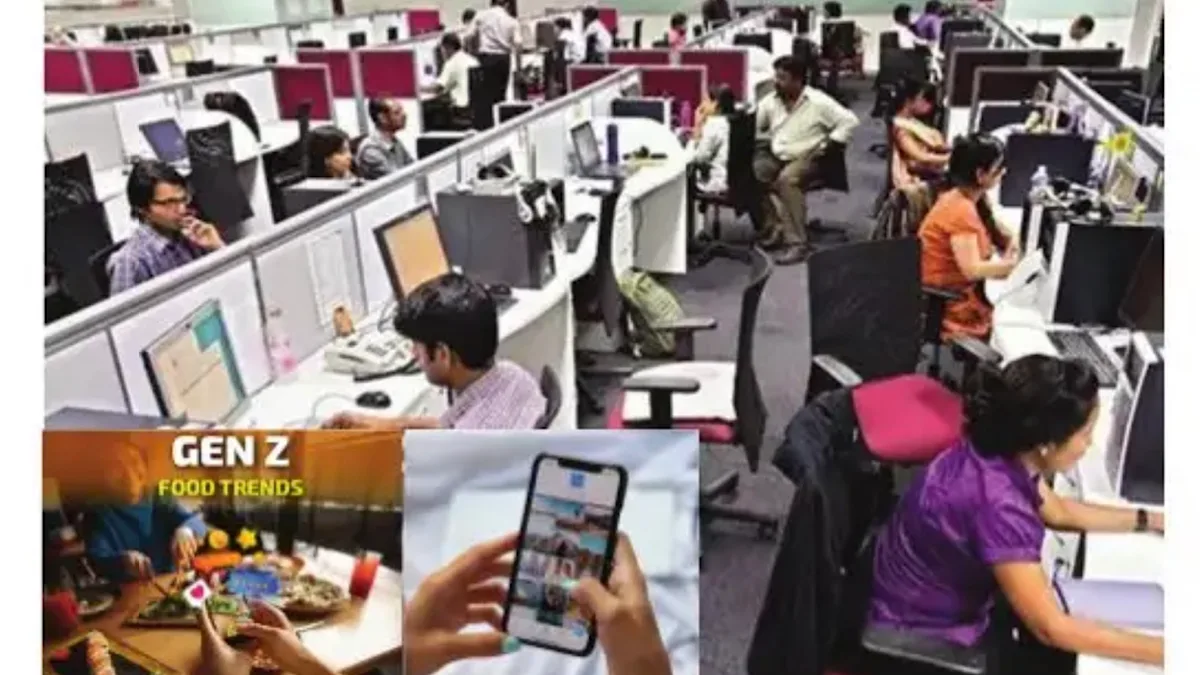
In spite of the unapologetic embrace of the motto “more is more” by Gen Z, growing up mostly online, happiness has remained elusive to many of this generation across the globe.

Dipping temperatures set in the perfect vibe for warming olfactive revelry.
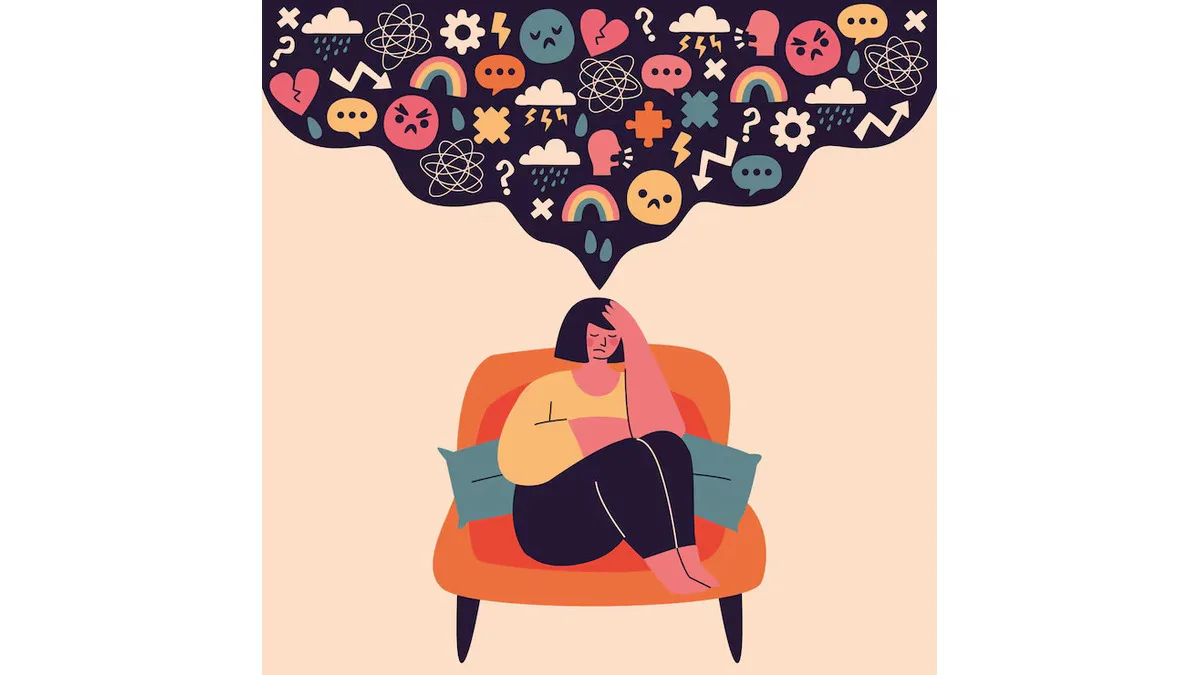
Mental health was once taboo. In many homes, it still can be. But today, scroll past the feed of any Gen Z netizen and you will see it: Therapy memes. Self-care rituals. A whole Instagram carousel on burnout.
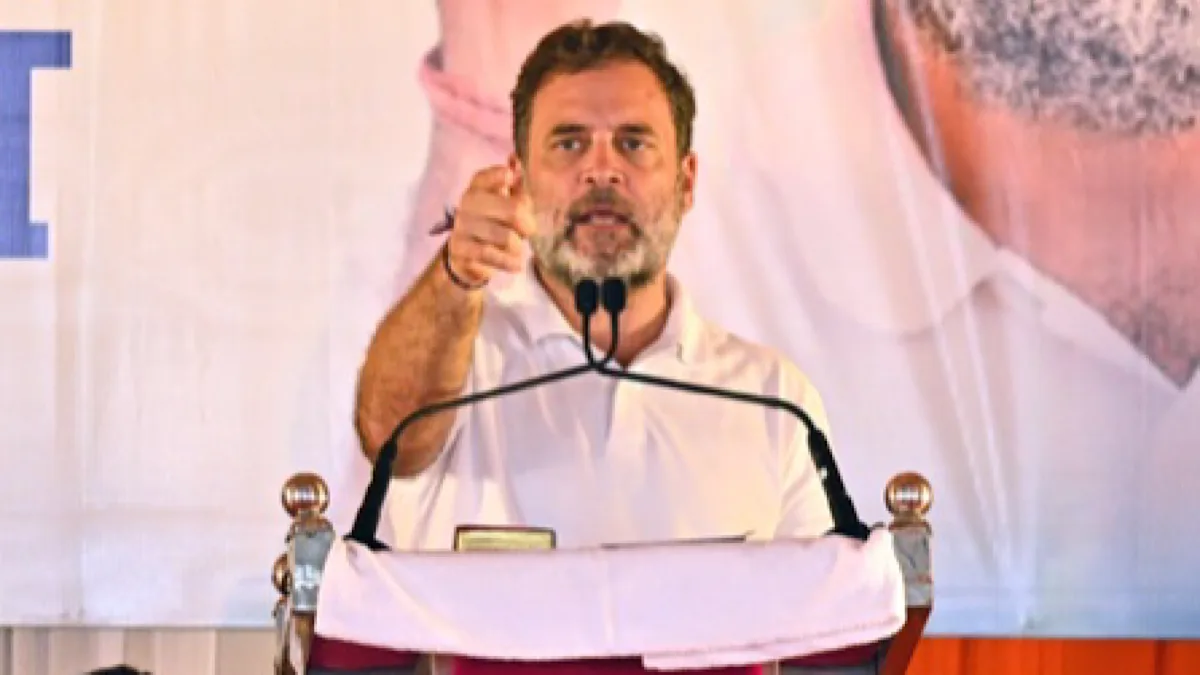
Gandhi praised Gen Z's values, highlighting their commitment to truth, non-violence, and social justice. He expressed excitement about their entry into politics, expecting them to bring positive change.

The recent wave of youth-led protests across South Asia, particularly in Nepal, preceded by similar upheavals in Bangladesh and Sri Lanka, characterized by increasing violence, looting, and vandalism is a wake-up call for other regional states.