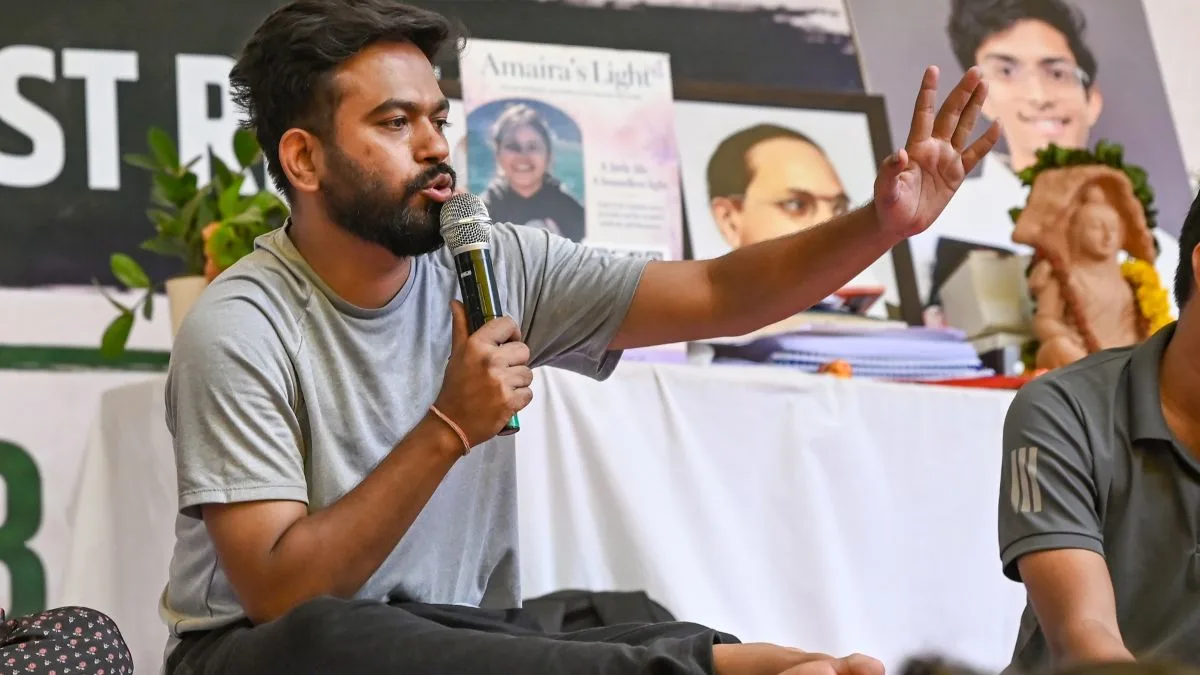
Sonam Wangchuk’s hunger strike has entered a new phase, and so has the language around it. What started as a call for education minister Dharmendra Pradhan to step down now sounds a lot more like a request for accountability or assurance. The shift is subtle, but it is hard to miss once you line up the statements side by side.
What Sonam Wangchuk said On July 20
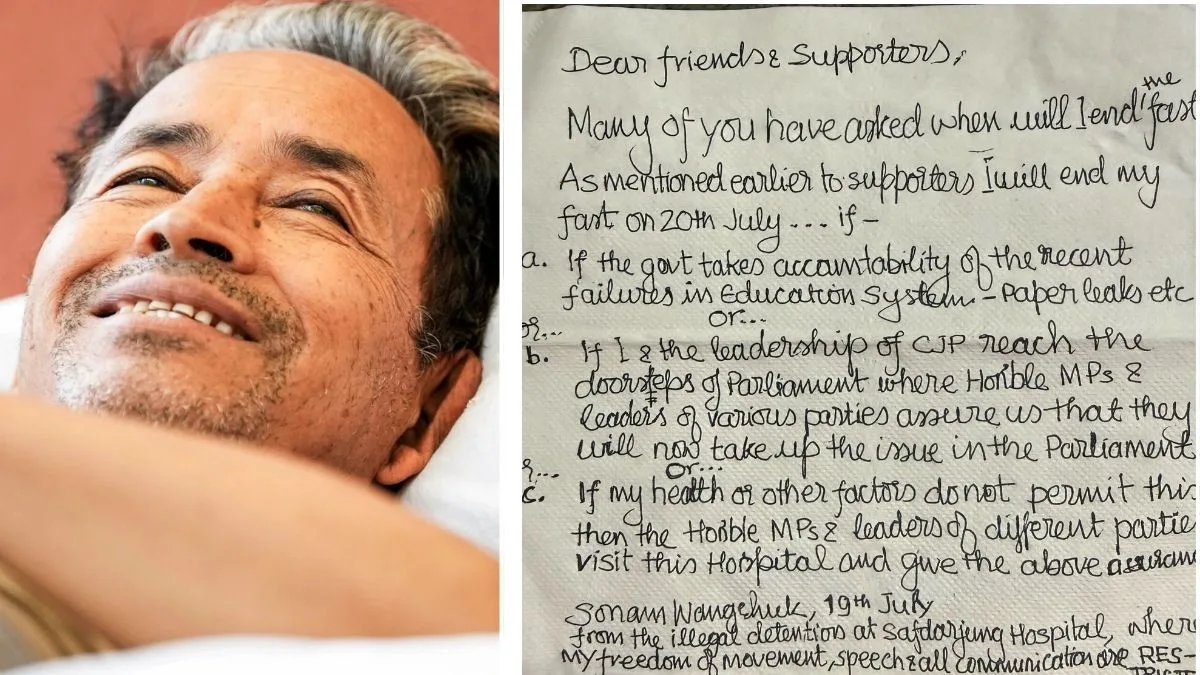
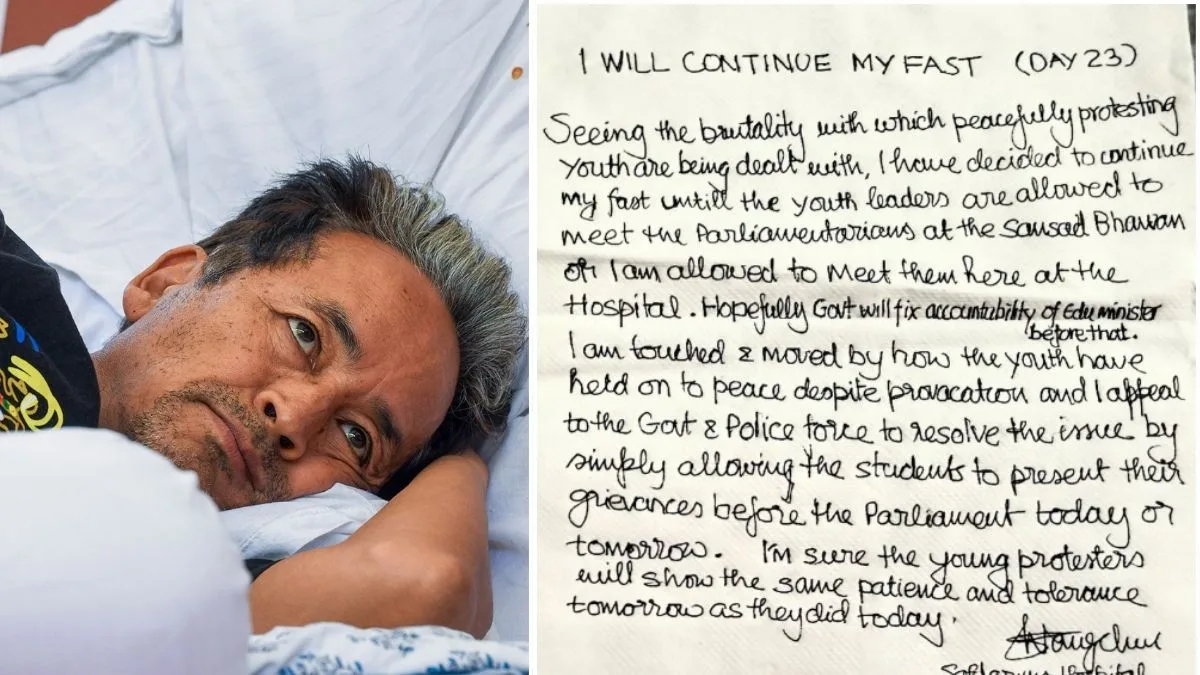
In a message shared from Safdarjung Hospital, where he says his movement and communication are restricted, Sonam Wangchuk laid out three conditions for ending his fast. He wants the government to own up to recent failures in the education system, including paper leaks. He also wants either a meeting at Parliament’s doorstep with MPs who promise to raise the issue, or, if his health does not allow that, a visit from leaders to the hospital carrying the same assurance.
Advertisement
Nowhere in this list is there a demand for anyone’s resignation. The word he keeps returning to is accountability.
His wife’s version points the same way
His wife, Gitanjali Angmo, addressed supporters on Sunday night and repeated the same framing. She said he would end his strike if political leaders visited him at the hospital and promised that education accountability and reform would be the central issue of the Monsoon Session.
She added that he has not broken his fast even after two days in hospital, and that he will only stop once he gets assurance that Parliament, the country’s biggest platform, will take up the matter.
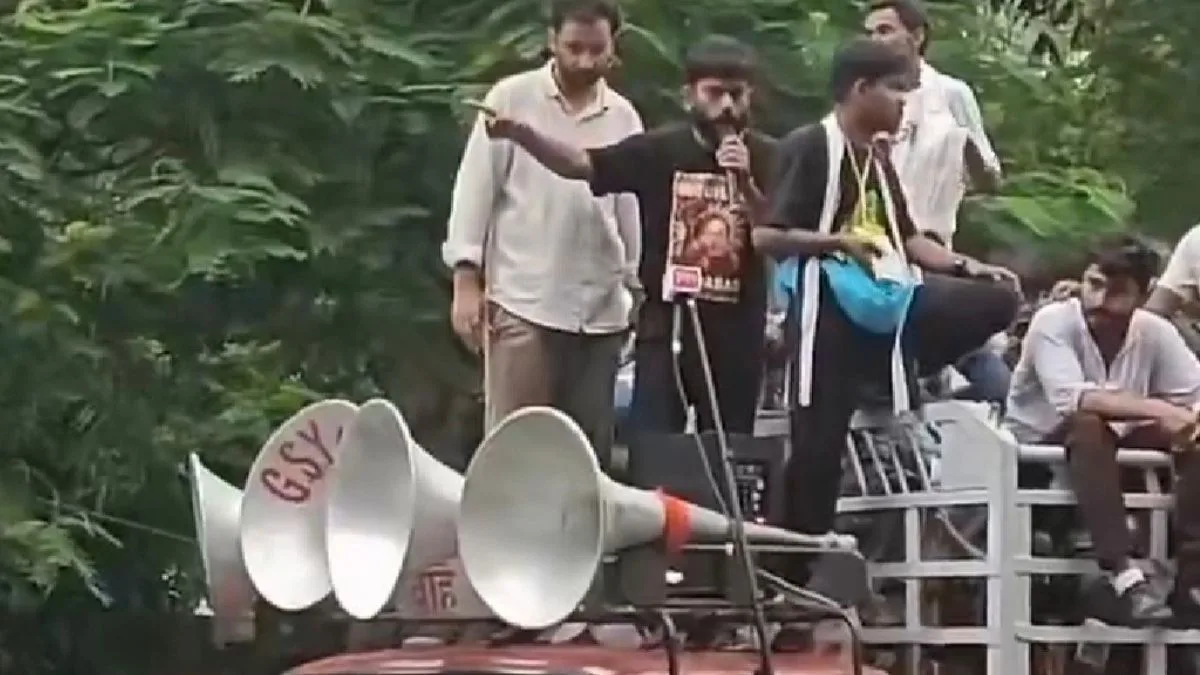
Angmo also passed on his appeal to supporters ahead of the Chalo Sansad march planned for Monday, asking them to keep the protest peaceful and not let it be hijacked.
Again, ‘resignation’ is absent. The ask has narrowed to a parliamentary discussion and a public commitment to reform.
The Cockroach Janta Party statement complicates the picture
Late Sunday night, the Cockroach Janta Party put out a statement timed at 2:30 am, insisting its position has not moved. It said the demand from the government remains accountability from Pradhan for the deaths of more than 20 students by suicide, along with compensation of Rs 1 crore for each family. It called the movement unfinished business until justice is delivered.
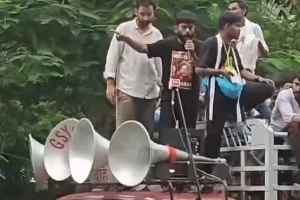
The statement confirmed the Chalo Sansad march would go ahead as planned, with Wangchuk’s backing, and demanded his release from what it called forced hospital detention so he could join the 9 am march himself. It said Angmo would march in his place if he is not allowed to leave.
Read closely, this statement uses the same word Sonam Wangchuk and Angmo used. Accountability. Not resignation. Even though the group insists nothing has changed, the specific demand for Pradhan to quit is missing from this statement too.
Summing up
Wangchuk’s original protest, going back to his earlier fasts over Ladakh’s statehood and Sixth Schedule status, was built on very specific, hard asks. The education movement that followed after the student suicides also began with a clear call for Pradhan’s resignation. That was the headline demand for weeks.
What is on record now, from three separate sources in the space of a day, is softer. Accountability can mean a resignation. It can also mean an apology, a probe, a policy change, or simply a debate in Parliament. It is a word with room to manoeuvre, and that is exactly the problem for anyone trying to track what this protest is actually demanding.
Deflection or strategy?
There are two ways to read this. One is that the movement has scaled back its demand because a resignation was never realistically going to happen, and continuing to insist on it risked making the entire hunger strike look like a failure. Shifting to accountability lets both sides claim a partial win if Parliament even discusses the issue.
The other reading is less generous. It suggests the protest leadership is aware that public attention has moved past original resignation demand, and repackaging it as accountability is way to keep movement alive without admitting the original goal was not met.