Print or Digital?
Is Generation Z (or Gen Z) really out and out rejecting hardcopies of things, like books, and opting for the digital versions or softcopies? Do they even read the newspaper, far less in print?

Is Generation Z (or Gen Z) really out and out rejecting hardcopies of things, like books, and opting for the digital versions or softcopies? Do they even read the newspaper, far less in print?

For the past few years, we have been fed a pretty polished narrative: young people, who grew up with smartphones glued to their hands and algorithms dictating their feeds, must be absolutely thrilled about generative artificial intelligence.
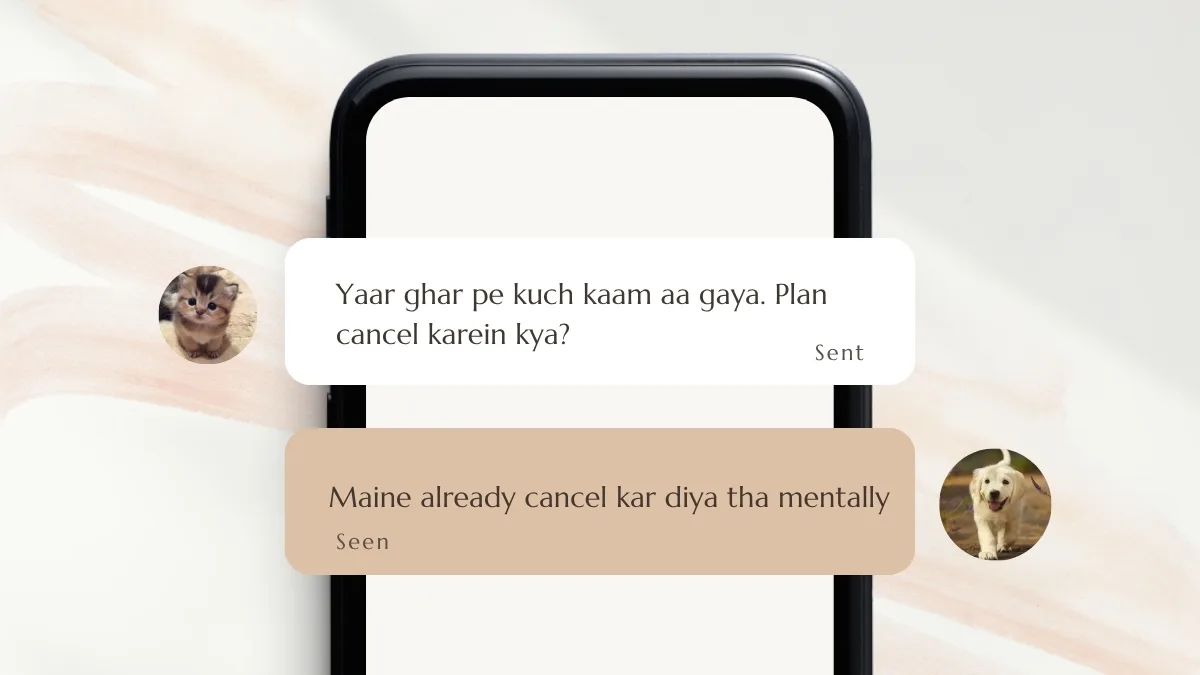
Someone just cancelled on you. You pretended to be sad for exactly four seconds. Then you pulled up Netflix, got under the blanket, and had the best Friday night of your month.

Gen Z does not find movies through trailers on TV. They find content through people they trust on platforms they actually use. Hollywood has not caught up.
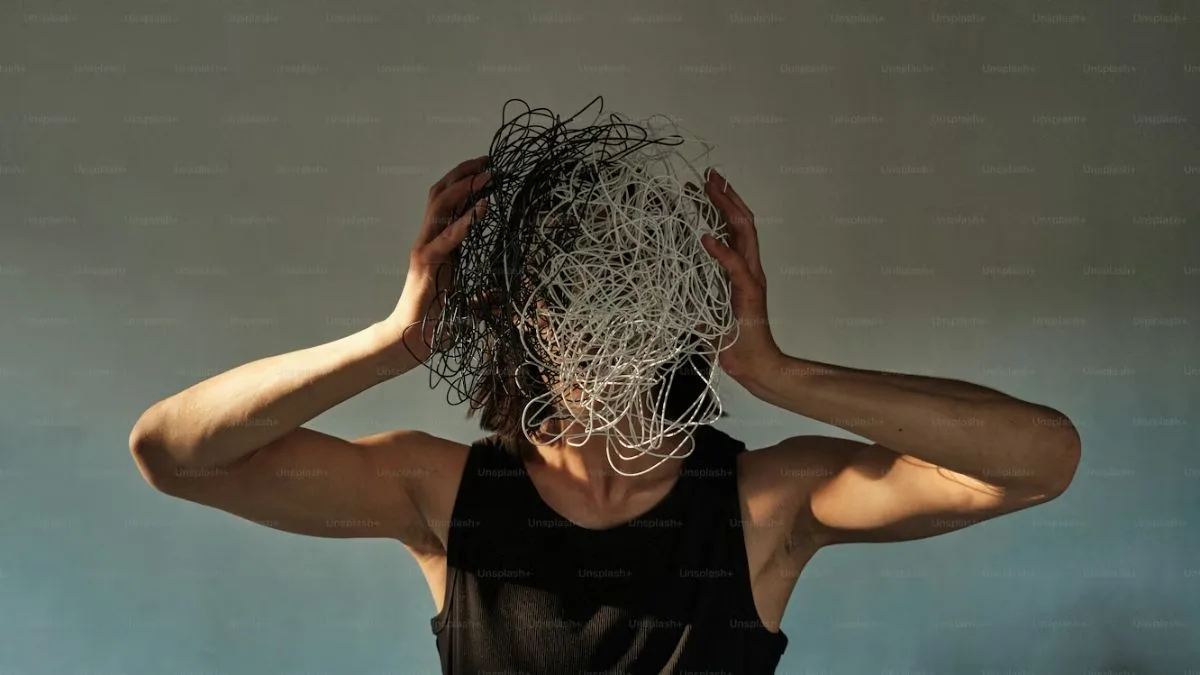
Mental health coverage, genuine flexibility, purpose-driven roles, and psychological safety are not perks. For Gen Z, they are the minimum bar for staying.
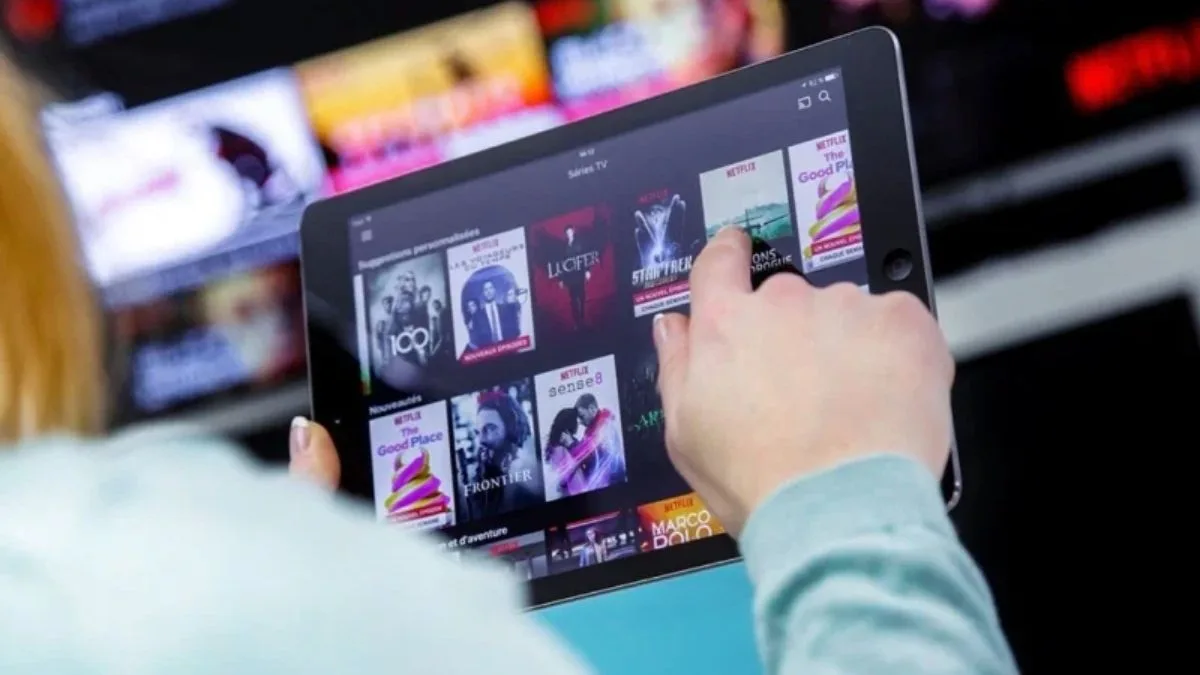
Gen Z is reshaping how entertainment is consumed, with most users switching streaming platforms just to watch a single show or film before cancelling again.

Across the country, young Indians are flocking to concerts that blend devotional bhajans with contemporary rhythms and songs. The popularity of “bhajan clubbing” is not a passing cultural fad.

The soft life trend is gaining momentum in India as Gen Z moves away from hustle culture and burnout. Here’s what it means, why it’s trending, and whether it’s here to stay.
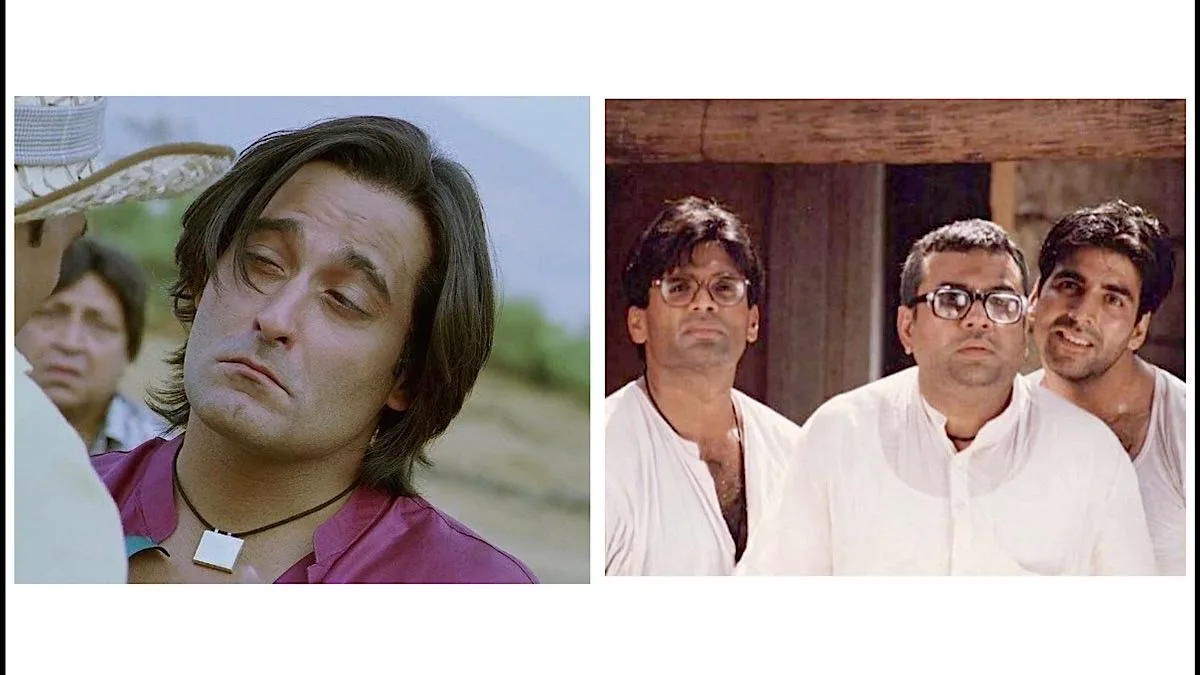
There is something quietly revealing about the way nostalgia functions for Gen Z. It now arrives compressed, aestheticised, and instantly consumable.

As Gen Z gains greater visibility in the political domain, they appear to redraw the contours of public discourse and political lingua.