Science Dividend
India's economic rise has produced a new class of billionaires whose philanthropy can shape the country’s future as much as their businesses.

India's economic rise has produced a new class of billionaires whose philanthropy can shape the country’s future as much as their businesses.
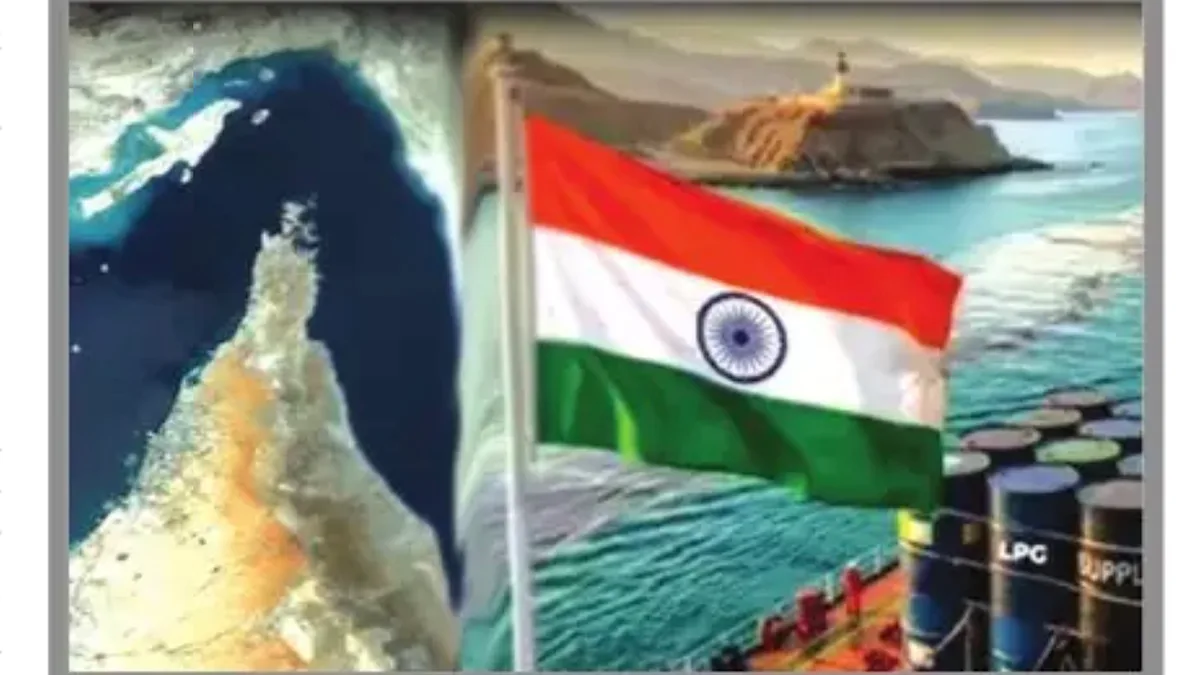
Geopolitical crises early arrive with neat labels. They unsettle markets, test diplomacy and expose economic vulnerabilities.
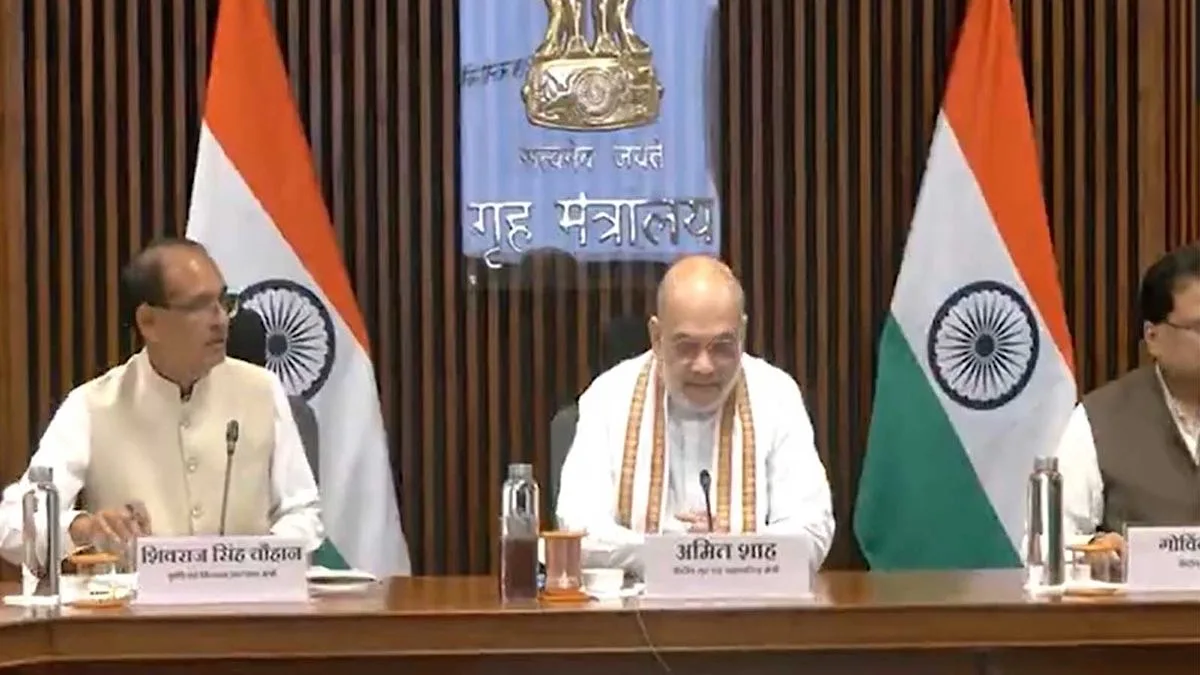
The Prime Minister's Office (PMO) on Tuesday conducted a high-level review of the country's preparedness for the possible impact of El Niño on agriculture and other sectors of the economy.
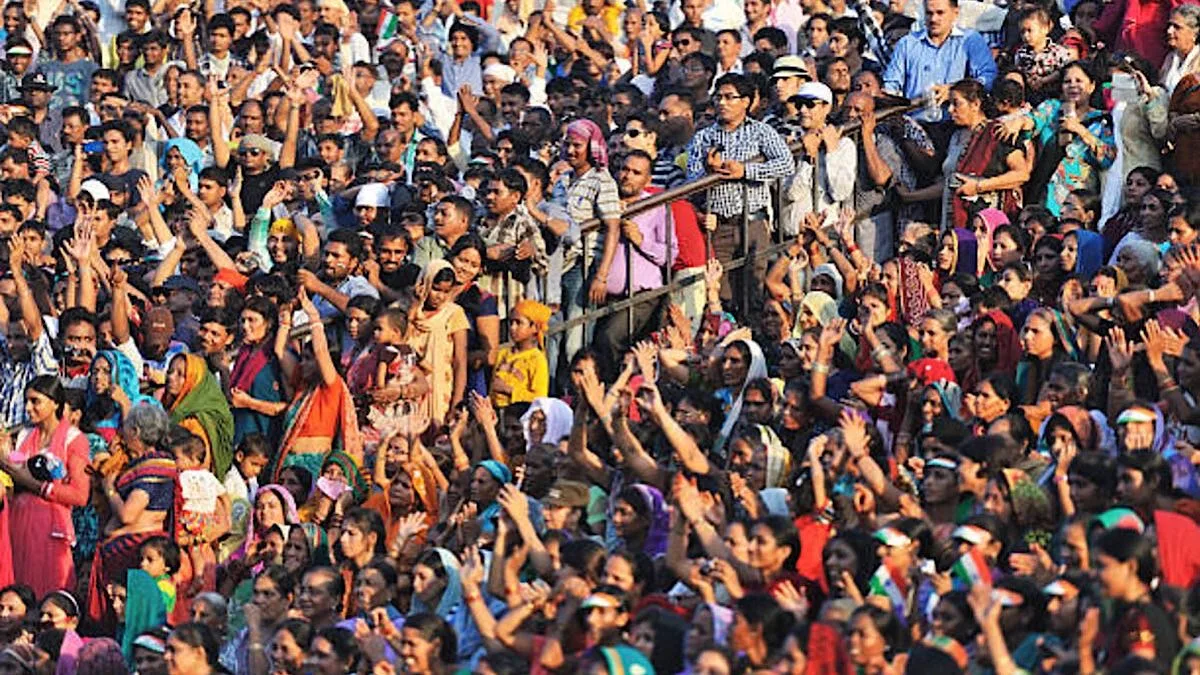
India is frequently celebrated as the world’s youngest major democracy. With more than half of its population below the age of thirty, the country possesses a demographic advantage that many developed economies can only envy.
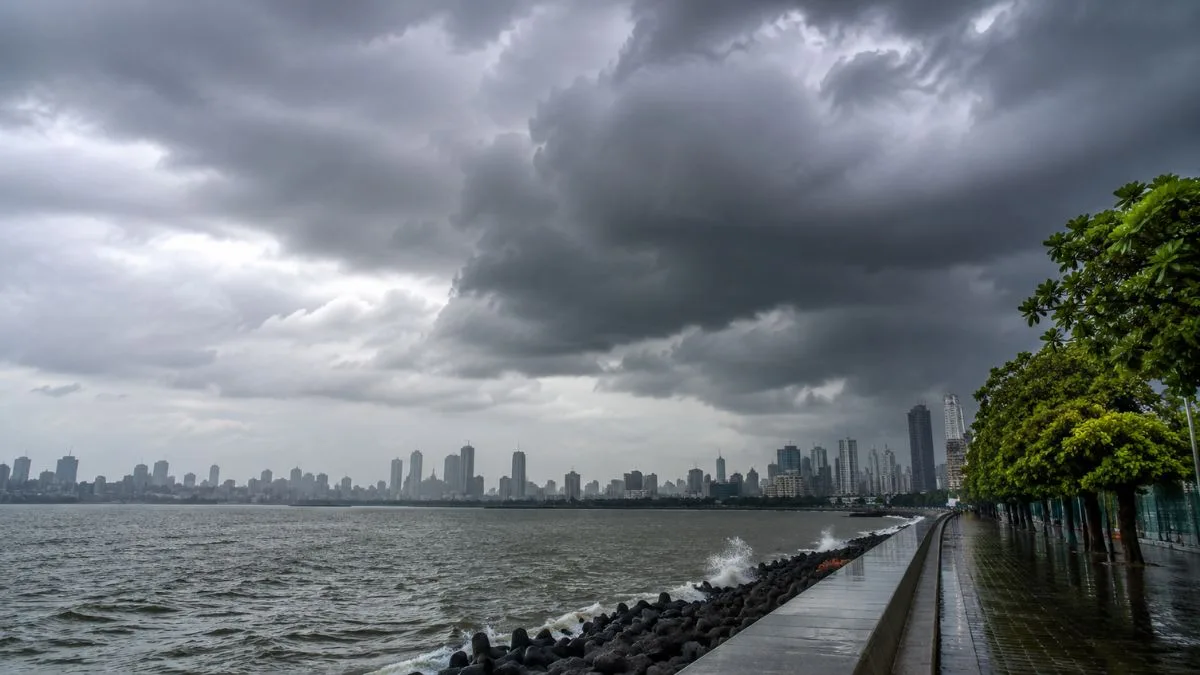
For India, the southwest monsoon is far more than a seasonal we ather phenomenon. It is the lifeline of the economy, sustaining agriculture, replenishing water reservoirs, supporting hydropower generation and influencing inflation, employment and food security.
China’s economy, once lauded for its rapid growth, now faces a critical juncture as it struggles to maintain momentum.
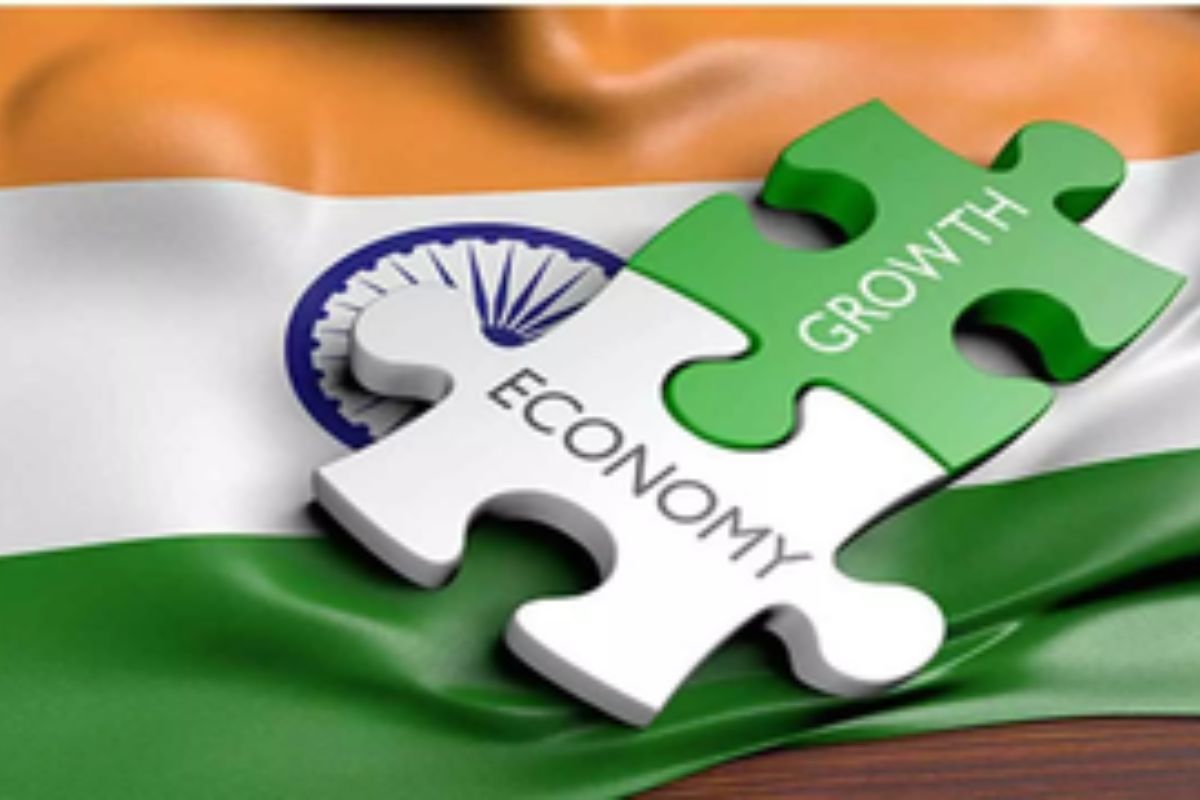
Deloitte India, in a report on Monday, said India's economy is expected to grow at 7-7.2% in the current fiscal year driven by robust economic fundamentals and continuity in domestic policy reforms.
The production of Coal, Electricity, Natural Gas, Steel, Fertilizer and Cement recorded positive growth in June 2024, it added. In May, the growth was 6.4%.
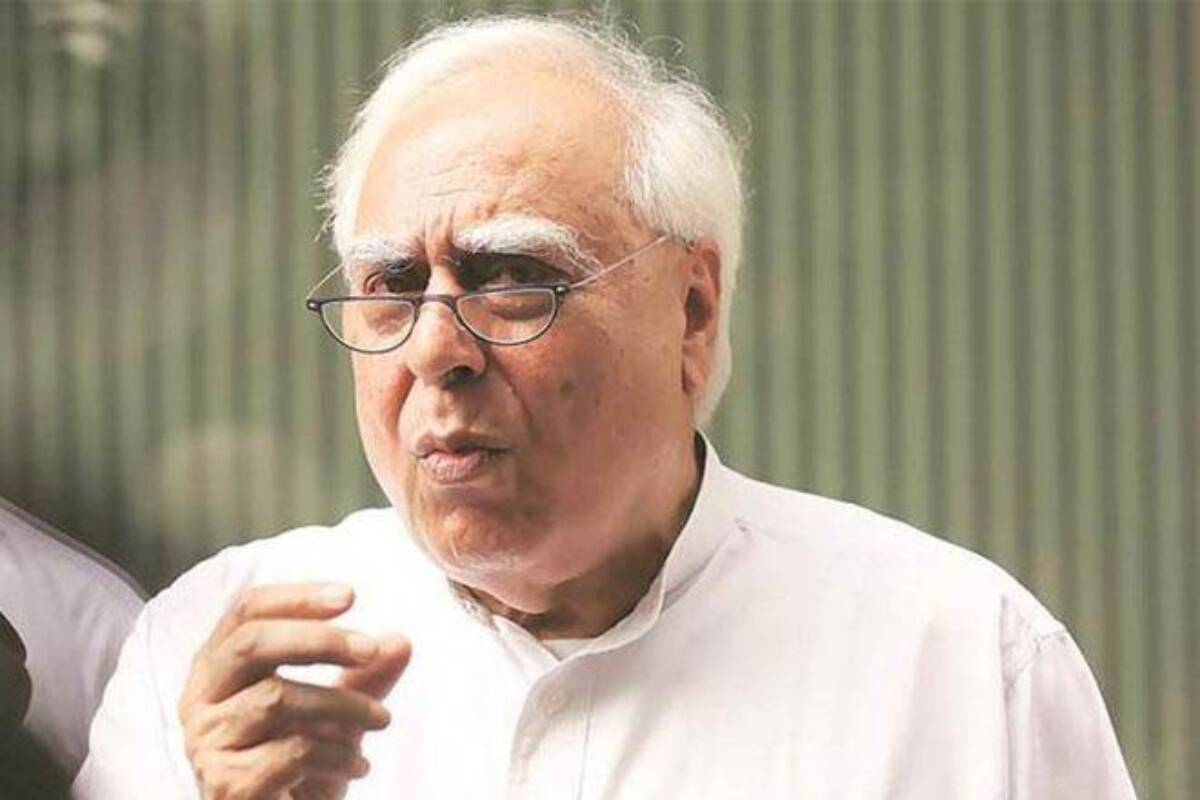
He said “Our country needs minds to look at issues and not at politics.”

Sundararaman Ramamurthy, the Managing Director and Chief Executive Officer (CEO) of the Bombay Stock Exchange (BSE) lauded the Union Budget and its nine priorities for thrust on the middle-class and inclusiveness of all segments including poor