Science Dividend
India's economic rise has produced a new class of billionaires whose philanthropy can shape the country’s future as much as their businesses.

India's economic rise has produced a new class of billionaires whose philanthropy can shape the country’s future as much as their businesses.
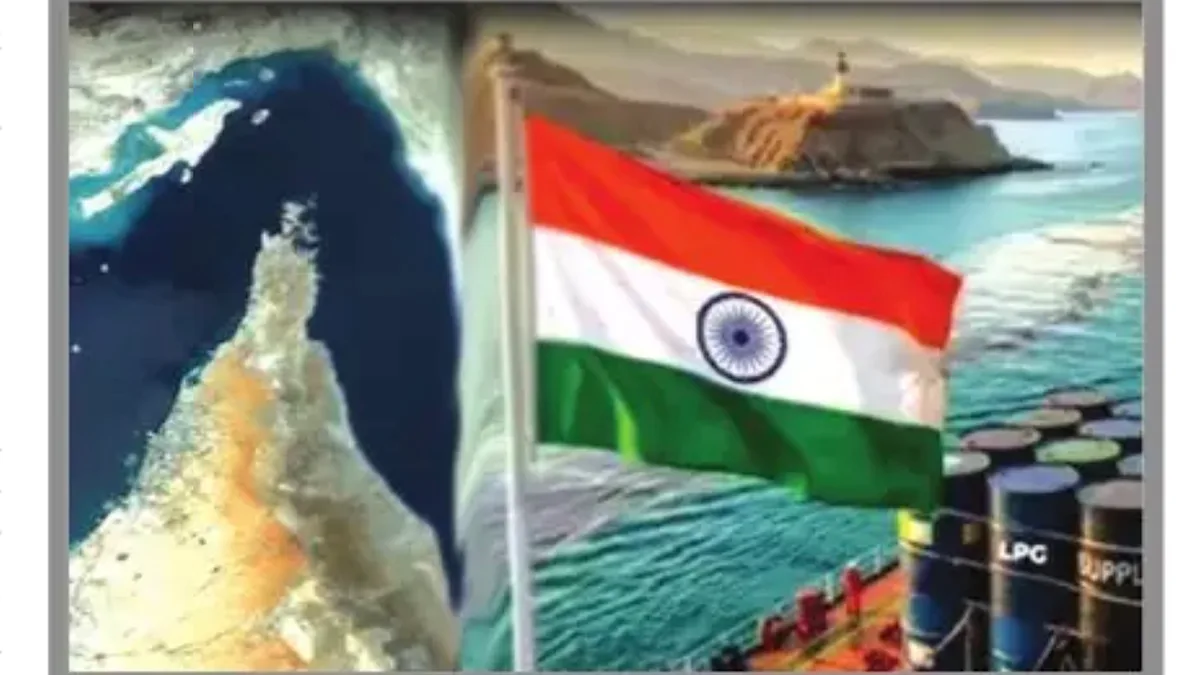
Geopolitical crises early arrive with neat labels. They unsettle markets, test diplomacy and expose economic vulnerabilities.
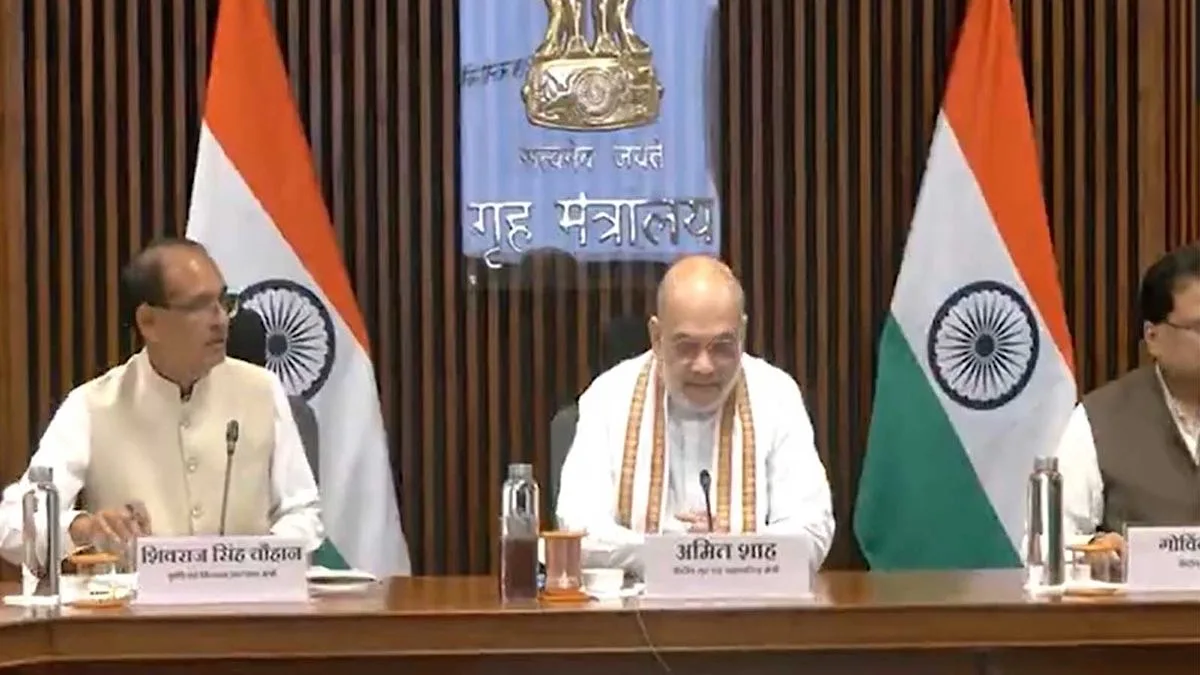
The Prime Minister's Office (PMO) on Tuesday conducted a high-level review of the country's preparedness for the possible impact of El Niño on agriculture and other sectors of the economy.
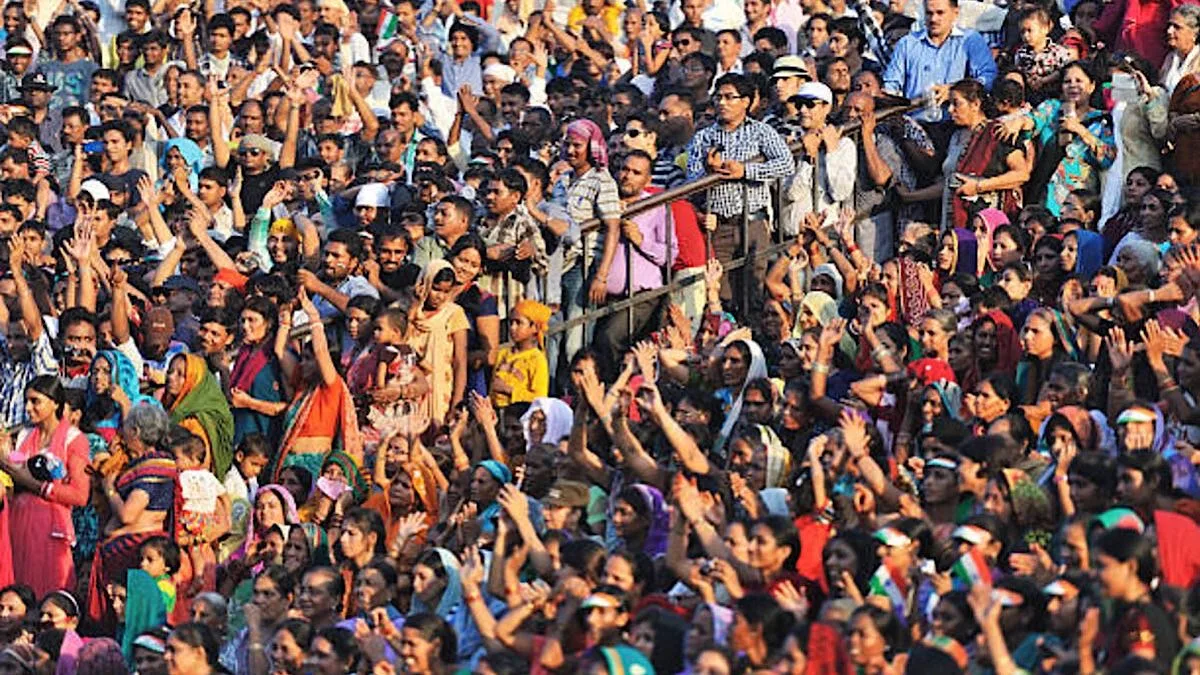
India is frequently celebrated as the world’s youngest major democracy. With more than half of its population below the age of thirty, the country possesses a demographic advantage that many developed economies can only envy.
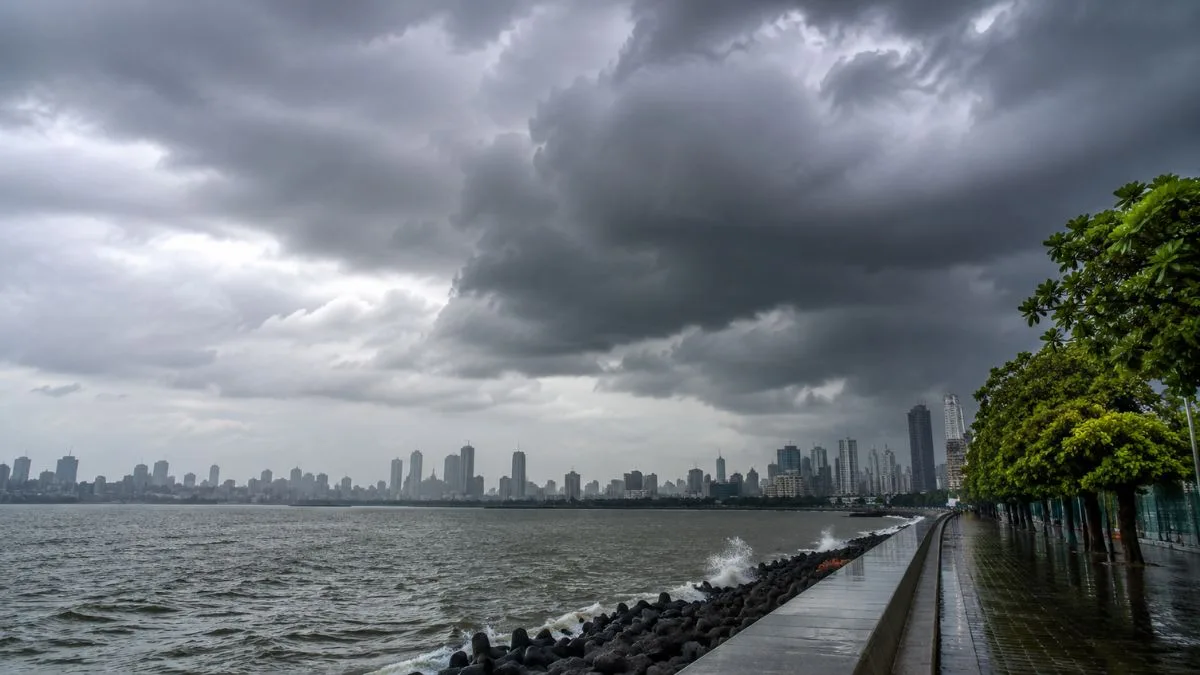
For India, the southwest monsoon is far more than a seasonal we ather phenomenon. It is the lifeline of the economy, sustaining agriculture, replenishing water reservoirs, supporting hydropower generation and influencing inflation, employment and food security.
Given the country’s innate strengths, it is possible to imagine India striking out into the next decade to become the second largest economy in the world not by 2048, but by 2031, and the largest economy of the world by 2060, RBI Deputy Governor Michael Debabrata Patra has said.
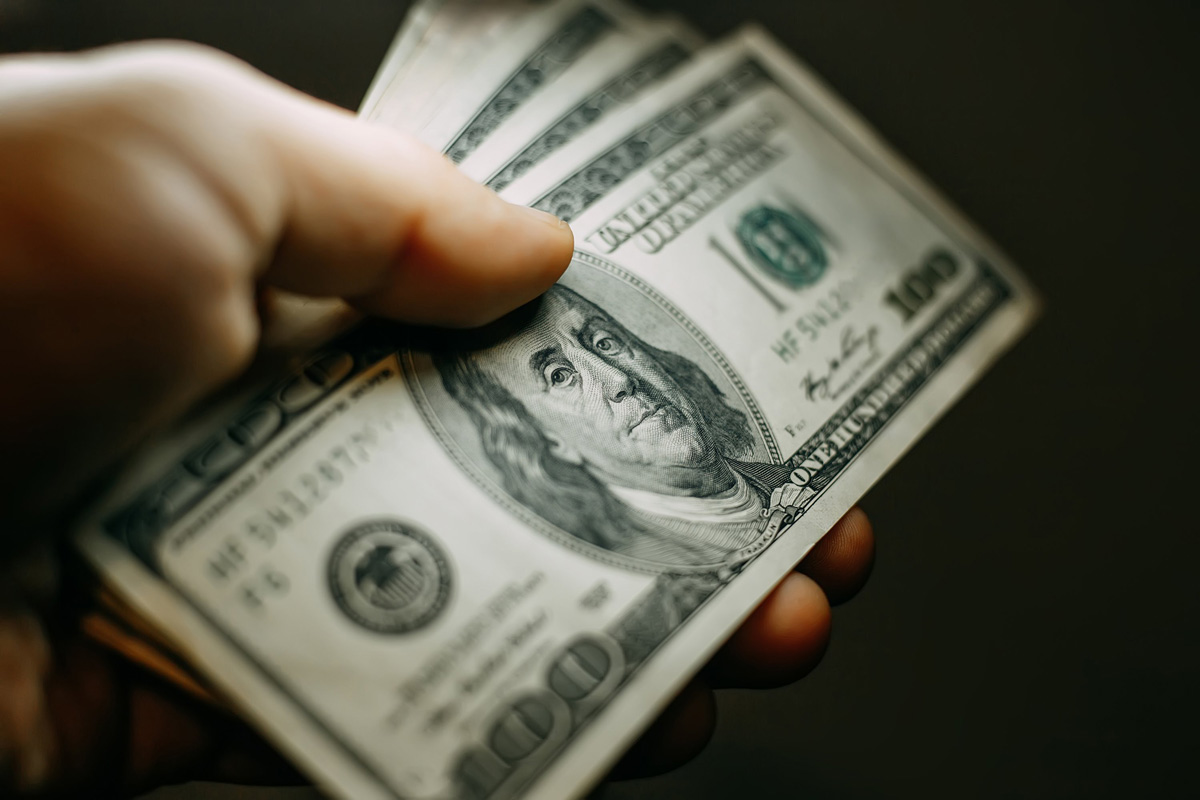
India’s foreign exchange reserves jumped by $5.16 billion to scale a lifetime high of $657.16 billion during the week ended July 5, according to RBI data released on Friday.

Prime Minister Narendra Modi’s interaction with Russian President Vladimir Putin has captured global attention, underscoring the complexities of international diplomacy in times of conflict.

Both leaders acknowledged the role played by industry leaders in strengthening bilateral relations and promoting economic cooperation between India and Austria.

He assured that the government will continue to support these initiatives.