Science Dividend
India's economic rise has produced a new class of billionaires whose philanthropy can shape the country’s future as much as their businesses.

India's economic rise has produced a new class of billionaires whose philanthropy can shape the country’s future as much as their businesses.
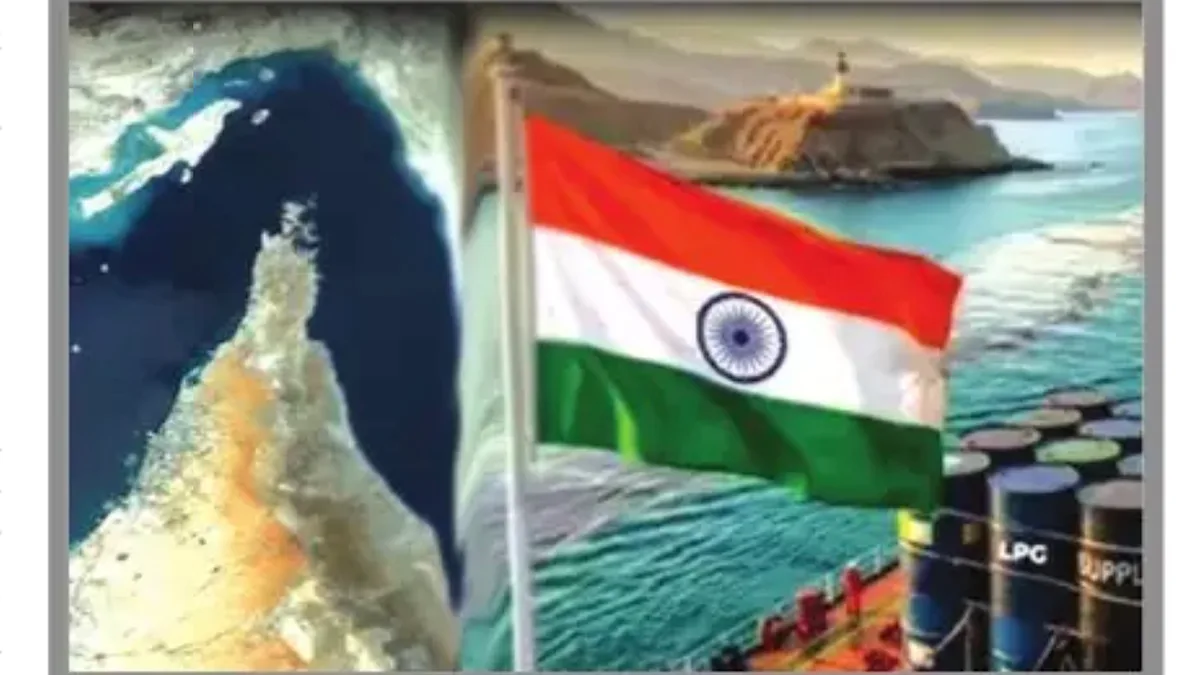
Geopolitical crises early arrive with neat labels. They unsettle markets, test diplomacy and expose economic vulnerabilities.
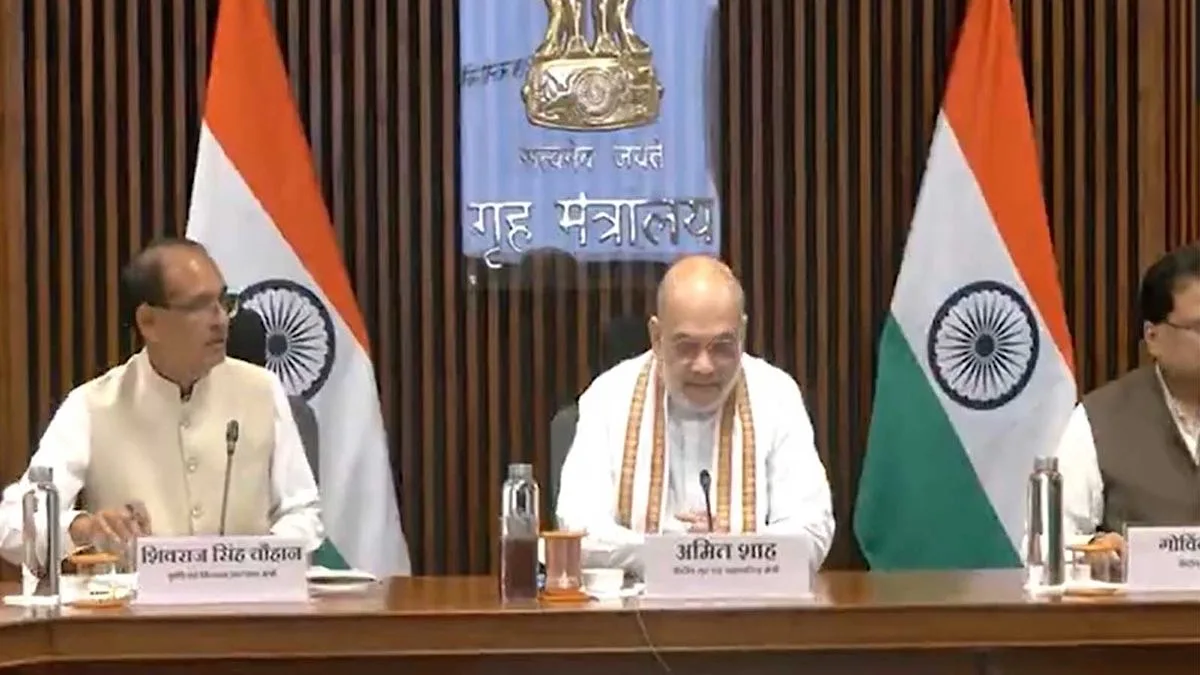
The Prime Minister's Office (PMO) on Tuesday conducted a high-level review of the country's preparedness for the possible impact of El Niño on agriculture and other sectors of the economy.
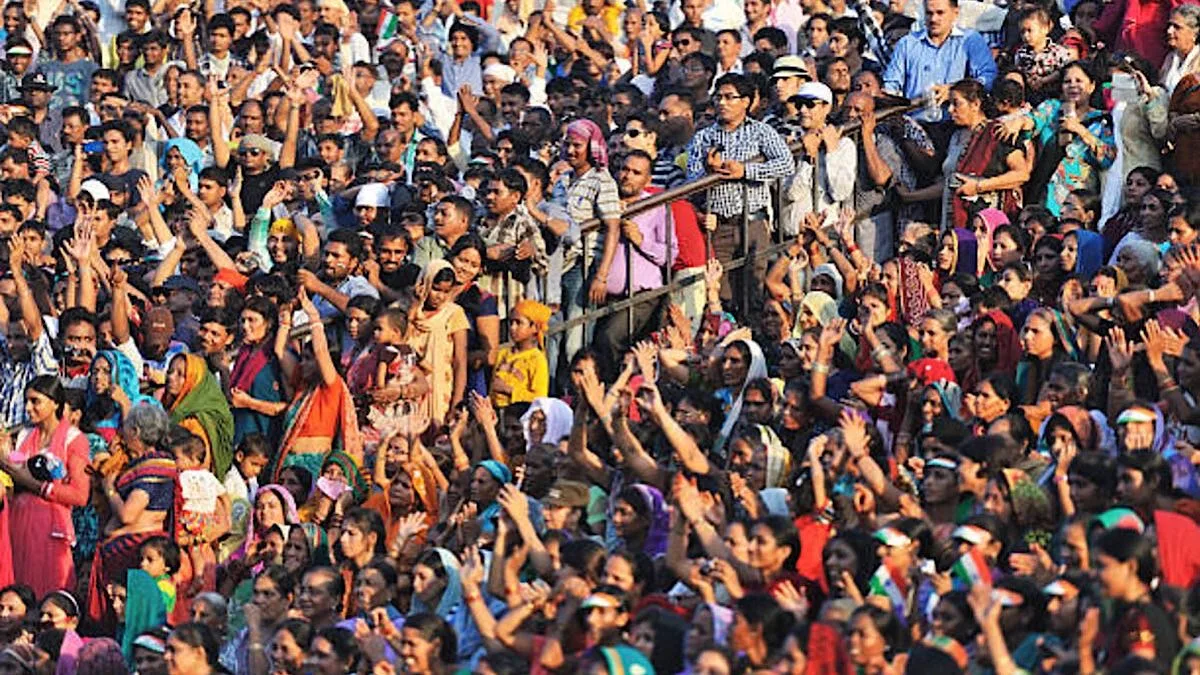
India is frequently celebrated as the world’s youngest major democracy. With more than half of its population below the age of thirty, the country possesses a demographic advantage that many developed economies can only envy.
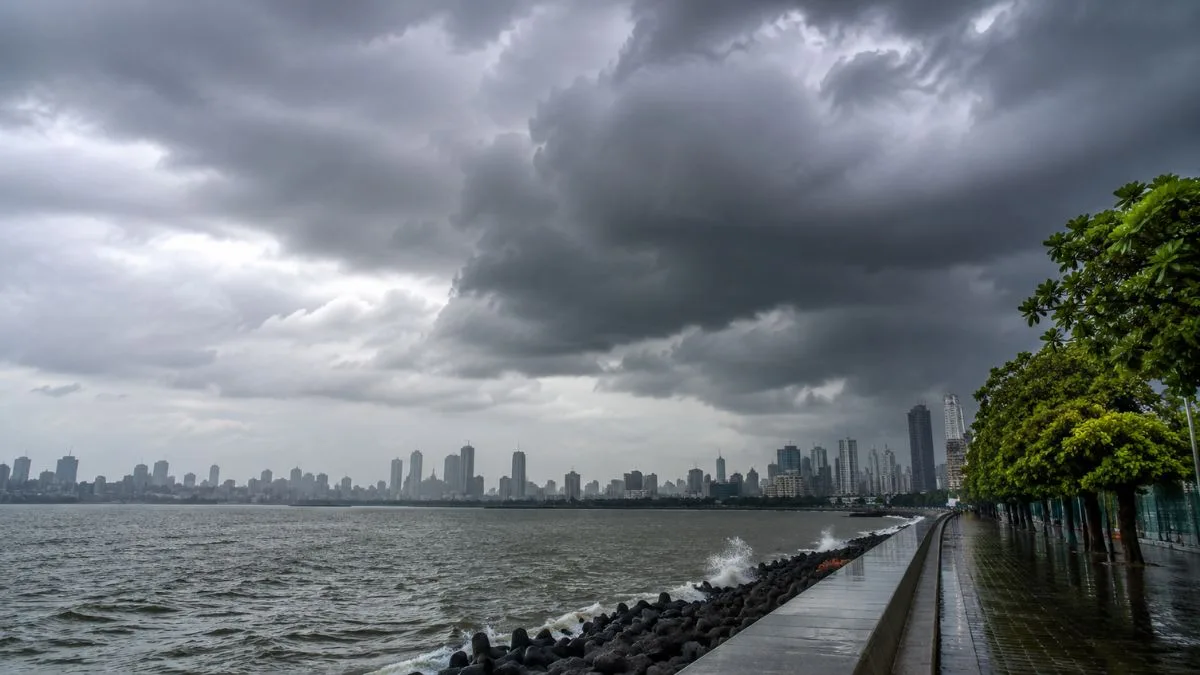
For India, the southwest monsoon is far more than a seasonal we ather phenomenon. It is the lifeline of the economy, sustaining agriculture, replenishing water reservoirs, supporting hydropower generation and influencing inflation, employment and food security.

The structural transformation Economic progress is often celebrated as a story of innovation, technological breakthroughs, and institutional advancement.

India’s central bank has kept borrowing costs steady while signalling caution on global risks, even as domestic demand and services activity continue to support economic momentum.

Markets struggled to hold gains as global tensions and oil prices weighed on sentiment, while investors tracked FII selling trends and upcoming RBI policy signals for direction.

Pakistan has drawn up a tight repayment schedule to return $3.5 billion to the UAE this month, even as rising outflows and weaker exports add pressure on its economy.

Government cuts fuel duty and reassures steady supply as global oil prices spike, while firmly rejecting speculation about lockdown and urging people to avoid panic.