Science Dividend
India's economic rise has produced a new class of billionaires whose philanthropy can shape the country’s future as much as their businesses.

India's economic rise has produced a new class of billionaires whose philanthropy can shape the country’s future as much as their businesses.
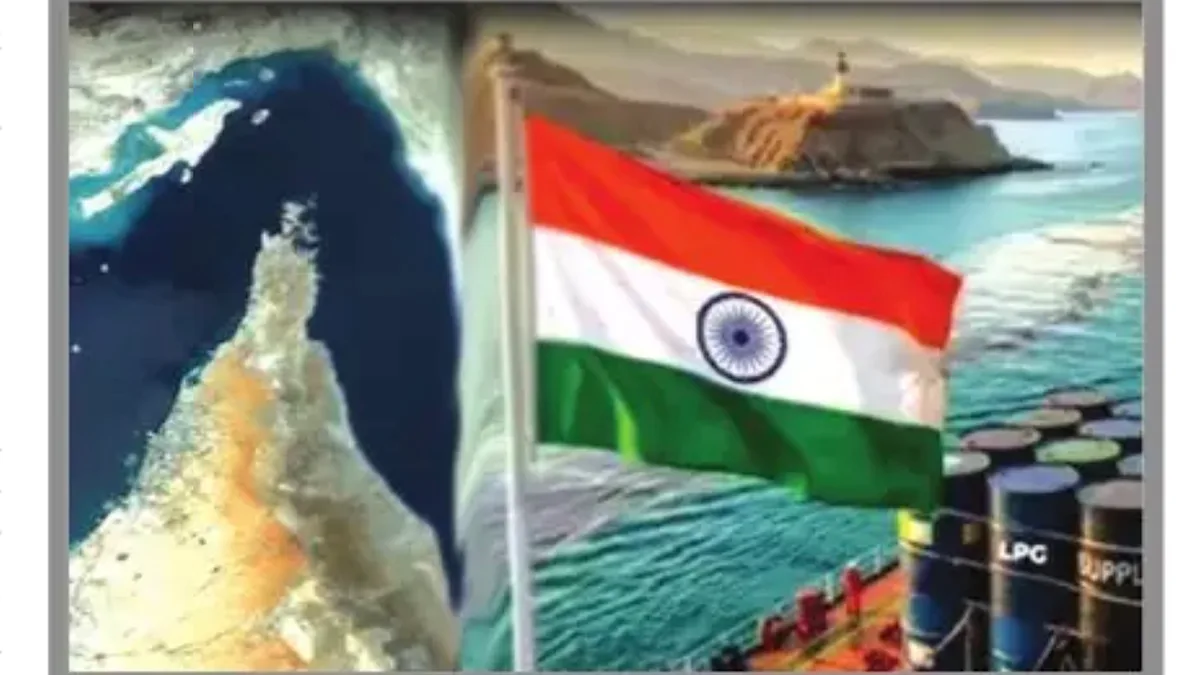
Geopolitical crises early arrive with neat labels. They unsettle markets, test diplomacy and expose economic vulnerabilities.
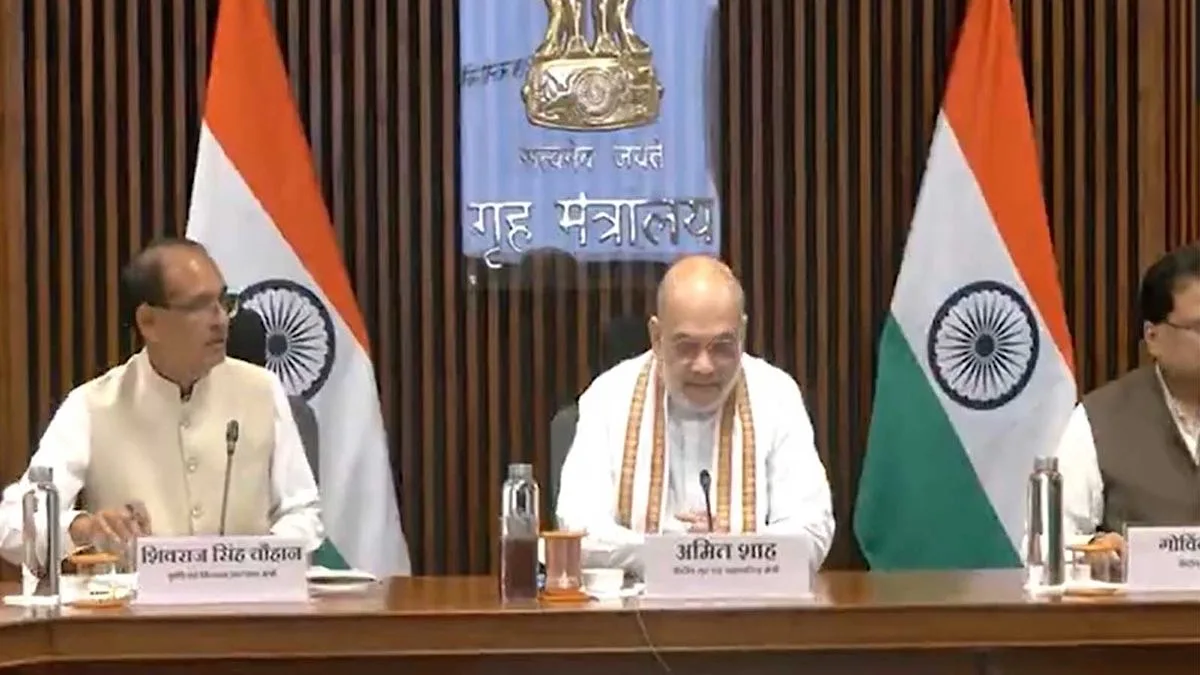
The Prime Minister's Office (PMO) on Tuesday conducted a high-level review of the country's preparedness for the possible impact of El Niño on agriculture and other sectors of the economy.
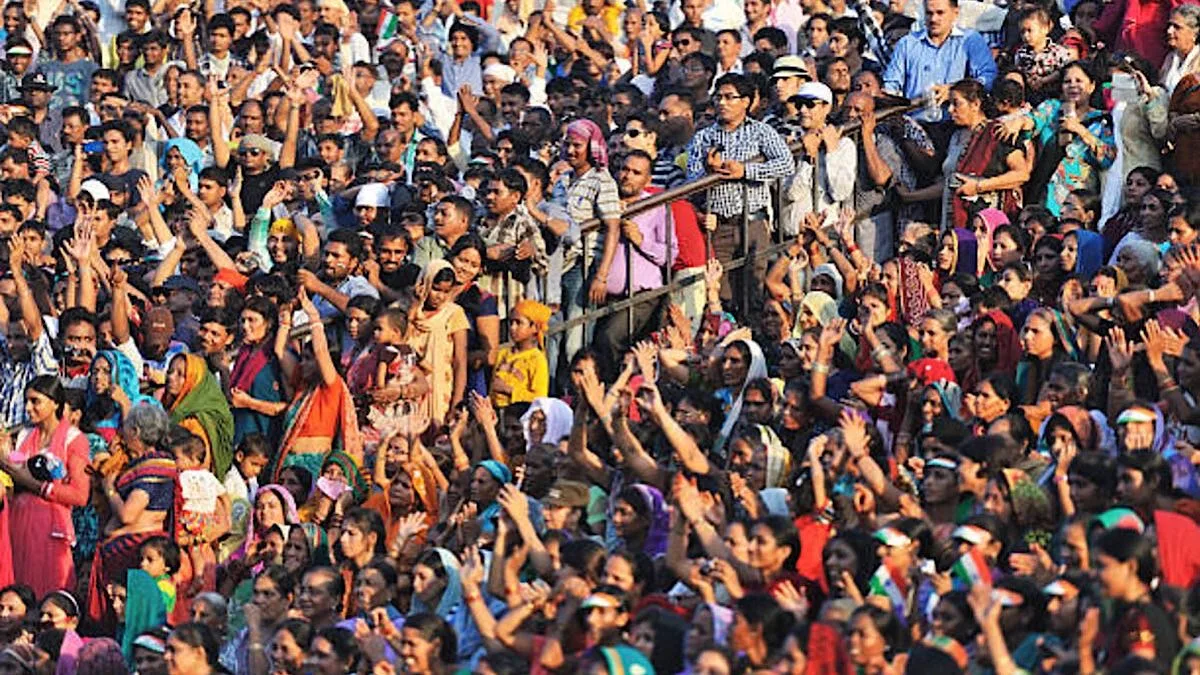
India is frequently celebrated as the world’s youngest major democracy. With more than half of its population below the age of thirty, the country possesses a demographic advantage that many developed economies can only envy.
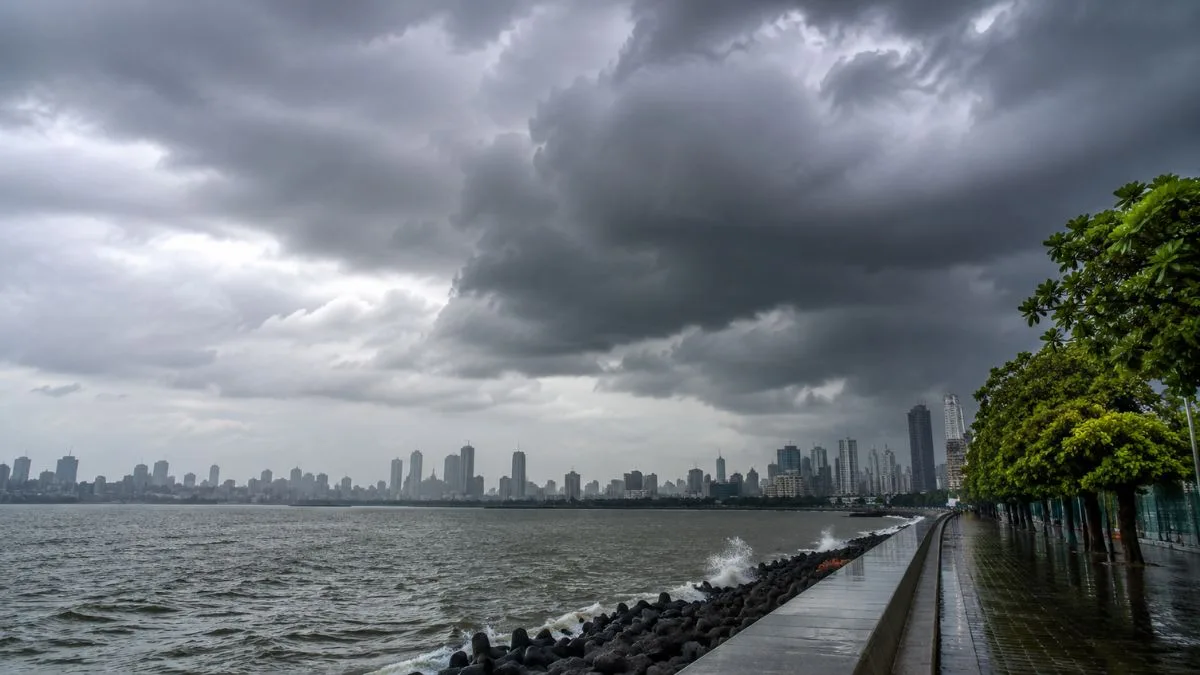
For India, the southwest monsoon is far more than a seasonal we ather phenomenon. It is the lifeline of the economy, sustaining agriculture, replenishing water reservoirs, supporting hydropower generation and influencing inflation, employment and food security.

India has earned an endorsement from one of the world's top credit rating agencies, with Moody's Ratings placing the nation among the most resilient large emerging market economies over the past five years, which is a recognition that comes at a time when global financial markets remain on edge over trade tensions and geopolitical uncertainty.

In India’s industrial imagination, small manufacturing clusters are often celebrated as engines of resilience - nimble, labour-intensive, and deeply rooted in local economies.

The gross GST collection spiked by 8.7 per cent in April to a record of about Rs 2.43 trillion, government data showed.

Union Minister for Commerce and Industry Piyush Goyal has urged the exporters and industry bodies to fully leverage India’s Free Trade Agreements (FTAs) with developed economies to expand market access, boost exports and create employment opportunities, noting that timely utilisation of these agreements is critical.
India loses its place in the list of top five economies, as the International Monetary Fund’s latest World Economic Outlook estimates puts it as the world’s sixth-largest economy in nominal GDP terms.