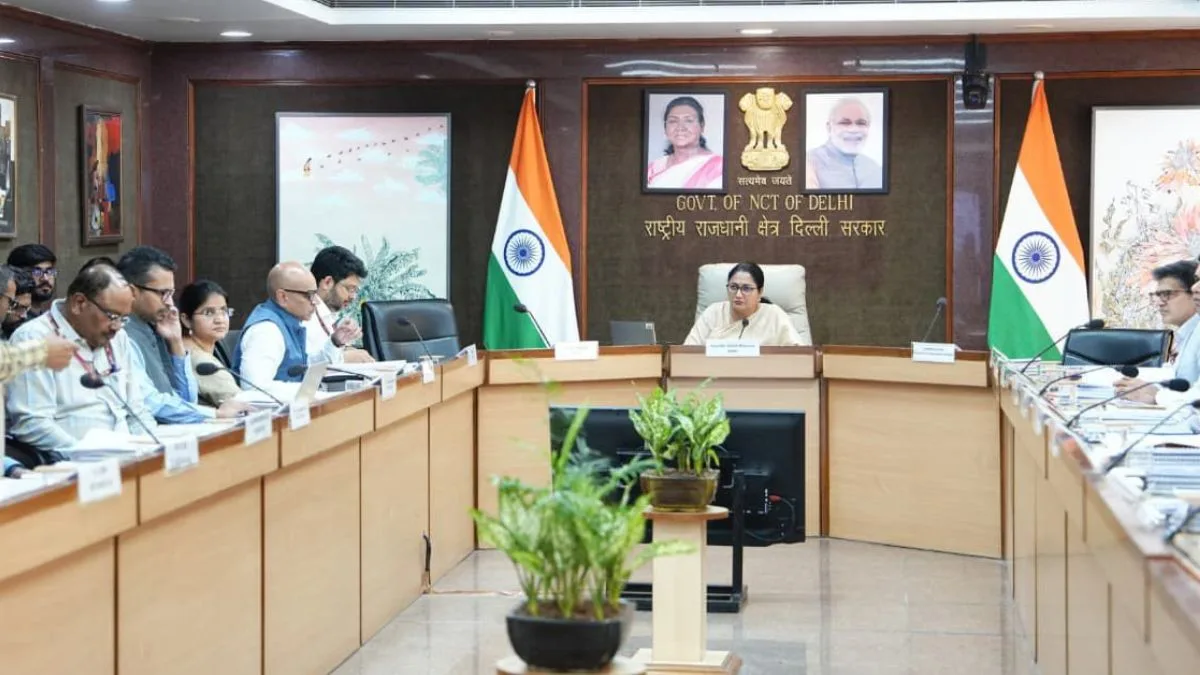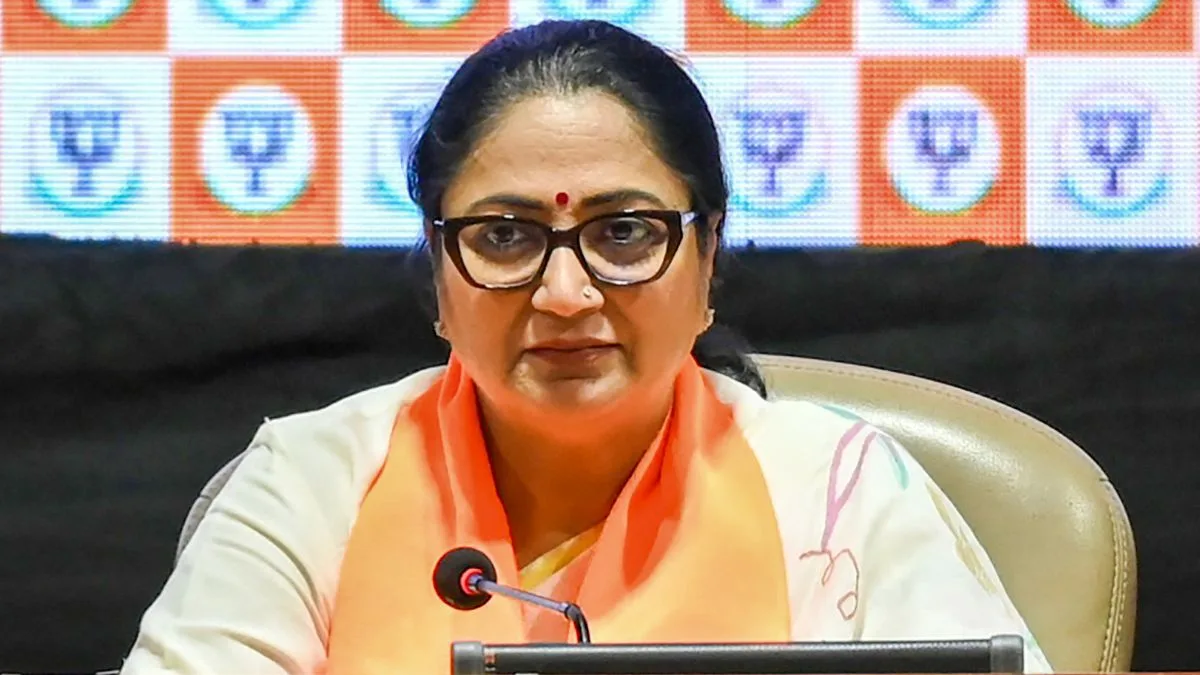
Vehicles without valid PUC will no longer be provided fuel in Delhi: CM Gupta
CM Gupta said that the move was necessary to tackle the challenge of air pollution.
At CAQM special panel meet, Suzuki, Toyota, Nissan and Hyundai voiced opposition to any mandatory shift to zero emission vehicles; JSW MG Motor, Ather Energy, Ola Electric and Montra Electric were supportive of the transition; Tata Motors, Mahindra & Mahindra, and TVS Motor remained broadly neutral.
"This step is a strong effort in the direction of building a clean, healthy, and better Delhi," she added.
The Sub-Committee had invoked Stage III of GRAP on January 16, following a deterioration in Delhi’s average AQI. Subsequently, Delhi’s air quality showed a downward trend.
Delhi's AQI, which stood at 343 at 4 pm on January 15, showed a rising trend and was recorded at 354 at 4 pm today, falling in the 'very poor' category (AQI range: 301-400).
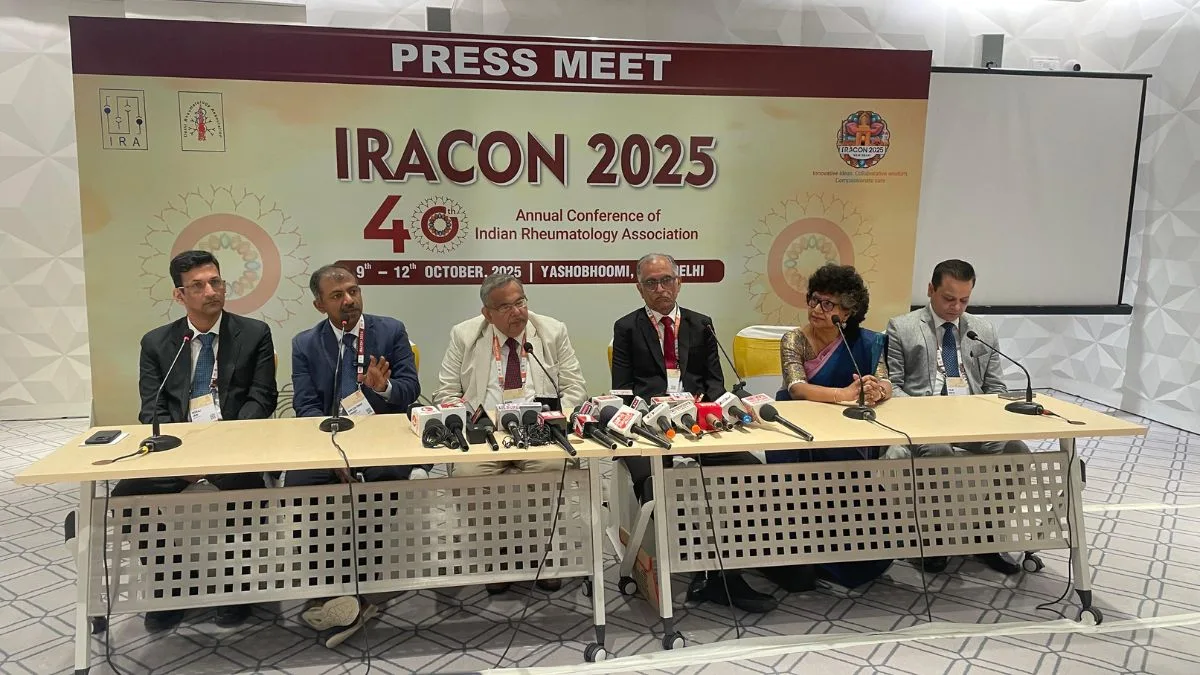
“We are observing a rise in RA among patients living in polluted areas who have no family history or genetic predisposition,” said Dr Uma Kumar, Head of Rheumatology at All India Institute of Medical Sciences (AIIMS), Delhi.
A bench headed by Chief Justice of India (CJI) B R Gavai said that citizens across the country are entitled to a clean air and that any ban on firecrackers should be applicable pan-India.
Chief Minister Rekha Gupta has stated that making the Yamuna River clean and pure is a firm commitment of her government.
In view of the deteriorating air quality, GRAP Stage-I restrictions have been imposed with immediate effect, the CAQM said in a press release.
Starting January 1, 2026, aggregators, delivery services, and e-commerce companies will be barred from adding new petrol or diesel vehicles to their fleets.