Delhi govt notifies Winter Pollution Master Plan with WFH, construction curbs and stricter PUC rules
The Delhi government has notified the Winter Pollution Master Plan under which several measures have been prescribed to tackle the air pollution.
The partnership brings together CAQM’s regulatory leadership and ICCT’s technical expertise to support evidence-based action on road transport emissions via research, policy engagement, and technical collaboration.




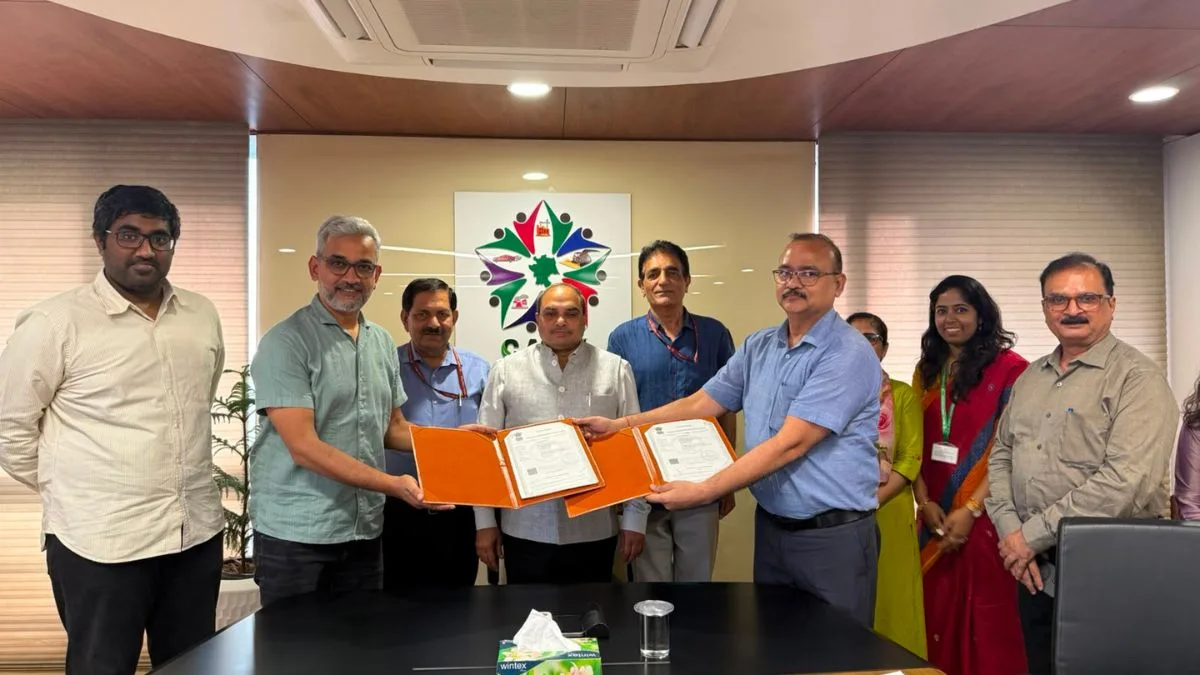
The Commission for Air Quality Management in National Capital Region and Adjoining Areas (CAQM) and the International Council on Clean Transportation (ICCT) sign a Memorandum of Understanding (MoU).
The Commission for Air Quality Management in National Capital Region and Adjoining Areas (CAQM) has signed a Memorandum of Understanding (MoU) with the International Council on Clean Transportation (ICCT) to strengthen technical cooperation on reducing road transport emissions, besides supporting the transition to zero-emission vehicles (ZEVs) across the National Capital Region.
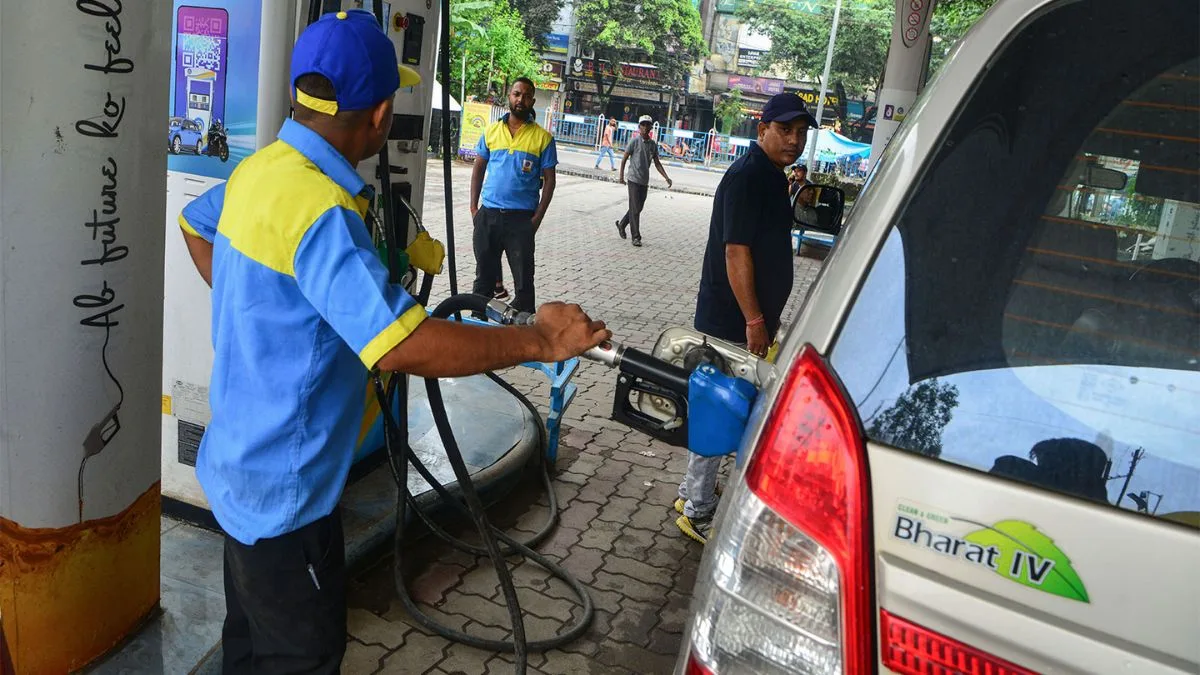
Notably, road transport continues to remain a major contributor to air pollution in the city. Under the MoU, the two sides will work towards evidence-based research and policy support.
Advertisement
“ICCT India will undertake research and policy analysis to strengthen the understanding of road transport emissions in Delhi NCR. The collaboration will generate scientific evidence to support the uptake of zero-emission vehicles (ZEVs) and provide technical inputs to strengthen policy implementation in alignment with CAQM’s directions and the prevailing regulatory framework,” read a statement.
Advertisement
They will also look forward to stakeholder engagement and knowledge exchange. Through this partnership, they look forward to facilitating consultations with government agencies, industry, academic institutions, and other key stakeholders to foster dialogue, share technical knowledge, and build consensus on measures to reduce emissions from the road transport sector.
To support the MoU’s implementation, the CAQM will facilitate coordination with relevant government departments and institutions, wherever required. This includes enabling stakeholder engagement and facilitating access to technical information, such as vehicular emission factors, from the concerned government agencies.
Dr. Virinder Sharma, Member Technical, CAQM said that reducing emissions from the transport sector is an “important component of improving air quality” in NCR.
“This collaboration will strengthen our expertise in scientific understanding of vehicular emissions and support evidence-based measures to move towards cleaner transportation,” Dr Sharma added.
Amit Bhatt, India Managing Director, ICCT said, “Addressing the challenge air pollution caused by transport emissions in Delhi NCR requires policies that are grounded in robust scientific evidence and real-world data.”
Bhatt noted that the CAQM and ICCT collaboration brings together technical expertise and regulatory leadership to strengthen the evidence base needed for effective decision-making.
“As Delhi NCR accelerates its transition towards cleaner mobility, a decisive and well-informed approach to vehicle electrification will be essential,” Bhatt added.
Advertisement