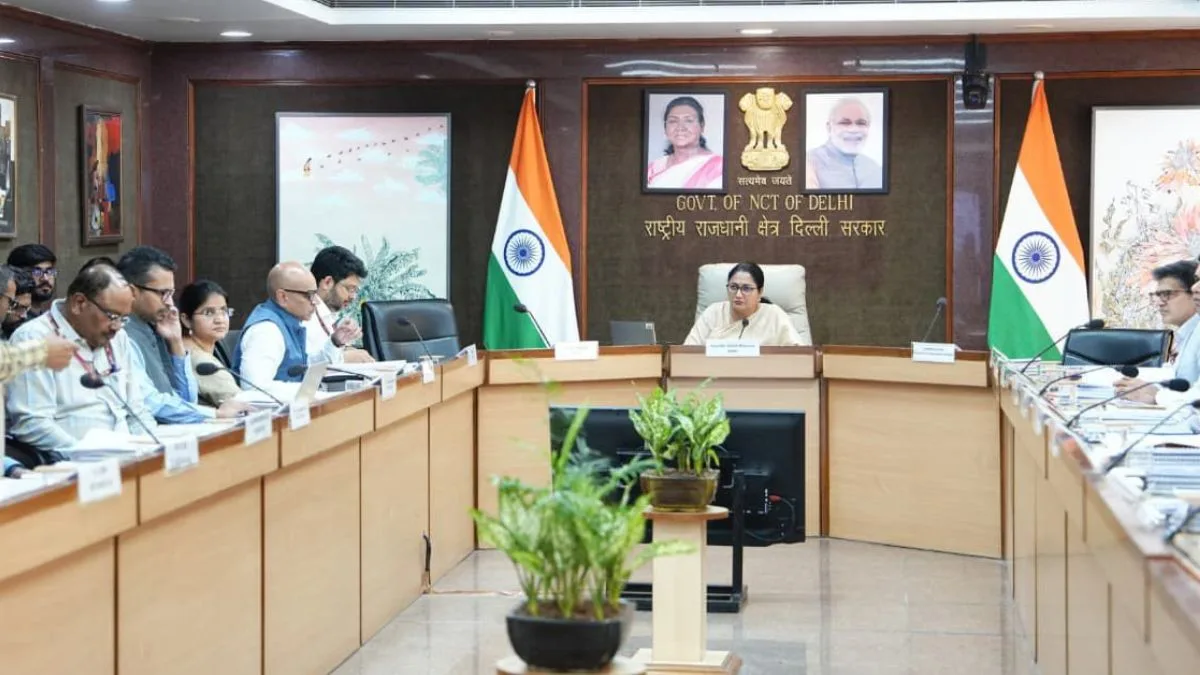
Vehicles without valid PUC will no longer be provided fuel in Delhi: CM Gupta
CM Gupta said that the move was necessary to tackle the challenge of air pollution.
At CAQM special panel meet, Suzuki, Toyota, Nissan and Hyundai voiced opposition to any mandatory shift to zero emission vehicles; JSW MG Motor, Ather Energy, Ola Electric and Montra Electric were supportive of the transition; Tata Motors, Mahindra & Mahindra, and TVS Motor remained broadly neutral.
"This step is a strong effort in the direction of building a clean, healthy, and better Delhi," she added.
The Sub-Committee had invoked Stage III of GRAP on January 16, following a deterioration in Delhi’s average AQI. Subsequently, Delhi’s air quality showed a downward trend.
Delhi's AQI, which stood at 343 at 4 pm on January 15, showed a rising trend and was recorded at 354 at 4 pm today, falling in the 'very poor' category (AQI range: 301-400).
On Wednesday, the AQI was 392 at 4 pm and remained at similar levels through the day due to calm winds.
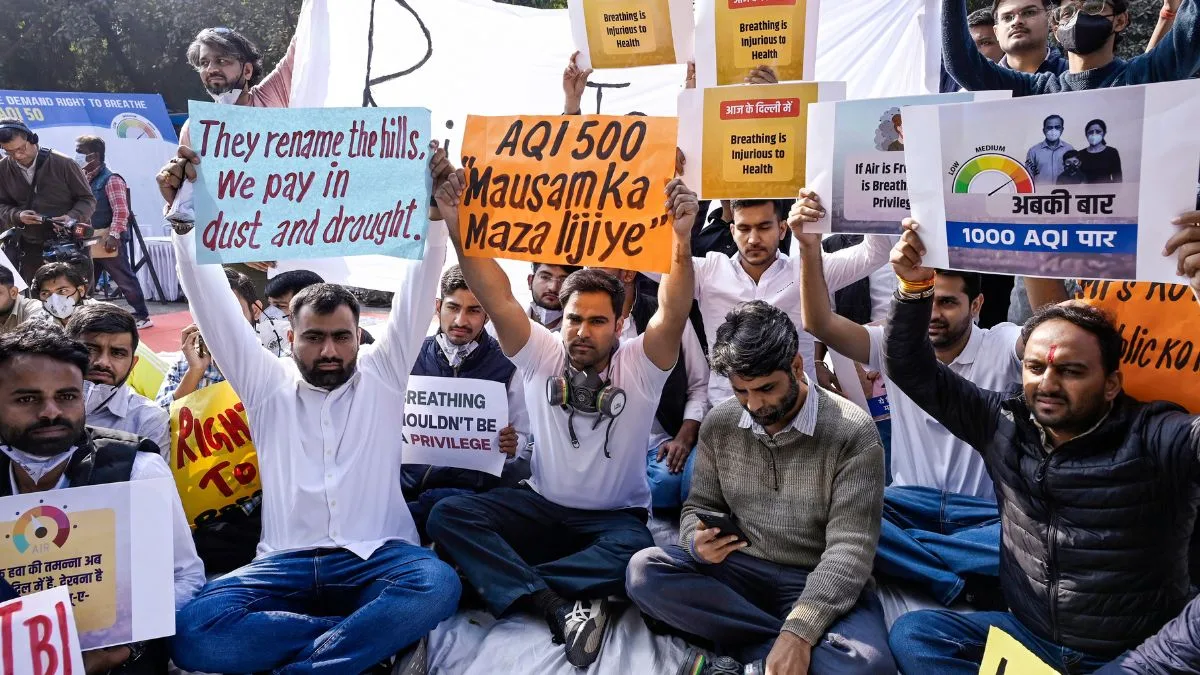
Slogans like "Saaf pani dena hoga," "Saaf hawa dena hoga," and "Jungle bechna band karo" echoed through the air as people rallied against the alarming pollution levels in the city.
The air quality in the national capital continued to remain in the 'very poor' category on Tuesday morning, with the Air Quality Index (AQI) recorded at 309 at 7 am, according to the Central Pollution Control Board (CPCB).
Experts from the Air Quality Early Warning System have forecast that pollution levels are likely to worsen further after Diwali.
“When Delhi’s pollution started rising, the BJP government announced the Winter Action Plan after a 15-day delay just to complete formalities,” he said.