Delhi-NCR braces for scorching week as IMD warns temperatures may hit 45°C
Delhi-NCR is expected to witness severe heatwave conditions this week, with the IMD warning of rising temperatures, poor air quality, and increased health risks.

Delhi-NCR is expected to witness severe heatwave conditions this week, with the IMD warning of rising temperatures, poor air quality, and increased health risks.
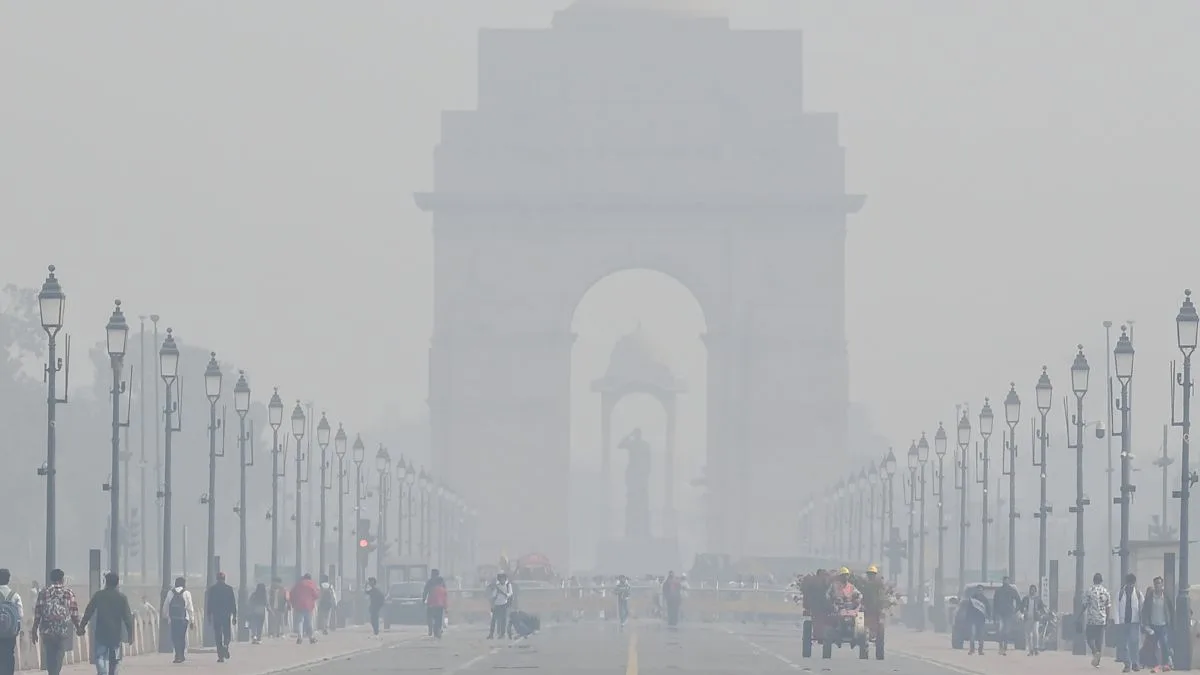
The new standard is based on the recommendations of the Central Pollution Control Board (CPCB) based on studies conducted by IIT Kanpur and the Technical Committee constituted by the pollution control board.
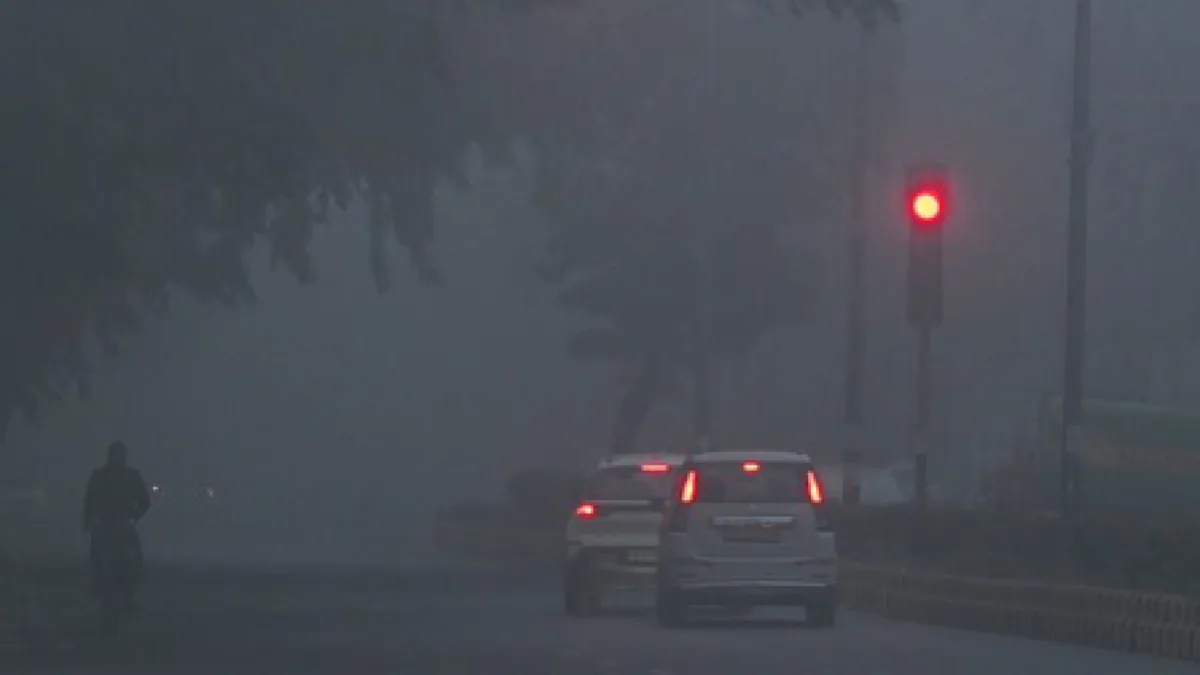
The air quality deteriorated sharply on Friday morning in Delhi-NCR, with several areas recording Air Quality Index (AQI) levels in the “very poor” category, according to data from the Central Pollution Control Board (CPCB).

The Lok Sabha is set to hold a detailed discussion on Thursday on the worsening air pollution crisis in Delhi and adjoining regions, following sustained concerns raised by Opposition members in the Parliament over deteriorating air quality and the effectiveness of existing mitigation measures.
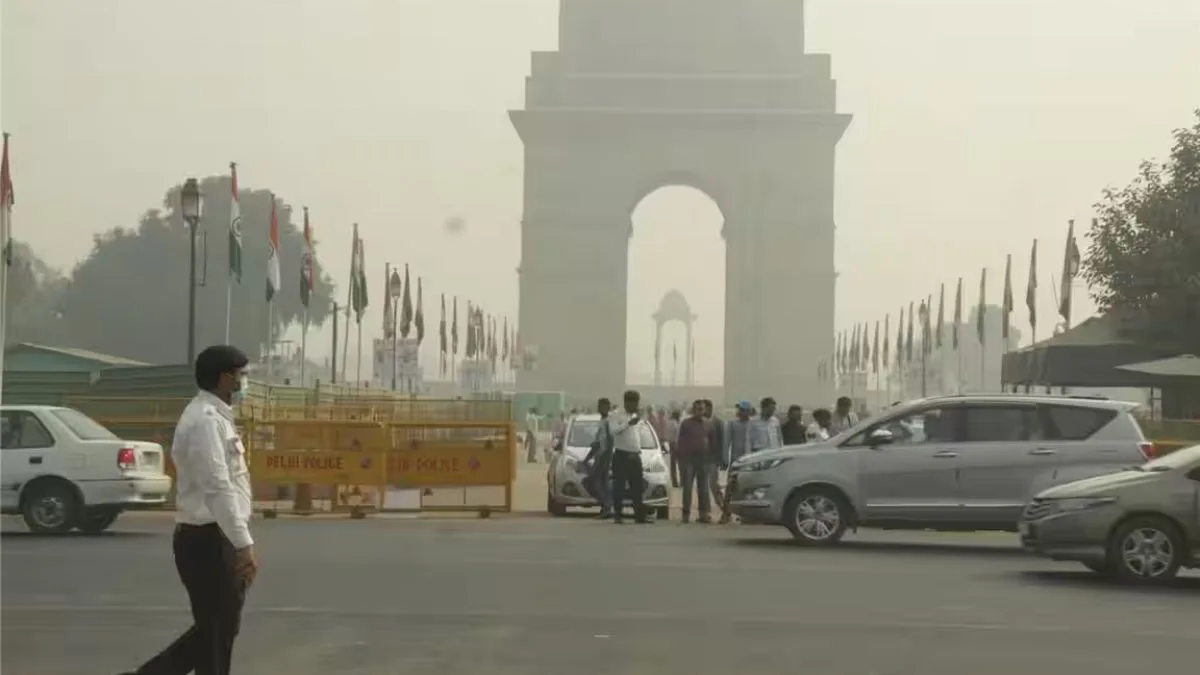
Each winter, as a dense grey veil settles over Delhi, the familiar rituals begin.
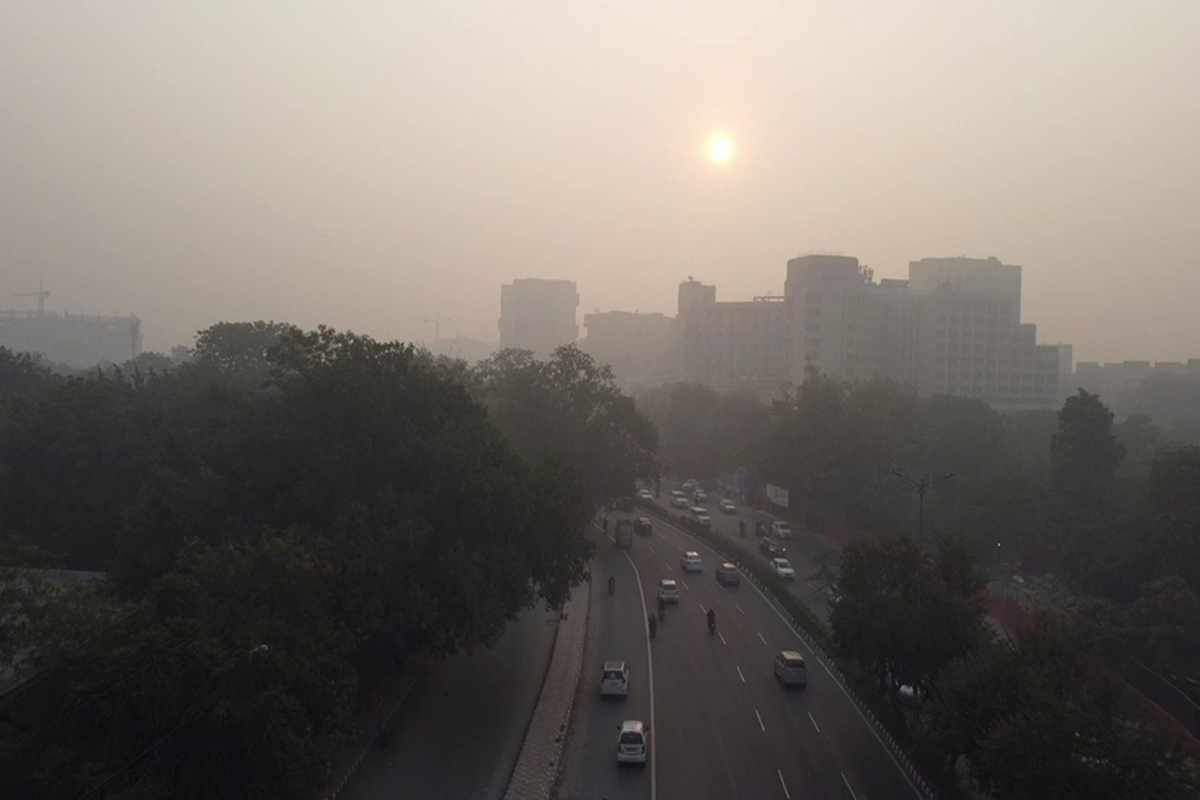
The highest AQI in Delhi was recorded at Bawana 428, followed by Mundka 417, Punjabi Bagh 407 and Jahangirpuri 405, Nehru Nagar 401, Rohini and Wazirpur at 400.
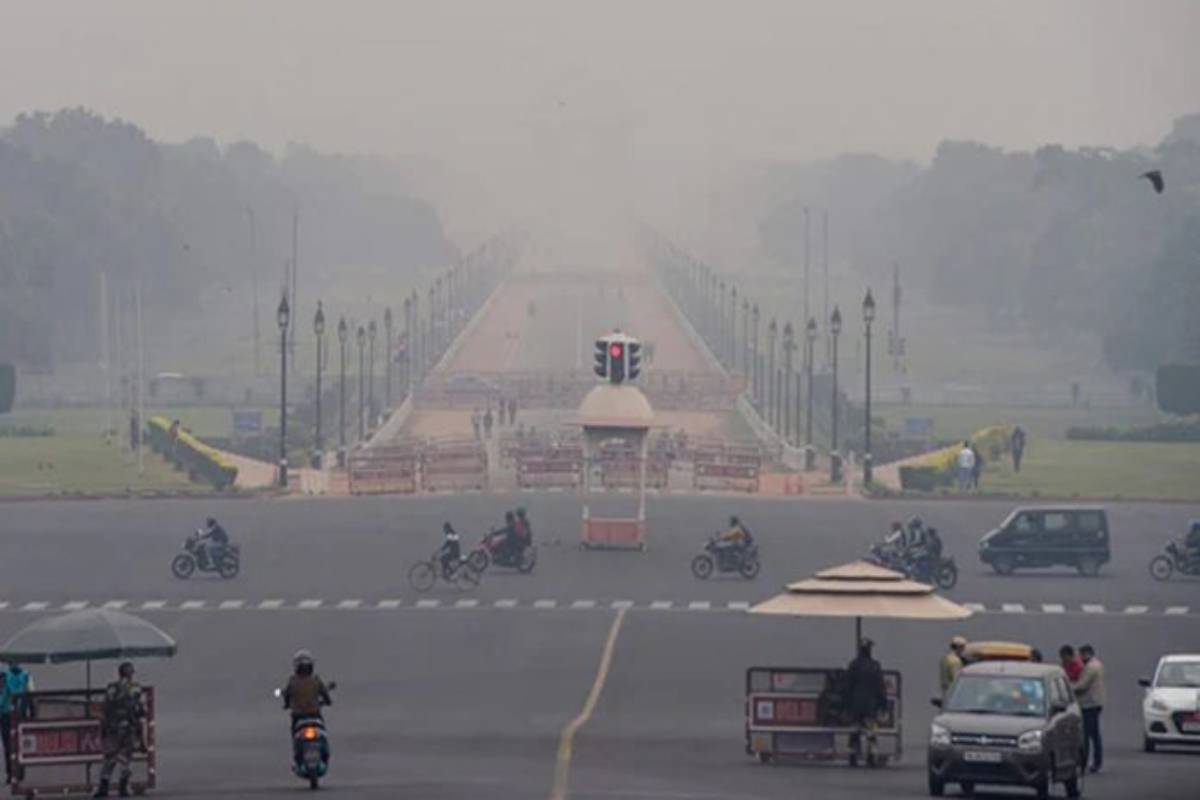
After a little bit of improvement, the National Capital continued to experience 'very poor' air quality on Tuesday morning, the city with experienced air quality index (AQI) of 323, as per the System of Air Quality and Weather Forecasting And Research (SAFAR-India).
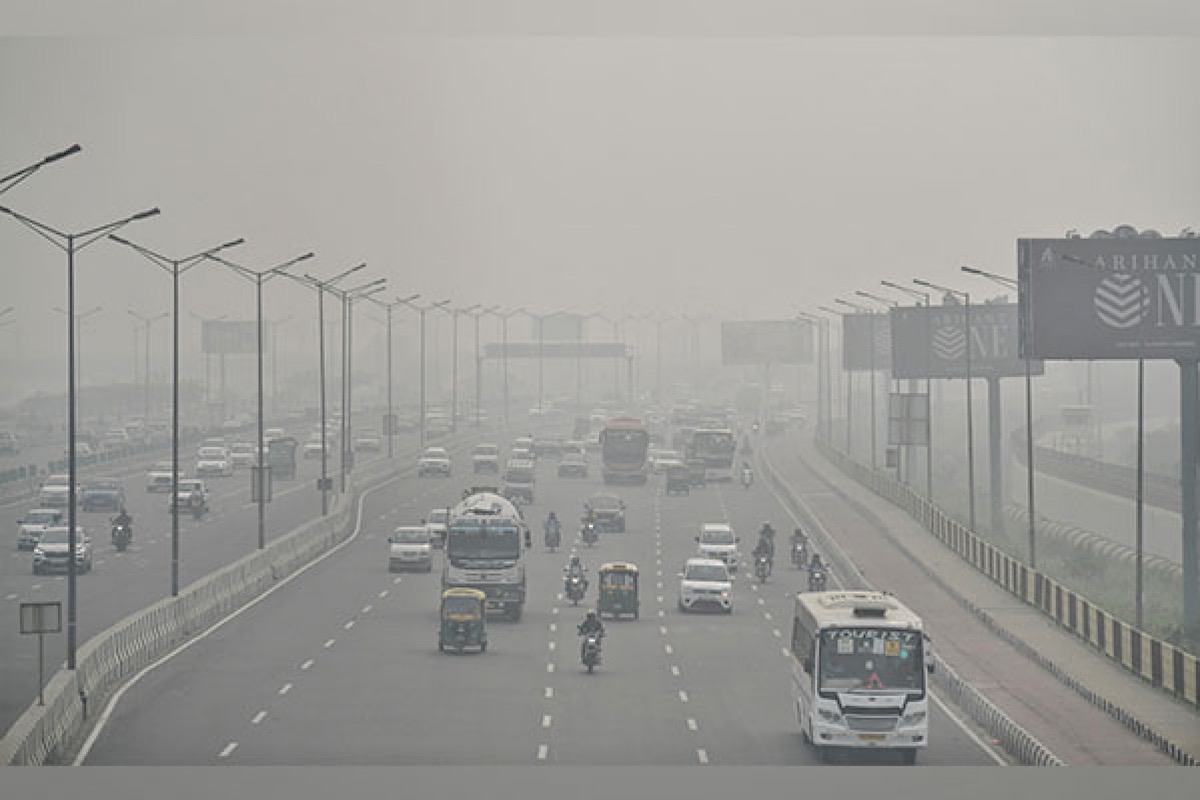
Delhi's air quality on Monday continued to reel under the 'very poor' category, on a day schools reopened after an early winter break.
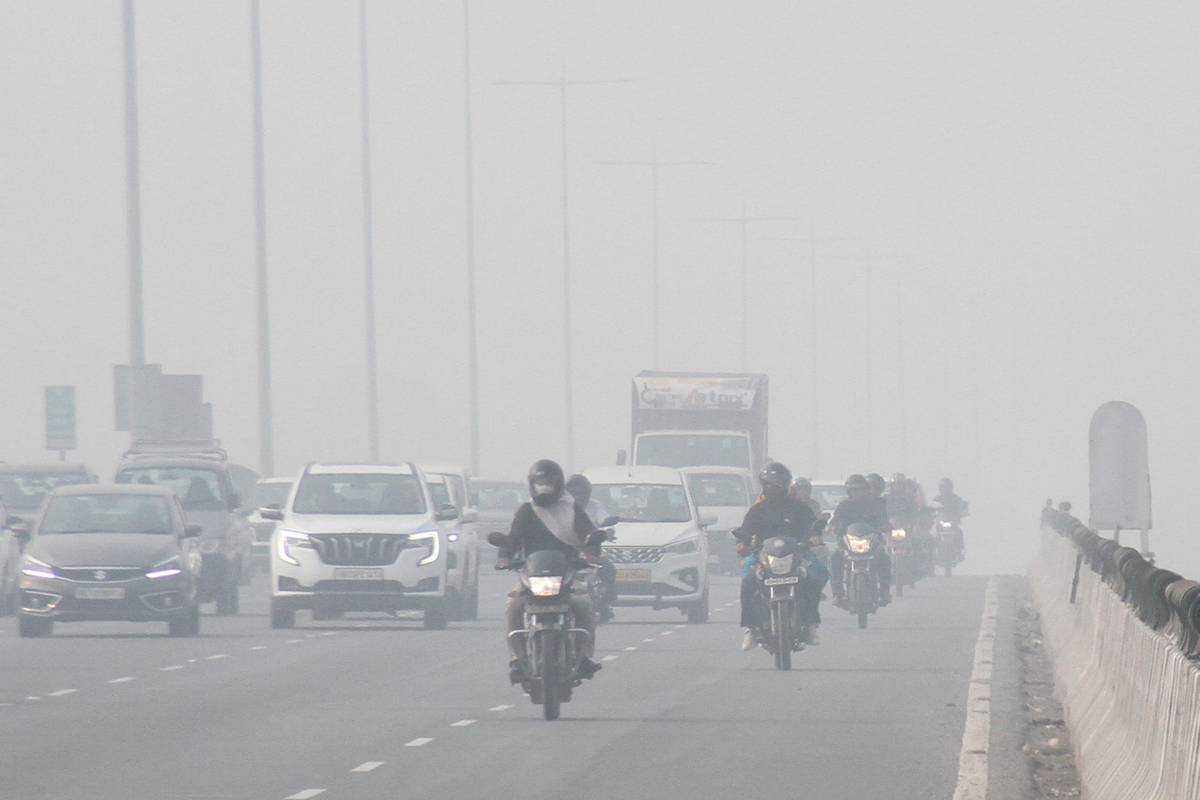
The air quality at 7 am in Bawana was recorded at 442, RK Puram was 418 in in Jahangirpuri it was 441 in Dwarka it was 416 in Alipur 415, in Anand Vihar at 412, in ITO it was 412

Speaking to a news agency, Rai said the speed of wind is low and a drop in temperature is again making the pollutants stagnant.