The Journey of Master Ankan Mallick
For most teenagers, balancing school, examinations, sports and friendships can already feel demanding.
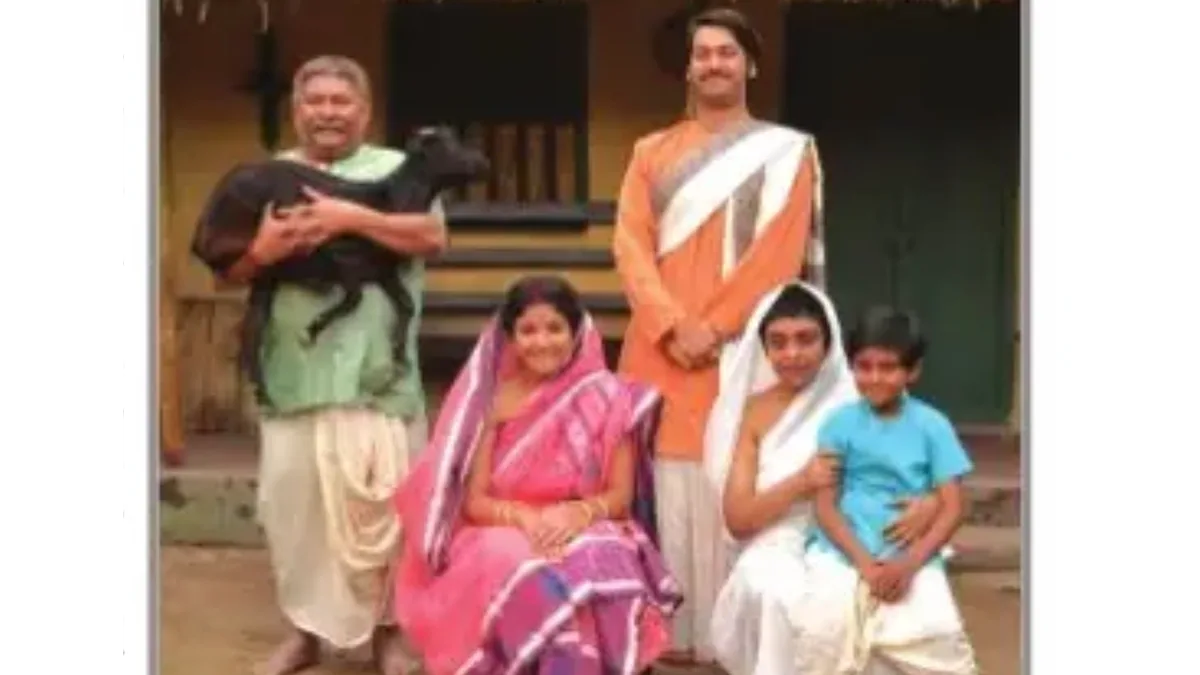
For most teenagers, balancing school, examinations, sports and friendships can already feel demanding.
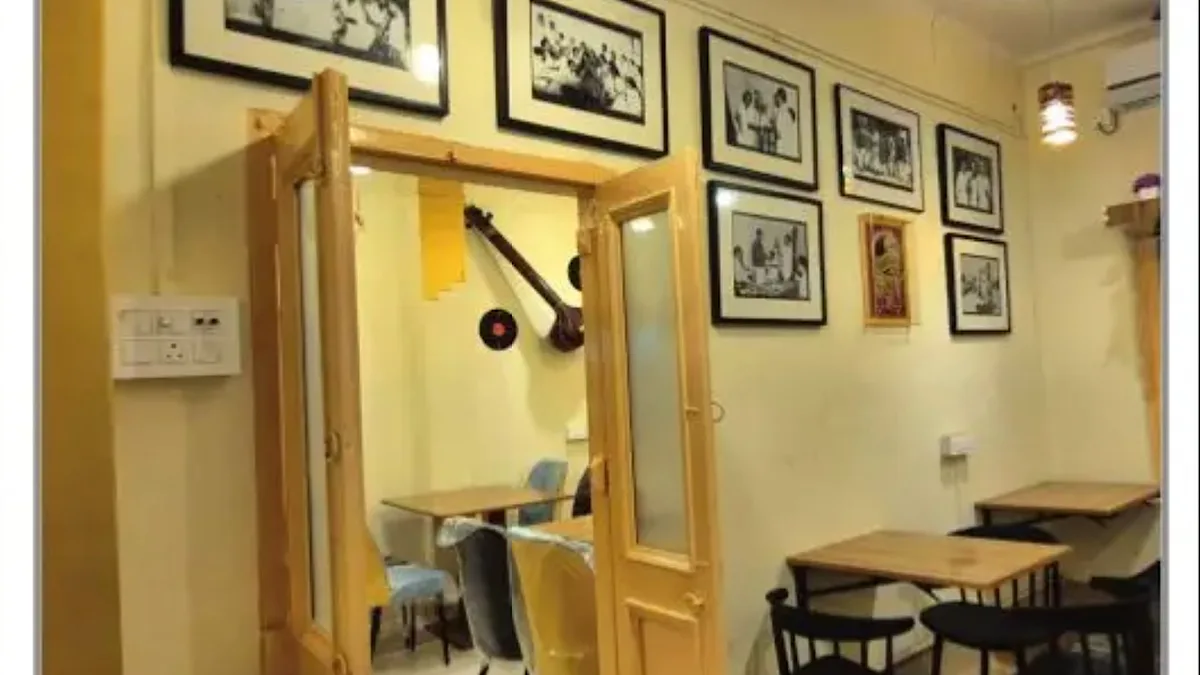
The City of Joy is a treasure trove, we all know.
The High Court sought a detailed explanation after concerns were raised that teachers were being compelled to perform electoral roll revision work at the cost of classroom teaching and personal holidays.

The court said ANI could not show enough evidence that ChatGPT had copied or reproduced its original reports, allowing the copyright dispute to move forward without temporary restrictions on OpenAI.

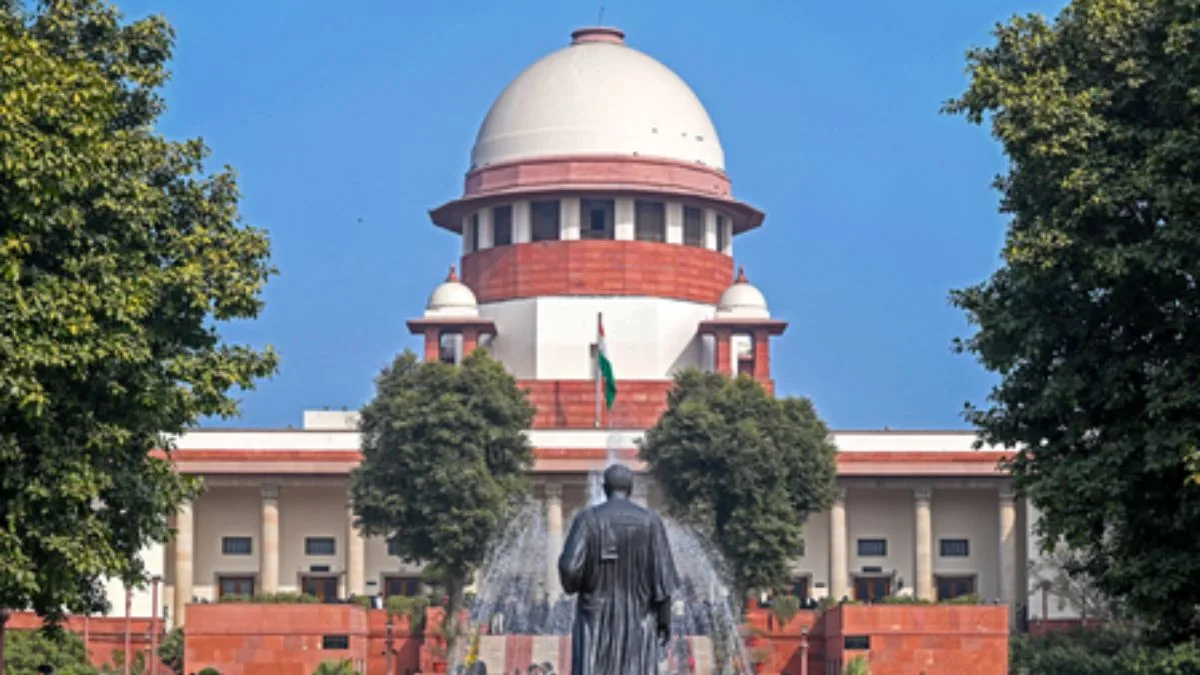
The Supreme Court on Thursday observed that it was, prima facie, not acceptable for compensation disputes arising out of land acquired under the National Highways Act, 1956, to be decided by government-appointed bureaucrats, terming it a systemic disadvantage faced by landowners under the Act.

The appointment of a political person as LieutenantGovernor of Delhi militates against the Constitutional scheme, argues Ashok Kapur.
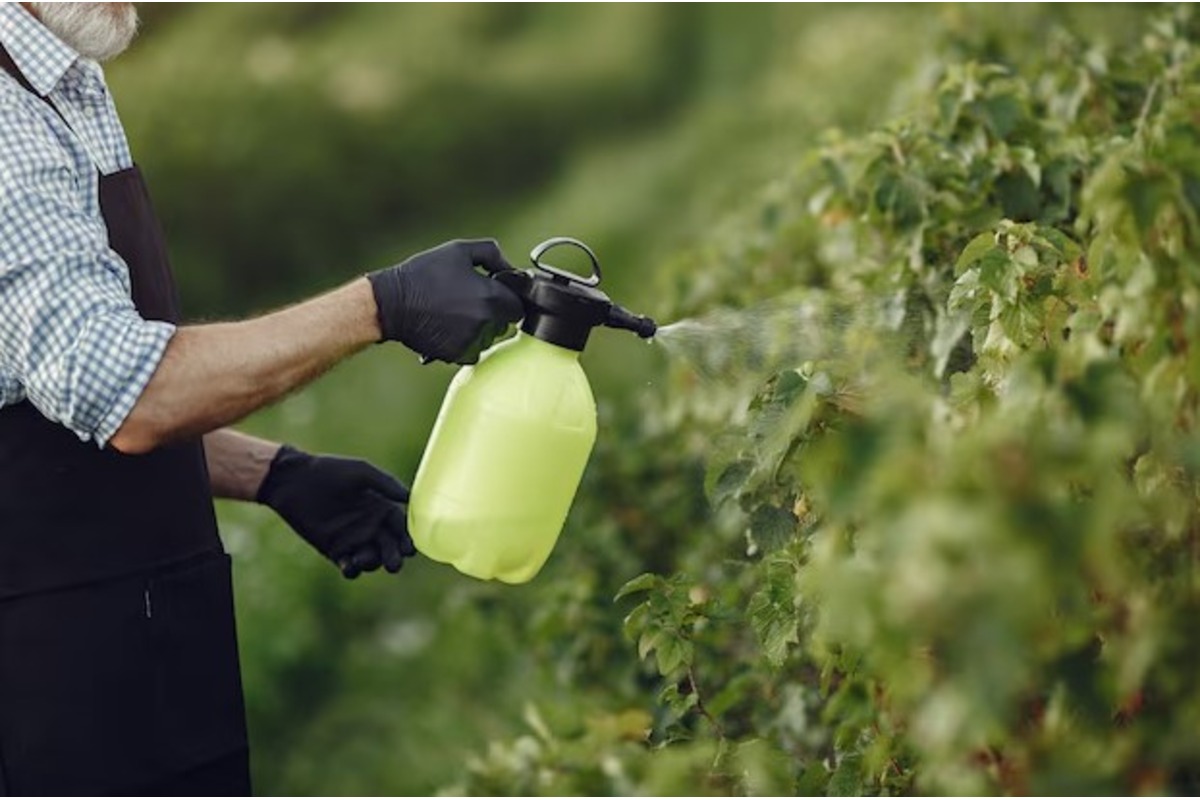
Experts believe upon the prolonged regular use of the same fungicides, pathogens often become adapted to them, and their resistance to the fungicide used grows.
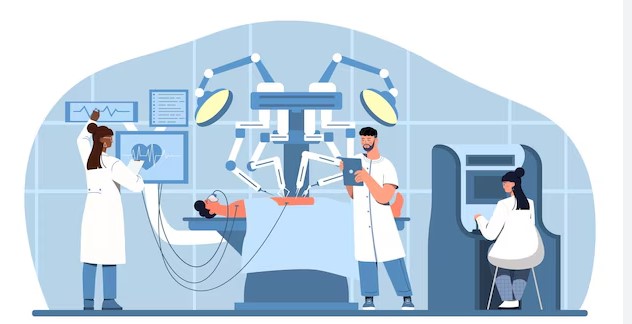
With the correct administration, monitoring and supervision, AI can overcome human limitations and guide us towards a brighter and more hopeful future.

Bio-enzymatic cleaners offer numerous benefits. They promote sustainable living, are environmentally safe, and support a zero-waste lifestyle.

As the world hits the 12th consecutive month with record-high global temperatures, it is no surprise that there have been so many extreme weather events.