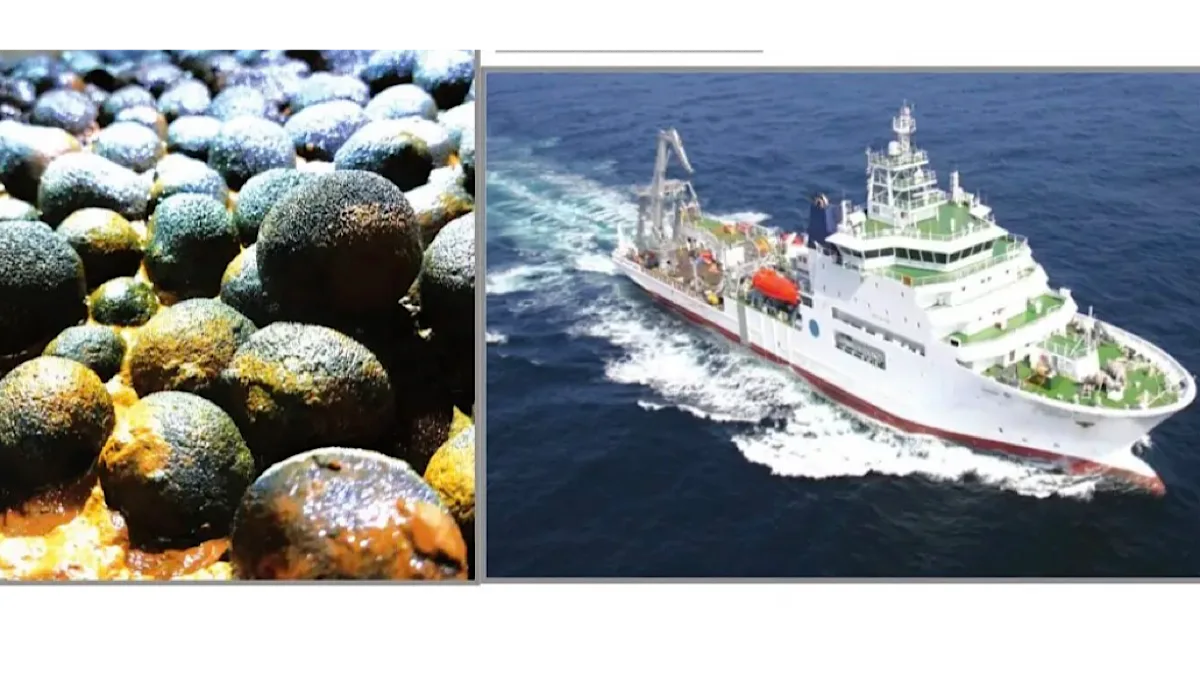
Extraction of minerals from the Indian offshore: Opportunities and challenges
The mineral economy of India is at a crucial moment of structural transition.
The mineral economy of India is at a crucial moment of structural transition.
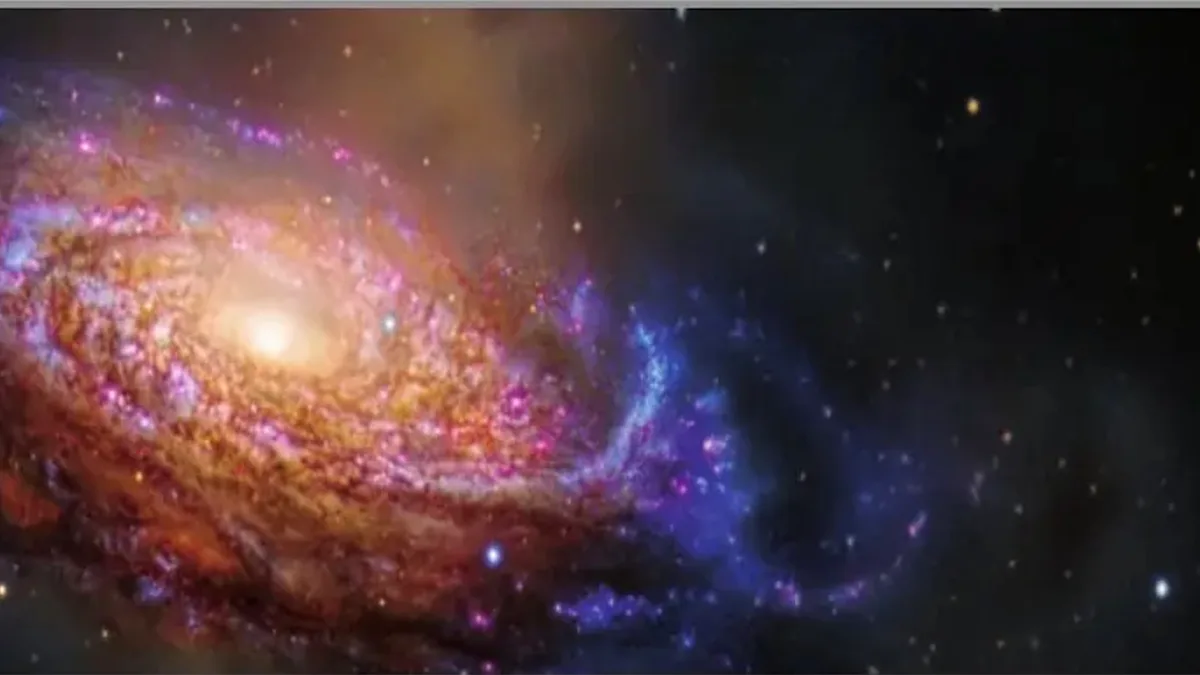
Physicists have long been fascinated with dark matter. Scientists discovered that observable matter, stars, galaxies, nebulae, and planets, can only account for 5% of the universe’s structure.

Scientists have recently unraveled the decades-old mystery of the pigeons travelling hundreds of miles.
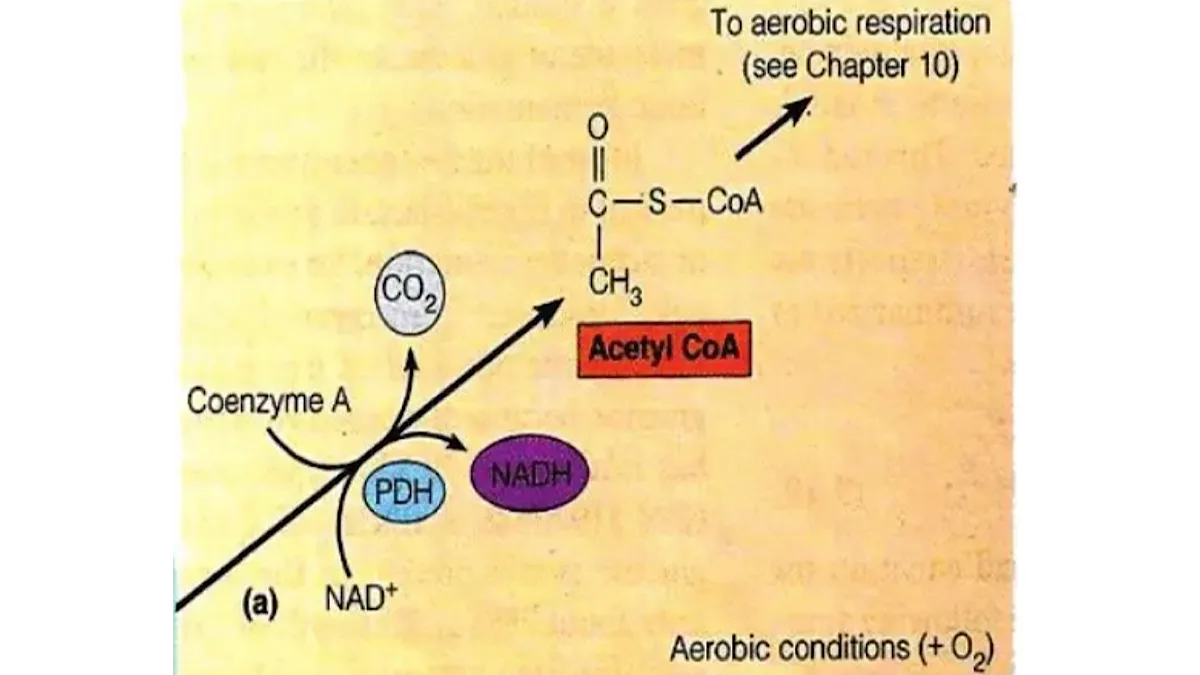
Cells not only are able to catabolize glucose and other carbohydrates to meet their energy needs but also can synthesize sugars and polysaccharides needed for other purposes.

India is not short of ideas. Every year, universities produce thousands of engineers and researchers, laboratories generate studies, and start-ups promise new solutions in healthcare, technology and sustainability.

Glasses and contact lenses have become an inherent part towards protecting our vision.
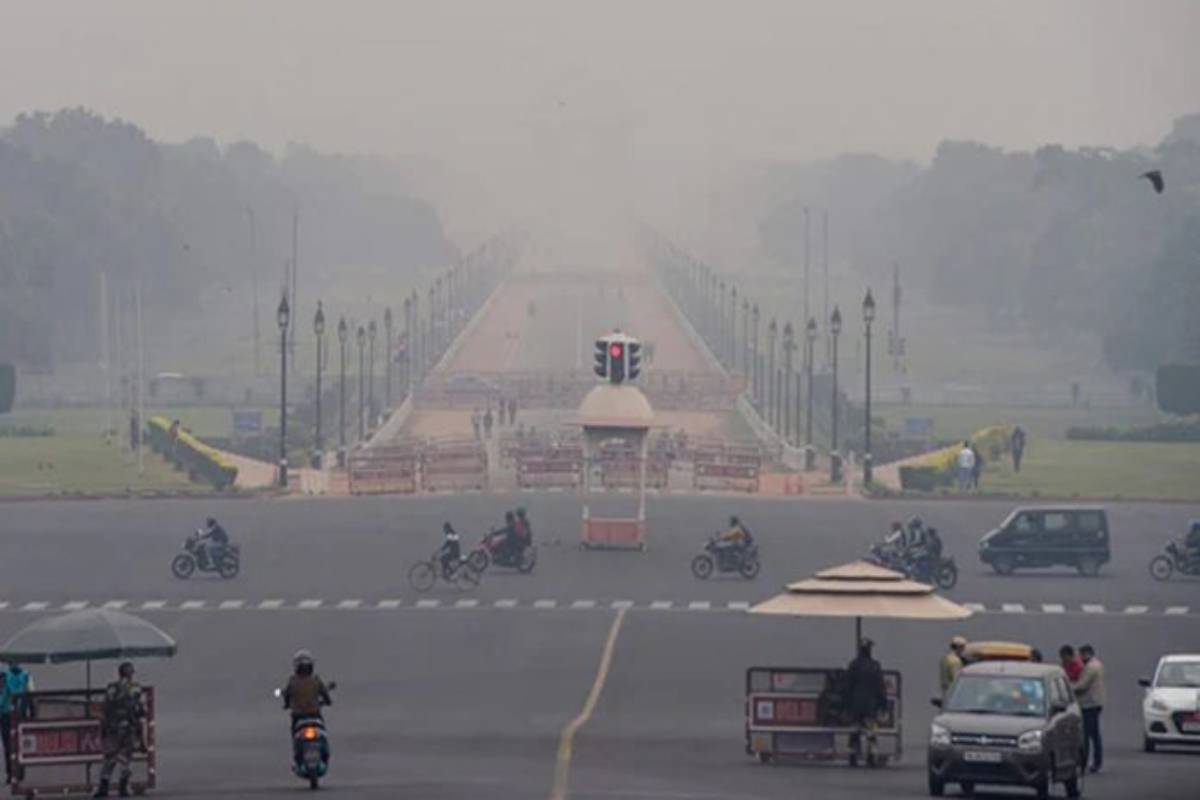
The recent State of Global Air report found that air pollution caused 170k kids’ deaths in India in 2021.

The UN emphasizes utilizing natural materials from mineral, plant, animal, marine, or forestry sources that can mimic plastic, highlighting the importance of differentiating between various alternatives, such as bioplastics and biodegradable plastics.

Invasive species, the silent intruders of ecosystems, are wreaking havoc across India's natural landscapes.

In scientific terms, the energy released from the core or the nucleus of an atom is called nuclear energy. In the real world, nuclear energy is simply ‘organised chaos’, an oxymoron to the very core.