Striving for the Gandhian ideal
Generally, it is taken for granted that the journey on the path of development is accompanied by increasing urbanization.
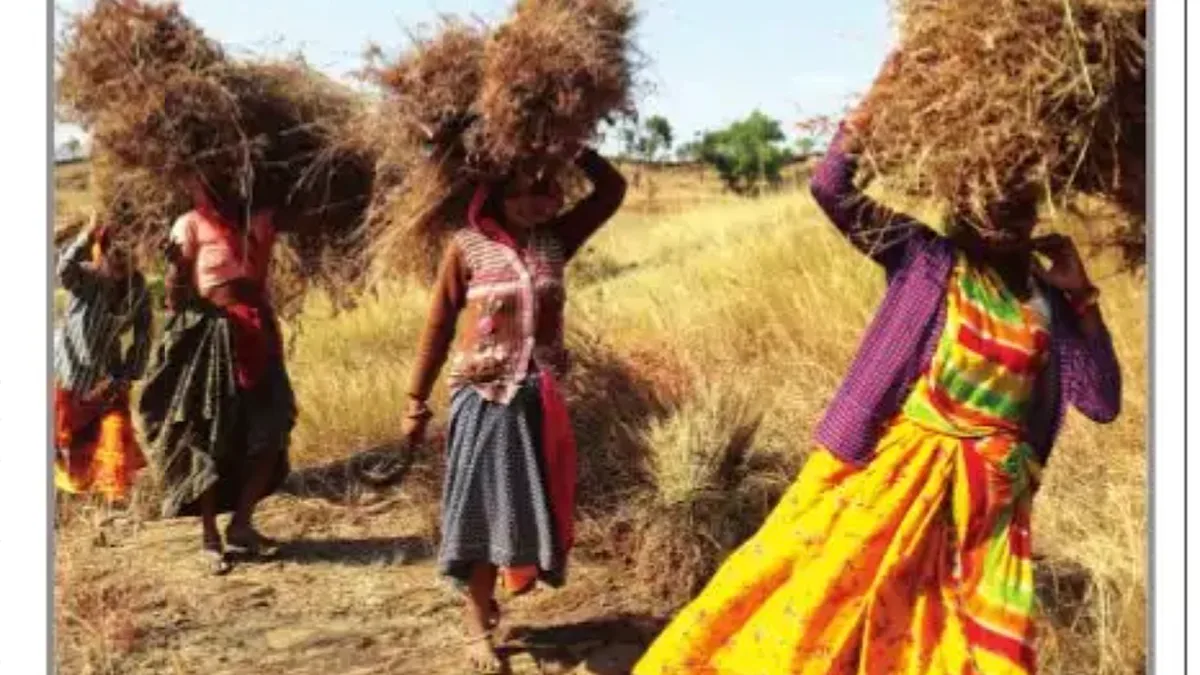
Generally, it is taken for granted that the journey on the path of development is accompanied by increasing urbanization.

A doctor and nursing staff at a Maharashtra hospital were allegedly assaulted by a local corporator, exposing a disturbing irony.

The barricading of the Shambhu border in Haryana to prevent farmers from travelling to Delhi raises a question larger than the protest itself.
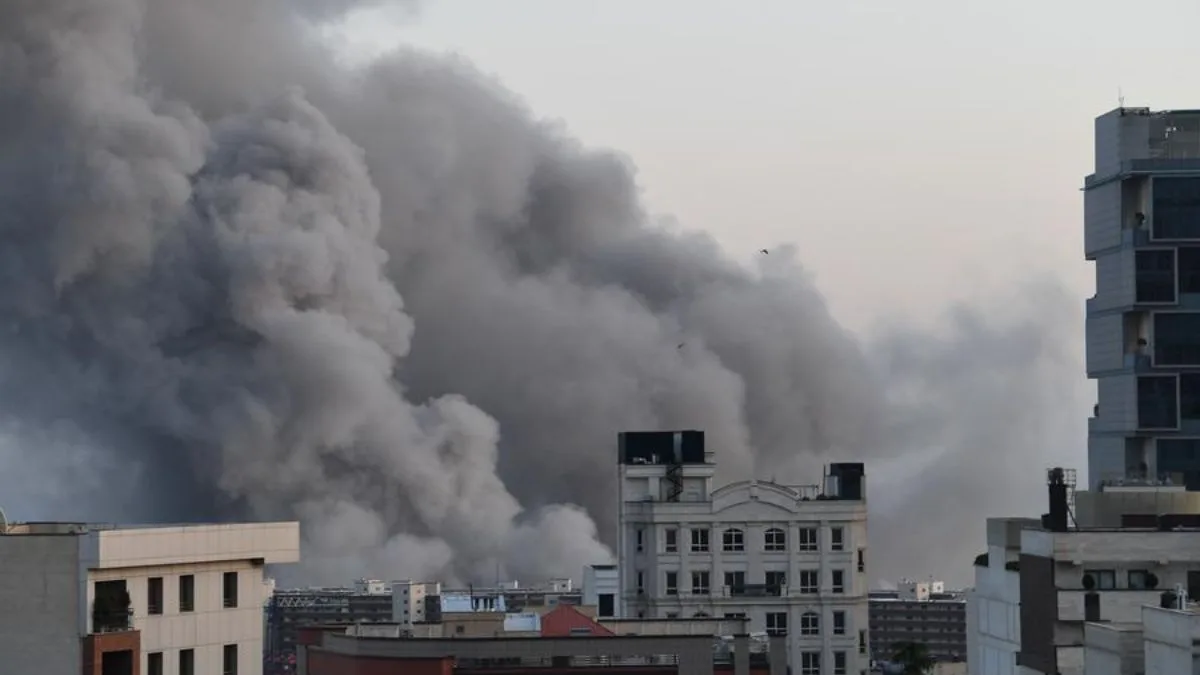
The renewed war between the United States and Iran has again placed American and Israeli military interests on apparently common ground.
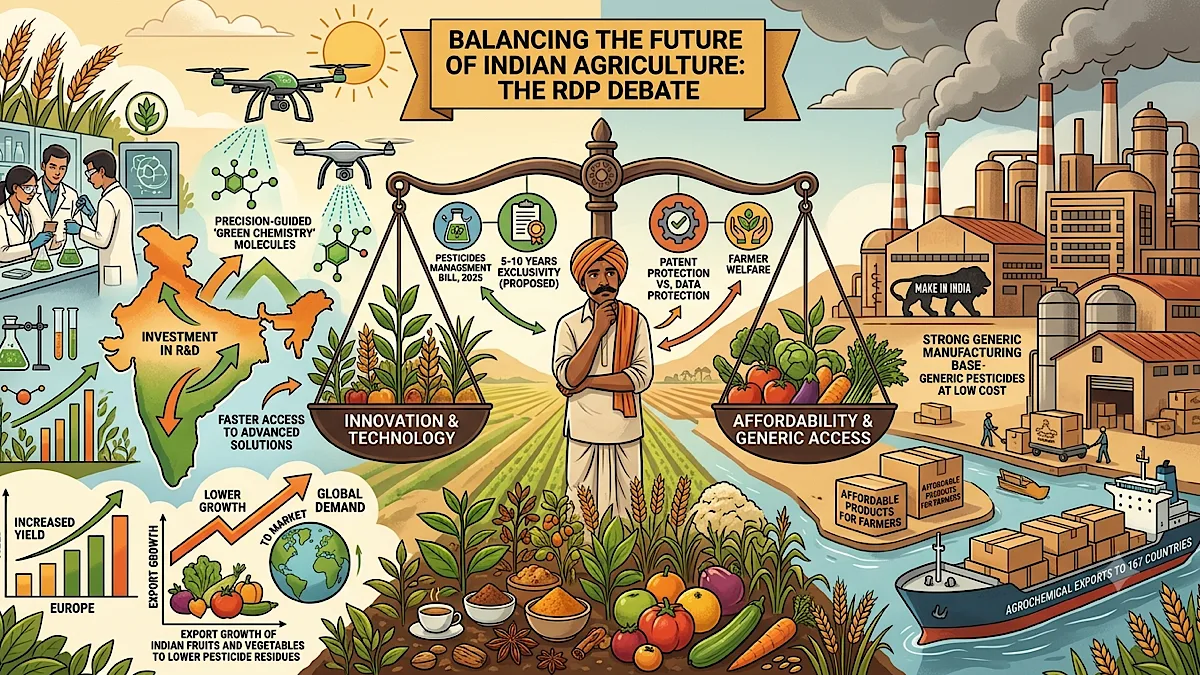
India’s agrochemical industry, a major global hub for crop protection product manufacturing, is at the heart of a significant policy discussion that could shape the future of agricultural innovation, domestic production, exports, and farmer welfare.
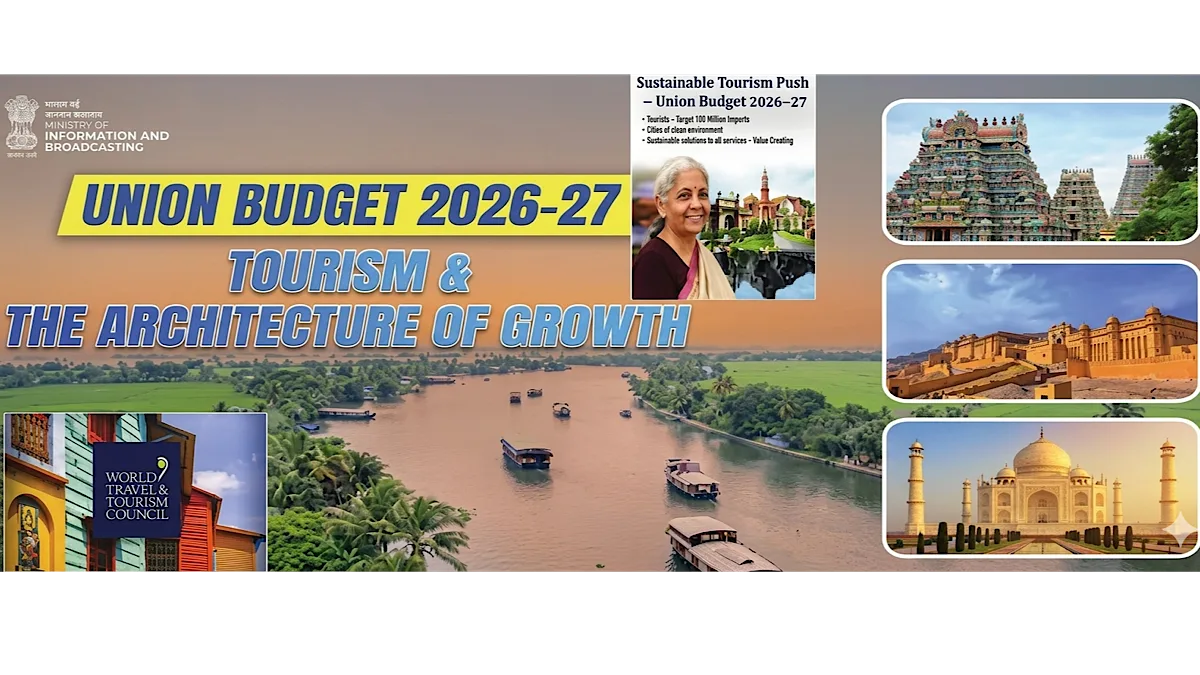
Union Budget 2026-27 marks a qualitative leap in India's approach to Tourism Governance ~ moving from sporadic interventions to a structured, multi-dimensional policy architecture aligned with the civilisational ambitions of Viksit Bharat@2047.

As NASA’s Artemis II mission prepares for its high-speed re-entry and scheduled splashdown in the Pacific off San Diego, it marks more than the end of a test flight.

It is time for the government to move away from the outdated practice of lowest bidding (L1) in public procurement and adopt the globally accepted Quality-cum-Cost-Based Selection (QCBS) method.

The Supreme Court is once again confronting a question it has never fully resolved: where does faith end and the Constitution begin?

The structural transformation Economic progress is often celebrated as a story of innovation, technological breakthroughs, and institutional advancement.