Striving for the Gandhian ideal
Generally, it is taken for granted that the journey on the path of development is accompanied by increasing urbanization.
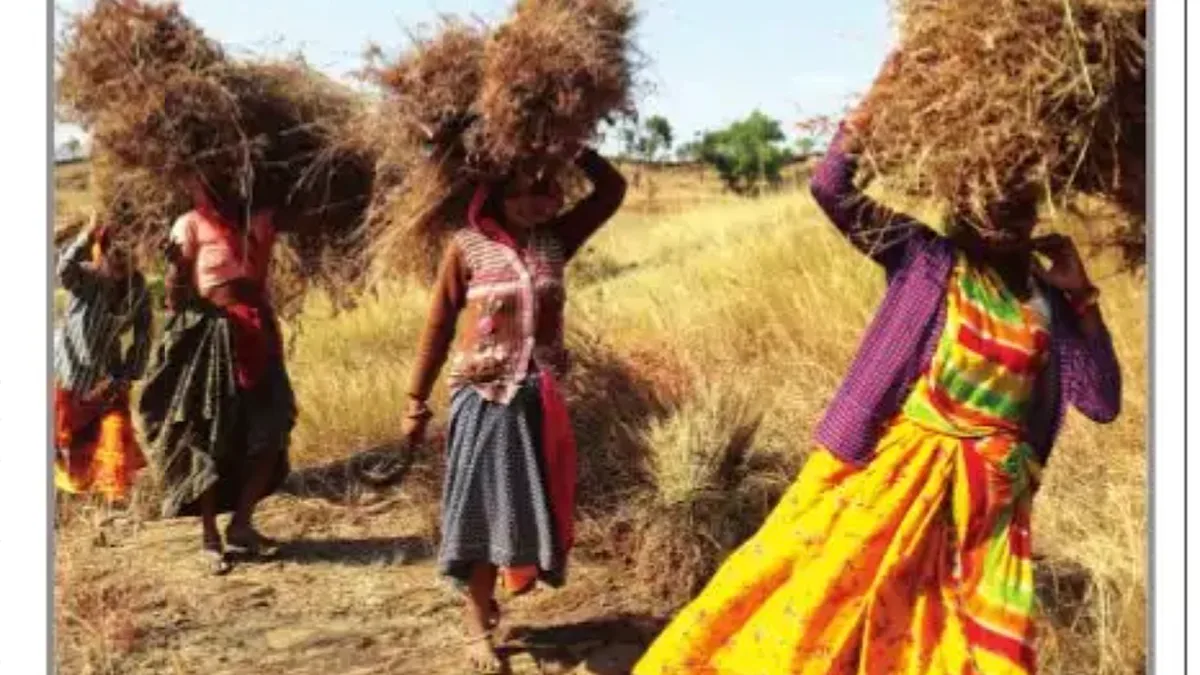
Generally, it is taken for granted that the journey on the path of development is accompanied by increasing urbanization.

A doctor and nursing staff at a Maharashtra hospital were allegedly assaulted by a local corporator, exposing a disturbing irony.
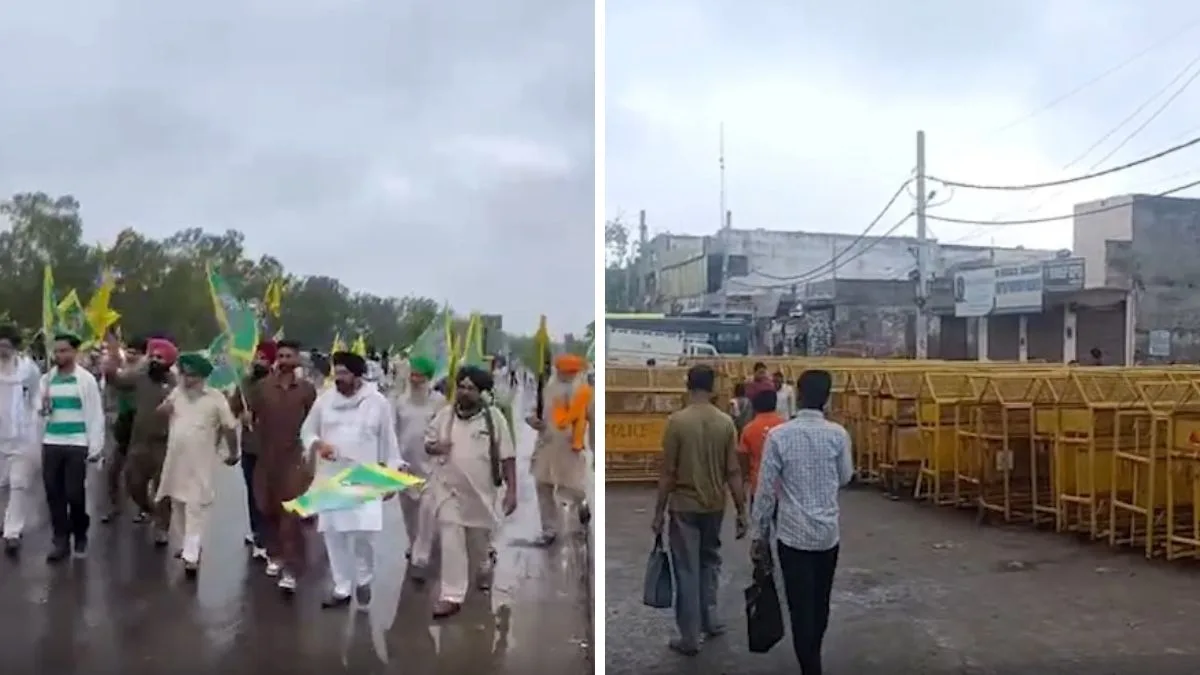
The barricading of the Shambhu border in Haryana to prevent farmers from travelling to Delhi raises a question larger than the protest itself.
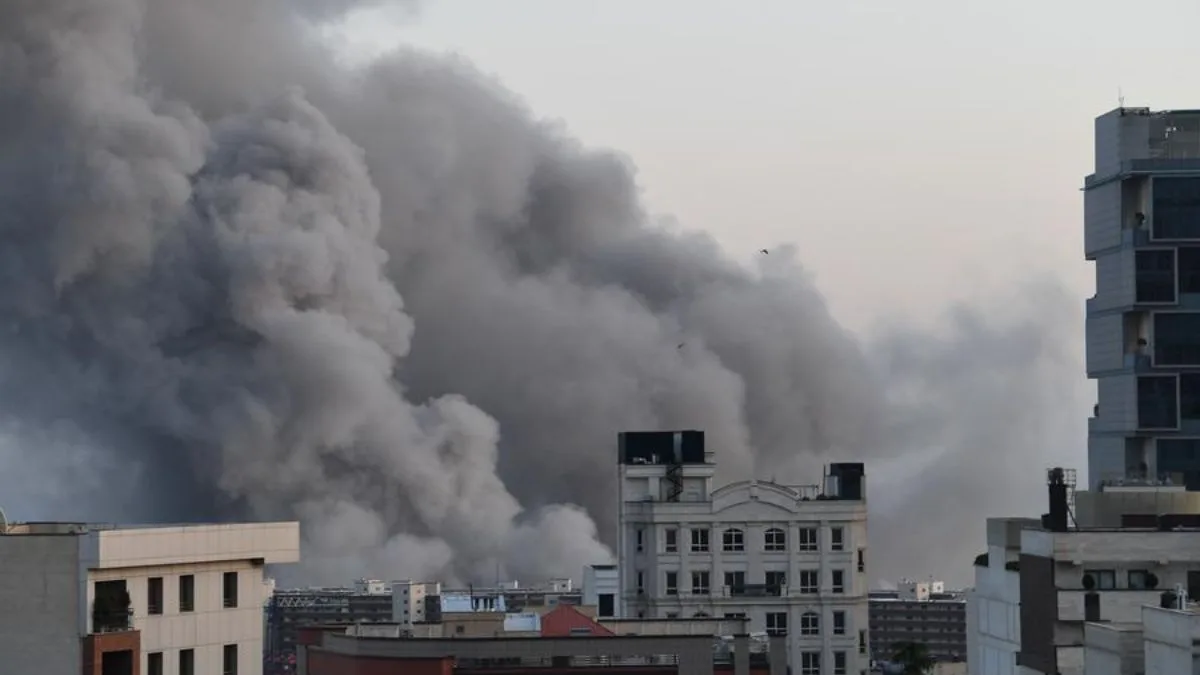
The renewed war between the United States and Iran has again placed American and Israeli military interests on apparently common ground.
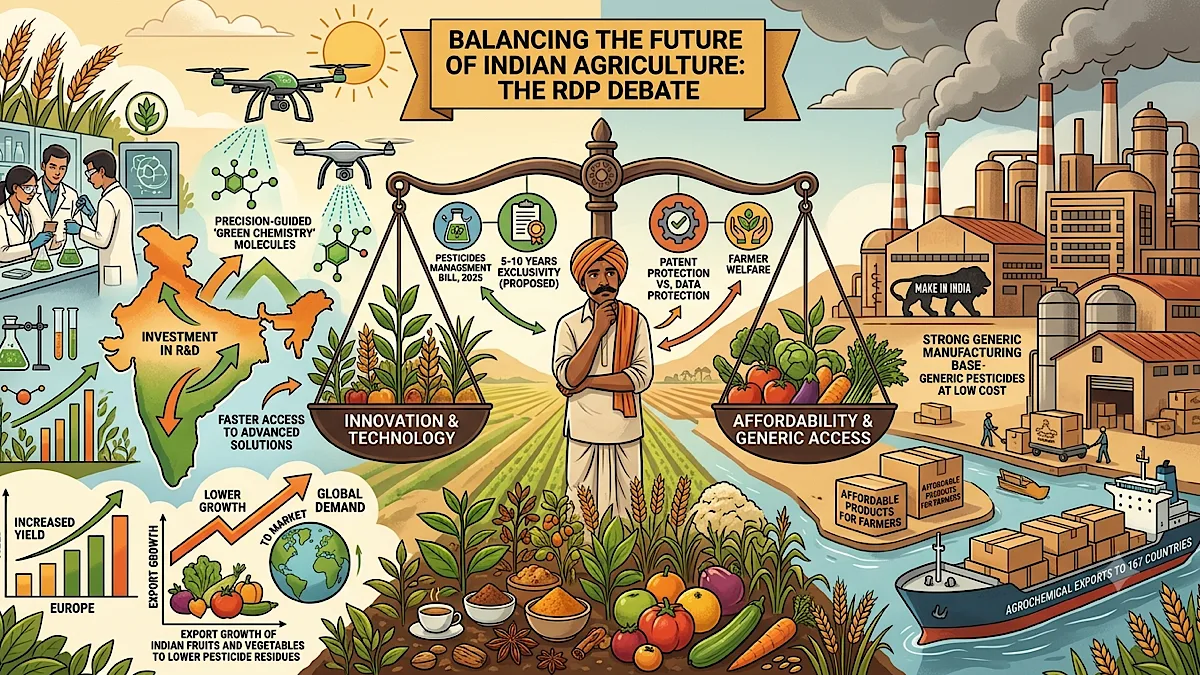
India’s agrochemical industry, a major global hub for crop protection product manufacturing, is at the heart of a significant policy discussion that could shape the future of agricultural innovation, domestic production, exports, and farmer welfare.

Safety and Risk Management today is a high-order science that relies on extremely sophisticated computational tools.

Katchatheevu never needs an invitation in Tamil Nadu politics. It turns up on its own - like that extra vada that arrives with a masala dosa.

On 24 April 2026 , India completes five years of the SVAMITVA (Survey of Villages and Mapping with Improvised Technology in Village Areas) Scheme - an initiative that has quietly but decisively transformed the foundations of rural governance.
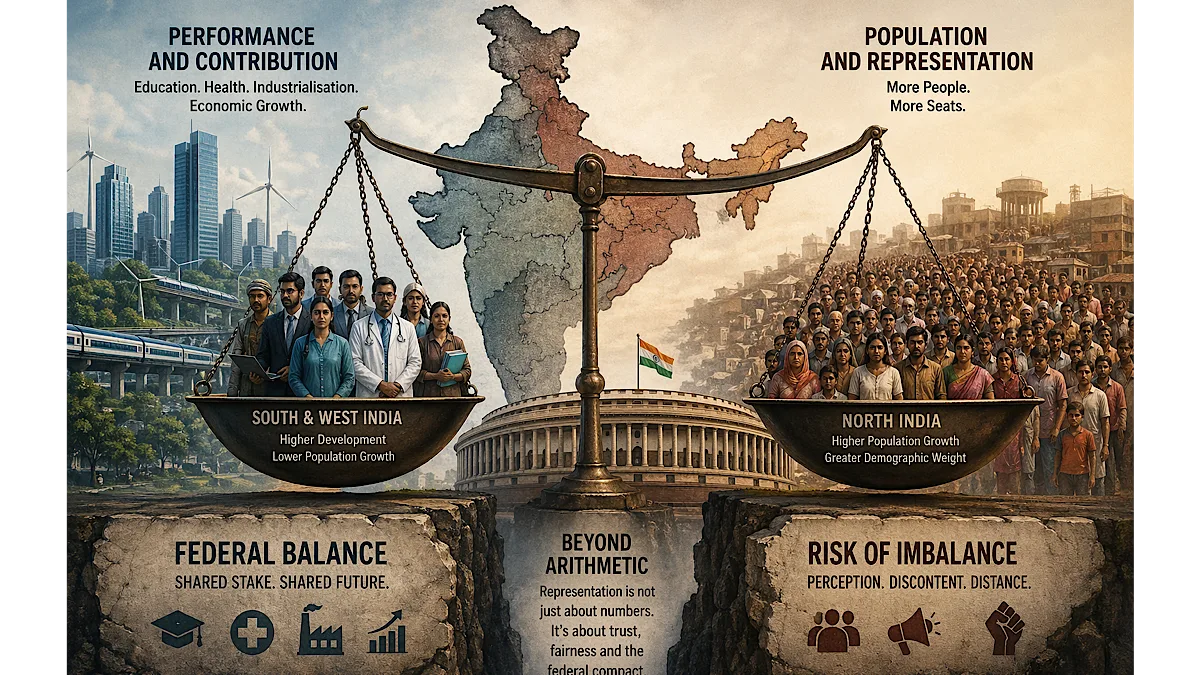
For decades, India’s political system rested on a quiet understanding

In West Bengal’s election theatre, a fish is no longer just a fish. It has become a political instrument ~ held up, quite literally, as proof of belonging.
![‘Beginning of accountability’: Sonam Wangchuk reveals 3 written assurances from Centre before ending fast [VIDEO]](https://www.thestatesman.com/wp-content/uploads/2026/07/Sonam-Wangchuk-1-1.webp)