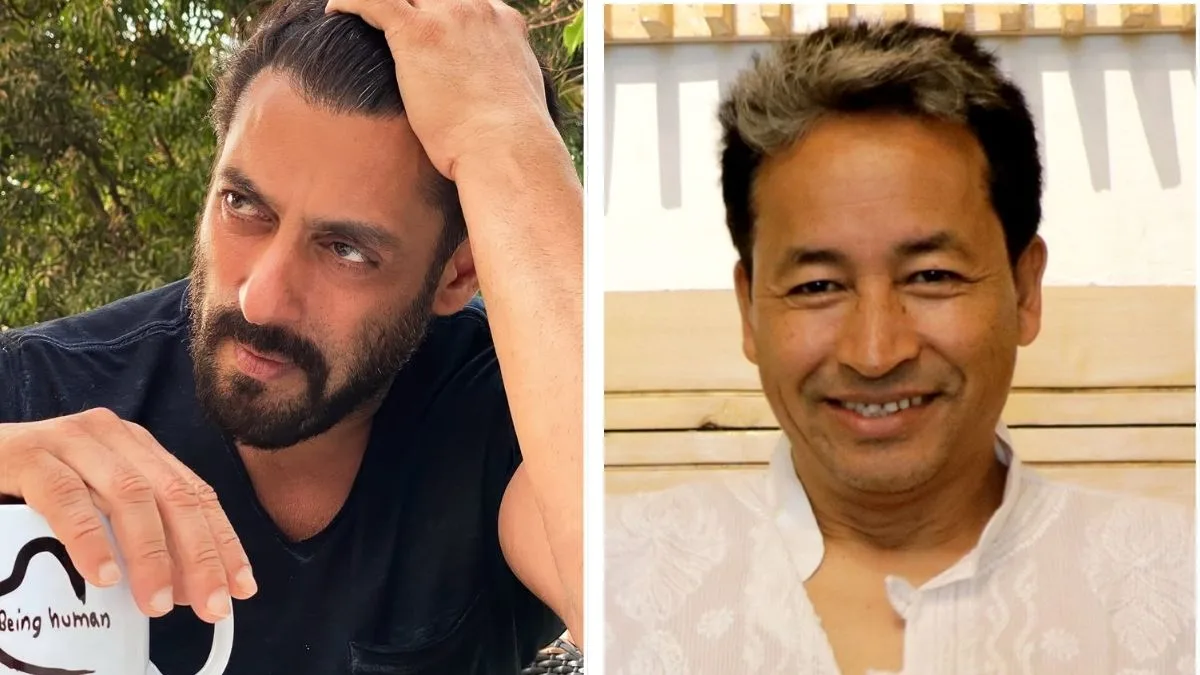
Education without entrance examinations
India’s entrance exam regime has grown into a parallel economy, draining families and destroying young lives.
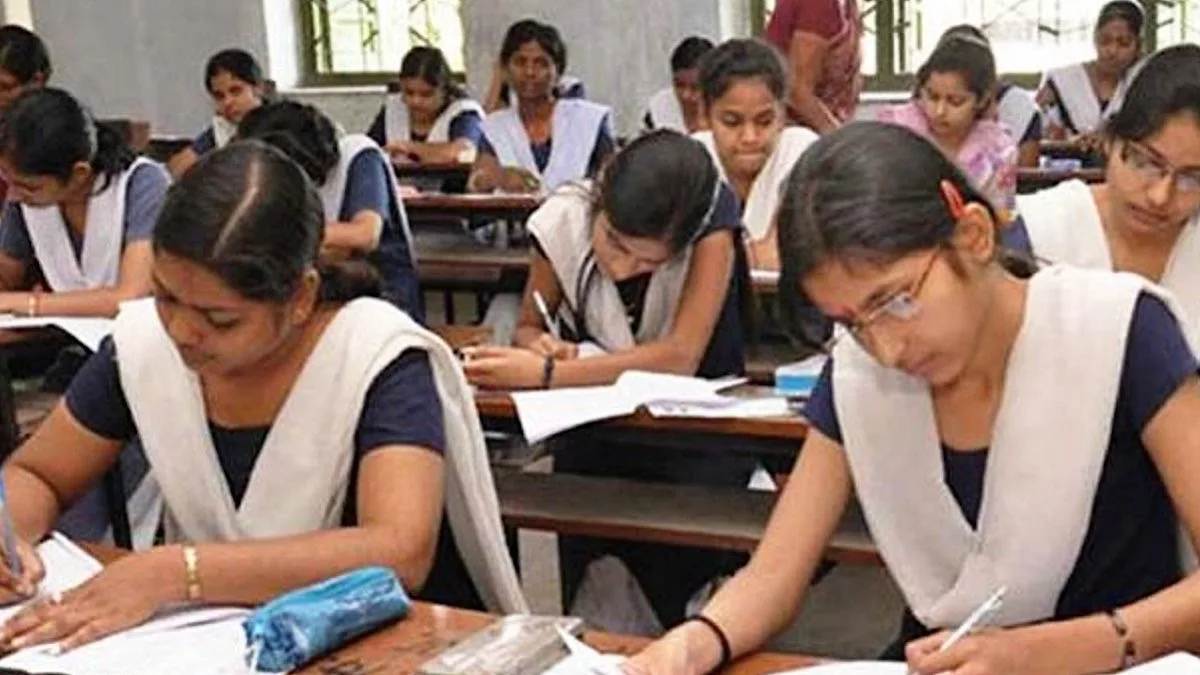
India’s entrance exam regime has grown into a parallel economy, draining families and destroying young lives.
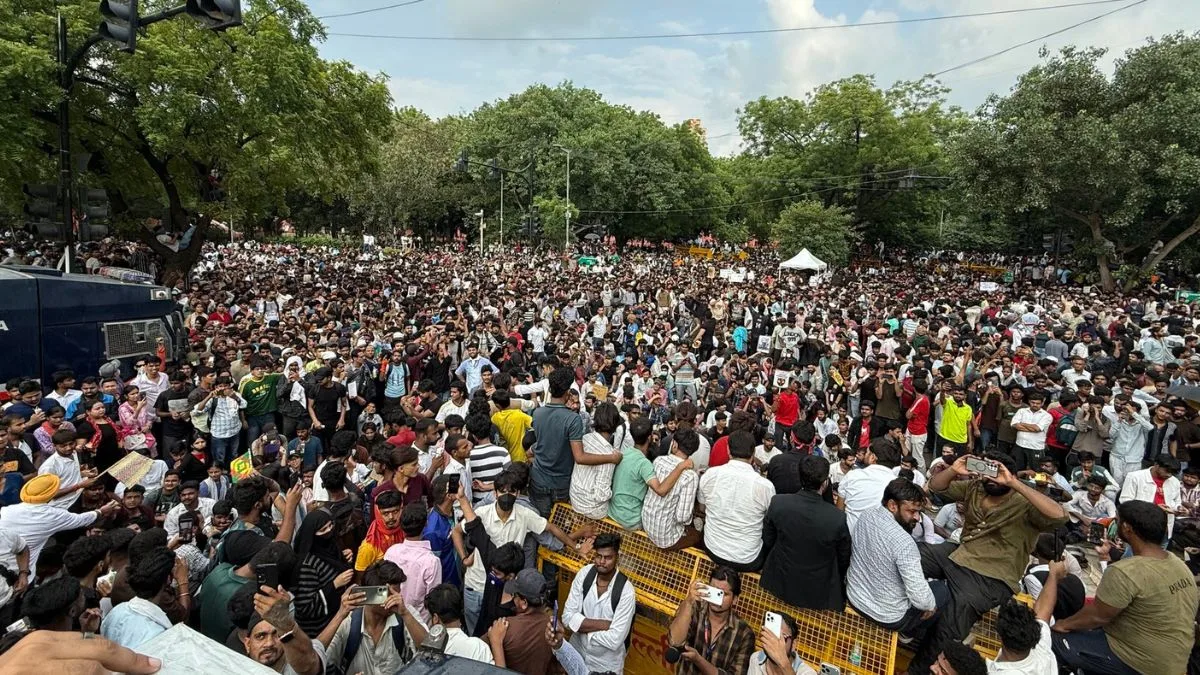
In a healthy democracy, student activism has always been a vital force - a crucible where ideas are sharpened , injustices challenged, and futures forged.
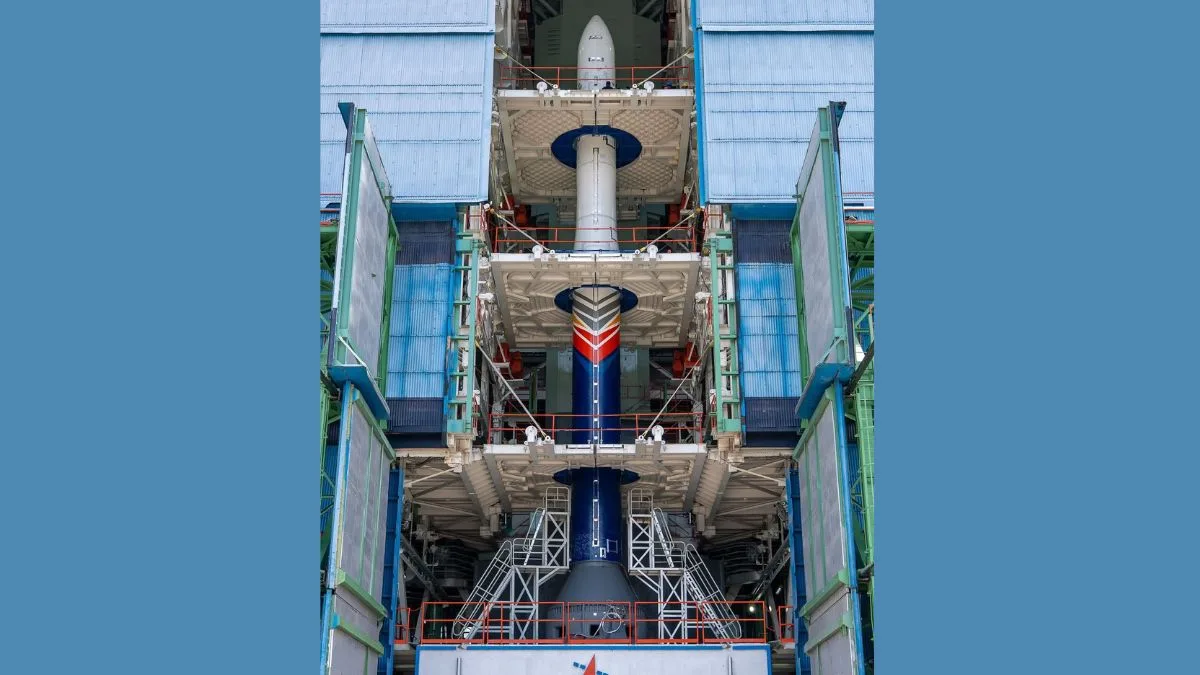
Vikram-1 reaching orbit marks an important transition in India’s space journey.

The latest Republican US budget package is about far more than allocating another $95 billion in federal spending.
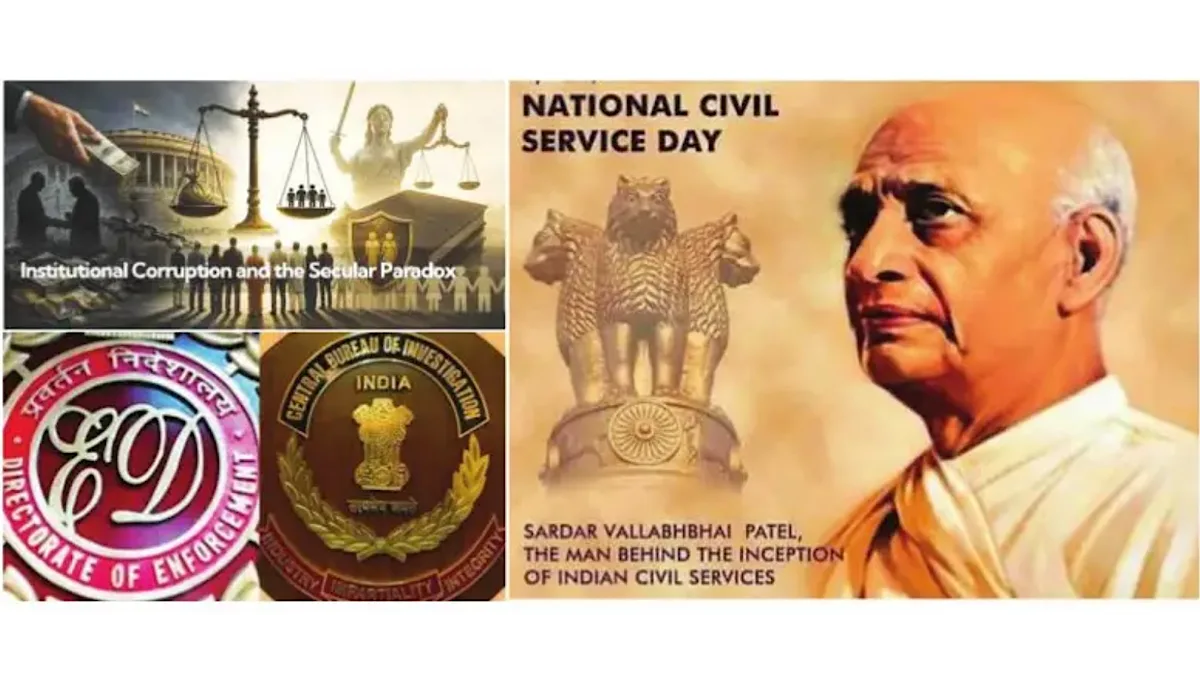
Indian administration has always had a fantastic worldwide reputation. Sardar Vallabhbhai Patel once referred to our civil services as the “steel frame” of the nation.

As an observer of electoral politics in West Bengal - and increasingly of democratic life across India - one is compelled to confront an uncomfortable truth: Indian democracy, though vigorous in participation, appears increasingly fragile in purpose.
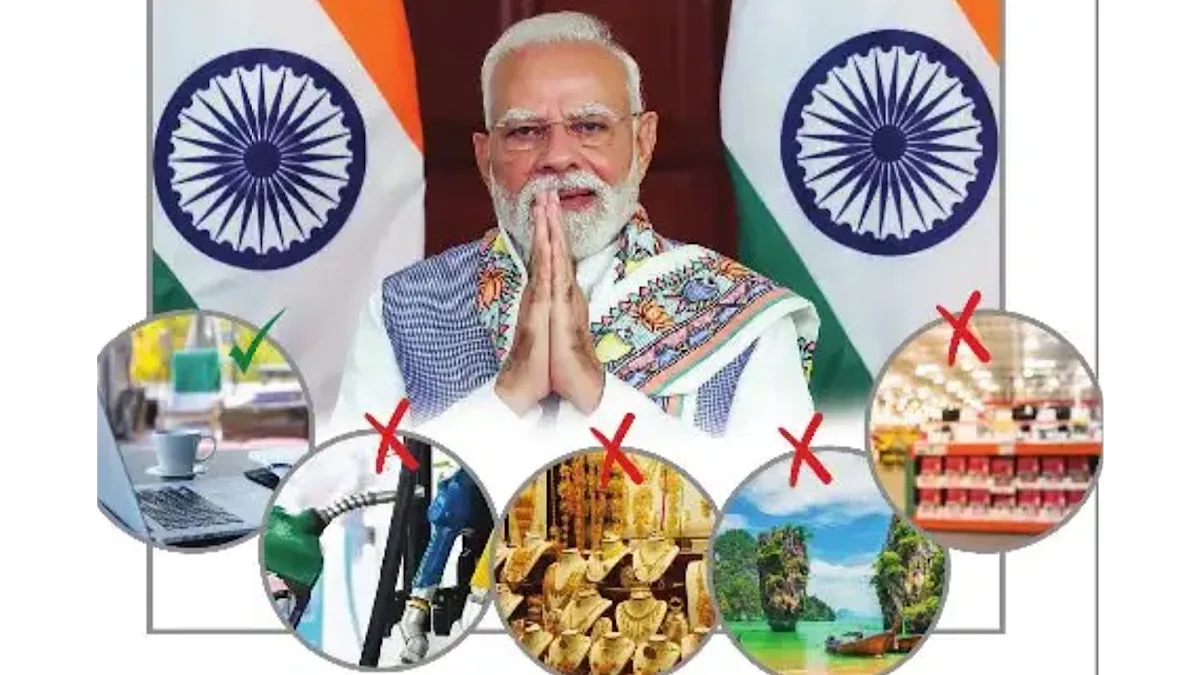
The world India is navigating today is far more uncertain than the one we inhabited even two years ago. West Asia remains volatile, threatening shipping routes that carry crude oil to Indian refineries.

India’s medical entrance examination crisis is no longer about one leaked paper, one compromised centre or one criminal network.
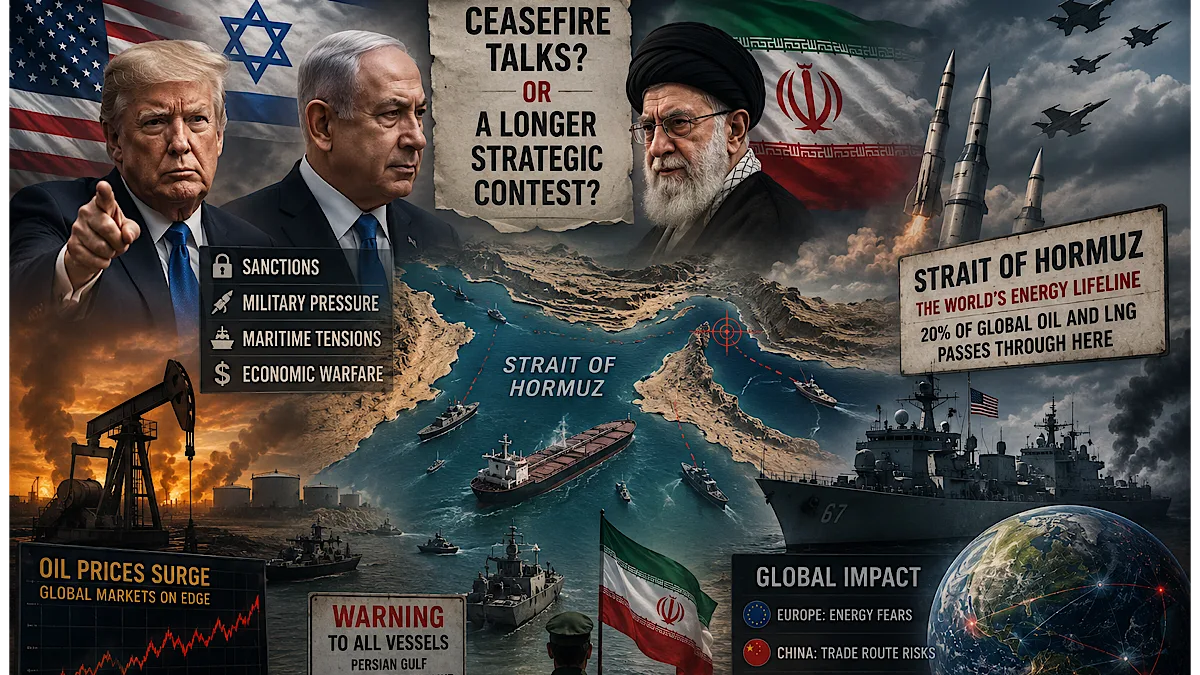
The rhetoric surrounding the Iran conflict may still speak the language of ceasefires and negotiations, but the strategic reality points elsewhere. What is unfolding now is not the winding down of a war.
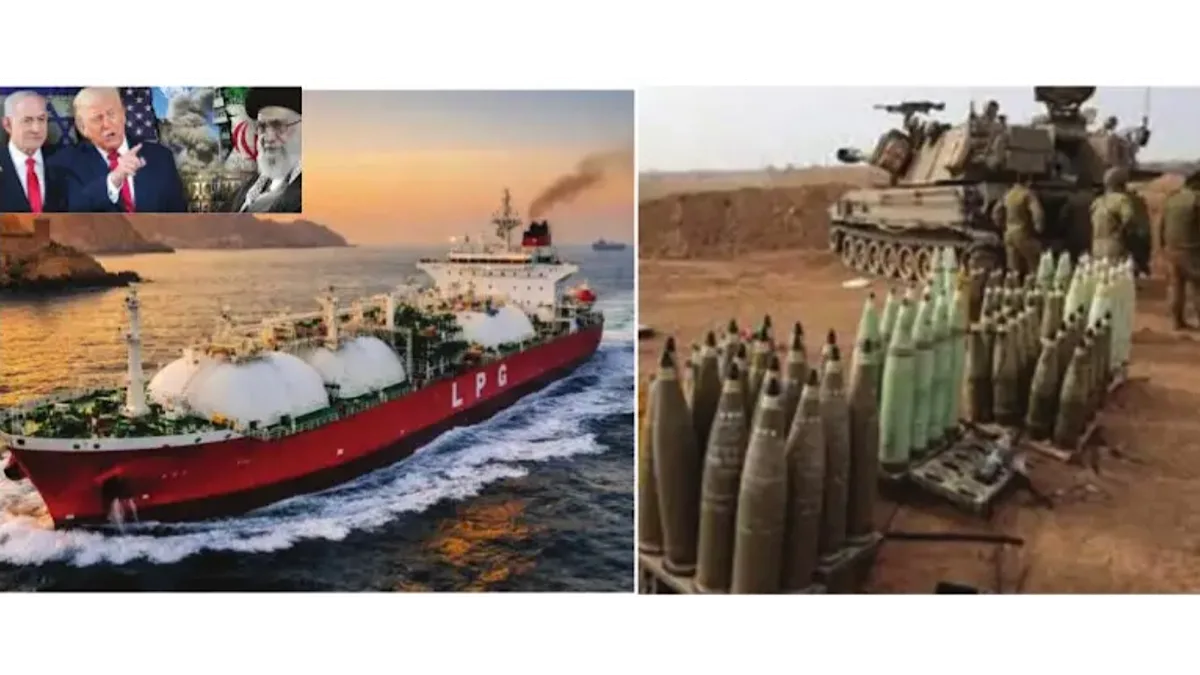
The high-priest of realpolitik, Henry Kissinger, nuanced asymmetric forces by insisting that, “The guerrilla wins if he does not lose. The conventional army loses if it does not win.”