Education without entrance examinations
India’s entrance exam regime has grown into a parallel economy, draining families and destroying young lives.
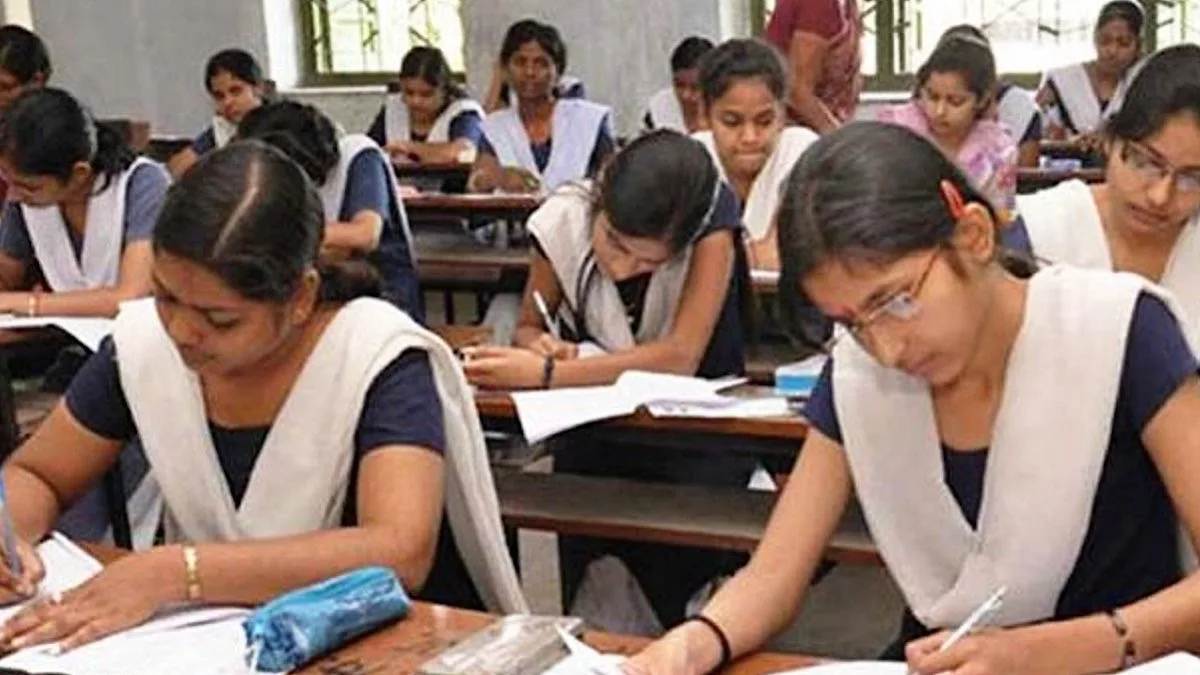
India’s entrance exam regime has grown into a parallel economy, draining families and destroying young lives.
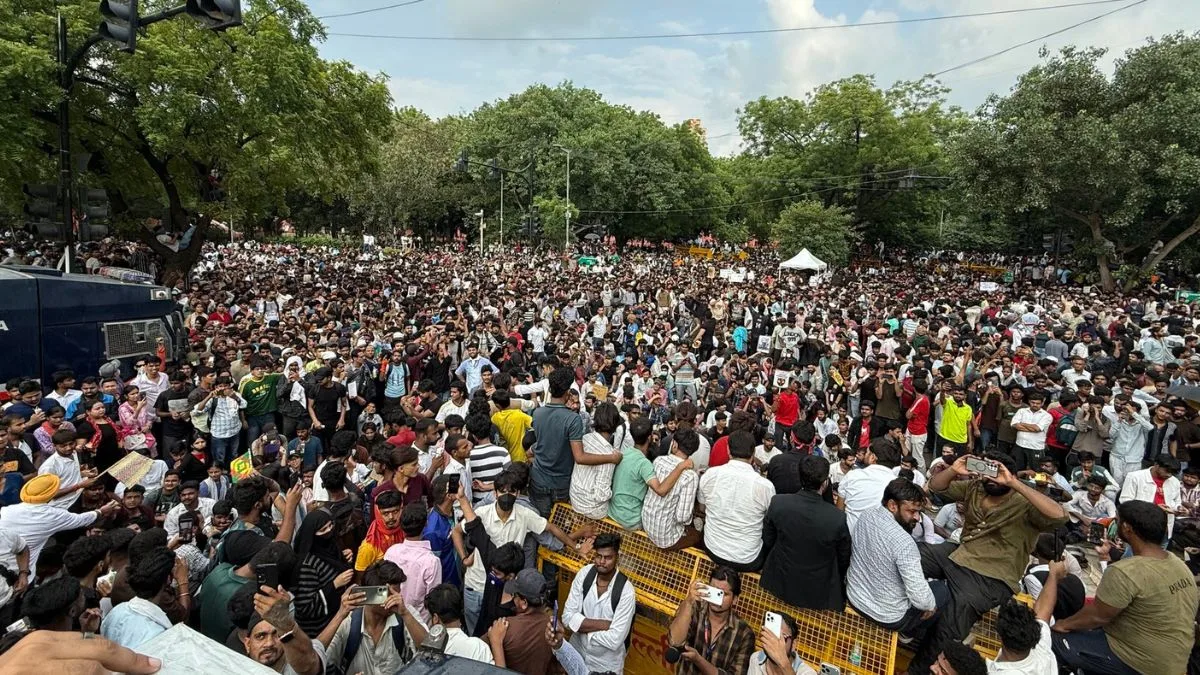
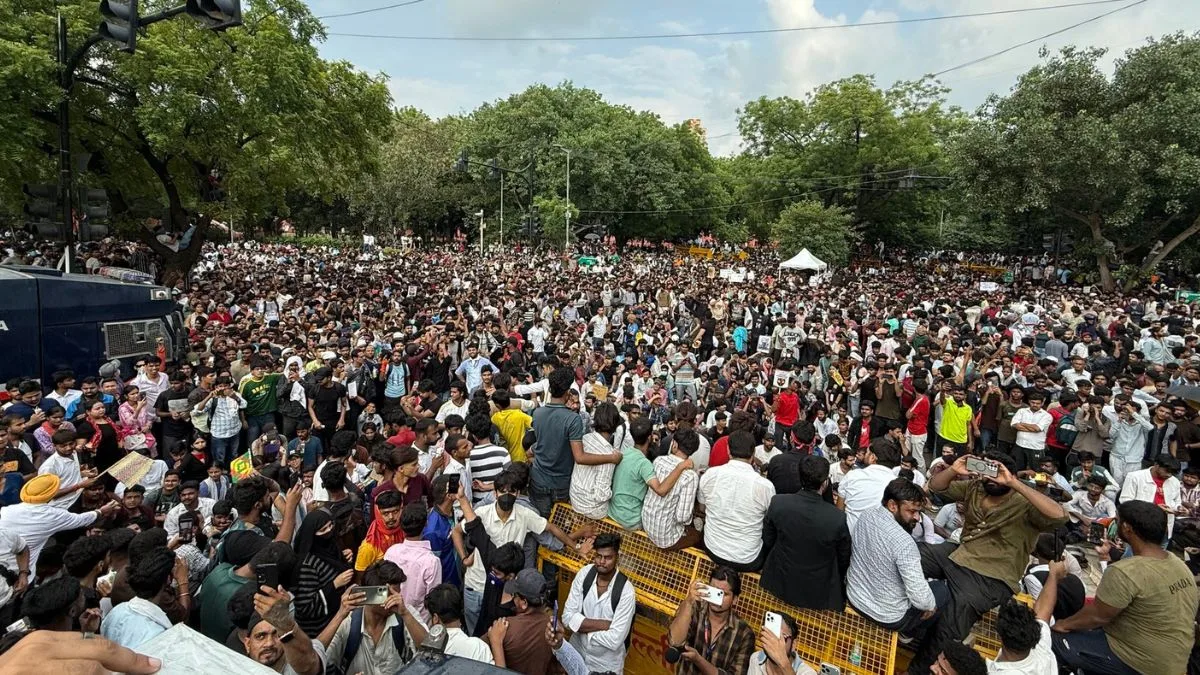
In a healthy democracy, student activism has always been a vital force - a crucible where ideas are sharpened , injustices challenged, and futures forged.
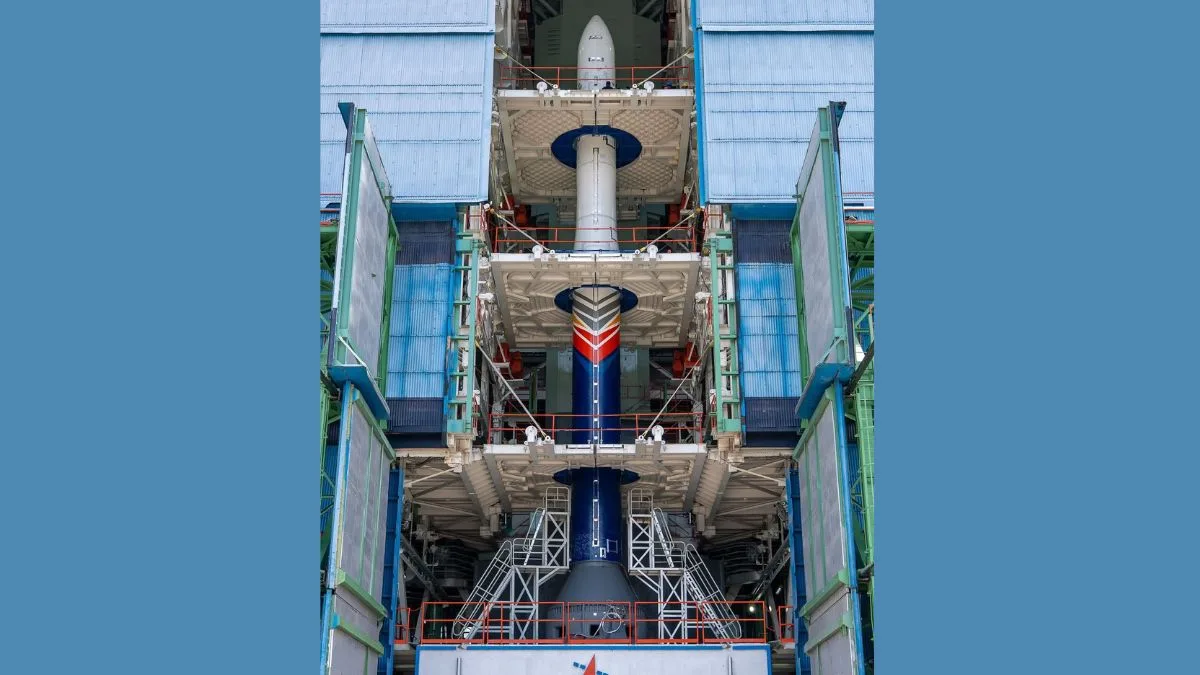
Vikram-1 reaching orbit marks an important transition in India’s space journey.

The latest Republican US budget package is about far more than allocating another $95 billion in federal spending.
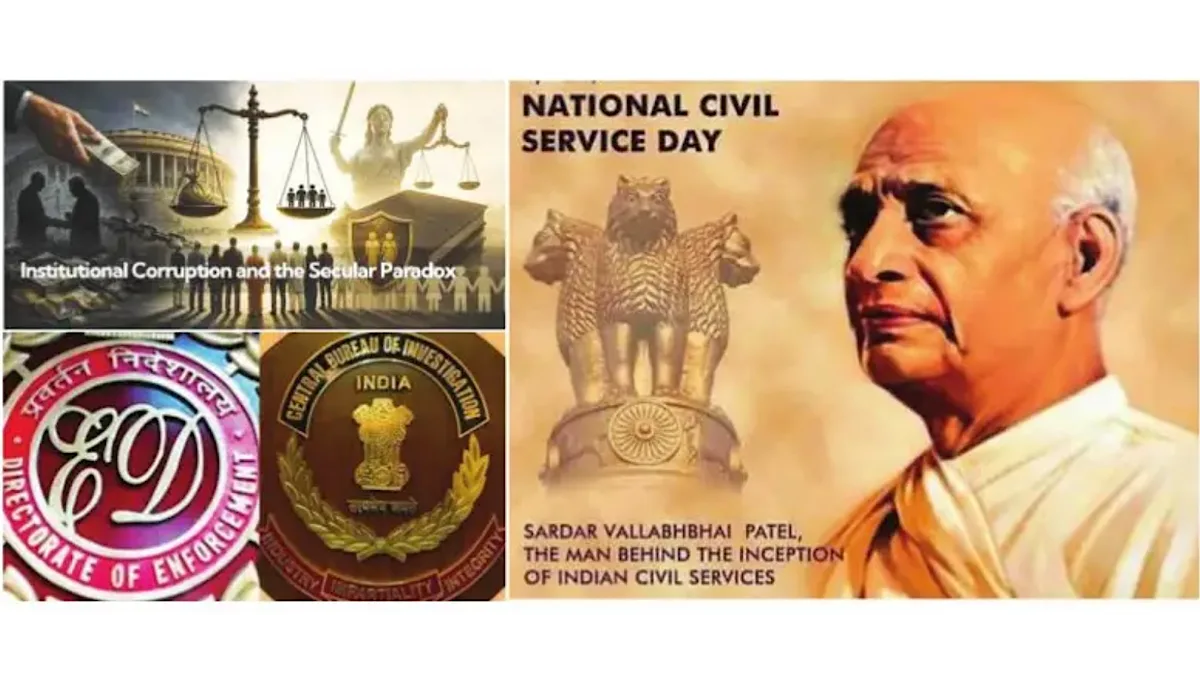
Indian administration has always had a fantastic worldwide reputation. Sardar Vallabhbhai Patel once referred to our civil services as the “steel frame” of the nation.
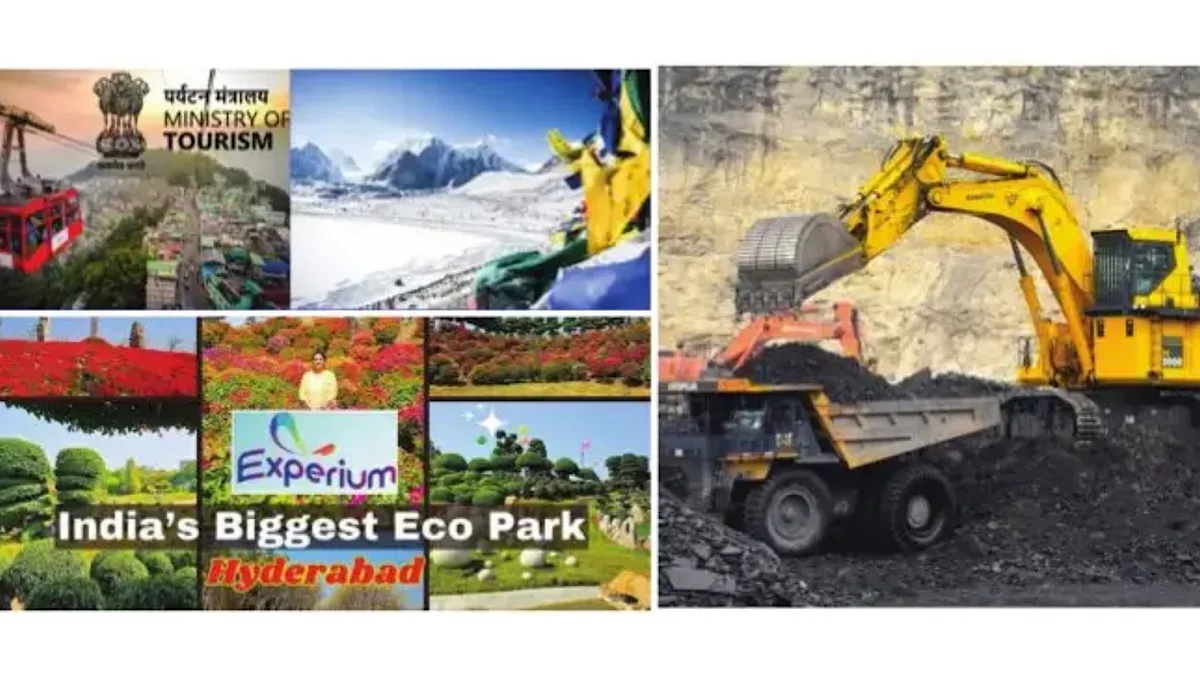
There is a particular quality to the silence that settles over a coal mine when operations cease.
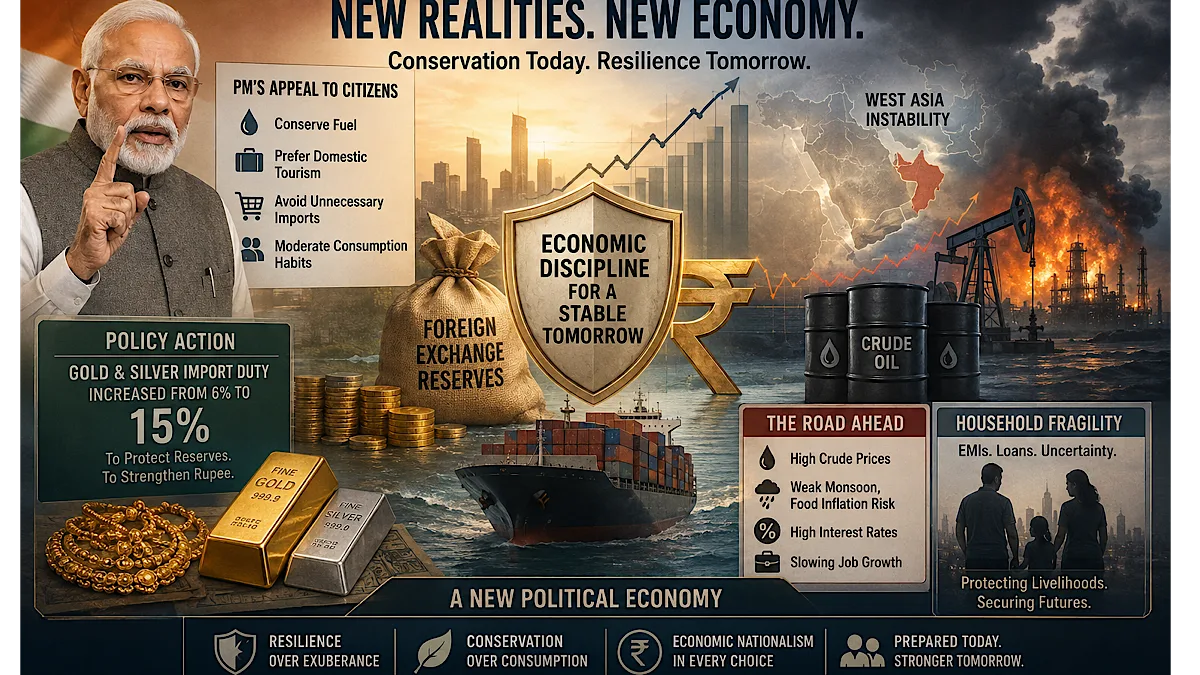
India’s economic messaging has undergone a subtle but unmistakable shift over the past week.

For nearly two decades, Indian politics has steadily moved towards a welfare consensus.

India’s gig economy is growing fast, but so is the risk of injury on the job. The gig workforce has grown from 7.7 million in 2020-21 to nearly 12 million in 2024-25, according to the Economic Survey 2025-26.

As the dust settles over West Bengal’s electoral mandate, one re ality stands reinforce d – welfare-driven governance continues to enjoy public legitimacy.