Education without entrance examinations
India’s entrance exam regime has grown into a parallel economy, draining families and destroying young lives.
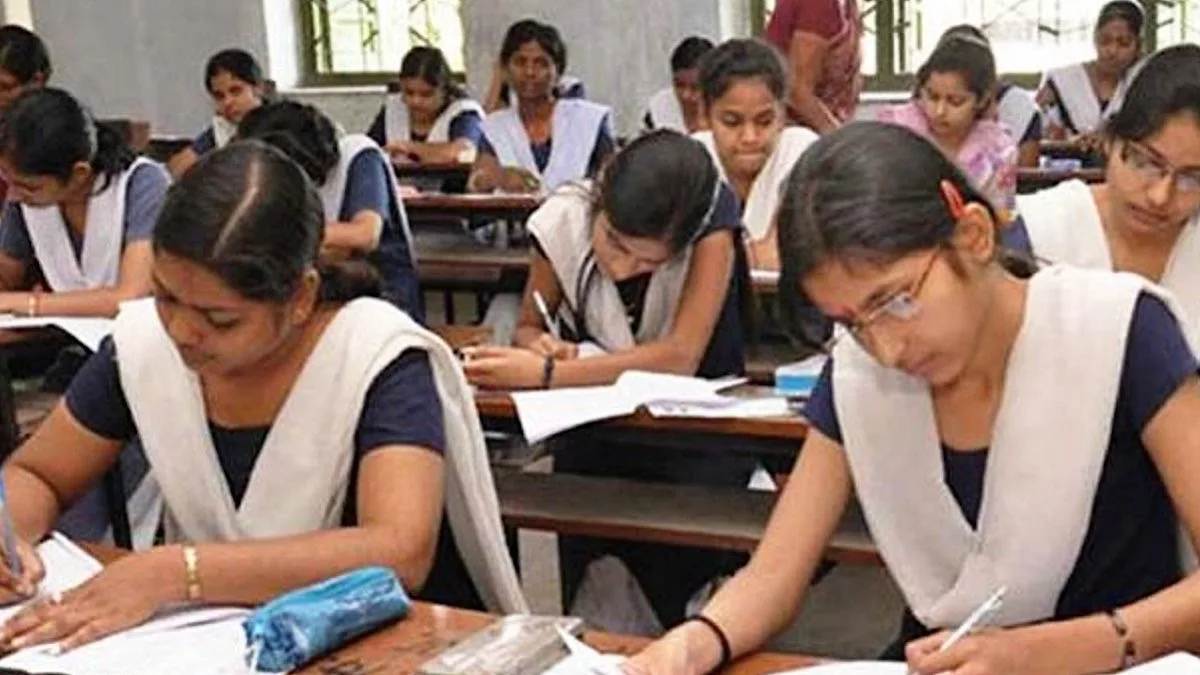
India’s entrance exam regime has grown into a parallel economy, draining families and destroying young lives.
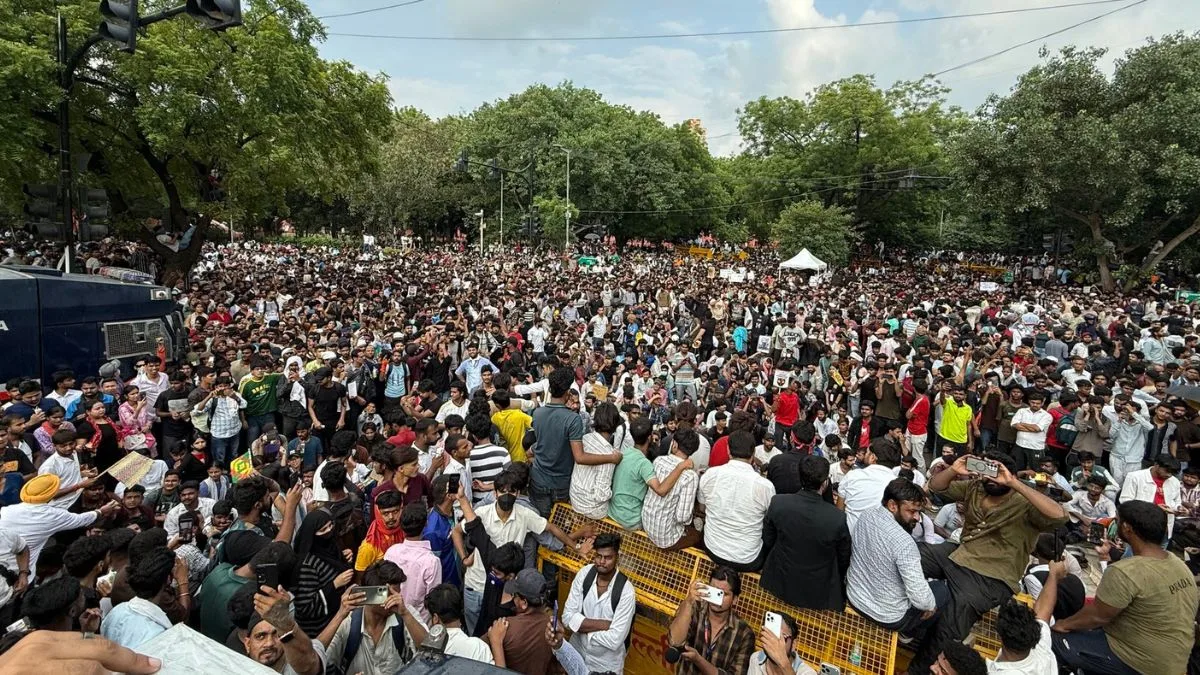
In a healthy democracy, student activism has always been a vital force - a crucible where ideas are sharpened , injustices challenged, and futures forged.

Vikram-1 reaching orbit marks an important transition in India’s space journey.

The latest Republican US budget package is about far more than allocating another $95 billion in federal spending.
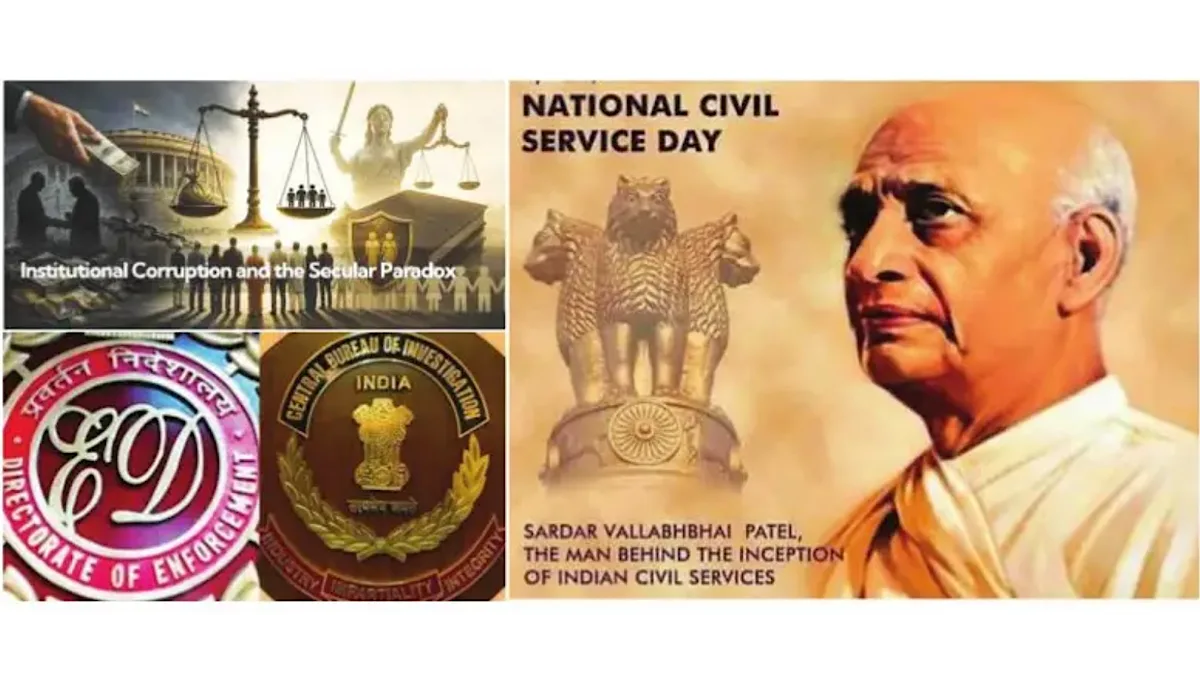
Indian administration has always had a fantastic worldwide reputation. Sardar Vallabhbhai Patel once referred to our civil services as the “steel frame” of the nation.

When I heard the name “Tulsi Gabbard” years ago I assumed that she was an Indian American, married to a Mr. Gabbard because Tulsi is a sacred plant to the Hindus.
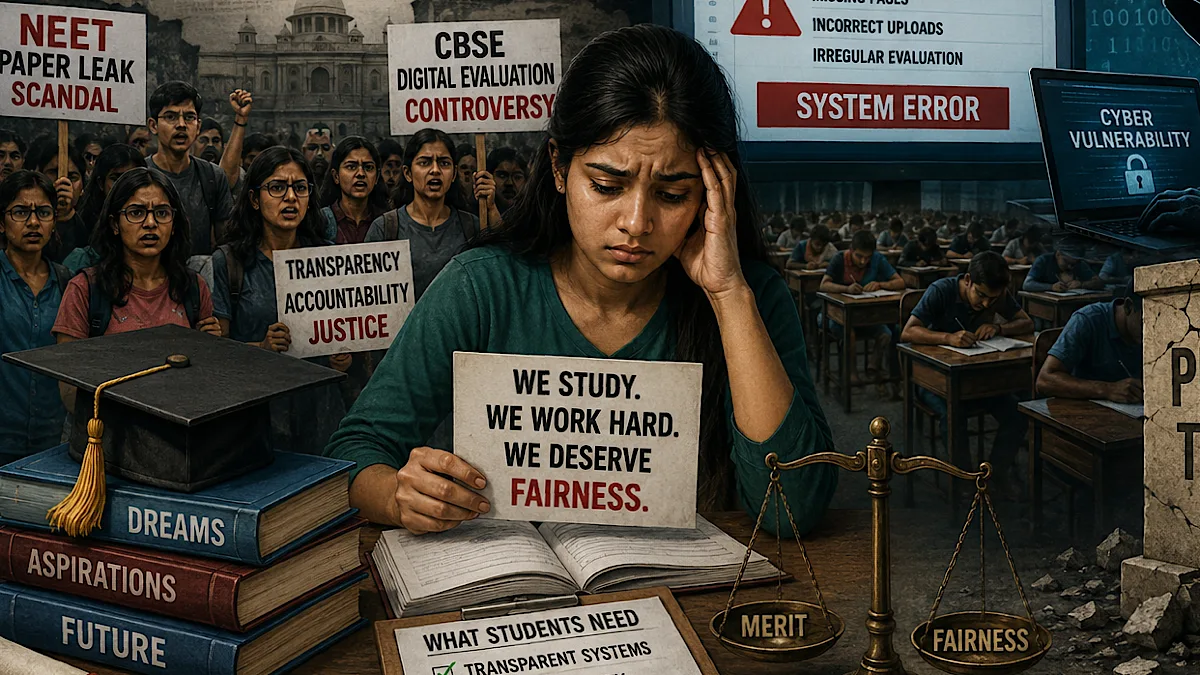
India’s examination system is facing a crisis that goes far beyond marksheets, answer scripts or software glitches.

Washington’s latest attacks on Iranian targets near Bandar Abbas, coupled with Tehran’s retaliatory claims against American bases in the Gulf, demonstrate that both sides are still willing to use force even while publicly discussing a settlement.

Indian culture has a long tradition and heritage, and its waves are still visible. The Indian knowledge system is widely acclaimed across the world.

Recently, the New York State University in the US initiated a programme called ‘NYU in real life’, to promote a student-led culture change of spending less time online and more in living life in person, and creating together a ‘collective effervescence’.