Education without entrance examinations
India’s entrance exam regime has grown into a parallel economy, draining families and destroying young lives.
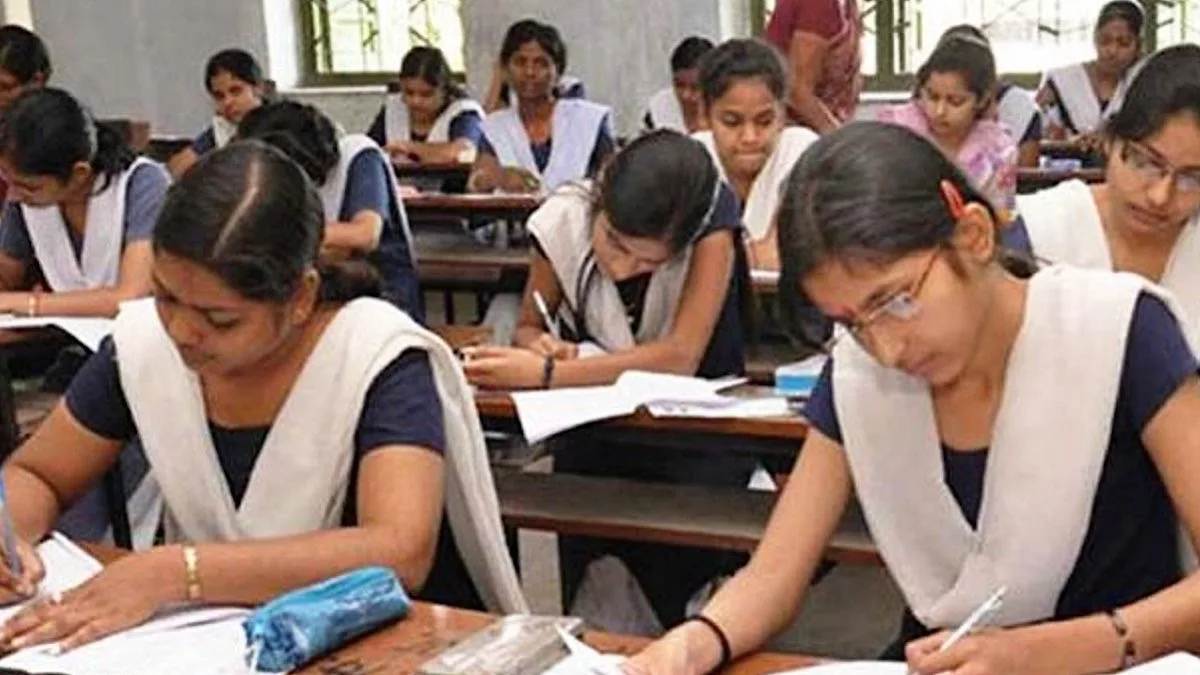
India’s entrance exam regime has grown into a parallel economy, draining families and destroying young lives.
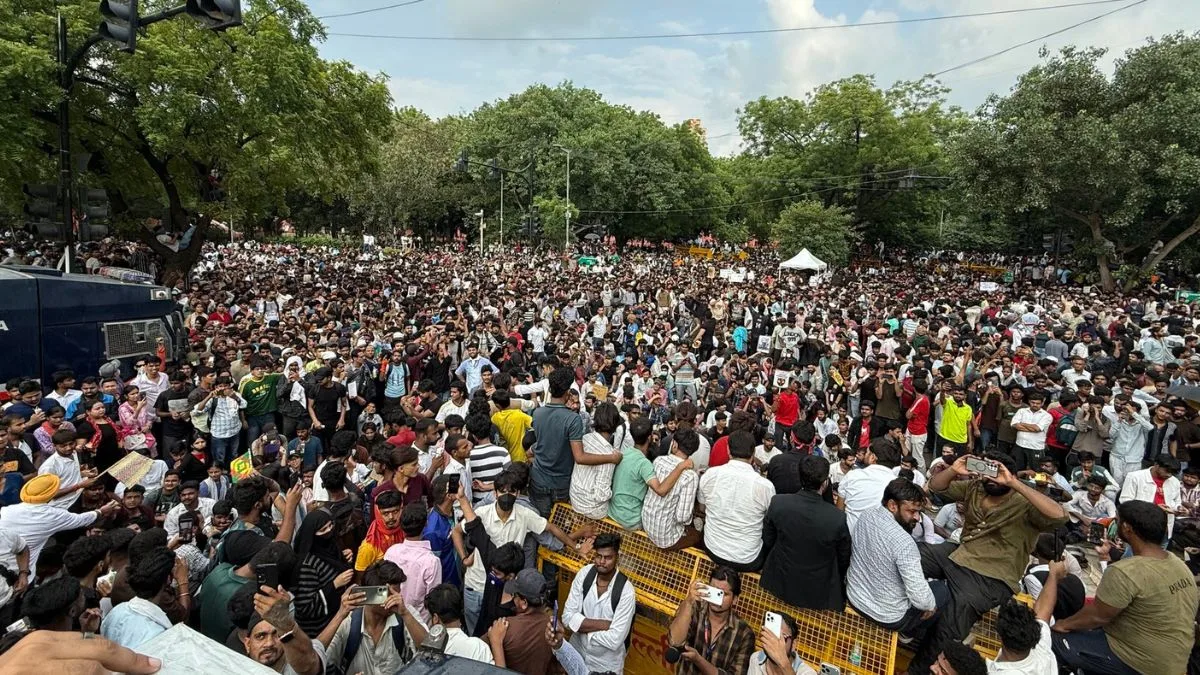
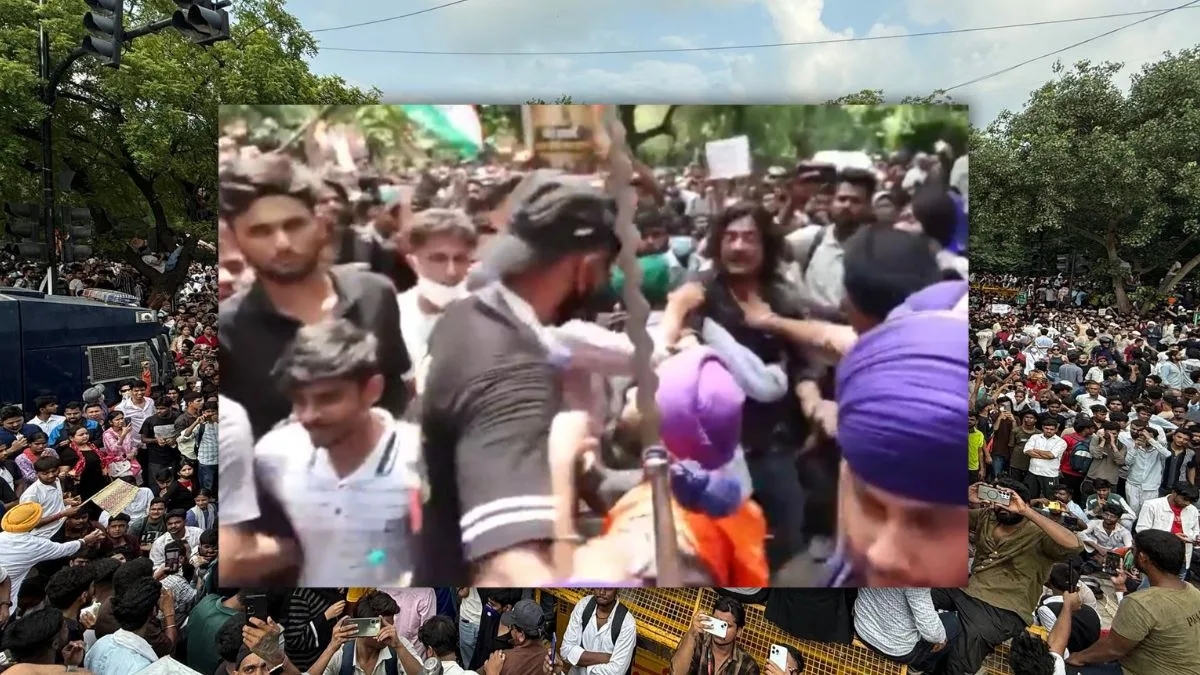
In a healthy democracy, student activism has always been a vital force - a crucible where ideas are sharpened , injustices challenged, and futures forged.
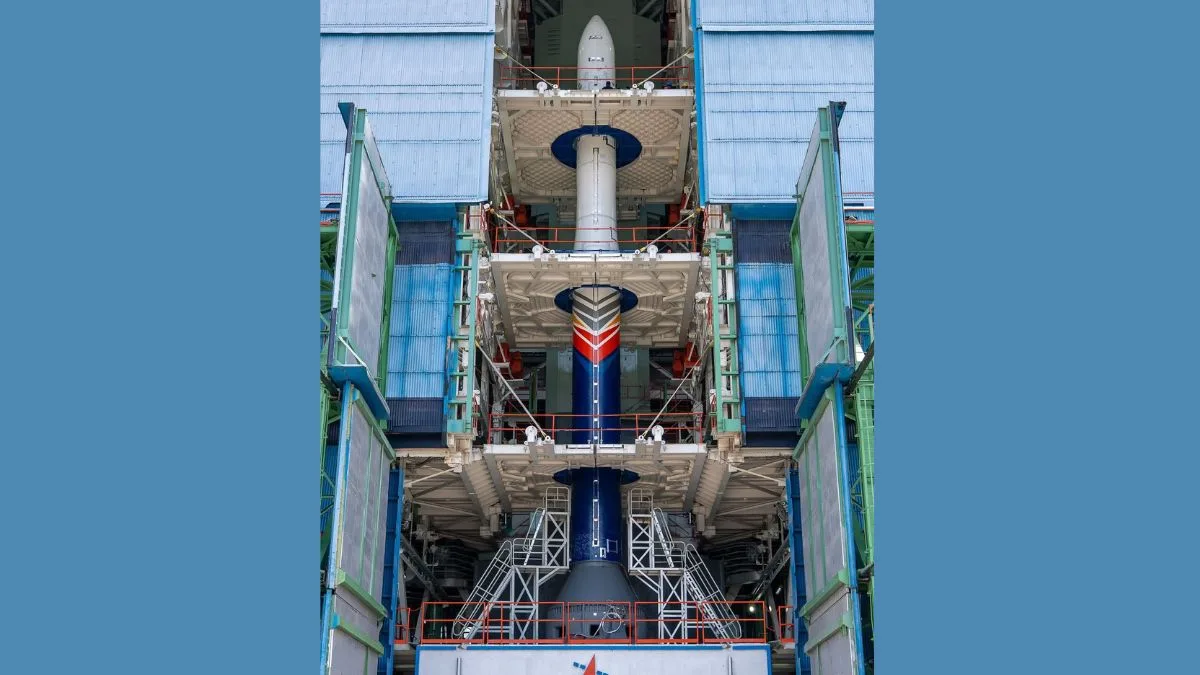
Vikram-1 reaching orbit marks an important transition in India’s space journey.

The latest Republican US budget package is about far more than allocating another $95 billion in federal spending.
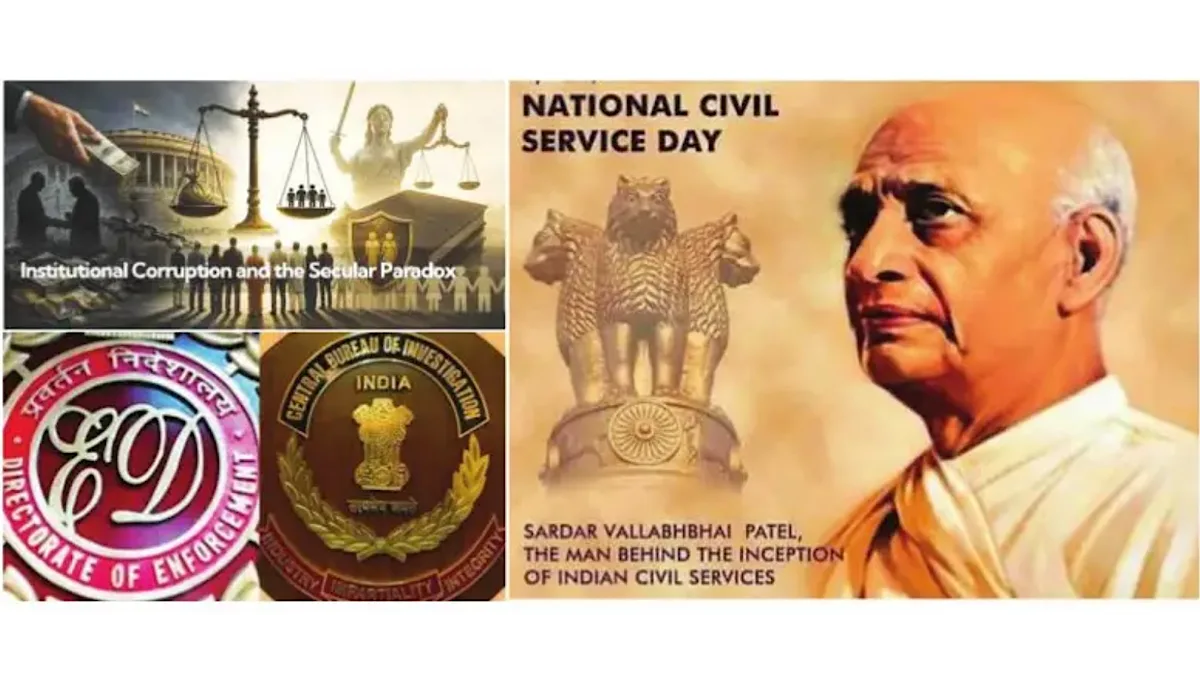
Indian administration has always had a fantastic worldwide reputation. Sardar Vallabhbhai Patel once referred to our civil services as the “steel frame” of the nation.

Tt was 1979. I sat in the corner of a crowde d criminal law classroom at the Dhaula Kuan Law Centre, hoping to remain invisible. Yet, the gaze of Mr. Dhar - a faculty member for whom I hold the deepest respect even today - was unerring.

India’s agricultural crisis is no longer confined to crop failures, debt burdens or volatile market prices.
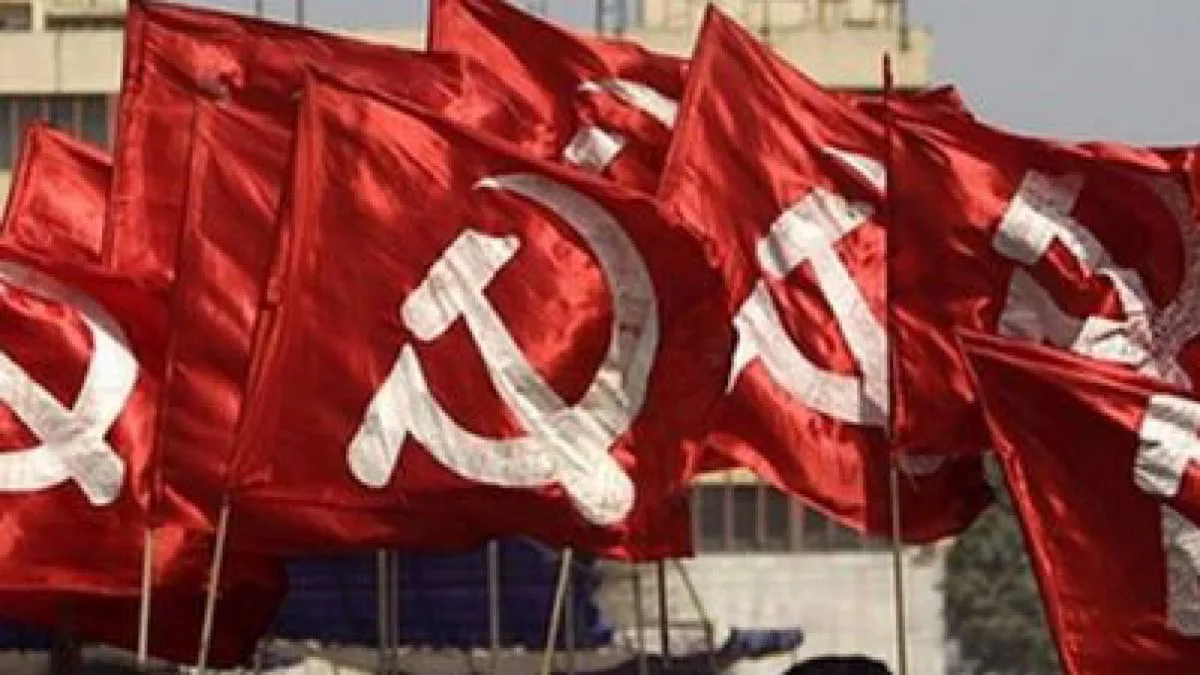
The end of communist rule in Kerala marks more than an electoral setback for the Left.
The Supreme Court of India’s verdict in the Tiger Global (TG) case this January raises aspects of vital importance for taxation of non-residents in India under the tax treaties as well as domestic law.

As negotiations to end the Iran war continued on May 25, Donald Trump made a series of phone calls in which he pressed key leaders from the Middle East to join the Abraham accords.