Education without entrance examinations
India’s entrance exam regime has grown into a parallel economy, draining families and destroying young lives.
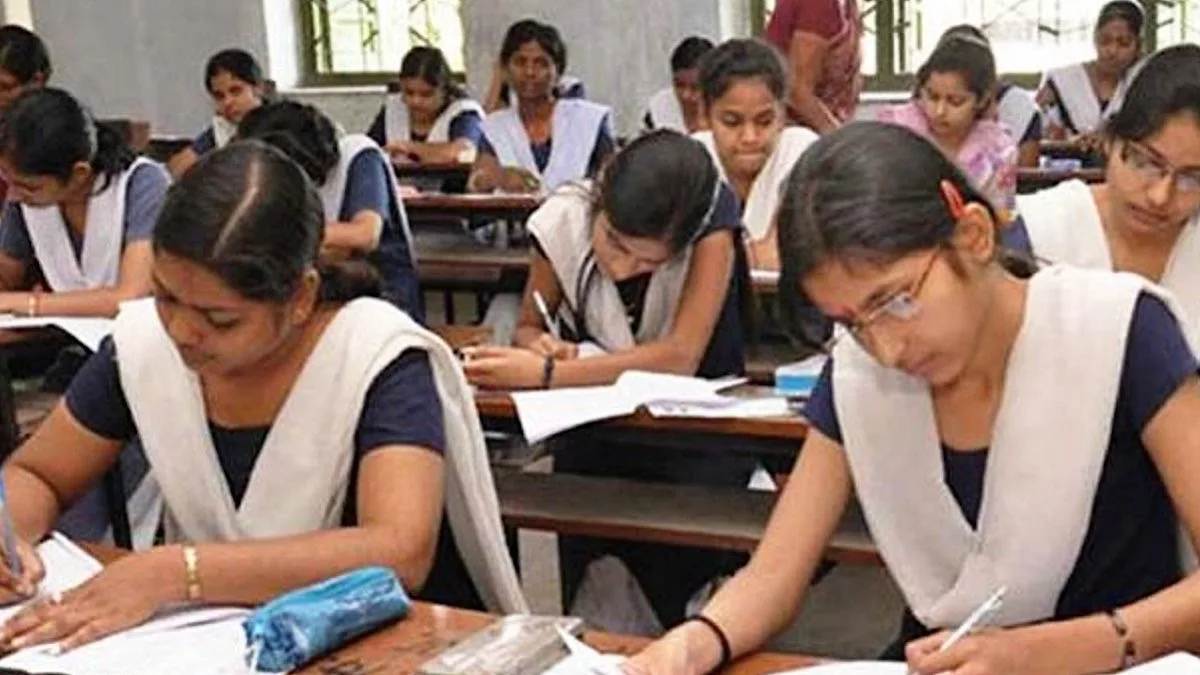
India’s entrance exam regime has grown into a parallel economy, draining families and destroying young lives.
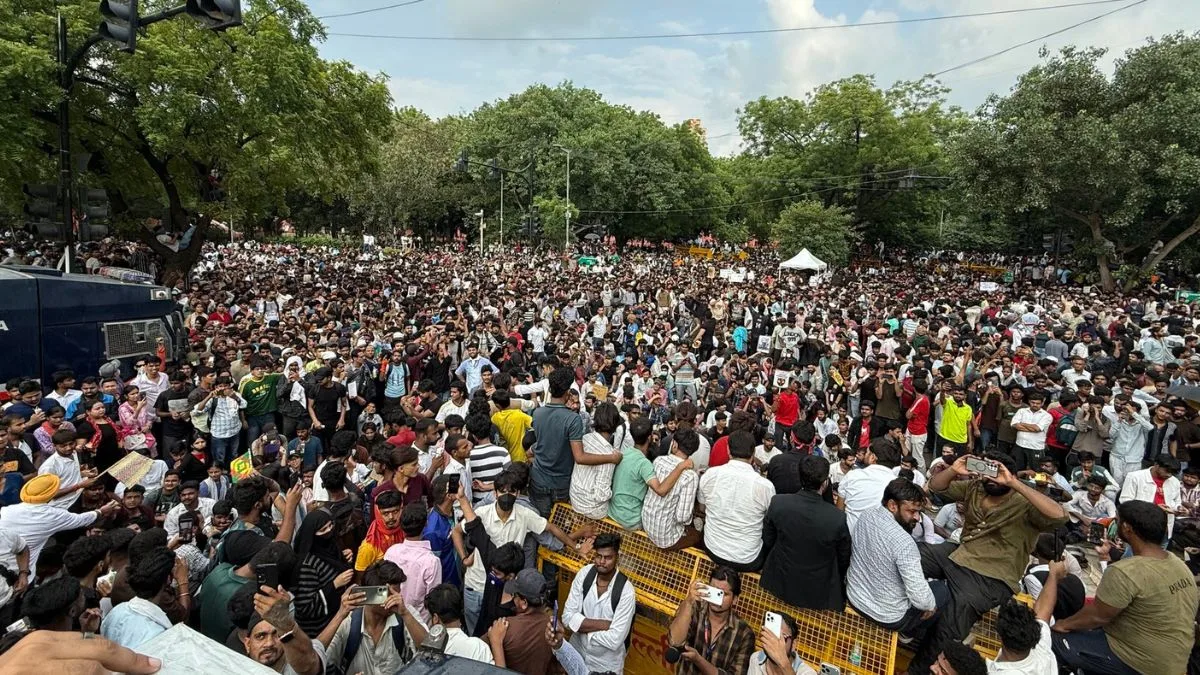
In a healthy democracy, student activism has always been a vital force - a crucible where ideas are sharpened , injustices challenged, and futures forged.
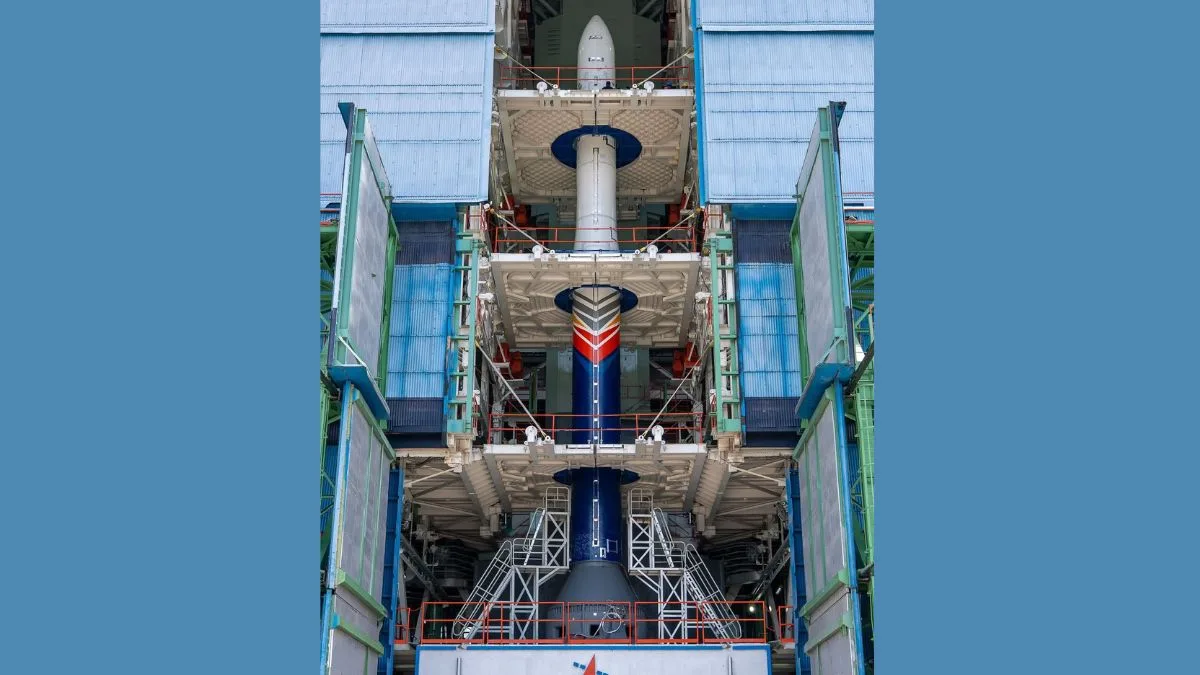
Vikram-1 reaching orbit marks an important transition in India’s space journey.

The latest Republican US budget package is about far more than allocating another $95 billion in federal spending.
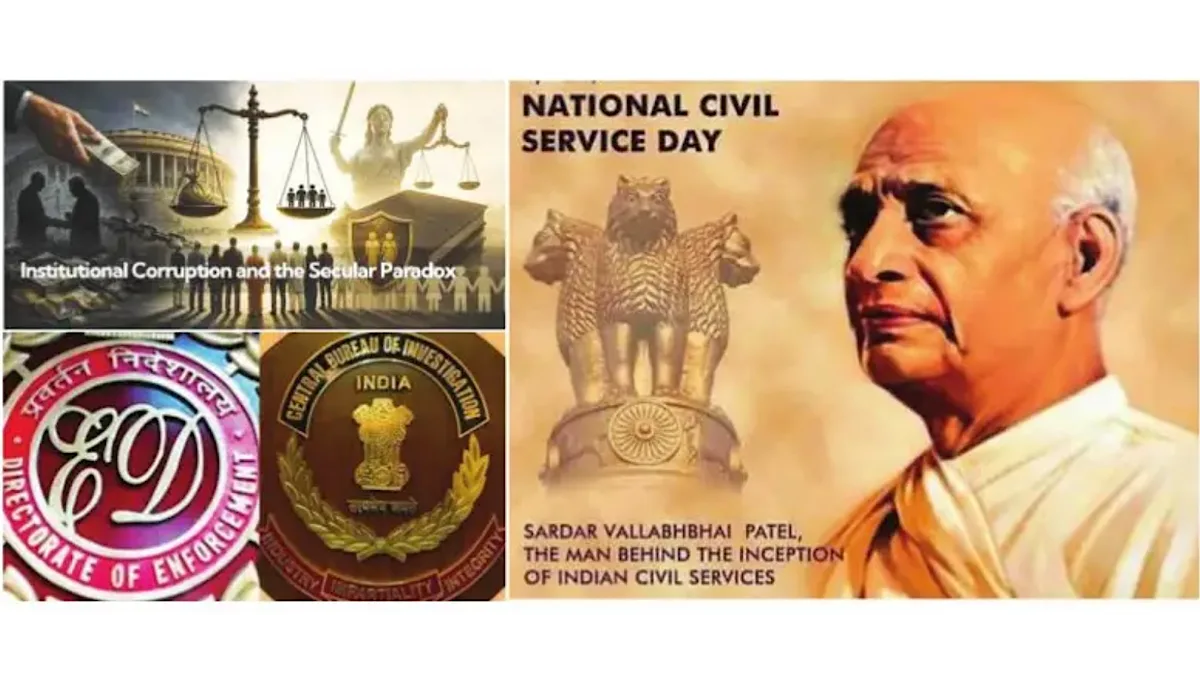
Indian administration has always had a fantastic worldwide reputation. Sardar Vallabhbhai Patel once referred to our civil services as the “steel frame” of the nation.
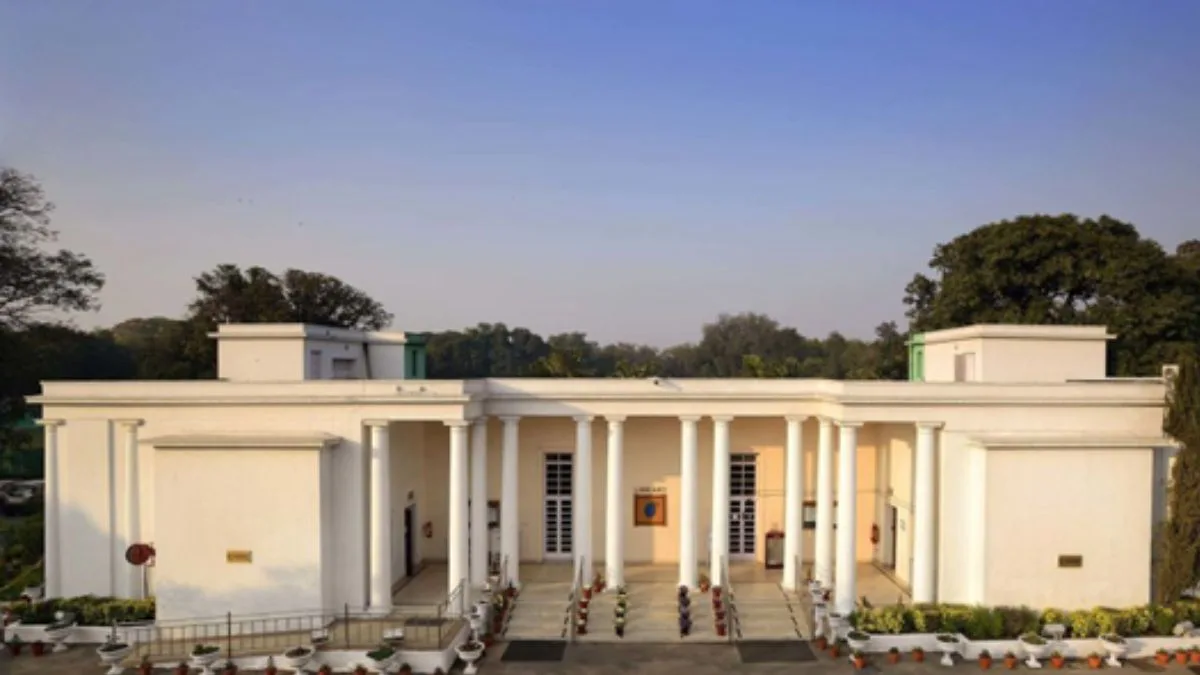
The battle over Delhi Gymkhana Club is not really about a club. It is about what kind of capital city India wants to inhabit ~ one rooted in institutional memory or one constantly remade in the image of political power and security priorities.
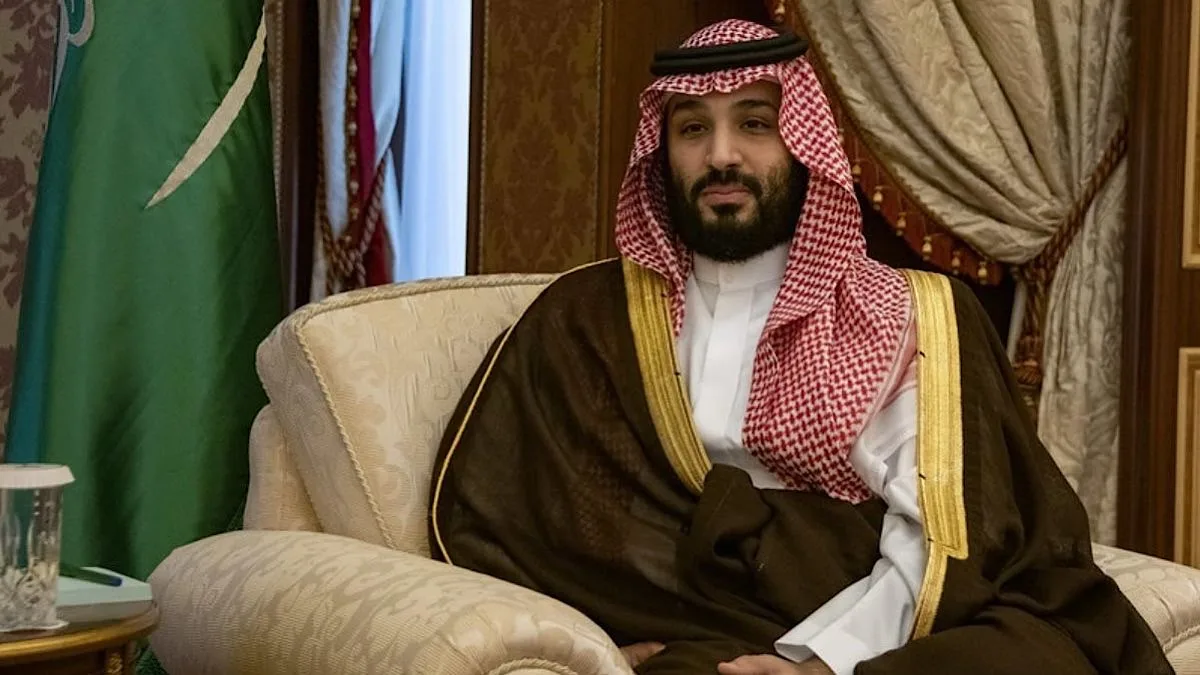
For years, Saudi Arabia sold the world a vision that seemed to belong more to speculative fiction than economic planning.

India possesses more than 200 billion tonnes of proven coal reserves and nearly 400 billion tonnes of total geological coal resources, making it one of the most coal-endowed nations in the world.
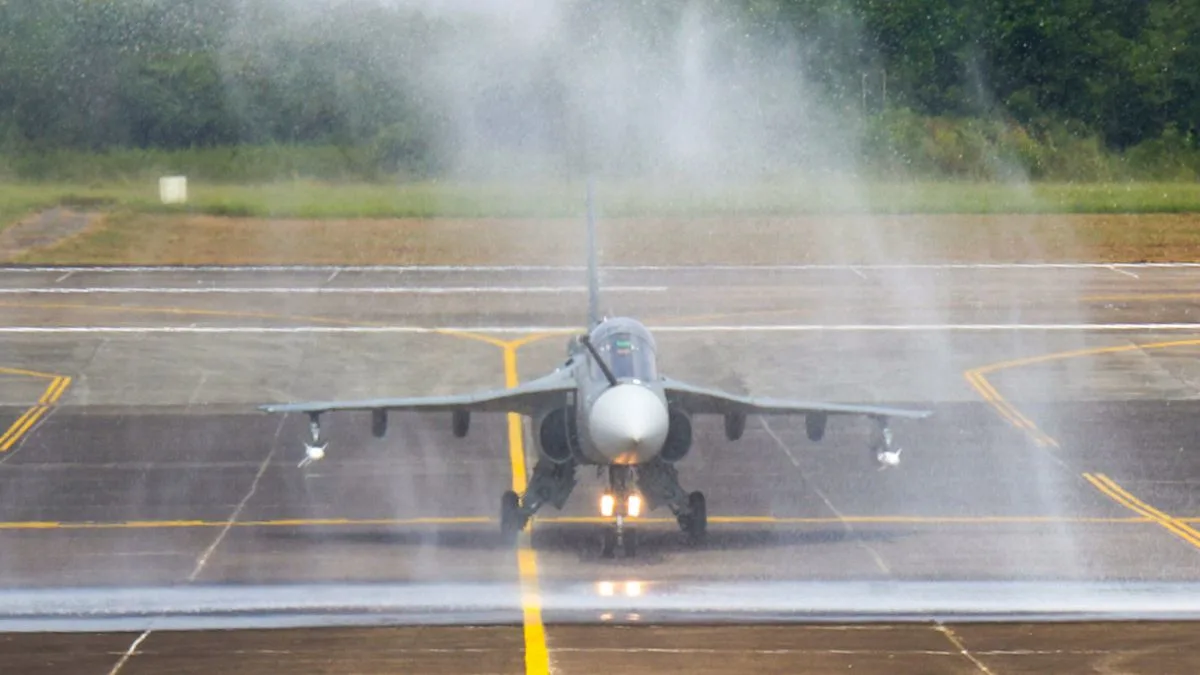
The armed forces would want the self-reliance push to lead to faster invocation cycles and higher scales of production.

Approval of Ayushman Bharat in the very first cabinet meeting of the newly formed government in West Bengal is not merely a fulfilment of an electoral promise, but much more.