Let’s tread slowly with biofuel ambitions
India's fuel policy is increasingly being shaped by blending targets. First came ethanol blending mandates.
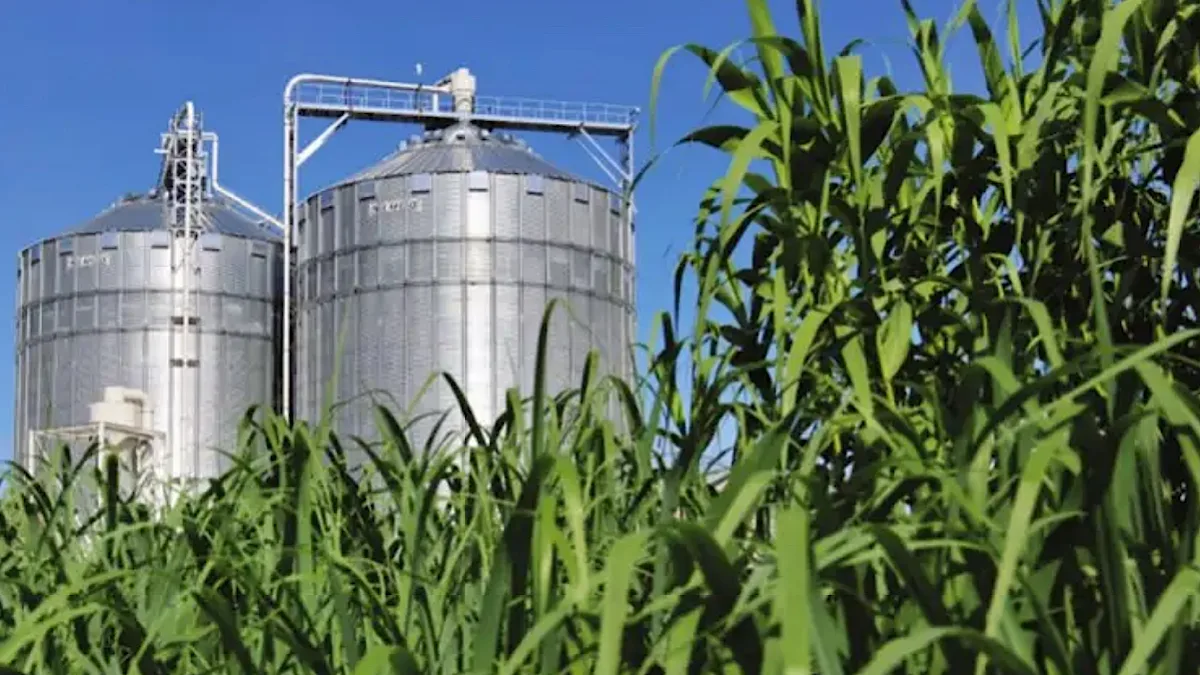
India's fuel policy is increasingly being shaped by blending targets. First came ethanol blending mandates.
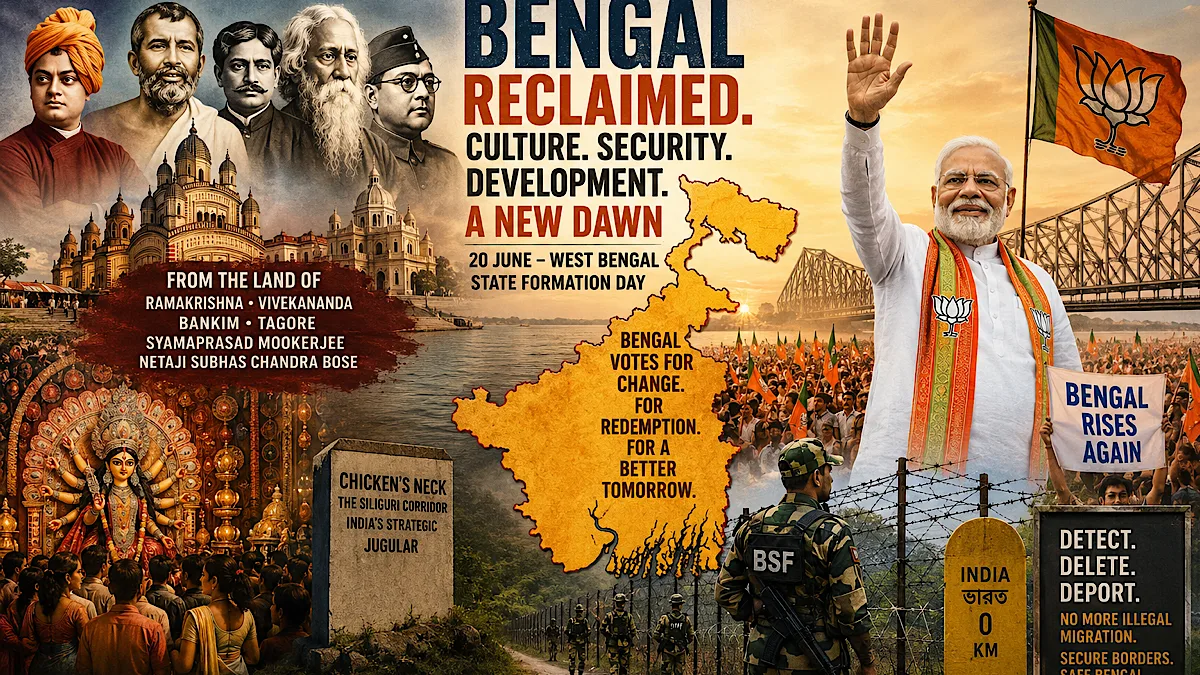
West Bengal is not merely a state. It is, in the telling of those who sought to win it back from the Trinamool Congress, a civilisational citadel - the cradle of the Bengal Renaissance, the land of Ramakrishna and Vivekananda, Bankimchandra and Tagore , Shyamaprasad Mookerjee and Netaji Subhas Chandra Bose.

India's temporary restriction on Telegram ahead of the NEET-UG re-examination has dominated headlines.

There is something profoundly ironic about a civilisation becoming embarrassed by one of its oldest mirrors.
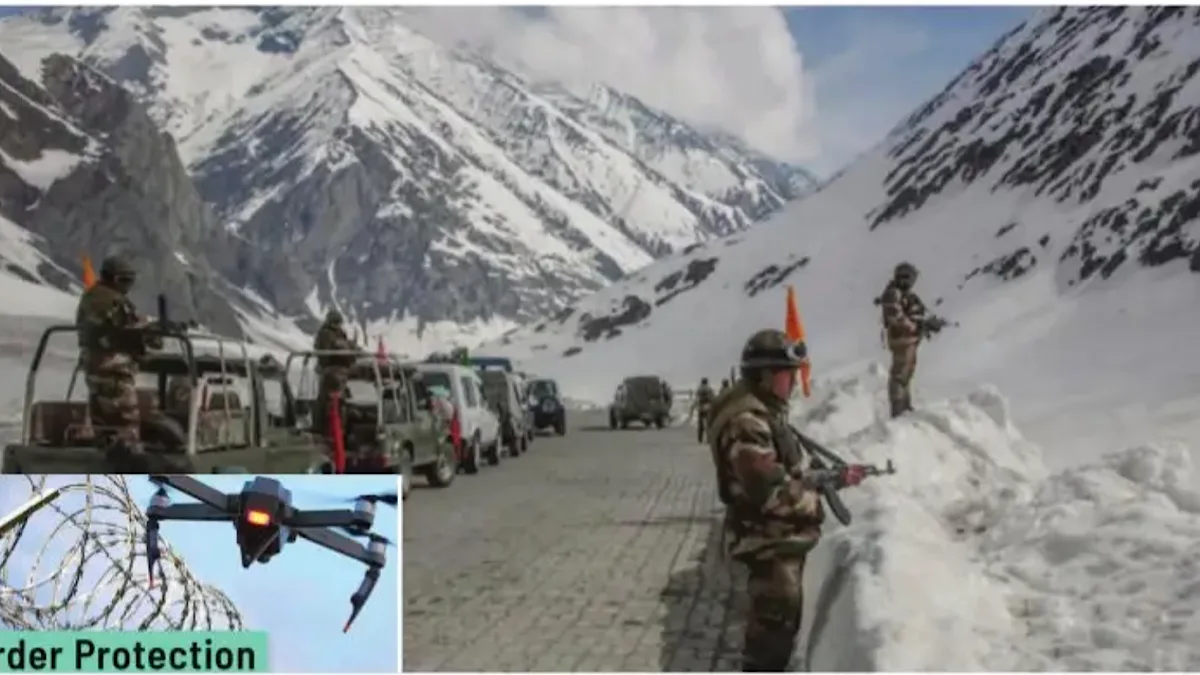
Special emphasis has been laid on the development of infrastructure in the difficult terrains in Arunachal Pradesh, Ladakh, and parts of Uttarakhand bordering China.

From the vast meticulously maintained archives of the City Palace, Udaipur, are presented glimpses from the life and times of Shriji Arvind Singh Mewar, 76th Custodian of the House of Mewar.

A famous Horace quote reads: “Nothing is an unmixed blessing”. This underlines the dual nature of human innovations ~ how they can solve our problems but also create new ones which lead to disasters. Yogi Berra aptly said: “The future isn’t what it used to be.”

By any measure, India’s roads are among the most dangerous in the world. Each day, nearly 500 lives are lost to road accidents.

As India and the United States inch closer to a long anticipated trade deal, recent developments offer a rare window of opportunity that the two nations would do well to seize.

The modern battlefield is characterised by devastation and destruction. Artillery, missiles and rockets are preferred weapons to inflict maximum casualties on the adversary. Artillery remains the king of the battlefield.