Striving for the Gandhian ideal
Generally, it is taken for granted that the journey on the path of development is accompanied by increasing urbanization.

Generally, it is taken for granted that the journey on the path of development is accompanied by increasing urbanization.

A doctor and nursing staff at a Maharashtra hospital were allegedly assaulted by a local corporator, exposing a disturbing irony.

The barricading of the Shambhu border in Haryana to prevent farmers from travelling to Delhi raises a question larger than the protest itself.

The renewed war between the United States and Iran has again placed American and Israeli military interests on apparently common ground.
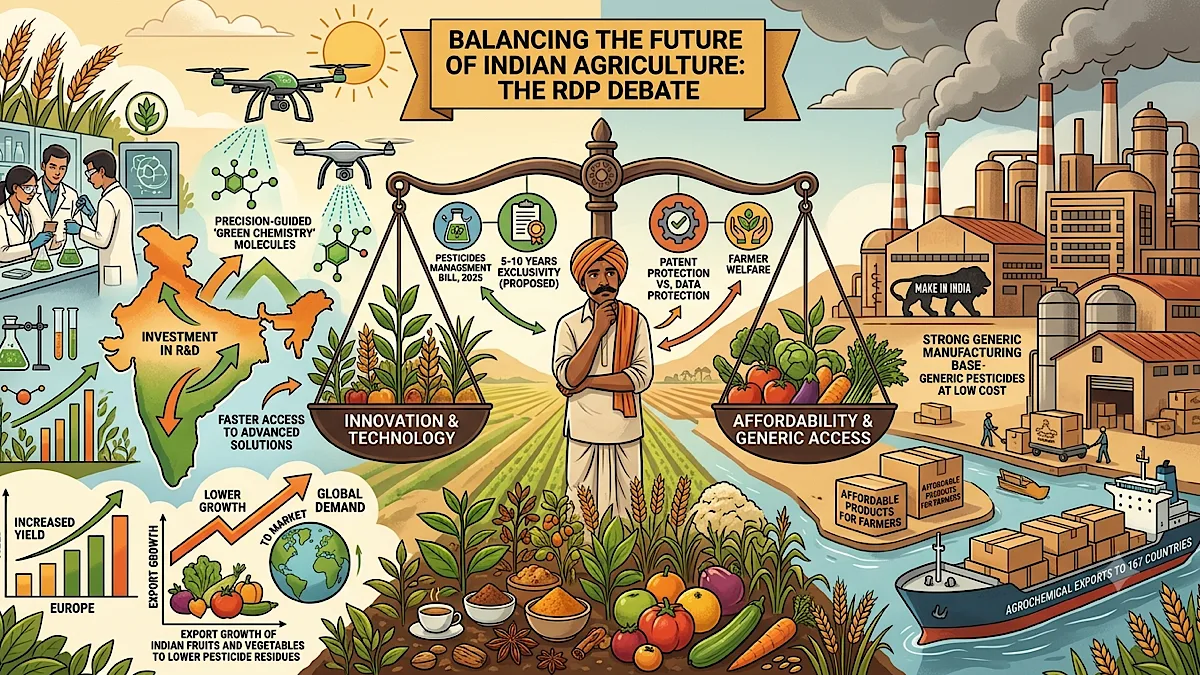
India’s agrochemical industry, a major global hub for crop protection product manufacturing, is at the heart of a significant policy discussion that could shape the future of agricultural innovation, domestic production, exports, and farmer welfare.
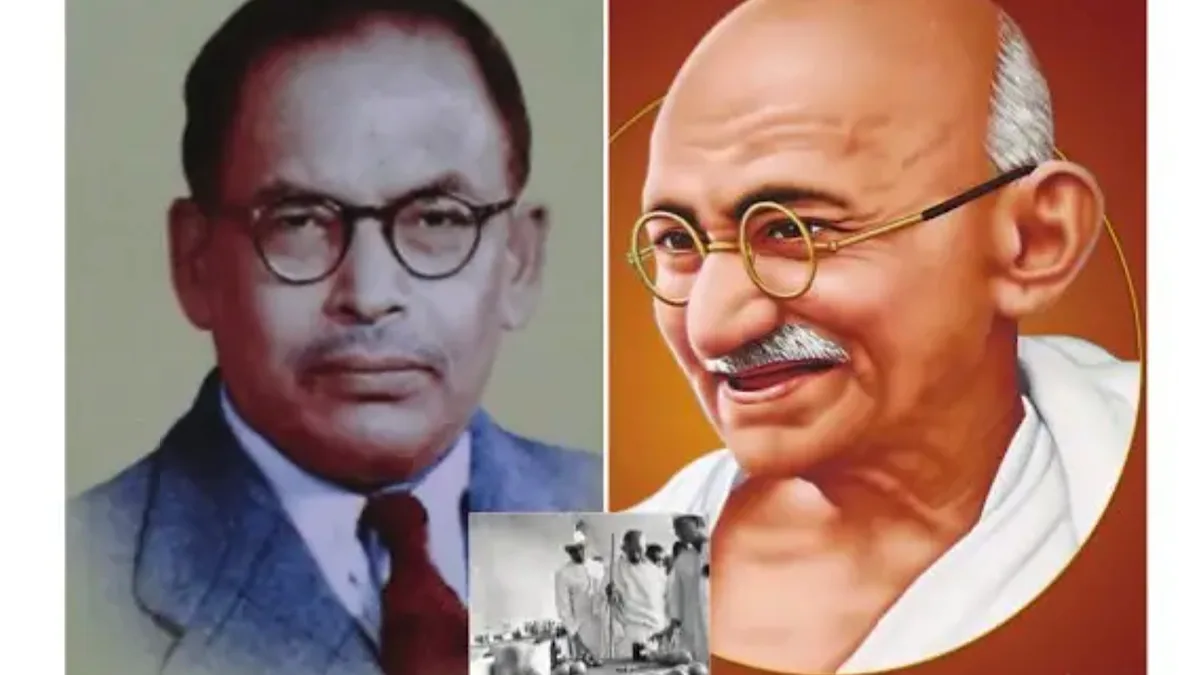
In academia, critics have expressed different opinions about Gandhi’s views on science. One of the reasons may be that Gandhi himself had contemplated the concept of machinery, the machine age and modern civilization differently at different times.

The turning point came in 2011, not in the forests of Bastar, but in the imposing courtroom of the Supreme Court in Delhi, where Salwa Judum did not appear as a community movement of desperate citizens but as a legal question stripped of context, history, and lived experience.

India’s fertiliser system is often discussed as an issue of subsidy, efficiency, or environmental overuse.

While the nation’s concentration remains on the ongoing Iran conflict, mainly due to fears of shortages and possible increase in prices of fuel and gas, there has been change brewing within.

When the mercurial Donald Trump announces a deadline, the instinct is to read it as a countdown to action.