Preserving heritage beyond forts and palaces
It is commonplace to look at heritage in terms of beautiful buildings, palaces, forts and monuments, artifacts or colourful dances and cultural celebrations.
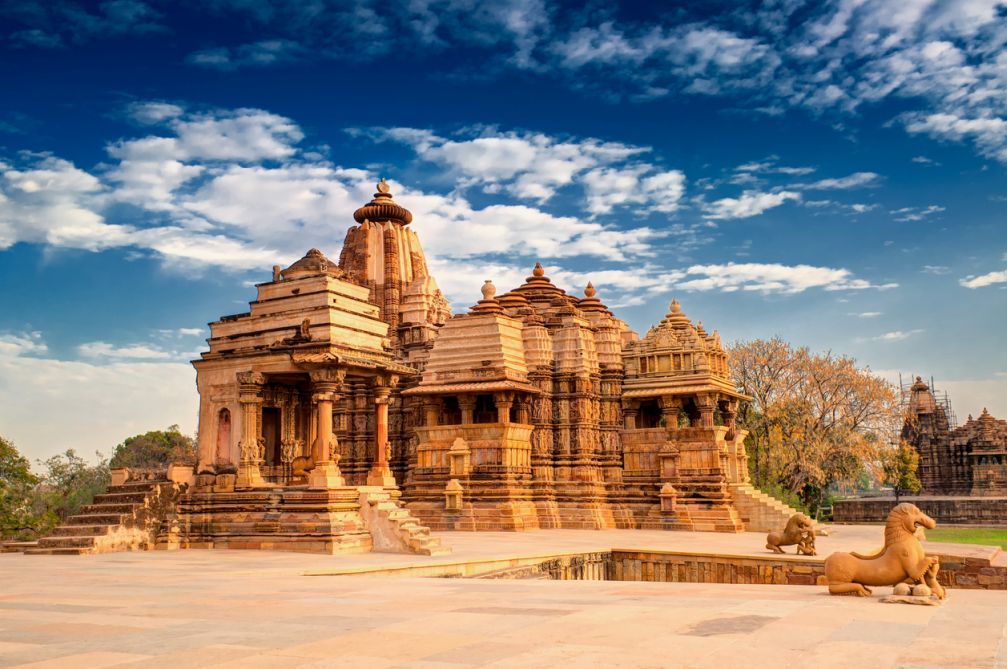
It is commonplace to look at heritage in terms of beautiful buildings, palaces, forts and monuments, artifacts or colourful dances and cultural celebrations.
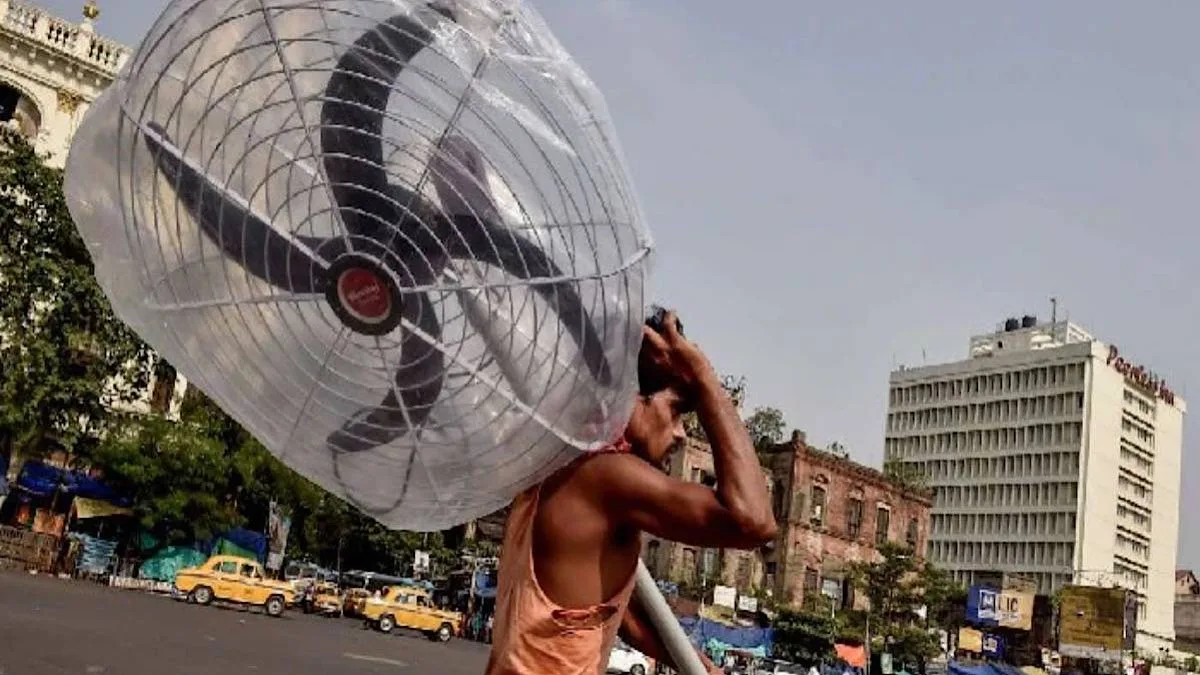
For generations, countries of northern and western Europe were seen as places where summer meant pleasant sunshine rather than a struggle for survival.
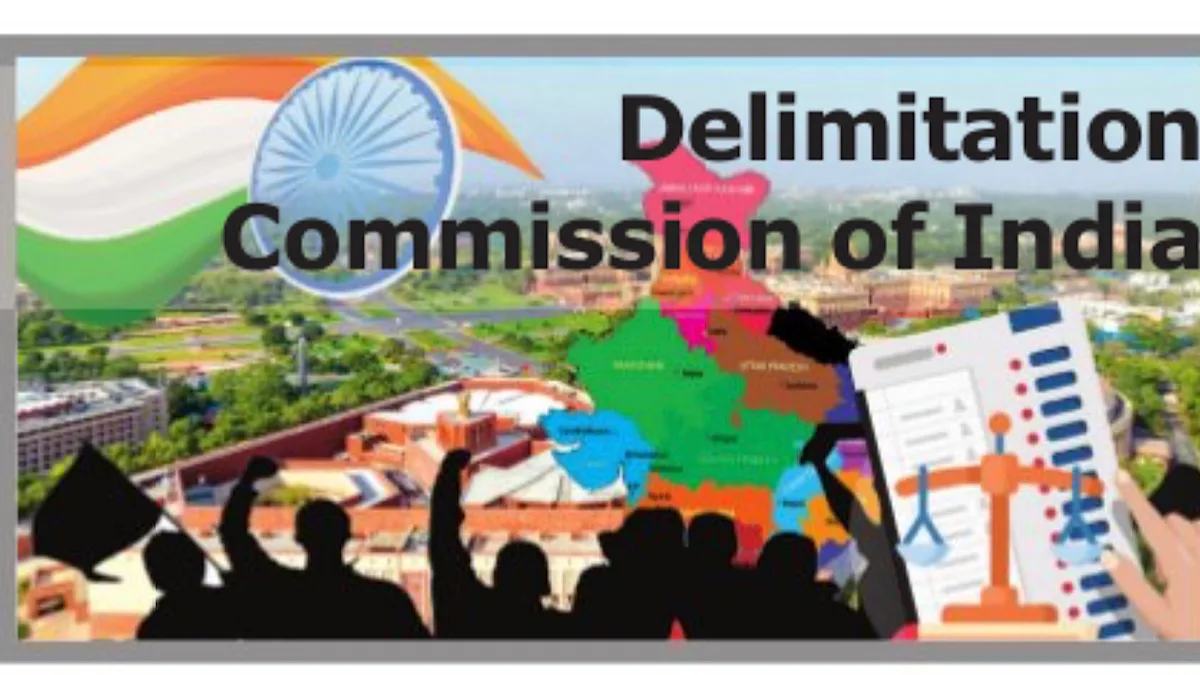
When India’s Delimitation Commission next convenes, it will inherit a task that no commission has faced in fifty years: the freedom to actually change how many parliamentary seats each state sends to the Lok Sabha.
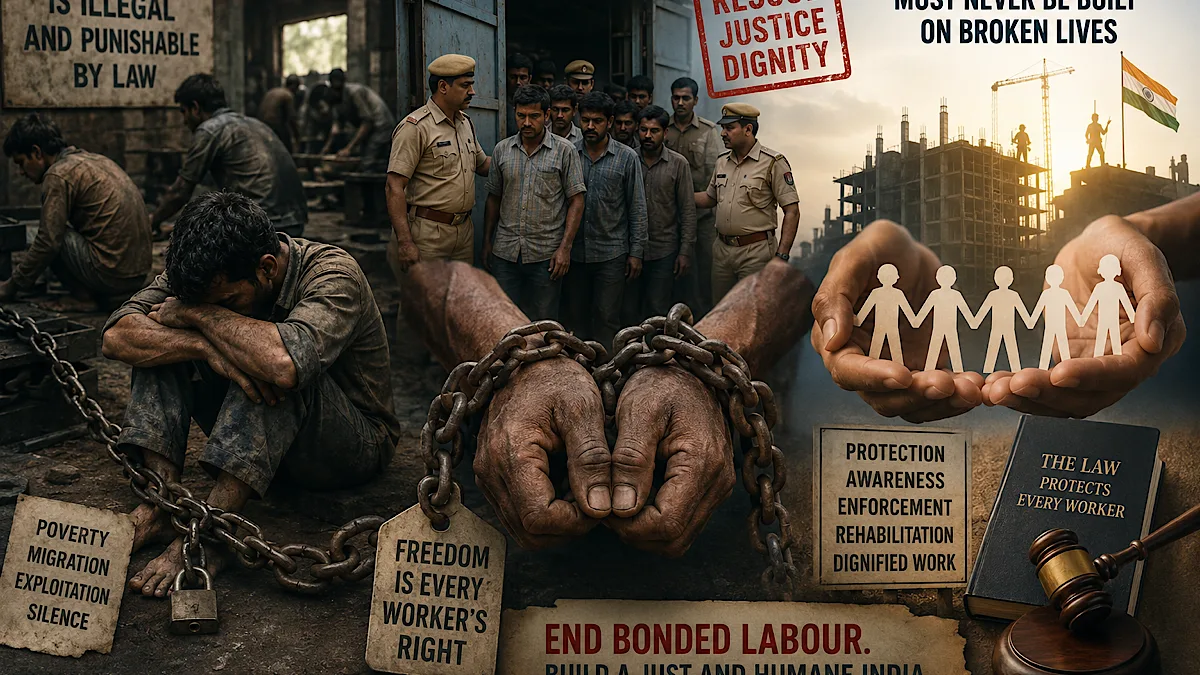
The rescue of a dozen workers from an industrial unit in western Uttar Pradesh is more than another criminal investigation.
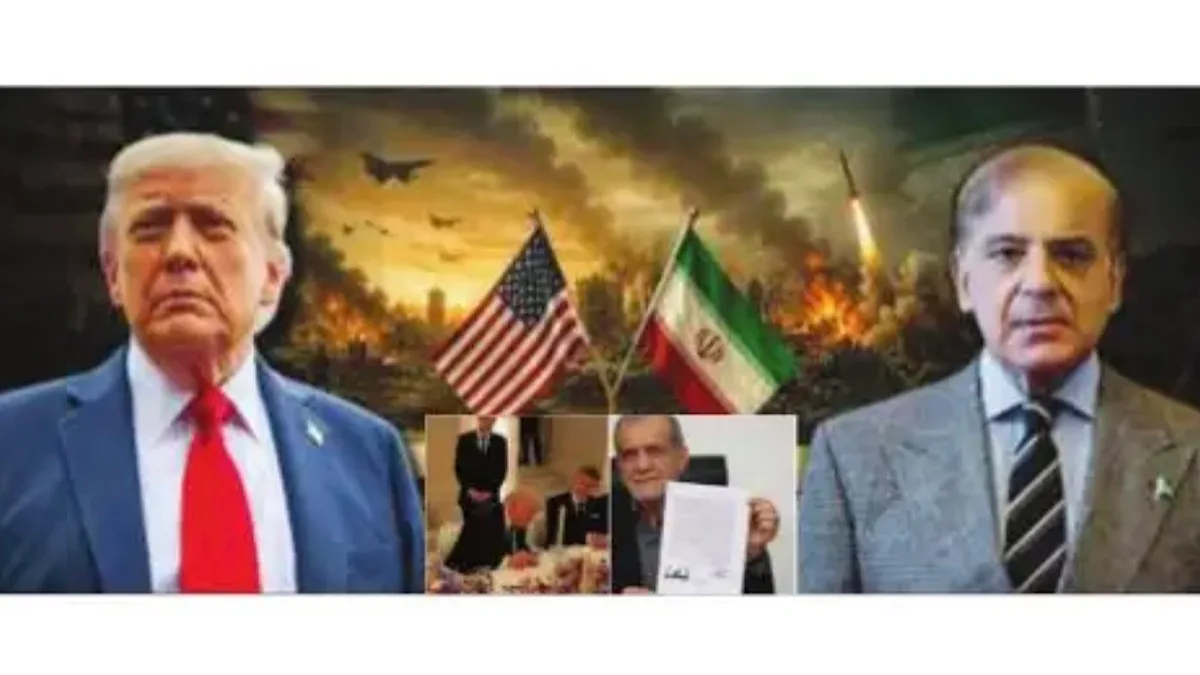
The United States and Iran have entered a fragile tactical truce after signing the landmark Memorandum of Understanding (MoU) on 17 June 2026, halting months of devastating direct warfare.

Soft power in today's day and age of complex geopolitics has departed from the conventional nomenclature given to it.

When Prime Minister Narendra Modi launched the Digital India Mission on 1 July 2015, many saw it as an ambitious technology programme aimed at expanding internet access and digitising government services.

For decades, India’s social contract rested on an assumption that required little intervention from the state: families would care for their elderly.

Every democracy owes two debts to its soldiers. The first is to equip them well enough to fight.

India is building its energy future on several pillars at once: bio-ethanol, coal gasification, renewables, and nuclear power.