Geopolitics in the age of scrolling
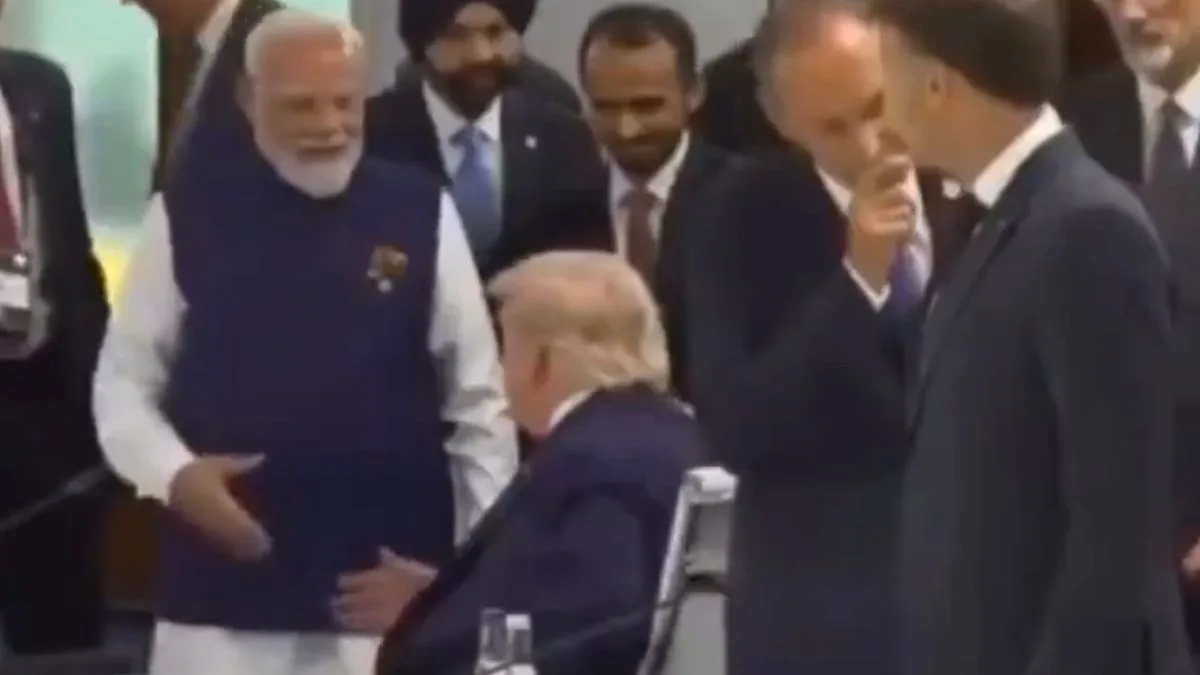
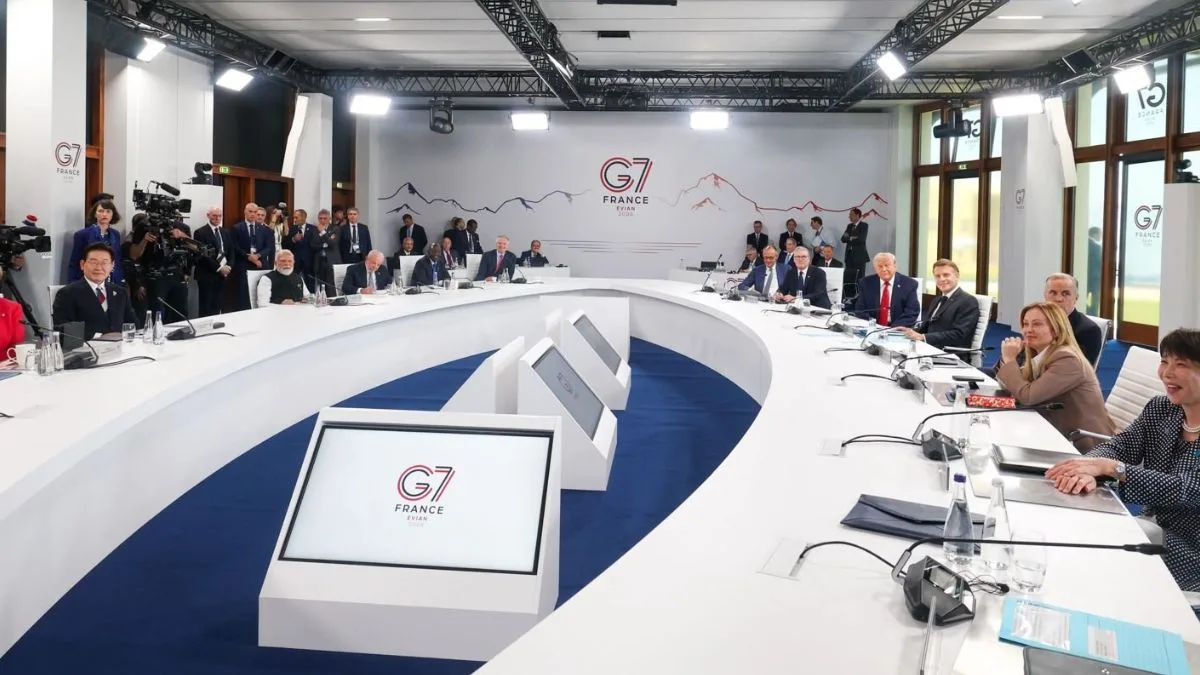
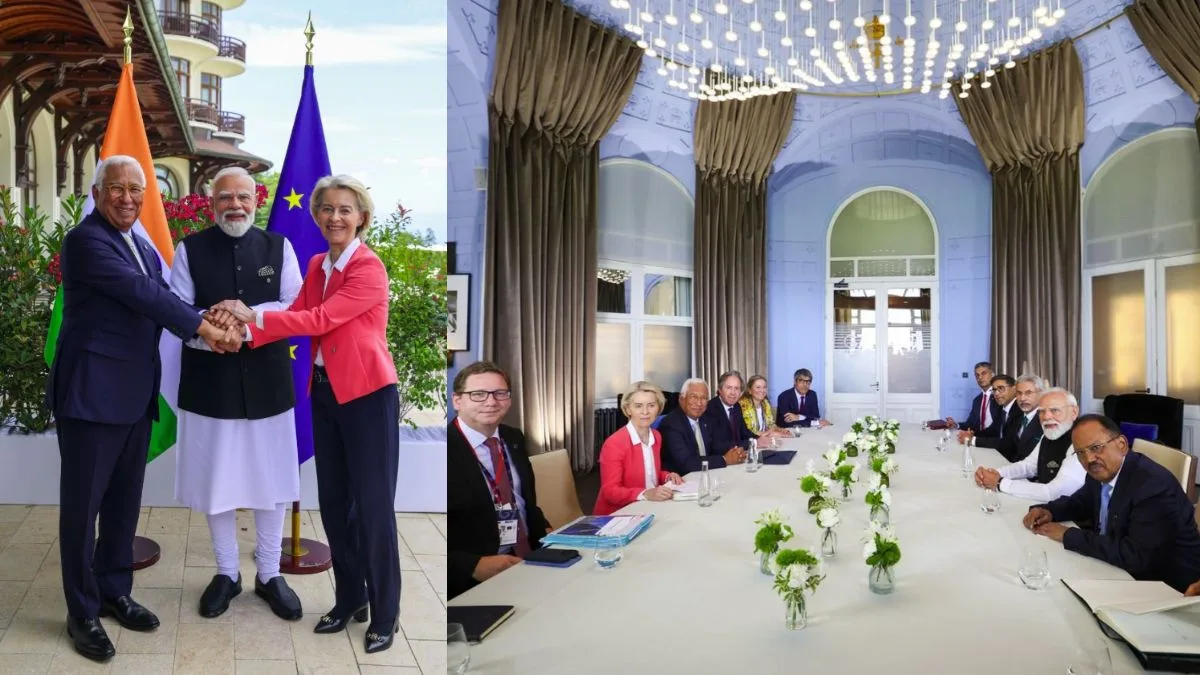
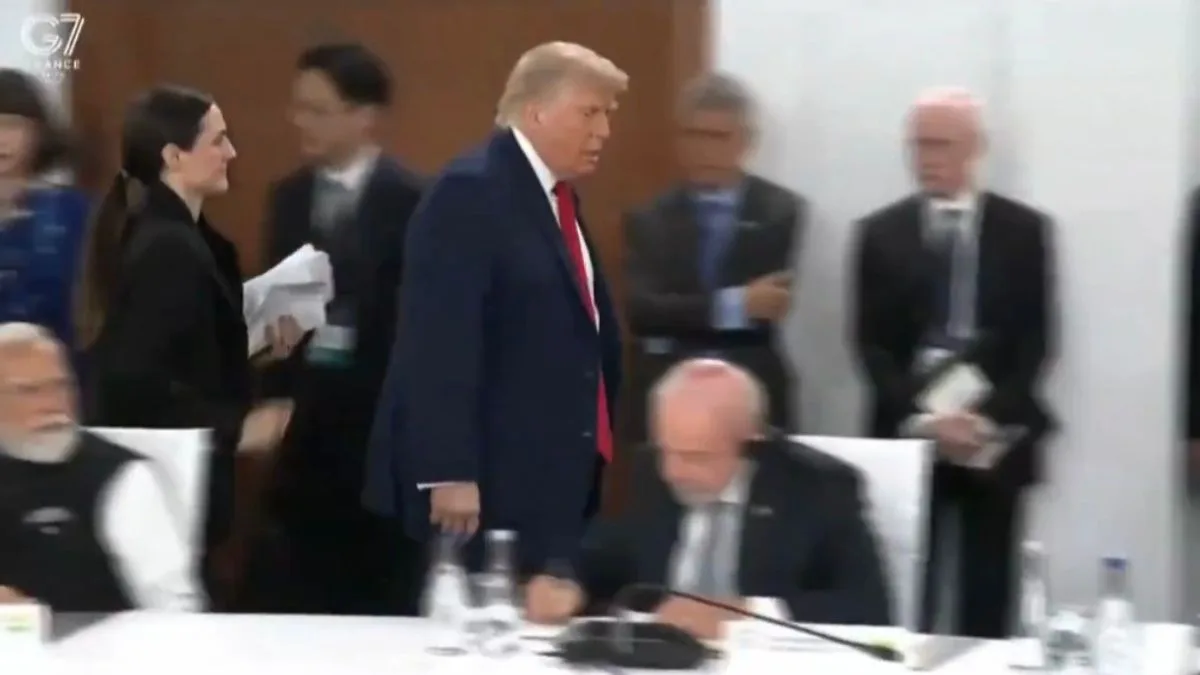
There was a time when geopolitics moved through formal rooms. A state issued a statement. A spokesperson read from a prepared text.
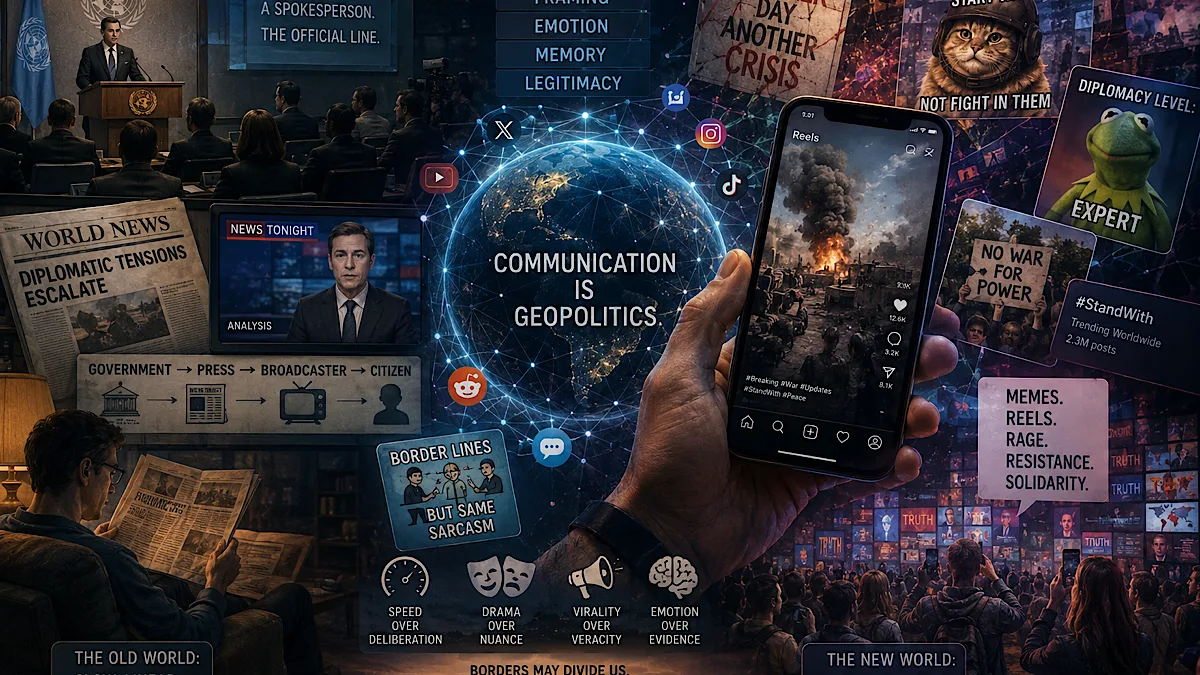
There was a time when geopolitics moved through formal rooms. A state issued a statement. A spokesperson read from a prepared text.

There Are moments in history when a nation’s progress stops being incremental and becomes directional.

The announcement of a framework agreement between the United States and Iran has understandably been greeted with relief.

Modern society has an unhealthy relationship with medical progress. We crave miracles, celebrate breakthroughs and search for definitive cures.
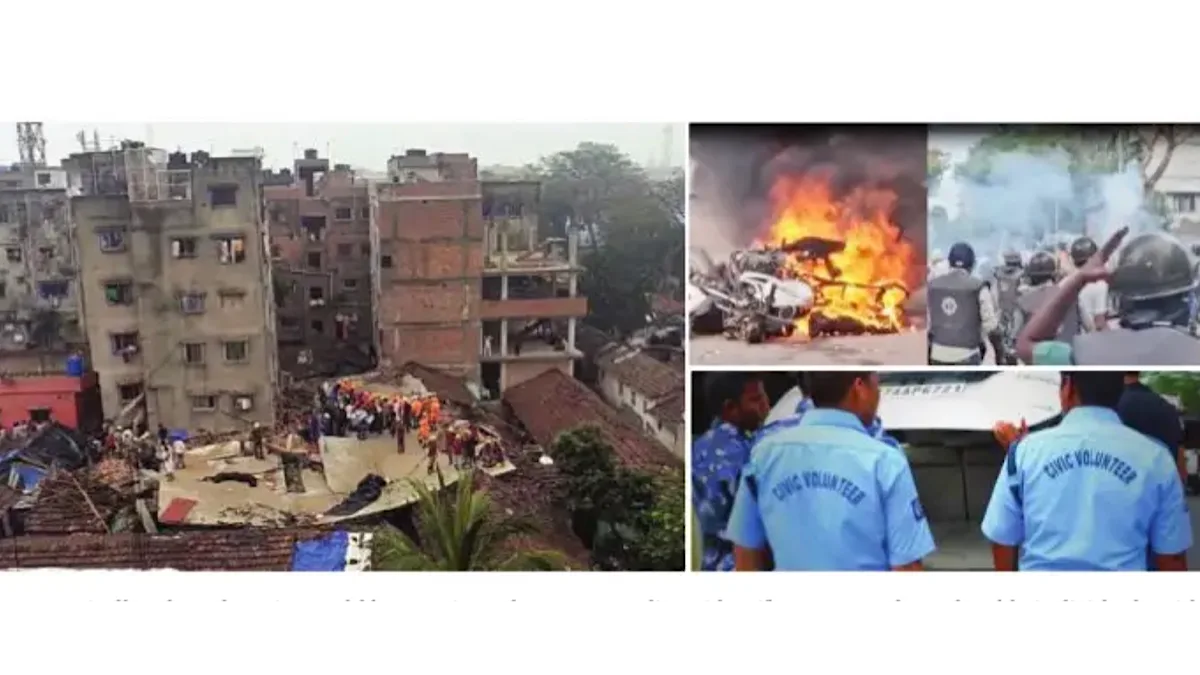
Light follows darkness. After the 15-year long TMC era ~ most certainly a dark period in the socio-economic and political history of Bengal, people are now hoping for rejuvenation of a state that has fallen beyond the depth of anarchy and despair.
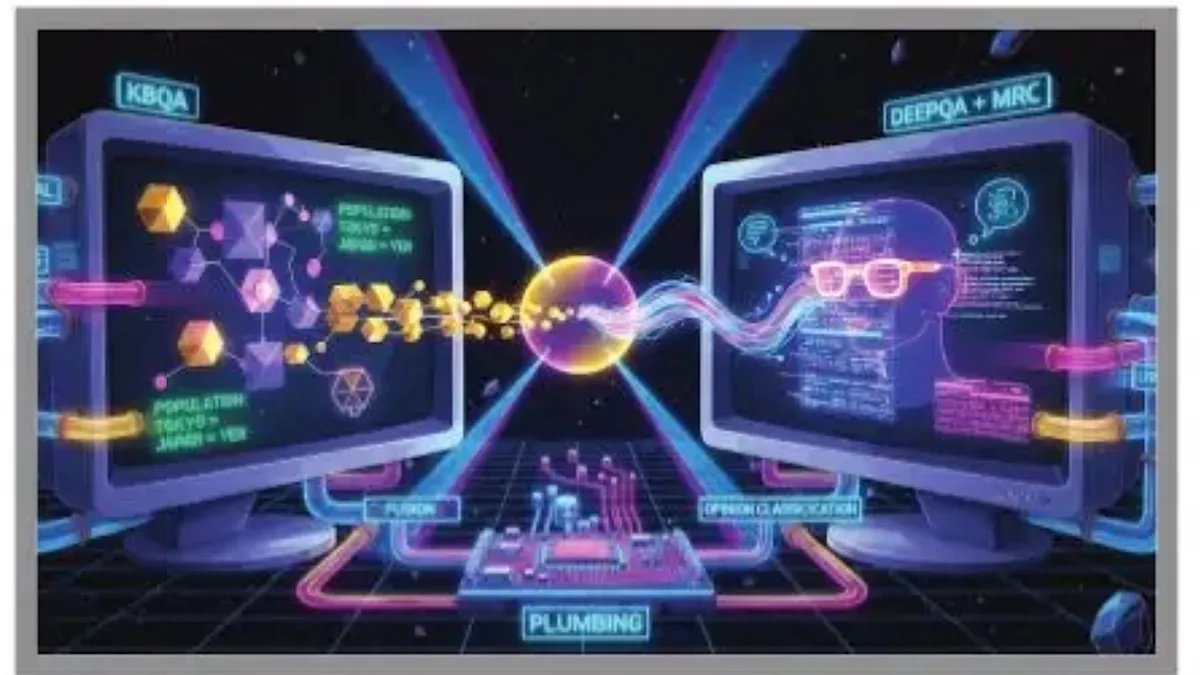
The modern internet was built on a simple bargain. Websites created content. Search engines sent users to those websites.

One year after one of the worst aviation disasters in Indian history, the most unsettling reality is not that the final answer remains elusive. It is that, in the absence of definitive findings, competing certainties have rushed in to fill the void.
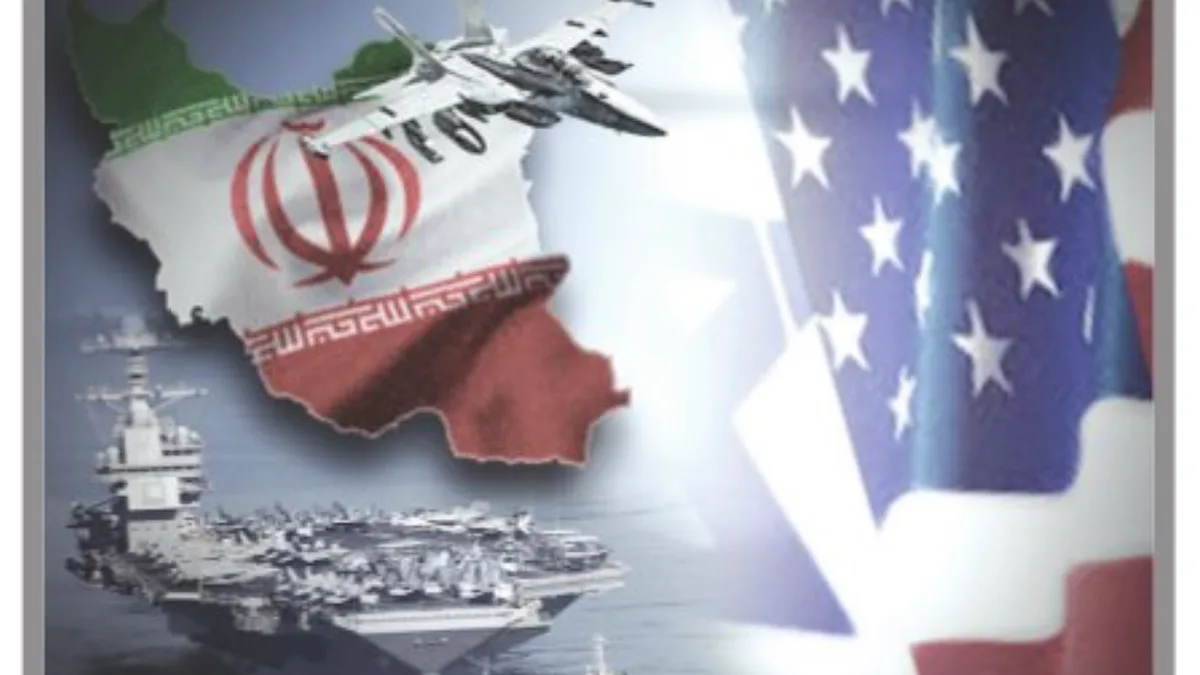
It is after more than 100 days that both President Donald Trump and Iran have announced a peace deal, much to the world’s relief.
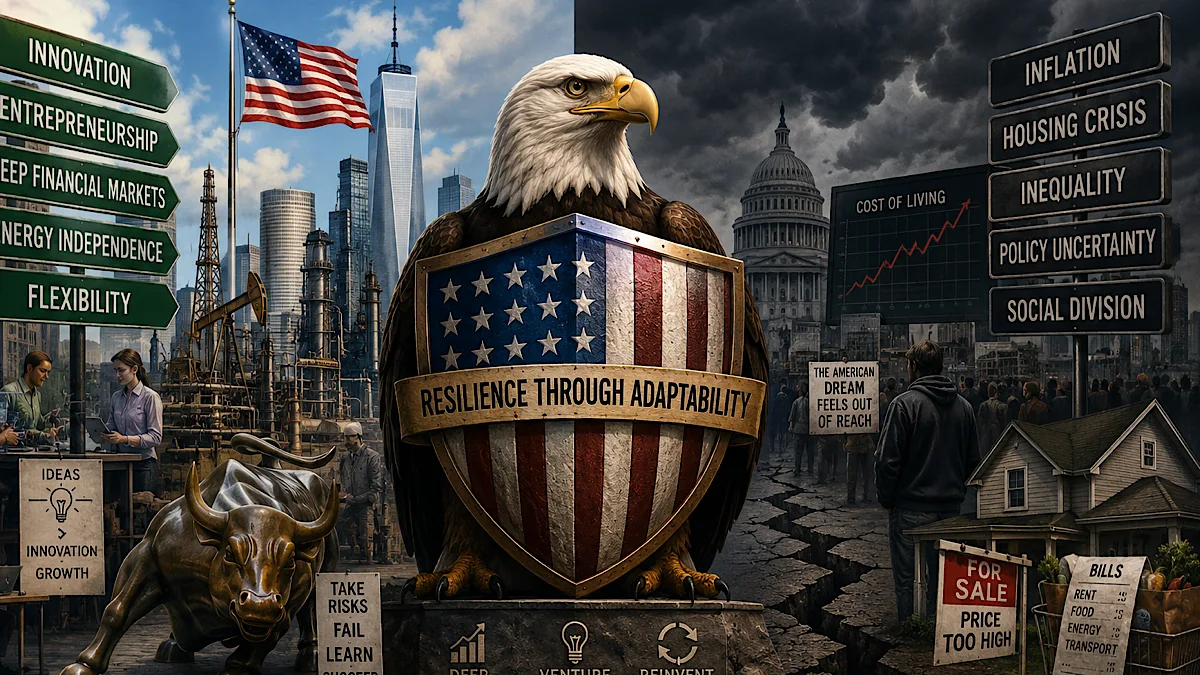
For much of the past year, economists have been waiting for the American economy to stumble. It has been hit by tariffs, labour disruptions, geopolitical tensions and renewed inflationary pressures.
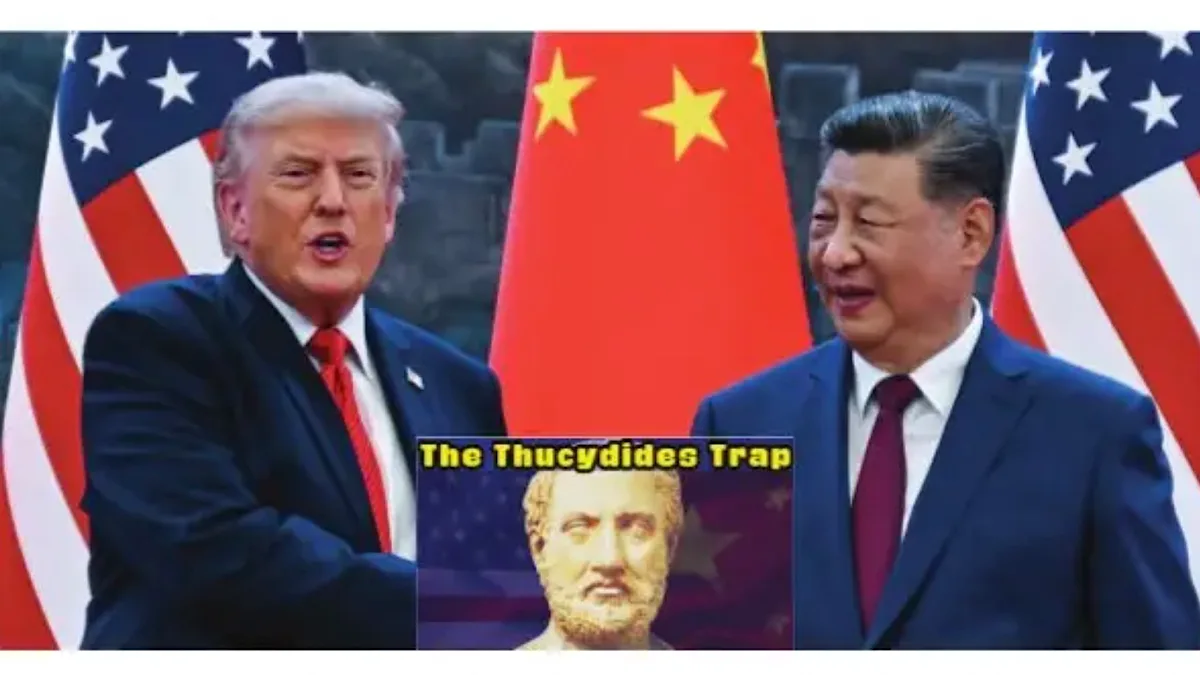
Xi Jinping at his meeting with Donald Trump on 14-15 May 2026 in Beijing referred to the Thucydides Trap, a metaphor that refers to the inherent tensions and perils when an established power is challenged by a rising power.