Three reforms that can change India
As Prime Minister Narendra Modi completes 4,399 days in office, India stands at a defining moment in its modern history.
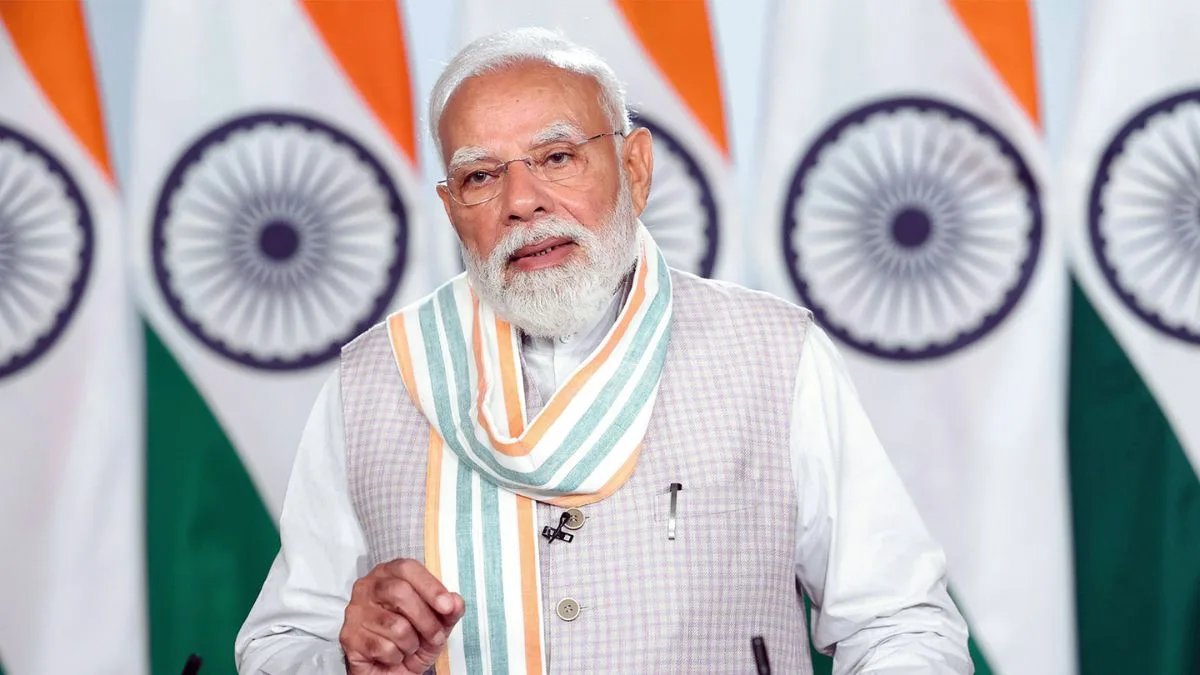
As Prime Minister Narendra Modi completes 4,399 days in office, India stands at a defining moment in its modern history.
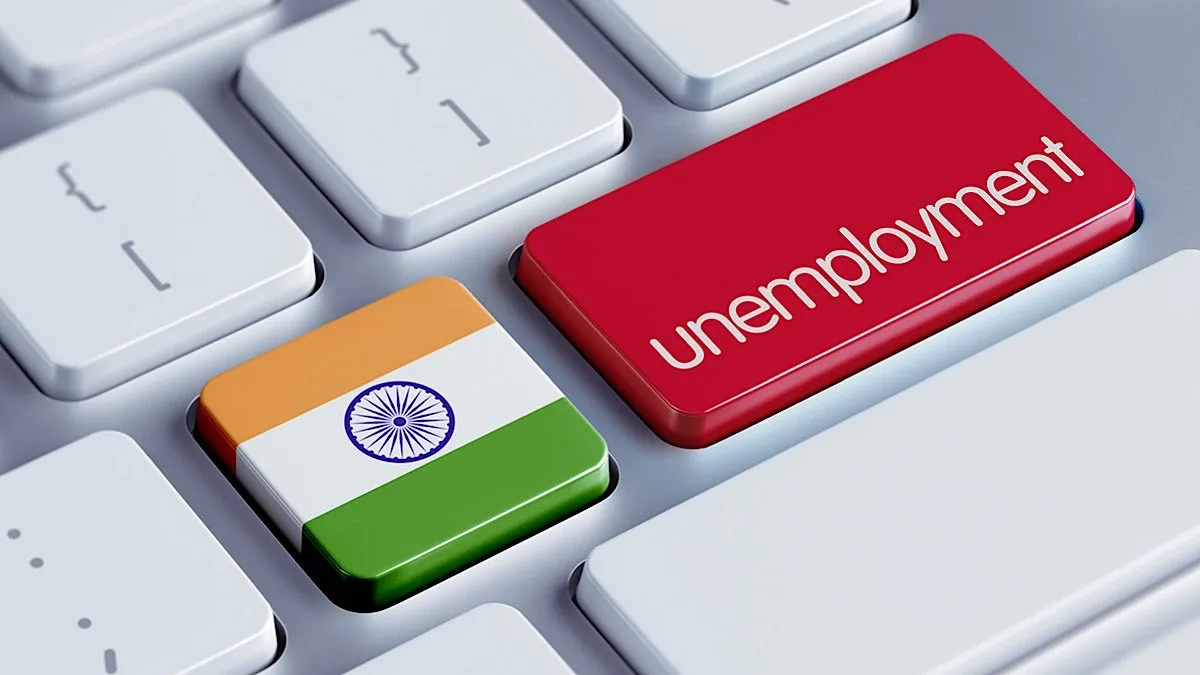
India’s demographic profile has long been presented as an economic advantage.

For much of the past two years, investors appeared willing to suspend disbelief.

Between light and shadow lies our reality, a land where triumph and fragility walk side by side.
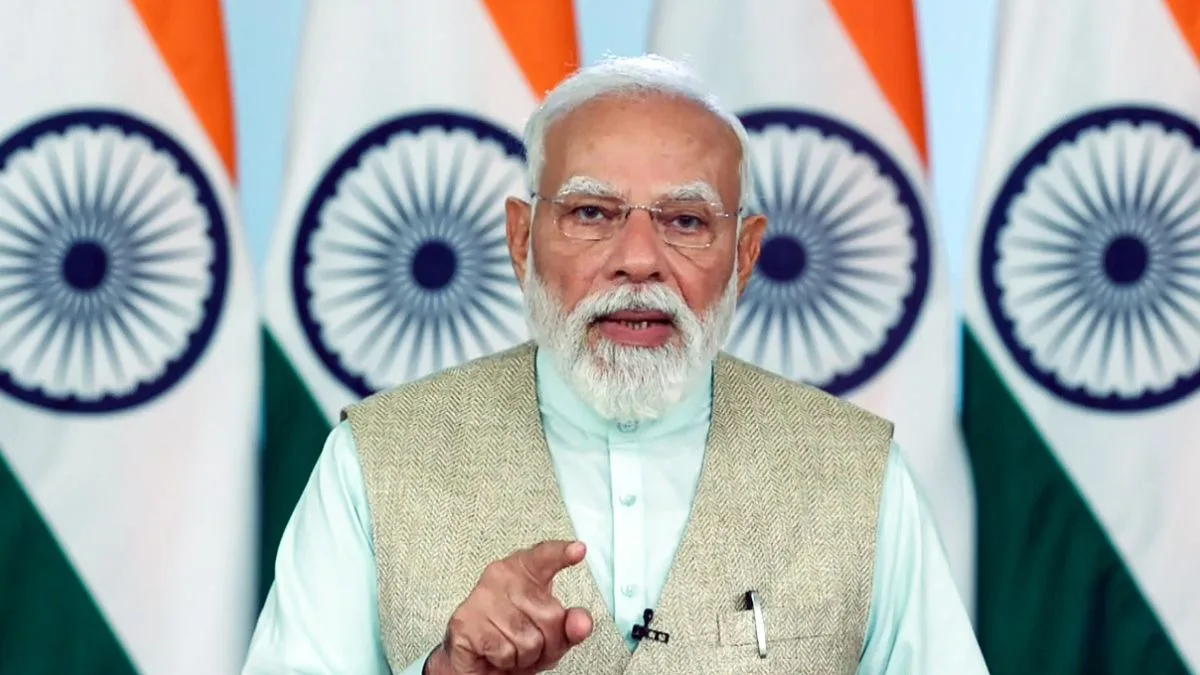
Many congratulations to Prime Minister Narendra Modi for reaching a historic milestone - the longest- serving elected Prime Minister in Indian history, with 4,399 consecutive days in office since first taking the oath of office on 26 May 2014.

The blockading of the Strait of Hormuz following the outbreak of hostilities in the Middle East has done what a decade of climate summits could not: it has stripped the energy transition of its moralizing upholstery, revealing its raw geopolitical core.

Every four years, the World Cup reminds the world that football is not merely a sport.
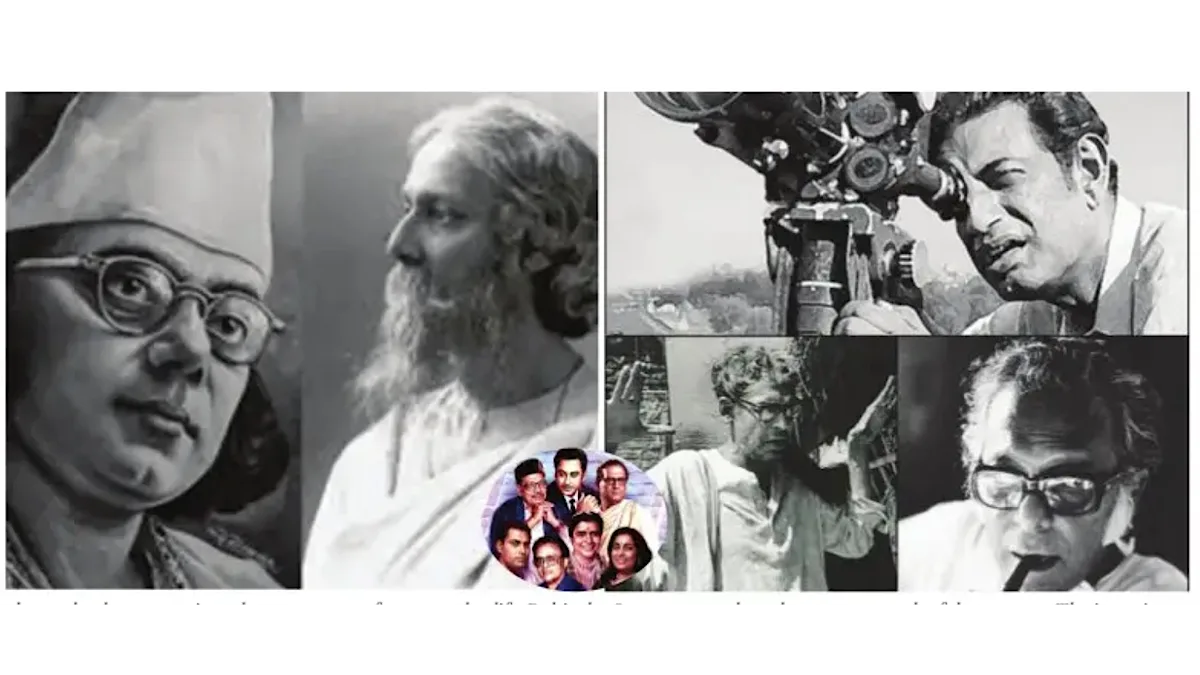
There was a time when Bengal was not merely a geographical region but a civilization of the mind. Its language carried poetry in everyday speech.
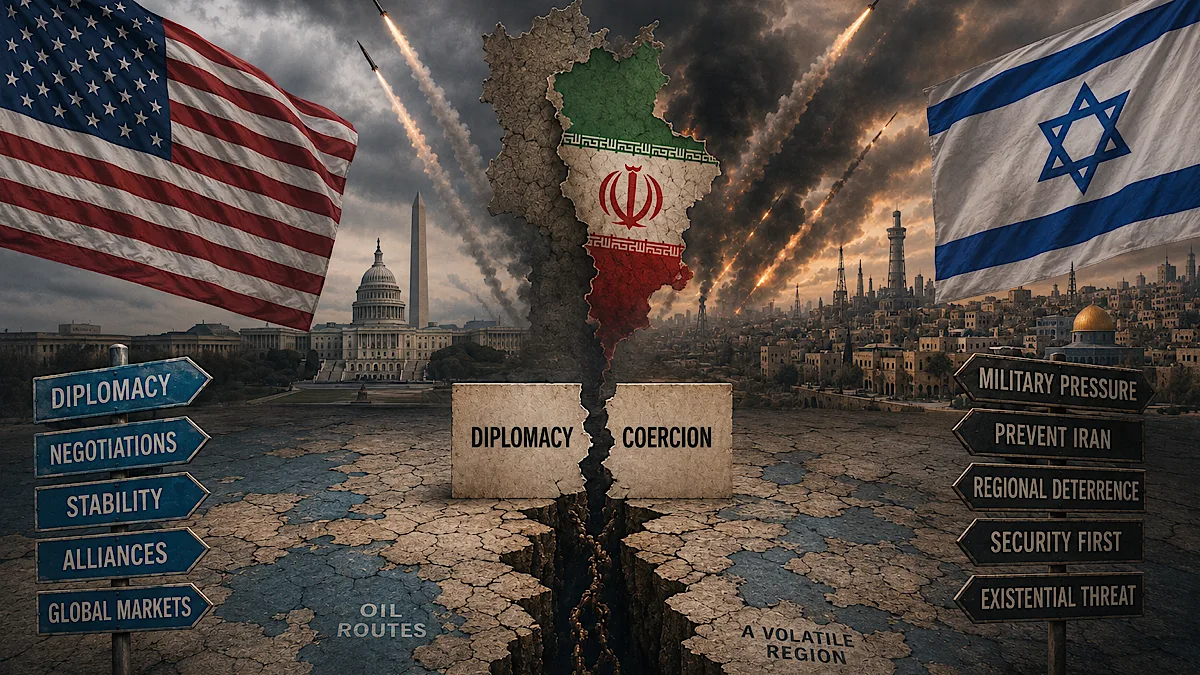
For decades, West Asia has operated on a simple assumption: when Washington and Jerusalem stand together, their adversaries have little room to manoeuvre.
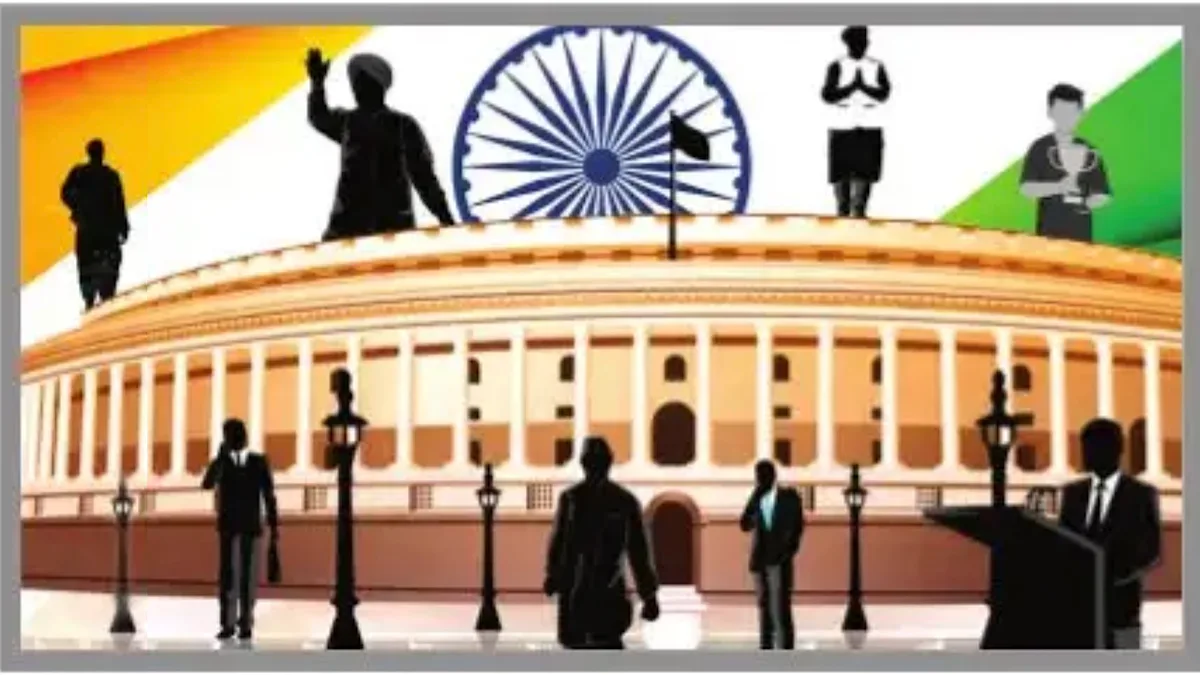
There was a time when politics occupied a defined place in human life. It was an important part of society, certainly, but it was only one among many concerns. Family, friendship, religion, art, literature, science, work, recreation, and personal aspirations all had their own spaces in the human experience.