Migrant from Malda stabbed in Madhya Pradesh, family alleges language profiling
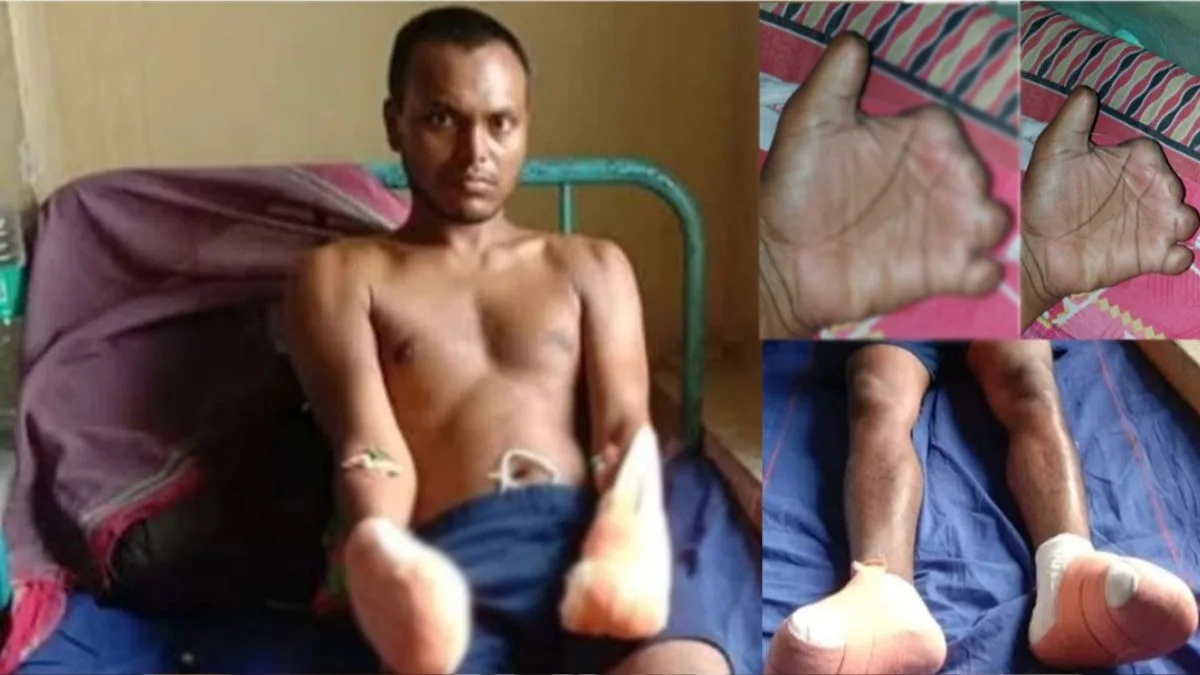
A migrant worker from Malda was allegedly attacked in Madhya Pradesh, triggering fresh concerns over the safety of Bengali-speaking labourers working outside the state.
A silent journey spanning two years, across two states, ended with an emotional reunion in Hazaribagh as a mentally divyang boy was handed over to his family, thanks to a convergence of compassionate governance, technology, and institutional care.





File Photo: IANS
A silent journey spanning two years, across two states, ended with an emotional reunion in Hazaribagh as a mentally divyang boy was handed over to his family, thanks to a convergence of compassionate governance, technology, and institutional care.
The boy, who had gone missing in April 2023 and was later found wandering in Ranchi, had been unable to speak or share any personal details due to his mental condition. After his rescue, he was placed under the care of the Bal Kalyan Samiti and subsequently shifted to the Barhi-based shelter home, Bal Grih Jan Jagran Kendra, for long-term care and rehabilitation.
Advertisement
Despite best efforts, the boy’s identity remained a mystery — until recently, when a routine attempt to secure a disability certificate and Aadhaar enrolment at Sadar Hospital Hazaribagh revealed that he already had an Aadhaar record. That digital clue cracked open the case.
Advertisement
With support from UIDAI’s district project officer Praveen Kumar, the Hazaribagh district administration traced the Aadhaar details to Bihar’s Madhubani district. The information was then shared with the District Child Protection Unit in Madhubani, which verified the boy’s identity and located his family.
On July 1, 2025, in a moment filled with emotion and relief, the boy was formally reunited with his grandmother, uncle, and cousin. The handover was facilitated under the supervision of the Bal Kalyan Samiti, Hazaribagh.
Deputy Commissioner Shashi Prakash Singh, who met the family during the process, emphasized the critical role of coordination between institutions and humane governance. “In such cases, it is the joint effort of society and administration that ensures a child’s protection and rehabilitation,” he said, while also offering guidance on the boy’s future care, education, and health needs.
This reunion, anchored by a digital ID and driven by patient institutional work, underscores how humane governance and technology can come together to rebuild lost lives — and restore lost families.
Advertisement